



How to Import Industrial Chemicals from China Safely: A Complete Guide for Global Buyers
By vanchor
2026-04-29
Related Posts

The Global Chemical Supply Chain: How Manufacturers Ensure Stable Supply
2026-05-08
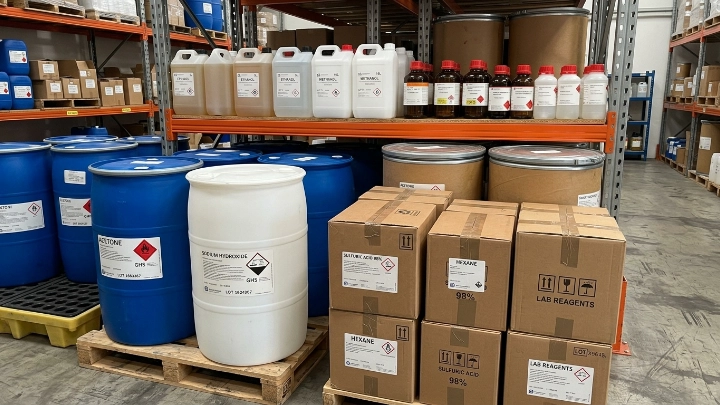
Industrial Chemical Packaging Guide: Bags, Drums, IBC Tanks, and ISO Tanks
2026-05-08
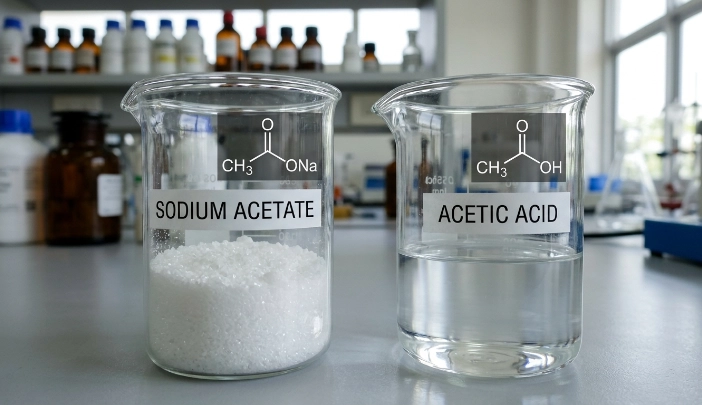
Sodium Acetate vs Acetic Acid: Key Differences and Industrial Applications
2026-05-08
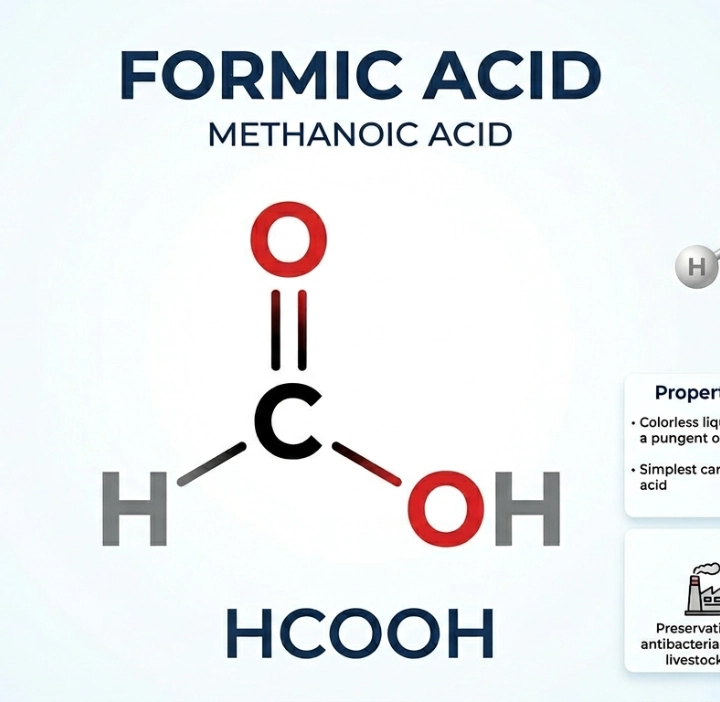
Formic Acid Applications: 10 Industrial Uses You Should Know
2026-05-08
China has become one of the world’s largest exporters of industrial chemicals. For global manufacturers and distributors, importing chemicals from China offers competitive pricing, large production capacity, and diverse product availability. However, safe and compliant import procedures are essential to avoid regulatory risks and supply disruptions.
Step 1: Choose a Reliable Chemical Supplier
The most important step when importing chemicals is selecting a trustworthy supplier. Buyers should evaluate several factors before making purchasing decisions:
- Manufacturing capability
- International certifications
- Export experience
- Quality control systems
Working with established companies such as Vanchor Supply Chain Management (Hebei) Co., Ltd. ensures that products meet international safety and quality standards.
Step 2: Verify Product Documentation
Industrial chemicals require proper documentation for international trade. Buyers should request the following documents from suppliers:
- Certificate of Analysis (COA)
- Material Safety Data Sheet (MSDS)
- Product specifications
- Packing list and commercial invoice
These documents confirm product composition and help importers comply with local chemical regulations.
Step 3: Understand Packaging Requirements
Chemical products must be packaged according to international safety standards. Common export packaging includes:
- 25 kg bags for powder chemicals
- Plastic drums for liquid chemicals
- IBC tanks for bulk liquids
- Jumbo bags for large quantities
Proper packaging protects the product during transport and ensures compliance with hazardous goods regulations when applicable.
Step 4: Choose the Right Shipping Method
International chemical shipments typically use one of the following methods:
- Container shipping (FCL or LCL)
- Bulk tanker transport
- ISO tank containers for liquid chemicals
Major Chinese ports such as Tianjin and Qingdao serve as important export hubs for chemical shipments.
Step 5: Ensure Customs Compliance
Importers must ensure that chemical products meet local regulatory requirements, including labeling, safety documentation, and import permits.
Working with suppliers experienced in international trade helps reduce customs clearance delays and compliance risks.
Why China Remains a Leading Chemical Exporter
China’s chemical industry benefits from:
- Large-scale manufacturing infrastructure
- Competitive production costs
- Strong logistics networks
- Continuous technological improvements
These advantages make China a preferred sourcing destination for industrial chemicals.
Building Long-Term Supply Partnerships
Successful chemical importing goes beyond one-time transactions. Establishing long-term partnerships with reliable suppliers helps ensure consistent product quality, stable pricing, and dependable logistics.
By following safe import practices and working with experienced manufacturers, global buyers can confidently source chemicals from China while minimizing supply chain risks.


Contact Us
In This Article
Related Posts
The Global Chemical Supply Chain: How Manufacturers Ensure Stable Supply
2026-05-08
Industrial Chemical Packaging Guide: Bags, Drums, IBC Tanks, and ISO Tanks
2026-05-08
Sodium Acetate vs Acetic Acid: Key Differences and Industrial Applications
2026-05-08
Formic Acid Applications: 10 Industrial Uses You Should Know
2026-05-08


