




Ethylene Glycol ≥99%
Monoethylene Glycol (MEG) for Polyester, PET, Coolant & Industrial Applications
Ethylene Glycol (EG), also widely known as Monoethylene Glycol (MEG), is a versatile industrial raw material used in polyester production, PET resins, antifreeze and coolant formulations, chemical intermediates and a wide range of industrial applications.
With an Ethylene Glycol content of ≥99%, the product provides reliable performance for manufacturers requiring a water-miscible, hygroscopic and low-volatility glycol raw material.
Vanchor supplies Ethylene Glycol in 220 kg drums and 1.2 MT IBCs, providing flexible packaging options for chemical distributors, industrial manufacturers and international buyers.

Get a Quote

WhatsApp:

Email:
-
Product Name
Ethylene Glycol
-
Common Name
Monoethylene Glycol
-
Abbreviation
MEG / EG
-
Chemical Name
Ethane-1,2-diol
-
CAS No.
107-21-1
-
Molecular Formula
C₂H₆O₂
-
Molecular Weight
62.07 g/mol
-
Ethylene Glycol Content
≥99%
-
Appearance
Colorless Liquid
-
Chemical Type
Glycol
-
Packaging
220 kg Drums / 1.2 MT IBCs
Versatile Glycol Raw Material for Industrial Manufacturing
Monoethylene Glycol is one of the most widely used glycol raw materials in industrial manufacturing.
Its combination of water miscibility, hygroscopicity, low volatility and chemical functionality makes it suitable both as a direct formulation component and as an important chemical intermediate.
MEG is particularly important in polyester and PET manufacturing, while its ability to modify the freezing characteristics of aqueous systems also makes it a widely used raw material in antifreeze, coolant and heat-transfer formulations.
Storage & Handling
Store Ethylene Glycol in tightly closed containers in a cool, dry and well-ventilated area.
Protect the product from contamination and incompatible materials. Appropriate industrial hygiene practices and personal protective equipment should be used during handling.
Ethylene Glycol is harmful if swallowed, so suitable precautions should be taken to prevent accidental ingestion and unnecessary exposure.
Always refer to the current MSDS/SDS for detailed information on storage, handling, personal protection and emergency procedures.
Key Performance Benefits
Main Application Industries
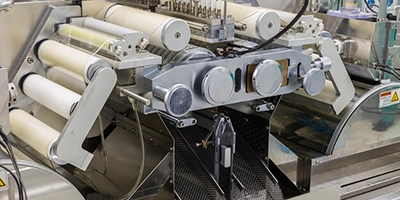
Polyester & PET Production
Ethylene Glycol is an important raw material in the manufacture of polyester and polyethylene terephthalate (PET).
Its chemical functionality makes it suitable for producing polyester materials used across fibers, packaging and other polymer applications.
Typical applications include:
- Polyester fibers
- PET resins
- PET packaging materials
- Polyester-based materials
- Industrial polymer production
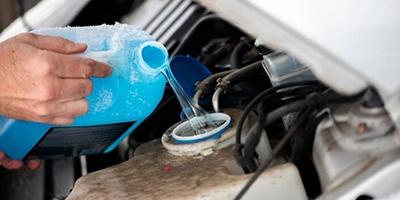
Antifreeze & Coolants
MEG is widely used as a base raw material in antifreeze and coolant formulations.
When formulated with water and suitable additives, Ethylene Glycol helps provide low-temperature protection and effective thermal-management performance.
Typical applications include:
- Automotive antifreeze
- Engine coolants
- Industrial coolant formulations
- Closed-loop cooling systems
- Heat-transfer fluids
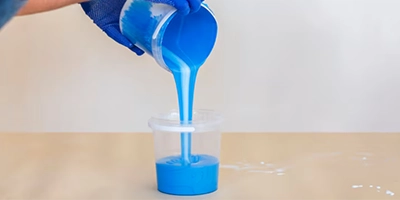
Polyester Resins
Ethylene Glycol is used as a chemical building block in the production of polyester-related resin systems.
Its two hydroxyl groups make it an important reactive intermediate for manufacturers producing polymer and resin-based materials.
Typical applications include:
- Polyester resins
- Industrial resin systems
- Polymer intermediates
- Chemical synthesis

Chemical Intermediates
Monoethylene Glycol is widely used as an industrial intermediate in the production of downstream chemicals and formulated products.
Its chemical reactivity and compatibility make it suitable for a variety of industrial synthesis and manufacturing processes.
Typical applications include:
- Glycol derivatives
- Industrial chemical intermediates
- Polymer production
- Specialty chemical formulations
- Chemical synthesis
Paper, Adhesives & Printing Inks
The hygroscopic properties of Ethylene Glycol make it useful in selected formulations where moisture retention, flow or formulation stability is required.
Typical applications include:
- Printing inks
- Adhesives
- Paper processing
- Fiber treatment
- Selected industrial formulations

Technical Parameters
Ethylene Glycol ≥99%

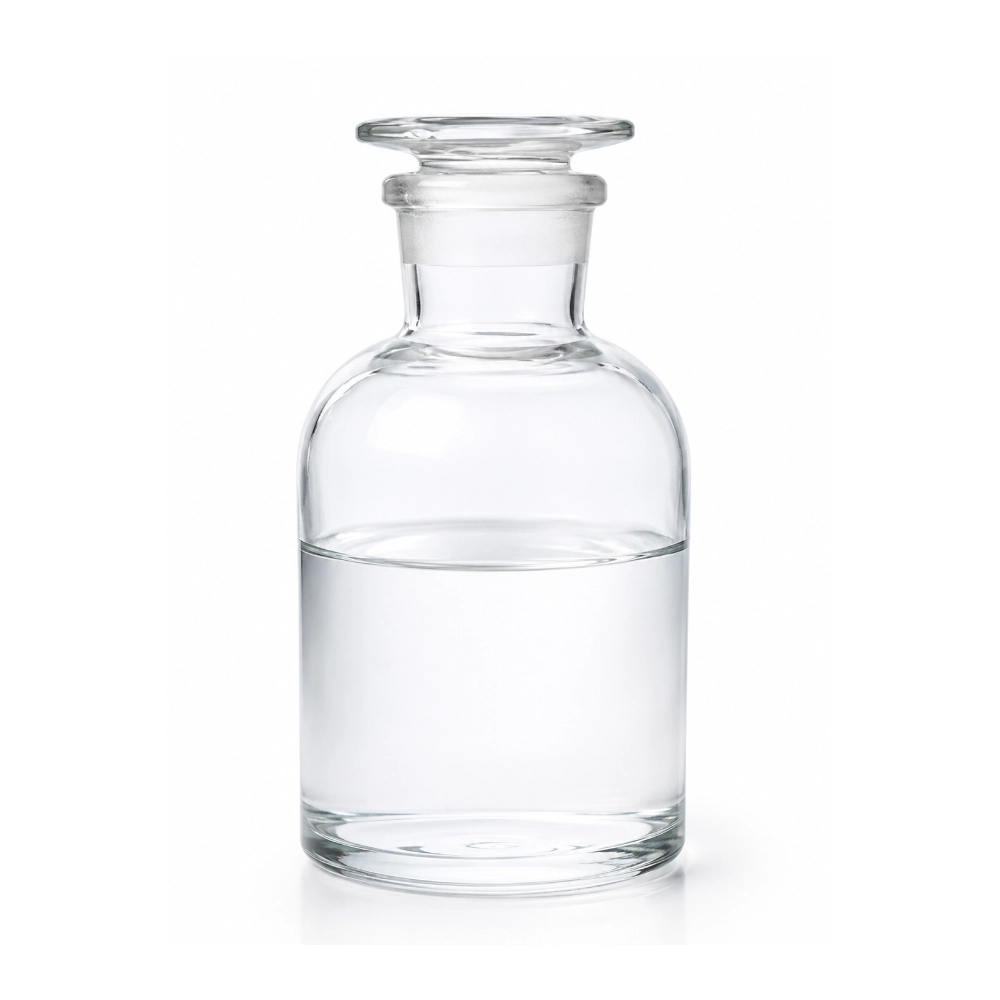
Ethylene Glycol ≥99%
| Ethylene Glycol Content | ≥99% |
| CAS No. | 107-21-1 |
| Molecular Formula | C₂H₆O₂ |
| Molecular Weight | 62.07 g/mol |
| Appearance | Colorless, Slightly Viscous Liquid |
| Water Compatibility | Miscible with Water |
| Density | Approx. 1.11 g/cm³ at 20°C |
| Boiling Point | Approx. 196–197°C |
| Melting Point | Approx. -13°C |

Packaging Options
Packaging can be adjusted according to concentration, order quantity, discharge conditions and destination regulations. Available packaging options include:
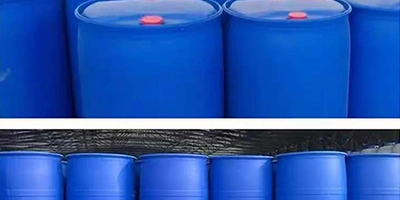
220 kg Drums
-
Vanchor supplies Ethylene Glycol in 220 kg drums, providing a practical packaging option for chemical distributors, manufacturers and customers requiring flexible purchasing quantities.
Packaging:
220 kg / DrumThe drum format is suitable for warehouse storage, handling and containerized international shipment.
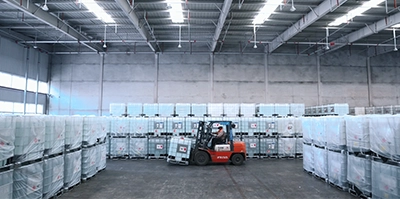
1.2 MT IBCs
-
1.2 MT IBC packaging is available for larger industrial customers, helping simplify liquid storage, transfer and raw-material handling for regular production needs.
Packaging:
1.2 MT / IBCFor container loading quantities and shipment arrangements, please contact our sales team.
Why Choose Vanchor Ethylene Glycol?

Ethylene Glycol ≥99%
Reliable glycol content for industrial manufacturing and formulation applications.

Versatile Industrial Raw Material
Suitable for polyester, PET, coolant, resin and chemical-processing applications.

Water Miscible
Excellent compatibility with water for coolant, heat-transfer and aqueous formulation systems.

Reliable Processing Performance
Its hygroscopicity, low volatility and liquid handling characteristics support a broad range of industrial processes.

Flexible Packaging
Available in 220 kg drums and 1.2 MT IBCs to meet different purchasing volumes and handling requirements.

Export Documentation Support
COA, TDS, MSDS/SDS and relevant export documentation can be provided according to customer and shipment requirements.
Our Ethylene Glycol ≥99% products are exported globally to chemical manufacturers, textile factories, plastic producers, and pharmaceutical companies.
Get a Quote
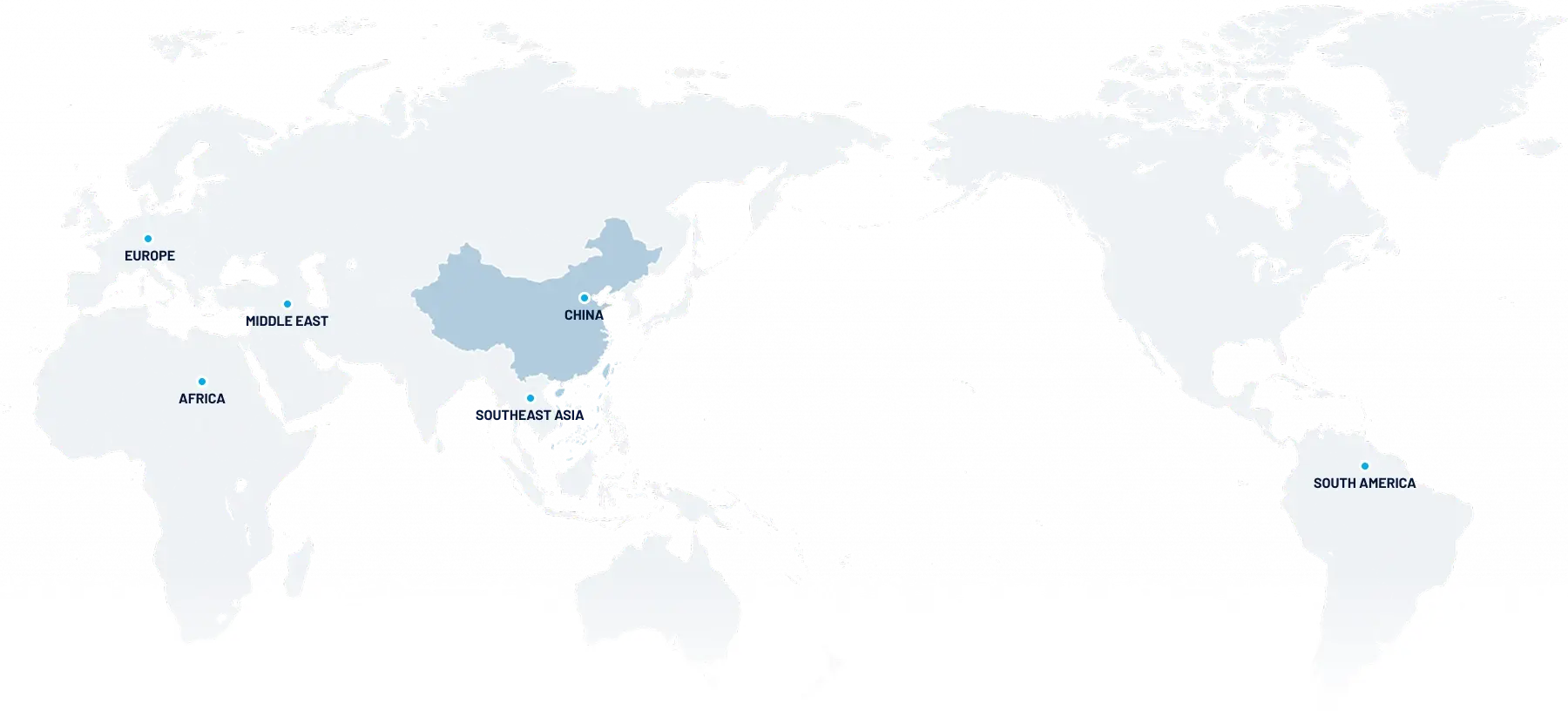
Ethylene Glycol Supplier for Global Industrial Buyers
Vanchor supplies Ethylene Glycol ≥99% (Monoethylene Glycol / MEG) for polyester, PET, coolant, resin and industrial chemical applications.
With 220 kg drum and 1.2 MT IBC packaging options, we support chemical distributors, importers and industrial manufacturers with different purchasing volumes and shipment requirements.
Our team can provide product specifications, quality documentation, packaging solutions and international shipment coordination according to customer requirements.
FAQs
Request Ethylene Glycol ≥99% Price or Sample
If you are looking for a reliable supplier, manufacturer, or distributor, contact us today.
We can provide:

Technical Data Sheet (TDS)
Material Safety Data Sheet(MSDS)
Free samples
Bulk pricing quotation
Moisture-proof packaging
safe handling
efficient international shipping.
Our team will respond within 24 hours.


