




Phosphoric Acid 105%–120%
High Purity Phosphoric Acid Manufacturer – CAS 8017-16-1
Vanchor supplies Polyphosphoric Acid, CAS 8017-16-1, in 105%–120% H₃PO₄ equivalent grades. Its high phosphate content supports phosphate production, mineral processing, fertilizer manufacturing, metal treatment, and chemical synthesis.

Get a Quote

Data Sheet

WhatsApp:

Email:
-
Formula:
H₃PO₄
-
CAS Number:
8017-16-1
-
Purity:
105%-120%
-
Product Name:
Polyphosphoric Acid
-
Abbreviation
PPA
-
Available Strength
105%–120% H₃PO₄ Equivalent
-
Approximate P₂O₅ Equivalent
Approx. 76%–87%, depending on grade
-
Appearance:
Colorless to pale yellow or light brown viscous liquid
-
Specific Gravity:
Approx. 1.92–2.08 at 25°C, depending on grade
Polyphosphoric Acid 105%–120% Manufacturer and Supplier
Vanchor supplies Polyphosphoric Acid from 105% to 120% H₃PO₄ equivalent for specialty chemical manufacturing and processes requiring high phosphorus content, reduced free water and strong dehydrating or catalytic performance.
Polyphosphoric Acid is not simply “phosphoric acid with more than 100% purity.” It is a condensed mixture of orthophosphoric acid, pyrophosphoric acid and higher-chain phosphoric acids formed through controlled dehydration.
The stated 105%–120% strength is expressed on an H₃PO₄-equivalent basis. It represents concentrated phosphorus pentoxide content and condensed phosphate structure rather than literal free orthophosphoric acid purity.
It plays a key role in many industries due to its:
How the Different PPA Strengths Are Positioned
PPA 105%–108%
Lower-strength PPA grades offer a balance between condensed phosphate content and material-transfer convenience.
They may be selected for:
- Processes requiring easier pumping than higher-strength PPA
- Phosphate production
- Phosphate ester manufacturing
- Polyol phosphorylation
- Organic reaction catalysis
Strengthening lower-concentration phosphoric acid
PPA 115%–118%
These grades provide higher P₂O₅ content and lower free water.
They are suitable for evaluation in:
- Polymerization and dehydration reactions
- Specialty organic synthesis
- Pigment production
- Flame-retardant phosphate intermediates
- Phosphate ester surfactants
- Asphalt modification
- High-performance chemical formulations
PPA 119%–120%
The highest-strength grades are selected for specialized processes requiring very low water input and maximum condensed phosphate content. They may provide:
- Higher dehydrating capacity
- Reduced process water
- Higher phosphorus input per unit of material
- Stronger reaction-driving capability
- Lower downstream water-removal demand
However, viscosity, material compatibility, pumping and temperature control become increasingly important as PPA strength increases. The final grade should be selected through process trials and agreement between the customer’s technical team and supplier.
Major Applications of Phosphoric Acid
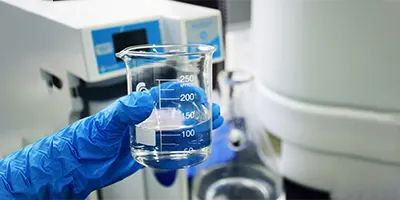
Phosphate Ester Manufacturing
PPA is used as a raw material for producing phosphate esters and for the phosphorylation of polyols.
Typical downstream products may include:
- Flame-retardant phosphate esters
- Specialty surfactants
- Plastic and polymer additives
- Functional phosphorus intermediates
ICL identifies phosphate esters, polyol phosphorylation and phosphate ester surfactants as established PPA application areas.

Organic Synthesis Catalyst
Polyphosphoric Acid can act as both an acid catalyst and a dehydrating medium. It may be used in reactions involving:
- Dehydration
- Rearrangement
- Polymerization
- Cyclization
- Acylation
- Condensation reactions
Industrial SDS information identifies rearrangement, polymerization and dehydration as intended PPA applications.

Asphalt Modification
Selected PPA grades are used as asphalt modifiers to improve the thermo-mechanical properties of asphalt binders. Depending on the bitumen source and formulation, PPA may be evaluated for:
- High-temperature rutting resistance
- Binder stiffness adjustment
- Polymer-modified asphalt optimization
- Pavement-performance formulation
- Reduced dependence on certain polymer levels
Performance must be verified using the customer’s bitumen, polymer system and applicable road-testing standard.
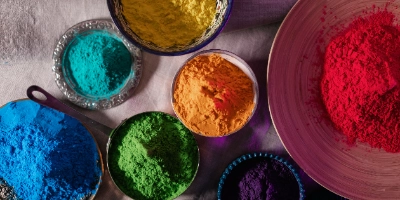
Pigment Manufacturing
PPA is used in selected pigment-production processes where a strong acidic and dehydrating reaction medium is required. Its high acidity and low water content can support controlled condensation, cyclization, and intermediate-conversion reactions during pigment synthesis.
Depending on the pigment chemistry and process design, PPA may be evaluated for:
- Specialty organic pigment production
- High-performance pigment intermediates
- Dehydration and condensation reactions
- Reaction-viscosity and temperature control
- Improved conversion of selected raw materials
- Processes requiring a low-moisture acidic medium
Performance should be verified according to the customer’s raw materials, reaction conditions, target pigment specifications, and applicable quality-control requirements.

Flame Retardants and Specialty Polymers
PPA may be used in the production of phosphorus-containing flame-retardant intermediates and specialty polymer chemicals. Its strong acidity and reduced free-water content can support reactions in which moisture may interfere with conversion efficiency, molecular structure, or final product quality.
Depending on the formulation and process requirements, PPA may be evaluated for:
- Phosphorus-based flame-retardant intermediates
- Specialty polymer additives and modifiers
- Condensation and phosphorylation reactions
- Low-moisture chemical synthesis
- Improved conversion of moisture-sensitive raw materials
- Production processes requiring a strong acidic reaction medium
Suitability should be verified according to the customer’s raw materials, reaction conditions, target phosphorus content, polymer compatibility, and flame-retardancy performance requirements.

Mining, Oil and Gas Chemicals
Commercial PPA suppliers position the material for selected mining, oil and gas, pigment-manufacturing, and specialty industrial applications. Its high acidity, elevated phosphate content, and low free-water level can support processes requiring a concentrated acidic or dehydrating medium.Depending on the process and formulation, PPA may be evaluated for:
- Mineral treatment and selected ore-processing operations
- Oilfield and refinery chemical formulations
- Specialty drilling and production chemicals
- Organic pigments and pigment intermediates
- Industrial catalysts and reaction promoters
- Phosphate-containing additives and specialty chemicals
- Processes requiring controlled acidity and limited water content
Suitability should be confirmed using the customer’s raw materials, equipment, process conditions, and final product specifications. Laboratory and pilot-scale testing are recommended before commercial production.

Phosphoric Acid Technical Specifications
Phosphoric Acid 105%–120%

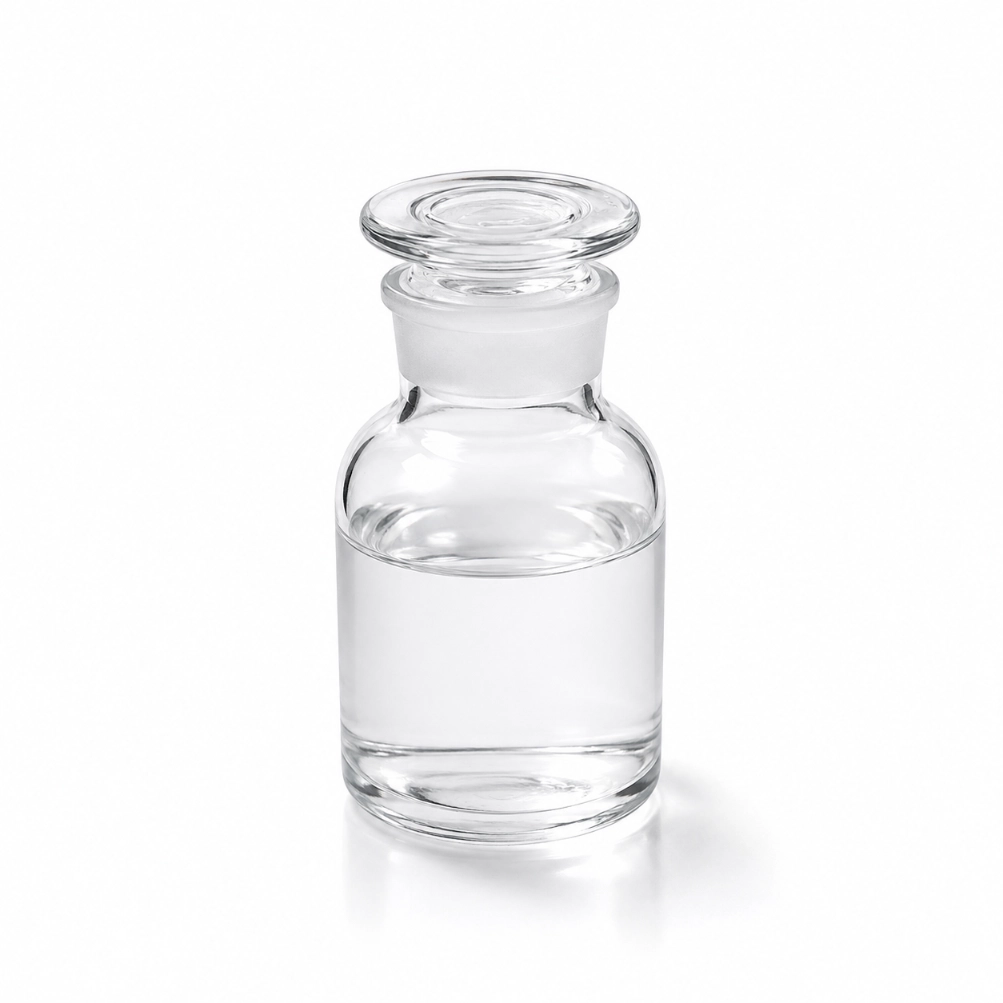
Phosphoric Acid 105%–120%
| Product Name | Polyphosphoric Acid |
| Abbreviation | PPA |
| CAS Number | 8017-16-1 |
| Available Strength | 105%–120% H₃PO₄ Equivalent |
| Approximate P₂O₅ Equivalent | Approx. 76%–87%, depending on grade |
| Appearance | Colorless to pale yellow or light brown viscous liquid |
| Odour | Odourless |
| Specific Gravity | Approx. 1.92–2.08 at 25°C, depending on grade |
| Water Behaviour | Soluble and hydrolyses toward orthophosphoric acid with heat generation |
| Typical Grade | Technical Grade |
| Transport Classification | UN 3264, Class 8, Packing Group III |

Packaging Options for Global Export
We provide flexible packaging solutions designed for safe storage, convenient handling, and efficient international transportation.
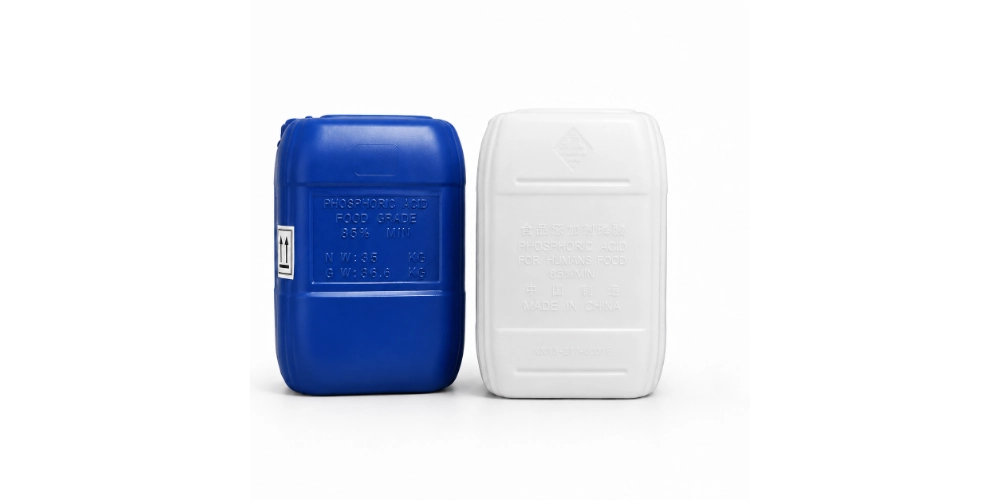
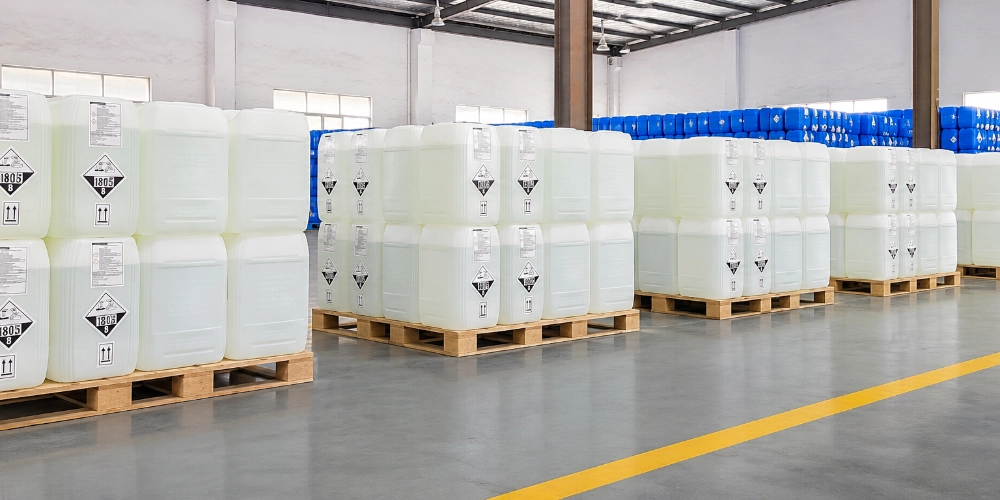
Standard Packaging
- 35 kg plastic drums
- 330 kg plastic drums
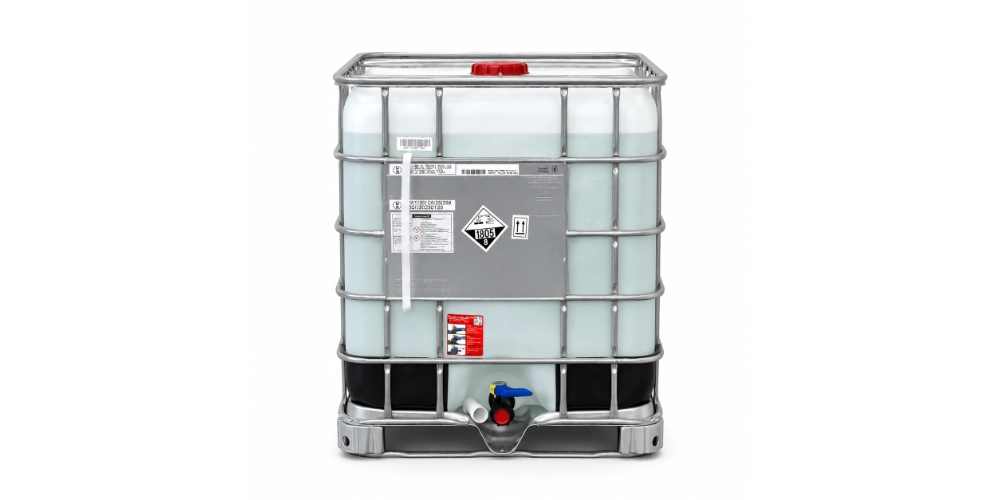
IBC Packaging
- 1650 kg IBC totes
- Approved lined containers
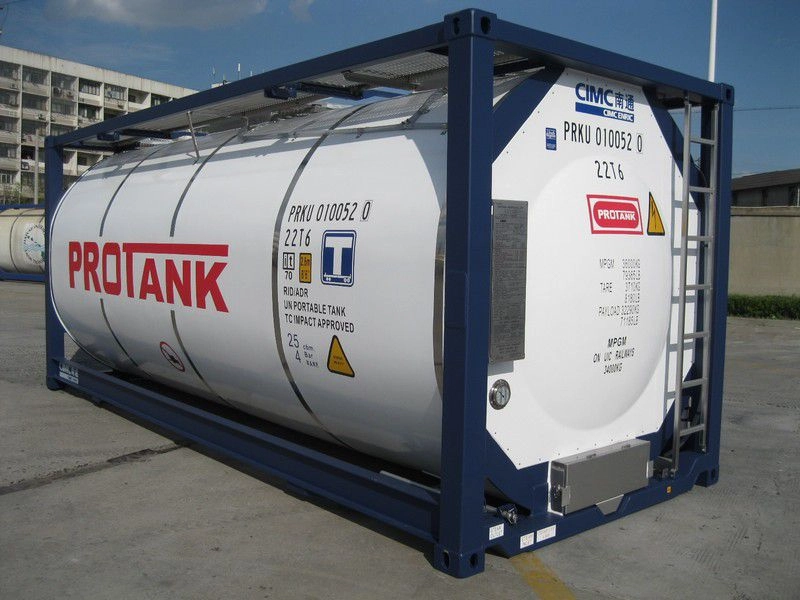
ISO Packaging
- ISO tank containers for large-volume supply
- Heated or temperature-controlled bulk transport where required
- Customized packaging after technical review
Storage & Safety Handling
- Store Polyphosphoric Acid in sealed, dry, corrosion-resistant containers. Keep away from moisture, water, bases, and incompatible metals.
- Use suitable transfer equipment, protective clothing, ventilation, and emergency washing facilities.
- Because PPA releases heat when mixed with water, dilution must follow a controlled industrial procedure.
Why Choose Vanchor Phosphoric Acid

Reduced Free Water

Strong Dehydrating Performance

High Phosphorus Content

Catalyst and Raw Material in One Product

Specialized Process Value
Our phosphoric acid products are exported worldwide and widely used by fertilizer manufacturers, food processors, metal treatment plants, and chemical producers.
Get a Quote

Global Phosphoric Acid Manufacturer & Exporter
We supply industrial phosphoric acid to customers worldwide, including markets in:
- Asia
- Europe
- Middle East
- North America
- South America
- Africa
Target Customers
- Phosphate ester manufacturers
- Flame-retardant chemical producers
- Pigment manufacturers
- Asphalt and bitumen modifier companies
- Specialty polymer manufacturers
- Surfactant producers
- Pharmaceutical and chemical-intermediate manufacturers
- Oilfield and mining chemical companies
- Organic synthesis plants
- Research and process-development teams
Phosphoric Acid FAQs
Request Phosphoric Acid 105%–120% Price or Sample
If you are looking for a reliable supplier, manufacturer, or distributor, contact us today.
We can provide:

Technical Data Sheet (TDS)
Material Safety Data Sheet(MSDS)
Free samples
Bulk pricing quotation
Moisture-proof packaging
safe handling
efficient international shipping.
Our team will respond within 24 hours.


