



Calcium Formate Feed Additive in Bone Formation and Eggshell Quality
By vanchor
2026-07-07Related Posts

Custom Packaging Solutions from an Anhydrous Sodium Acetate Supplier in China
2026-09-23

Application Trends in Anhydrous Sodium Acetate for Special Chemical Manufacturing
2026-09-23

Anhydrous Sodium Acetate for Leather Tanning: Improve Dyeing Uniformity
2026-09-22

Formic Acid 85% for Textile Dyeing: Industrial Applications, Technical Benefits and Future Trends
2026-09-22
Two main goals of contemporary mineral nutrition are the optimal skeletal development of growing livestock and the achievement of good quality eggshells in laying hens. Both goals rely on the availability of calcium in a certain form and the digestive conditions for its utilization.
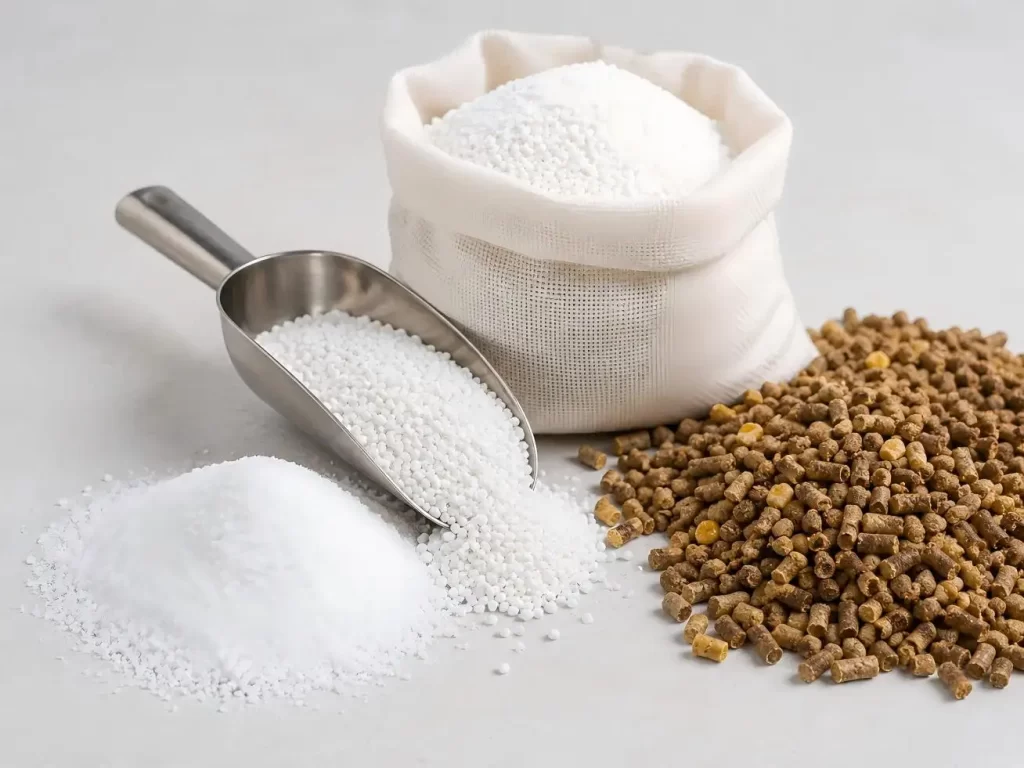
Calcium formate is an animal nutrition additive that has been recognized as a calcium source that is bioavailable and is also a mild organic acid, which may favor the improvement of the gut environment and mineral absorption.
1. What is Calcium Formate Feed Additive?
Calcium formate (Ca(HCOO)₂) is the calcium salt of formic acid. It typically contains:
• Calcium content: ~30–31% (theoretical value ~30.8%)
• Formate content: ~69–70%
• CAS number: 544-17-2
• Appearance: White crystalline powder or granules
In the gastrointestinal tract, calcium formate dissociates into calcium ions (Ca²⁺) and formate ions (HCOO⁻). In the small intestine, calcium is absorbed, and formate may have a slight acidifying effect in the upper digestive tract.
⚠️ Note: Calcium formate is a moderate acidifier. Calcium formate is pH neutral when compared to hydrochloric and various inorganic acids.
2. Functionality in Mineral Nutrition
Calcium formate as a feed additive has two key nutritional functions:
2.1 Calcium Source With Increased Solubility
Calcium formate has several advantages over calcium carbonate (limestone) as a calcium source:
• More soluble in the mildly acidic digestive environment
• Absorbed as ionic calcium earlier in the digestive tract
• Reduces the requirement for gastric acid for calcium solubilization
2.2 The Role of Organic Acids
The formate group can help:
• Maintain a mildly acidic gut (mainly stomach and upper intestine)
• Improve solubility of minerals (Ca and P included)
• Promote the upper GIT microflora (positive balance of microbial species)
3. Calcium and Phosphorus Balance and Bone Development
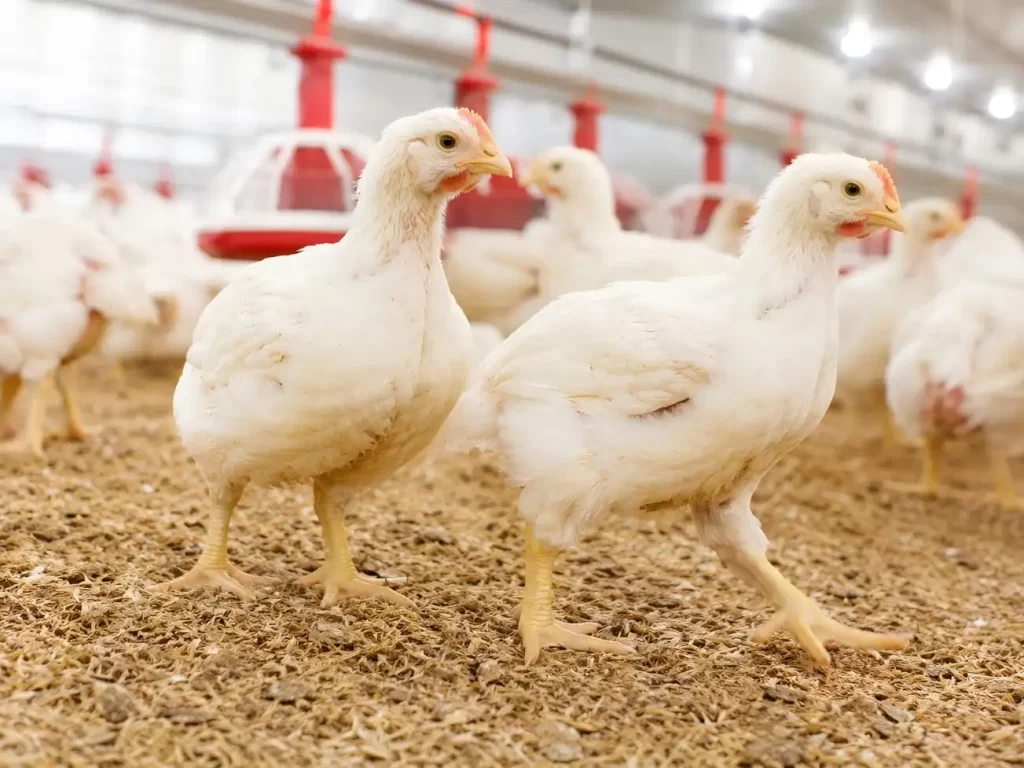
In pigs and chickens the absorption and the balance of calcium and phosphorus greatly influence the development of bones.
3.1 Calcium Availability and Absorption
Calcium formate may maximize calcium use because of the following reasons:
• Calcium exists in a dissociated and soluble form
• Limited interaction with anti-nutritional factors such as phytate (an indirect effect due to the pH)
3.2 Gut Environment and Mineral Uptake
A slightly acidic environment in the proximal gut tract may:
• Keep calcium in a soluble ionic form for a longer duration
• Facilitate the co-absorption of phosphorus and other trace minerals
3.3 Observed Performance Trends (Field and Trial Data)
Though findings may vary, the following trends seem to be consistent:
• Increased bone ash content in broilers (some studies)
• Decreased fast growing poultry leg disorders (varied contexts)
• Enhanced skeletal unity in the early stages of growth
⚠️ Note: The above trends cannot be attributed to calcium formate alone, as the diet, Ca:P ratio, vitamin D, and protein contribute to these effects.
4. Role in Eggshell Quality in Laying Hens
Medullary bone calcium reserves are utilized by hens during the nightly laying cycle to assist with the calcium-demanding process of forming an eggshell when calcium in the diet is low.
4.1 Sustained Calcium Availability
Calcium formate may facilitate the:
• Continued availability of calcium in the digestive tract
• Support of blood calcium levels during the process of shell calcification
4.2 Bone Reserve Protection
During long laying cycles, improved dietary calcium utilization may help to reduce the mobilization of medullary bone and potentially reduce the rate of long-term skeletal depletion (layer fatigue).
4.3 Field Performance Trends
| Performance Indicator | Observed Trend in Some Trials | Interpretation |
| Eggshell thickness | Slight improvement | Diet and age dependent |
| Cracked eggs rate | Potential reduction | Linked to shell strength |
| Bone mineral retention | More stable trend reported | Requires broader validation |
These outcomes are indicative trends, not guaranteed effects.
5. Comparison of Common Calcium Sources
| Calcium Source | Calcium Content (%) | Solubility / Bioavailability Characteristics |
| Calcium carbonate (limestone) | 38-40 | Low solubility, depends on gastric acid |
| Calcium formate | ~30 | High solubility, dissociates readily |
| Monocalcium phosphate (MCP) | 15-18 | High bioavailability, also supplies phosphorus |
Data values may vary by grade and production process.
6. Application in Feed Formulation
Calcium formate feed additive can be incorporated into:
• Compound feed
• Premixes
• Mineral supplements
6.1 Typical Inclusion Range
• 0.3%-1.5% in the complete feed (species dependent and formulation dependent)
The final dosage of calcium formate should be determined by an animal nutritionist with consideration to the dietary calcium to phosphorus ratio and the stage of production.
6.2 Formulation Considerations
• Works in combination with other organic acids
• Assists with gut acidification and avoids excessive drops in pH
• Compatible with most pelletizing techniques
6.3 Handling Characteristics
• Hygroscopic and therefore needs to be kept dry
• Usually supplied in free-flowing powder or granulate
7. Industrial Production and Quality Control (Vanchor Example)
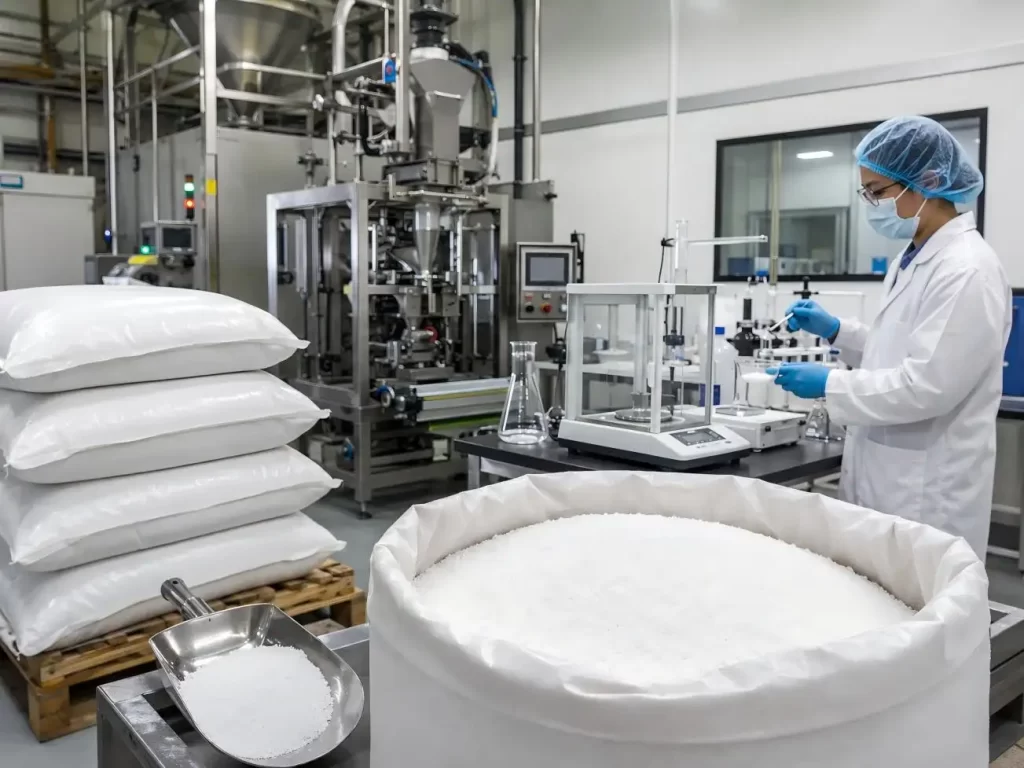
Reliable product performance necessitates consistent product quality.
Calcium Formate Additive (Example of Vanchor Specification):
• Product Name: Calcium Formate
• CAS Number: 544-17-2
• Purity: ≥98%
• Form: Powder and / or Granular
7.1 Manufacturing Control
• Purity consistency ensured by controlled synthesis
• Calcium and formate content controlled
• Levels of moisture and impurities controlled
7.2 Quality Assurance
• Identity and assay of each batch tested and found compliant
• Documented traceability for regulatory approval
7.3 Technical and Supply Support
• Application advice for feed formulation
• Compatibility support with other additives
• Global logistics with adjustable/prompt supply and packaging for feed mills and premix producers
Final Words
The Calcium formate feed additive provides a source of bioavailable calcium and offers the mild organic acidifying qualities that serve to enhance the efficiency of mineral utilization. This additive should not be relied upon to improve the quality of bones or eggshells.
The additive is best employed along with a proper balance of calcium and phosphorus, vitamin D, and proper feed management techniques in feed systems used for swine and poultry.
It may improve mineral performance, but should be verified in specific diets or production systems.
FAQs
Q1. How does calcium formate benefit the animal feed industry?
It serves as a source of calcium and as a weak acidifier that assists in the absorption of minerals.
Q2. How does calcium formate compare to limestone?
Calcium formate is more soluble than limestone. However, which one is more appropriate is dependent on the specific formulation of the diet.
Q3. How much calcium is in calcium formate?
About 30% to 31% of calcium.
Q4. Does calcium formate enhance the quality of eggshells?
Calcium formate should enhance the quality of eggshells through the increased availability of calcium.
Q5. Does calcium formate decrease gut pH?
Calcium formate will decrease gut pH, but it is only mildly reactive in comparison to other acidifiers.


Contact Us
In This Article
Related Posts
Custom Packaging Solutions from an Anhydrous Sodium Acetate Supplier in China
2026-09-23
Application Trends in Anhydrous Sodium Acetate for Special Chemical Manufacturing
2026-09-23
Anhydrous Sodium Acetate for Leather Tanning: Improve Dyeing Uniformity
2026-09-22
Formic Acid 85% for Textile Dyeing: Industrial Applications, Technical Benefits and Future Trends
2026-09-22


