"
Calcium formate price matters to buyers in construction , feed additives , chemicals, and industrial procurement.
- Procurement guide
Price is not driven by raw materials alone . Energy, freight, plant capacity, regional demand, purity, packaging, and order size all feed into the final offer.
The better question is usually not just, "What is calcium formate price? " It is " What should I expect for this grade, this region, and this use case?"
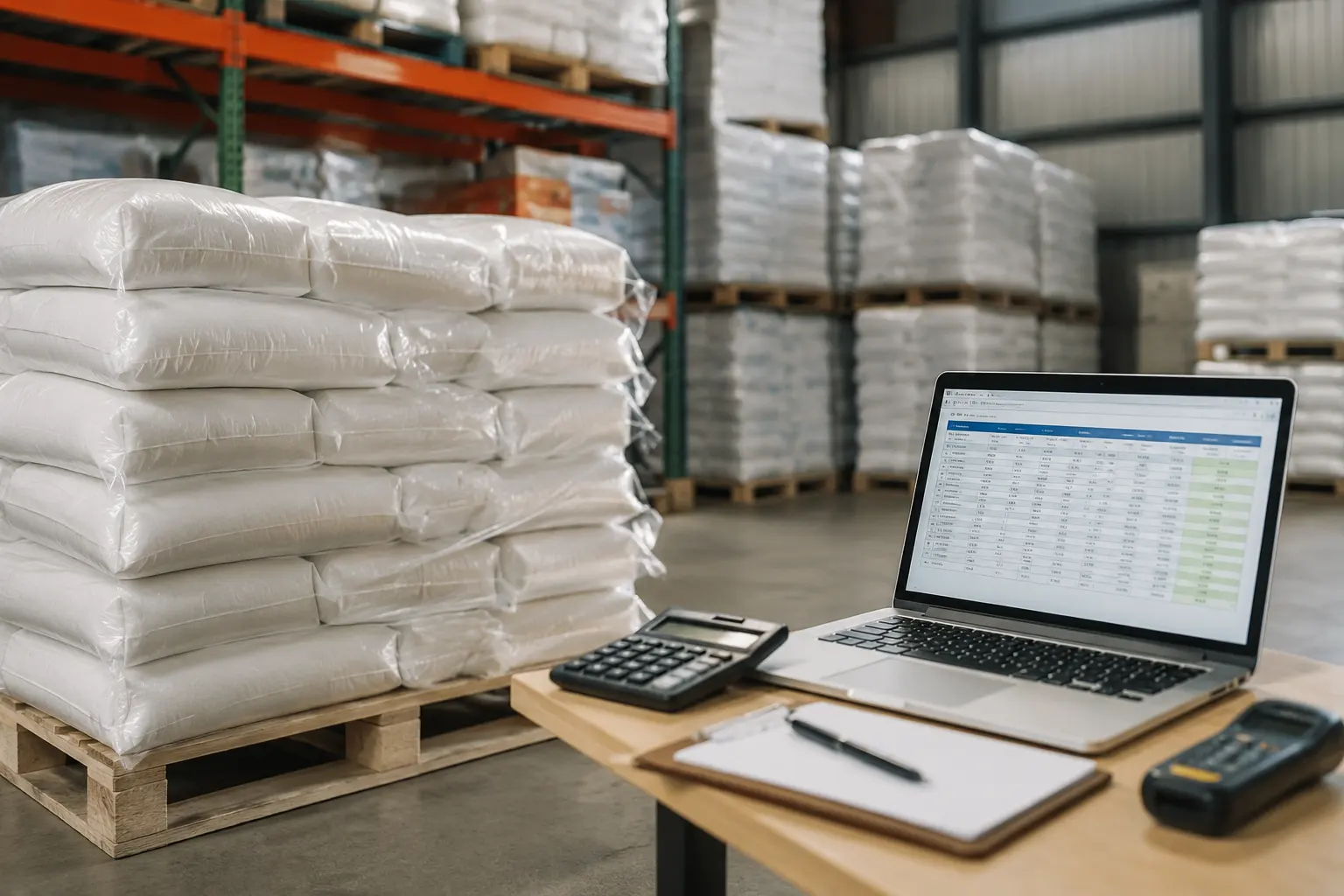
- Warehouse scene showing calcium formate bags on pallets next to a laptop with a price comparison sheet; best size 1200x800
This guide covers the market backdrop , the main cost drivers, application-specific buying points, and a few ways to get better value without cutting corners on quality.
本文看点
01
What is calcium formate?
01
INTRO
What is calcium formate?
Calcium formate is the calcium salt of formic acid . It is usually sold as a white crystalline powder or granule , and it has uses in construction, feed, and several industrial processes.
Different sectors value it for different reasons. In construction, it helps cement-based products gain early strength . In feed, it is used for its preservative and acidifying effects . In industrial formulations, it can act as a calcium source or a reactive ingredient.
Because it serves more than one market, calcium formate price can move in different ways depending on which segment is buying most heavily.
02
TRENDS
Calcium formate price trends in the current market
Recent market commentary around chemicals and building materials points to a market shaped more by supply discipline and cost pressure than by severe shortages. Prices have still moved, but not with the wild swings seen in some petrochemical products.
Construction demand remains the main support
Construction is one of the biggest uses for calcium formate, especially in dry-mix mortar, tile adhesive, grout, and special cement blends. When housing, renovation, and infrastructure work stay active, demand tends to hold up.
That means calcium formate price often follows construction sentiment. Strong project pipelines usually support firmer pricing. Slower activity can open the door to better negotiations.
Feed demand adds another layer
Feed applications can also support demand, especially in regions with steady livestock production . Feed grade calcium formate is not always priced the same as construction or industrial material because documentation, consistency, and quality checks matter more.
For buyers, a low quote does not automatically mean a good deal. A price below market may reflect weaker purity, limited paperwork, or uneven particle size.
Freight and packaging still matter
Transport costs are calmer than they were during the most disrupted periods, but freight still has a real effect on landed calcium formate price. Bag size, container availability, destination port conditions, and inland trucking all change the final cost per ton.
If you are comparing suppliers in different regions, compare delivered cost, not just the ex-works number.
Buyers are checking more carefully
Many buyers now ask for technical data sheets, COAs, and samples before placing orders. That puts more weight on supplier credibility. The lowest quote is not always the winner if the supplier cannot deliver consistent product or the right documentation.
03
FACTORS
Main factors that affect calcium formate price
Calcium formate price comes from a mix of upstream costs , plant economics , and market conditions. If you know the inputs, the quotes make a lot more sense.
Raw material costs : the biggest cost drivers are formic acid and calcium-based feedstocks. When those inputs rise, producers usually pass some of the increase on to buyers.
Energy consumption : production uses enough electricity, steam, and fuel that energy prices can change the final number in a noticeable way.
Plant scale and efficiency : large, efficient plants can usually make product more consistently and at a lower unit cost, while smaller plants may have higher overhead or less automation.
Purity and specification : price changes with assay, moisture content, insoluble matter, particle size, bulk density, and intended use.
Packaging format : common options include 25 kg bags, 500 kg or 1000 kg jumbo bags, and bulk shipments. Smaller bags usually add more packaging and handling cost.
Order volume and contract terms : larger orders often get better pricing because the supplier can run production and logistics more efficiently. Long-term contracts can also help stabilize pricing.
Regional logistics : shipping distance, customs clearance, port congestion, inland trucking, and warehouse access all affect delivered price. A supplier with a slightly higher ex-works price can still be the better option if the logistics are simpler or closer to your site.
04
APPLICATION
Calcium formate price by application
The best way to judge calcium formate price is often by use case. Different industries care about different details, and those details affect value.
Construction and dry-mix mortar
This is one of the largest volume uses. Buyers usually want stable performance , consistent particle size , and reliable supply. Because the market is competitive, price often follows the local construction cycle.
Common buyer concerns include early strength performance , compatibility with cement systems , batch to batch consistency, and moisture control in storage.
If your formulation depends on tight consistency, paying a little more can be cheaper than dealing with rejects or rework.
Feed additives
Feed grade calcium formate usually needs stronger documentation and tighter quality standards . Buyers tend to focus on traceability, microbiological control, and certification rather than only the lowest quote.
In feed markets, the cheapest option can become expensive if the paperwork is incomplete or the material misses the required standard.
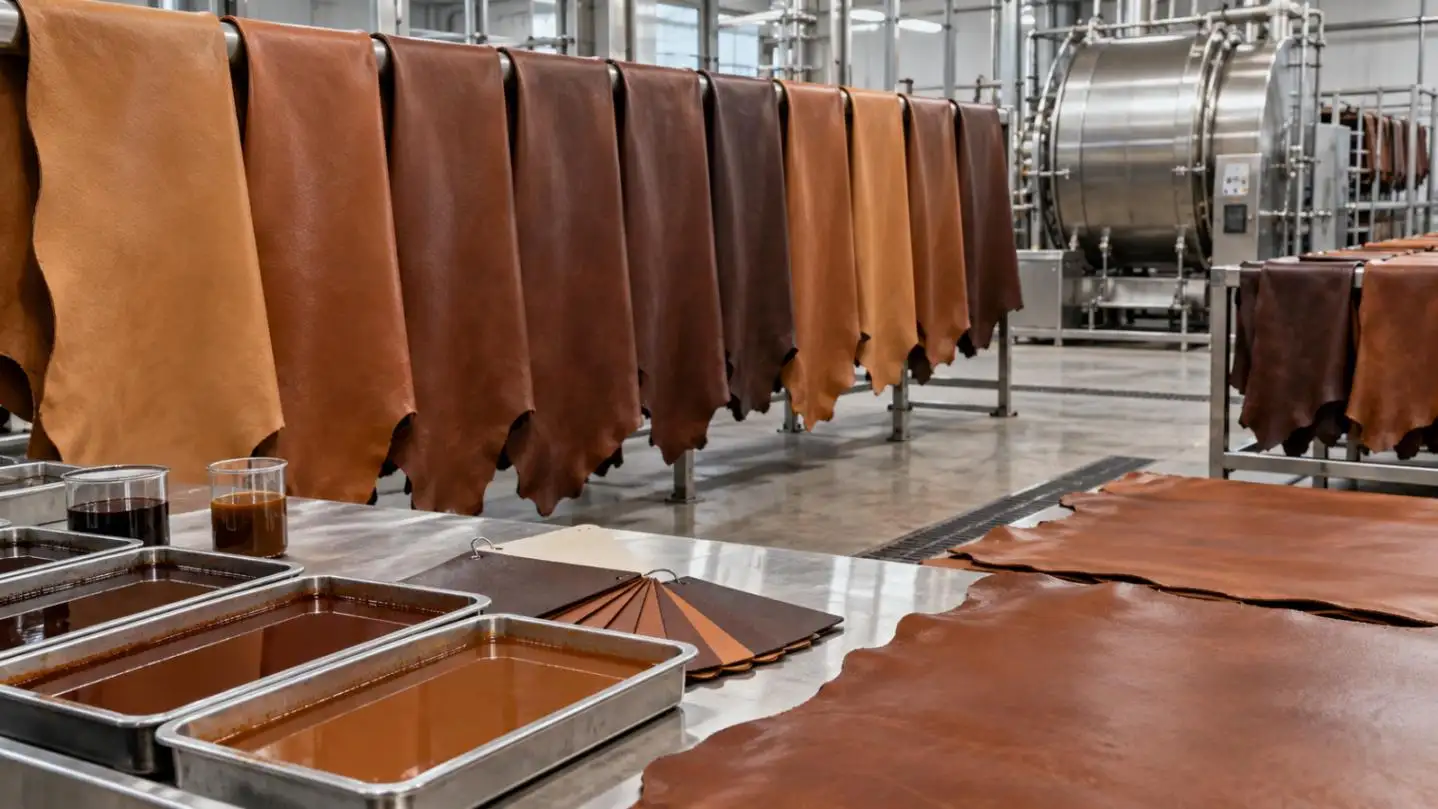
Leather and industrial applications
In leather processing and other industrial uses, buyers often care most about consistency, solubility, and impurity profile. Price still matters, but a bad batch or delayed shipment usually costs more than a small premium.
- Factory quality control lab testing calcium formate powder with bags and instruments in the background; best size 1200x800
05
QUOTE
How to read a calcium formate quote
When you get a quotation, do not look at unit price alone. A useful quote should spell out the details that change landed cost and suitability.
Ask for a full cost comparison before you decide.
Grade and specification : confirm the exact assay, moisture, and particle size.
Packaging format : check whether it is quoted in 25 kg bags, jumbo bags, or bulk.
MOQ : the minimum order quantity can change the unit number a lot.
Lead time : make sure the quoted date fits your production schedule.
Payment terms : ask whether the offer requires advance payment, deposit, or credit terms.
Incoterms : know whether it is FOB, CIF, or another delivery term.
Origin and shipping terms: freight and port handling can change the final number even if the ex-works quote looks attractive.
Documentation included : ask what comes with the order, such as TDS, COA, SDS, and origin information.
06
BUYING
Buying strategy: how to get better value
If you are sourcing calcium formate now, the best approach is to compare technical fit and commercial terms together.
Compare like for like
Make sure you are comparing the same grade, assay range, packaging, destination, and delivery terms. A cheaper quote for a different specification is not a real comparison.
Request documents early
Before you approve a supplier, ask for the technical data sheet, certificate of analysis, safety data sheet, origin details, packaging photos, and sample availability.
Look at total landed cost
A good calcium formate price strategy goes beyond the unit quote. Include freight, customs duties, insurance, port charges, inland transport, warehousing, and quality risk.
Balance spot buying and contract buying
If your demand is irregular, spot buying may be enough. If you consume regularly, a framework agreement can improve price stability and supply security.
Check supplier stability
A supplier's financial and operational health matters. Reliable producers are more likely to stay consistent when the market tightens, and that reliability can be worth as much as a small discount.
07
RISKS
Risks that can affect future calcium formate price
No chemical market stays still for long. A few factors could push calcium formate price up or down in the months ahead:
• higher raw material costs.
• energy price spikes.
• stricter environmental rules.
• shipping disruptions.
• stronger demand from construction or feed.
• maintenance outages or supply interruptions.
If infrastructure spending and manufacturing stay firm, demand can support pricing. If new capacity comes online or demand softens, prices may ease. Buyers should watch both sides of the market.
08
QUESTIONS
What buyers should ask before purchasing
These questions help protect both your budget and your process.
01 What exact calcium formate grade are you quoting?
02 Is it suitable for construction, feed, or industrial use?
03 What are the moisture level and assay range?
04 Can you provide a COA for every batch?
05 What packaging options do you offer?
06 What are the lead time and shipping terms?
07 Is the quoted price fixed or tied to raw material movement?
08 What is the minimum order quantity?
09 Can you send a sample for testing?
10 What quality issues are covered in the sales terms?
09
VALUE
Why price should not be the only decision factor
Price matters, but it should sit beside reliability, documentation, and performance. In many cases, the slightly higher quote ends up cheaper overall because it reduces downtime, rejects, or formulation changes.
For example: in construction, a consistent accelerator helps keep production steady.
In feed, proper documentation lowers compliance risk.
In industrial work, a dependable supplier helps avoid batch failures.
The best purchase is not always the cheapest one. It is the one that gives you the right product, on time, with acceptable risk.
10
CONCLUSION
Conclusion: what to expect from calcium formate price going forward
Calcium formate price is shaped by raw materials, energy, logistics, grade requirements, and end market demand. In the current market, buyers should expect pricing to stay linked to construction activity, feed demand, and supply chain conditions rather than moving in a straight line.
For procurement teams, the smartest approach is to compare landed cost, check specifications carefully, and build supplier relationships that can support steady supply over time.
If you buy calcium formate regularly, a structured sourcing process usually saves more money than chasing the lowest headline price.
11
FAQS
Frequently asked questions about calcium formate price
What is the biggest factor affecting calcium formate price?
Raw material costs are usually the biggest driver, followed by energy, packaging, freight, and quality requirements.
Why do calcium formate prices vary by grade?
Different grades have different purity, consistency, documentation, and end use requirements. Feed grade and construction grade material may not cost the same.
Is bulk calcium formate cheaper than bagged product?
Usually yes. Bulk or jumbo bag shipments often reduce packaging and handling cost, which can lower the unit price.
How can I get a more accurate quote?
Give the supplier your required grade, quantity, destination, packaging preference, and delivery term so the quote reflects your actual landed cost.
Should I choose the lowest price supplier?
Not automatically. The better option is the supplier that gives you the right specification, stable quality, reliable delivery, and competitive total cost.