



Multi-Grade Formic Acid Supplier: Flexible Sourcing for Modern Industrial Workflows
By vanchor
2026-07-08Related Posts
Custom Packaging Solutions from an Anhydrous Sodium Acetate Supplier in China
2026-09-23
Application Trends in Anhydrous Sodium Acetate for Special Chemical Manufacturing
2026-09-23
Anhydrous Sodium Acetate for Leather Tanning: Improve Dyeing Uniformity
2026-09-22
Formic Acid 85% for Textile Dyeing: Industrial Applications, Technical Benefits and Future Trends
2026-09-22
Manufacturers that prioritize the optimization of cost, compliance, and efficiency will benefit from selecting a supplier of formic acid that offers a variety of concentration grades. Increased specialization of industrial applications subsequently impacts the preferences of procurement teams. In this regard, procurement teams are looking for suppliers who will offer grades of formic acid at concentrations of 85%, 90%, 94%, 99% and even higher, while also maintaining the same quality and logistics.
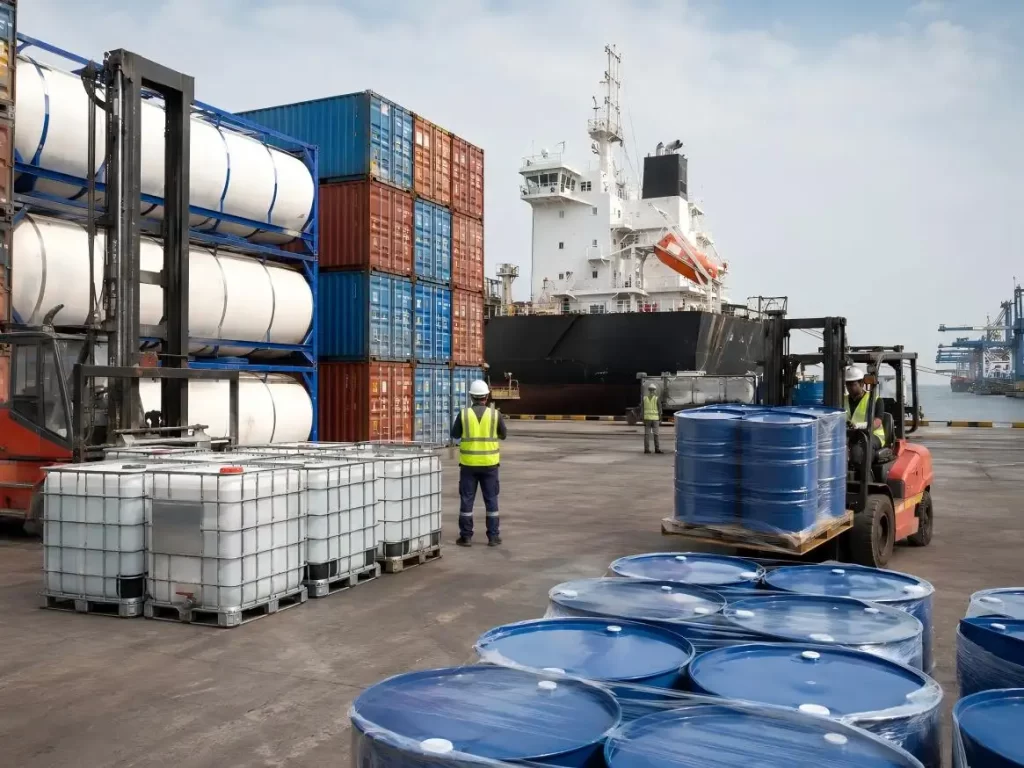
This article outlines the importance of multi-grade supply, the benefit of manufacturing integrated suppliers, and the technical and compliance aspects that should be considered by buyers in a global supply chain context.
Why Multi-Grade Supply is Becoming Critical
Most industrial users do not process formic acid at a single concentration throughout their supply chain. Each process step may comprise different concentrations that provide varying handling characteristics. A few examples of different formic acid concentrations used in industrial processes are:
•Leather processing: 85% for pickling and regulation of process pH
•Textile auxiliaries: 85–90% for control of the dye bath and stability of the finish
•Rubber coagulation: 85–94% based on the efficiency target of the process
•Chemical synthesis: 94–99% for the production of formates and for the intermediate reactions
•Industrial cleaning product formulations: 90–94% for the performance of the acid
The fragmentation of the supply chain caused by the use of multiple suppliers is most evident in the logistics and documentation quality.
Key advantages of multi-grade sourcing:
1. Simplified procurement structure
A single supplier reduces administrative overhead, consolidates purchasing cycles, and improves lead-time predictability.
2. Cohesive Quality Documentation Systems
The CoA and SDS documents standardize formats and testing, and improve traceability for grade derivation from an integrated production system. The uniformity these documents provide helps integrate digital systems of procurement and compliance.
3. Operational Adaptability
Buyers can alter concentration levels at no additional cost of qualifying new suppliers. This helps to minimize the cost of changing and interrupting the supply process.
Market Context: Adaptable Chemical Supply
According to Grand View Research, formic acid demand is increasing in the leather, rubber, feed for livestock and pets, and cleaning chemicals industries. There is a strong preference in the market for suppliers who have the capability to supply multiple applications from a single source.
Multi-Grade Supply Model from a Manufacturing Perspective
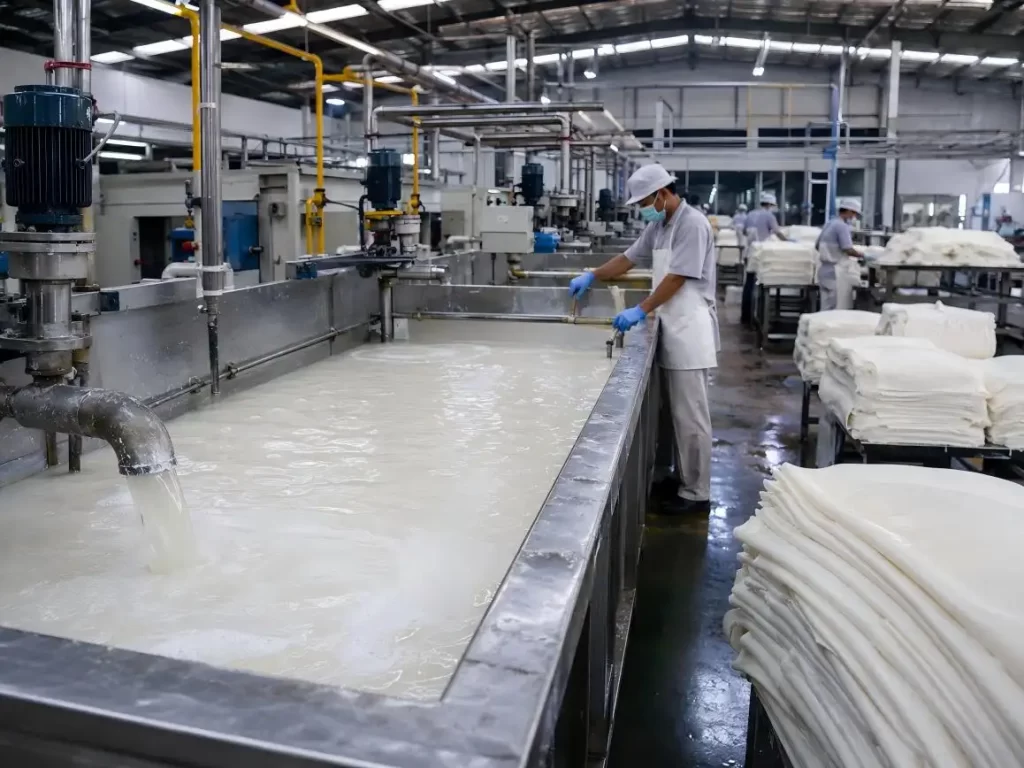
Vanchor is a manufacturing-integrated supplier. Within one production system, it is possible to undertake the synthesis, quality control, and packaging of products. This integration provides an opportunity for stable production across a range of grades.
Standard Industrial Grades Offered:
| Grade | Concentration | Typical Applications | Packaging Options |
| 85% Formic Acid | ≥85% | Leather pickling, textile processing, rubber, silage, and pH adjustment | 25kg / 35kg / 250kg / 1200kg / ISO tank |
| 90% Formic Acid | ≥90% | Latex, coagulation, and various industrial applications | 25kg / 35kg / 250kg / 1200kg / ISO tank |
| 94% Formic Acid | ≥94% | Chemical synthesis and high efficiency cleaning systems | 25kg / 35kg / 250kg / 1200kg / ISO tank |
| 99% Formic Acid | ≥99% | Specialty synthesis and high purity systems | 25kg / 35kg / 250kg / 1200kg / ISO tank |
Advantage of Document Consistency
Since all grades are produced under the same quality management system, the buyers receive uniform:
•Certificate of Analysis
•Safety Data Sheet
•Batch traceability records
This is especially important for buyers who have automated procurement or compliance check systems.
What Defines a Strong Supplier in 2026
Chemical procurement is becoming more data-centric and suppliers are evaluated on more than just price. Suppliers are evaluated on the quality of their documentation, the reliability of their logistics, and their environmental compliance.
A supplier of multi-grade formic acid has a competitive edge by providing:
1. Logistics
Reliability and rapidity of shipments are guaranteed when warehouses are strategically placed at main ports.
2. Flexible Industrial Packaging
The supplier should offer a variety of packaging that should include drums, IBCs, and ISO tanks and should align with the buyer's operational needs.
3. Environmental and Safety Systems
The supplier should have environmental and safety systems with certifications of ISO 14001 and ISO 45001.
4. Technical Support
Suppliers should offer support for the transportation, storage, and dilution for all grades, and not just for one tier of their product range.
Selecting the Right Concentration for Your Process
Selecting a concentration of formic acid (85%, 90%, 94%, or 99%) will depend on the following:
•Desired reaction intensity
•Water tolerance in the system
•Handling and safety requirements
•Transportation and storage constraints
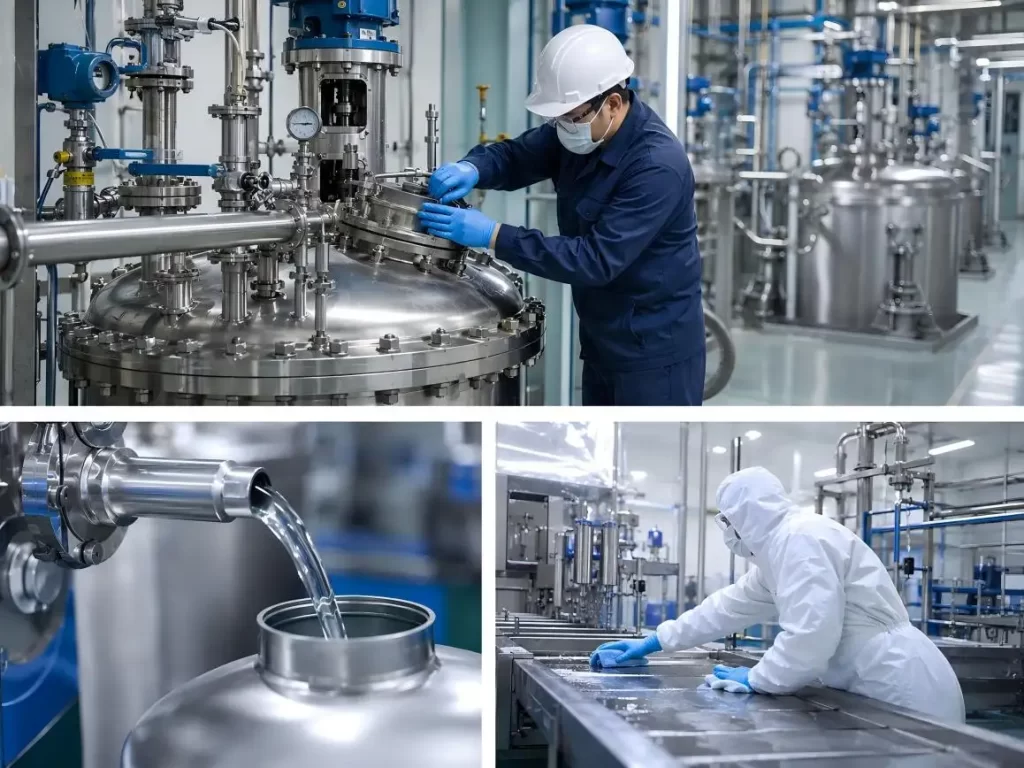
Some general guidelines are as follows:
•85%: The formic acid concentration that is the easiest to handle and the used most often for leather production and for use in agriculture
•90%: Assists in handling while providing a stronger solution
•94%: The preferred concentration for industrial applications to reduce the volume of solution required
•99%: Preferred concentration for applications that require a concentration as close to 100% as possible to reduce the presence of water
Having a supplier that can provide all four grades allows for the fine tuning of the formic acid concentration that is required for a specific application.
Considerations for Global Logistics and Compliance
Despite its low corrosivity and toxicity, Formic Acid is classified as a transport regulated chemical and the transport requirements will vary depending on the concentration and destination regulations. Generally, the regulations for the transport of dangerous goods will require greater packaging, labeling, and documentation for higher concentration levels.
An experienced exporter will ensure:
•Proper UN classifications and labels have been applied
•Packaging is approved for the concentration level
•Shipping documentation is prepared for compliance
•Freight forwarder and customs agent coordination
Vanchor is able to offer logistics services to over 60 countries with established shipping networks and clears documentation based on the destination regulations which reduces transit time due to customs clearance delays.
Final Words
As a multi-grade formic acid supplier, Vanchor is a concentration level consolidator. Buyers benefit from:
•Simpler procurement process
•Higher quality and more consistent documentation
•Greater flexibility in operations
•Less fragmented supply chains
Vanchor's model is a solid and practical foundation for sourcing chemicals in a data-focused and heavily regulated global market.
For buyers selecting a concentration for their needs, Vanchor is a supplier that is backed by a manufacturing support system and will offer stable supply and the flexibility of changing concentrations.
FAQ
Q1: Which grades of formic acid are supplied?
The industrial grades most commonly supplied are 85%, 90%, 94% and 99% formic acid.
Q2: Why do industries use different concentrations?
Different concentrations of formic acid are required in relation to the needs of different processes.
Q3: Is 85% formic acid less problematic than the higher grades?
Yes, generally lower grades of formic acid are less problematic and easier to control.
Q4: What is the purpose of 99% formic acid?
It is used in the synthesis of high-purity chemicals and in industrial processes that require the use of low-water content.
Q5: Can one supplier supply multiple grades?
Yes, many manufacturing-based suppliers are able to supply multi-grade production systems.


Contact Us
Related Posts
Custom Packaging Solutions from an Anhydrous Sodium Acetate Supplier in China
2026-09-23
Application Trends in Anhydrous Sodium Acetate for Special Chemical Manufacturing
2026-09-23
Anhydrous Sodium Acetate for Leather Tanning: Improve Dyeing Uniformity
2026-09-22
Formic Acid 85% for Textile Dyeing: Industrial Applications, Technical Benefits and Future Trends
2026-09-22


