


How to Choose a Reliable 2-Ethylhexanol (2-EH) Supplier in China: Quality, Packaging and Shipping
By Vanchorsc
2026-10-22Related Posts
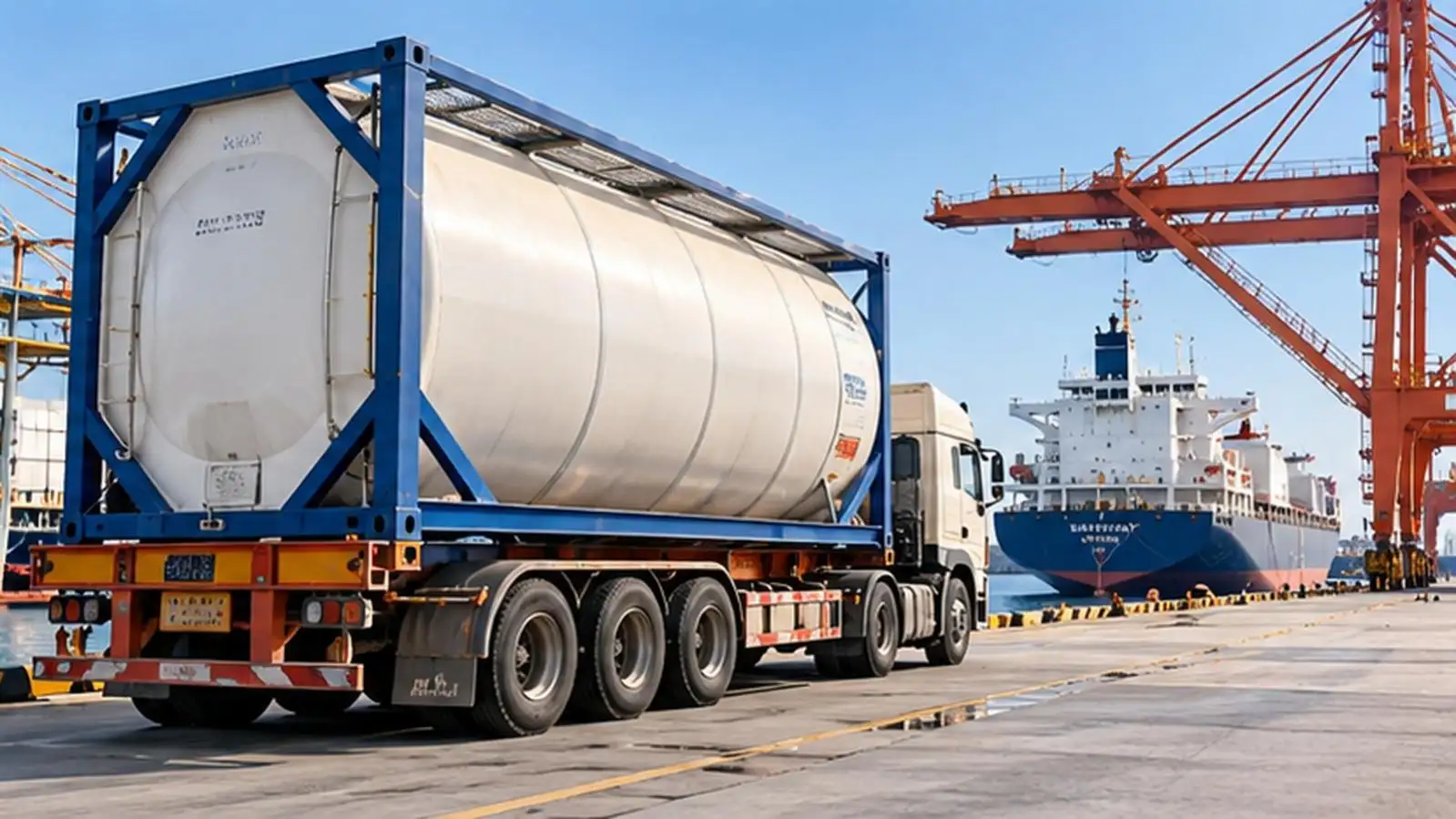
How to Choose a Reliable 2-Ethylhexanol (2-EH) Supplier in China: Quality, Packaging and Shipping
2026-10-22
Natural vs Synthetic Sodium Sulfate Anhydrous: Which Is Better for Industrial Applications?
2026-10-22
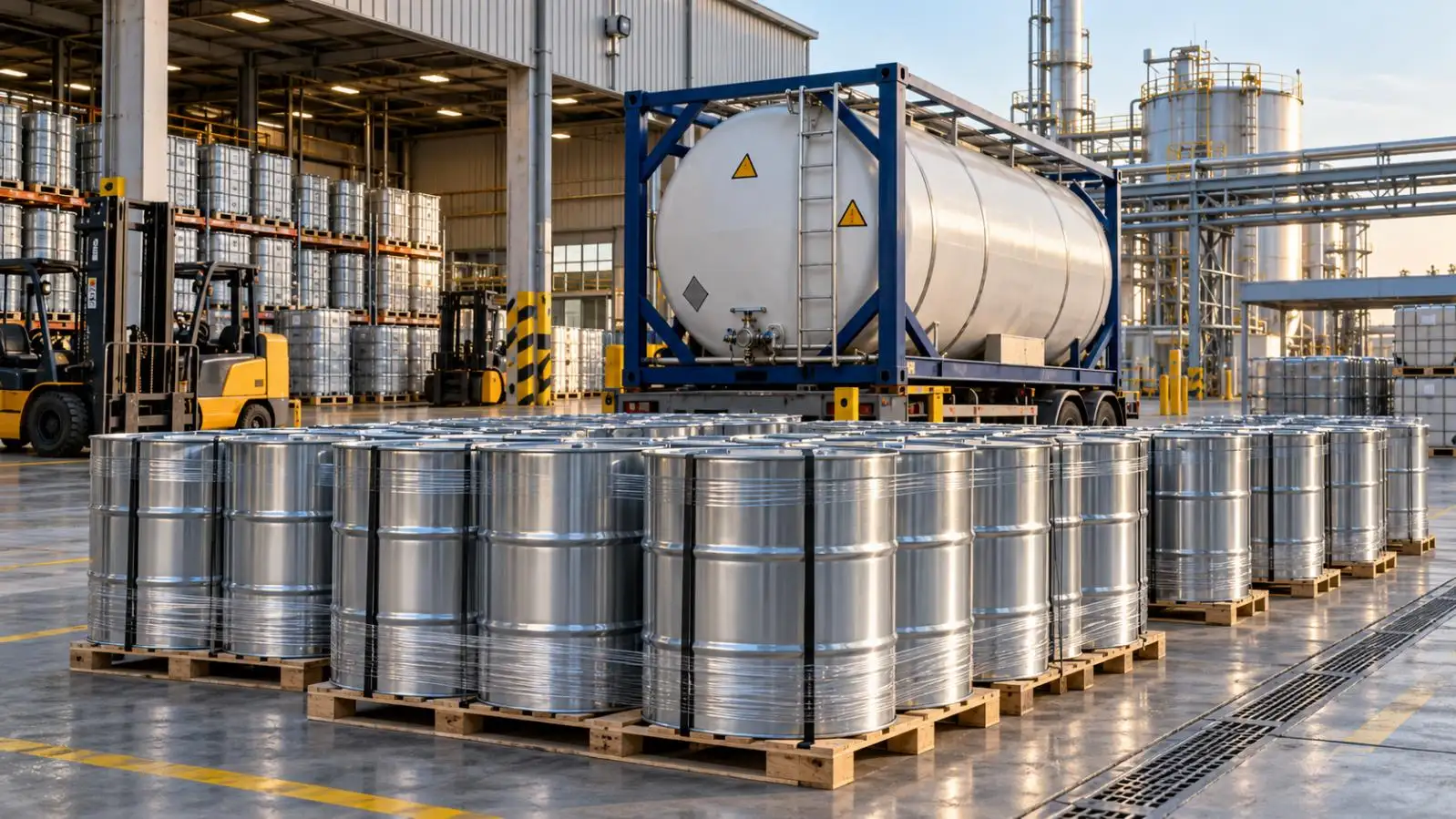
Isobutanol 99.3% Price and Supply in 2026: A Guide for Chemical Importers
2026-10-22
Sodium Sulfate Anhydrous 99% for Detergent Manufacturing: Benefits, Specifications and Bulk Supply
2026-10-22
A shipment of 2-ethylhexanol may pass a 99.5% purity specification, but cause issues during the production of plasticizers. In esterification, excess water increases the dehydration load and residual chemicals can affect color control. Residual substances in transport tanks can spoil an otherwise acceptable batch.
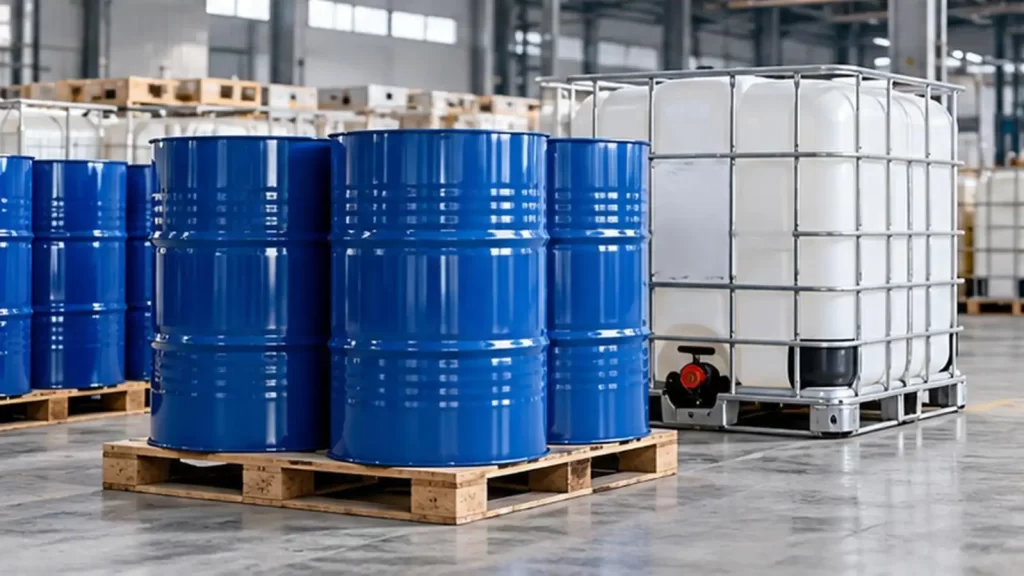
When evaluating a 2-Ethylhexanol supplier in China, the question is, will the material remain within specification from its point of origin to the delivery point?
At Vanchor, we produce industrial grade 2-EH with a minimum purity of 99.5%. Assay is not the sole determinant of material's utility for a given process. Other considerations in purchasing specifications should be the limits on impurities, analytical methods, packing and transport conditions, and the traceability of shipments.
1. What Quality Parameters Beyond 99.5% Purity Are Important?
2-Ethylhexanol (CAS 104-76-7) is used in the manufacturing of plasticizer esters DOP and DOTP. The equimolar reaction, in the presence of a strong base, requires that water be removed and that downstream purification be complete to produce a product of the desired purity.
This specification describes the procedure for determining the level of assay, acidity, water, color, carbonyls, and alcohols in ester plasticizers.
In regard to qualification, we will be looking at the following parameters:
• Water: Water cannot be ignored for a process approaching equilibrium. It will impact esterification and consequently affect conversion.
• Acidity: Increased acidity can be attributed to oxidation. From a quality point of view it can affect neutralization.
• Carbonyls: For ester plasticizers, when color is of concern, particular attention should be given to impurities of 2-ethylhexanal.
• Alcohols: When alcohols present in an ester are not completely consumed, related esters can be formed, which will change the composition of the final ester plasticizer.
Pt-Co color is used for a preliminary screen for discoloration, but a low color reading does not indicate purity.
Vanchor Chemical Company publishes a minimum assay of 2-EH at 99.5%. Specific limits for other parameters (i.e. acidity, carbonyls, and color) should be confirmed against the current product specification and the buyer's application.
2. How Can Buyers Verify Batch Consistency and Analytical Accuracy?
A purity specification defines an acceptance threshold. It does not, by itself, demonstrate manufacturing precision or batch-to-batch consistency.
ASTM D5008-22 describes gas chromatographic determination of 2-ethylhexanol purity and ethyl methyl pentanol content. The method requires separate water and acidity measurements to calculate the purity value. Consequently, a GC chromatogram reporting 99.5% area normalization is not automatically equivalent to a fully corrected purity result.
When assessing a commercial shipment, buyers should review three essential parts of a COA.
First, do the actual results section and report measured values. If the section merely restates specification limits, there may be questions on the competency of the analysis.
Second, what analytical methods and standards were employed in the analysis? For 2-EH, GC conditions, as well as analytical methods for moisture and acidity, should be identifiable.
Finally, are the lot numbers on the COA linked to the containers/bulk shipment?
Vanchor's company-wide quality control procedures include: incoming inspection, in process and/or final inspection, and retention of shipment samples for a minimum of 3 months.
These quality control procedures provide a basis to assess suppliers. When assessing a purchase of 2-EH, buyers should review the production site, sample and lot specific results.
When considering a first-time bulk purchase, disagreements on the quality of the shipment are unavoidable. Independent, pre-shipment analyses, and an agreed-upon sealed-sample procedure, would help alleviate these disputes.
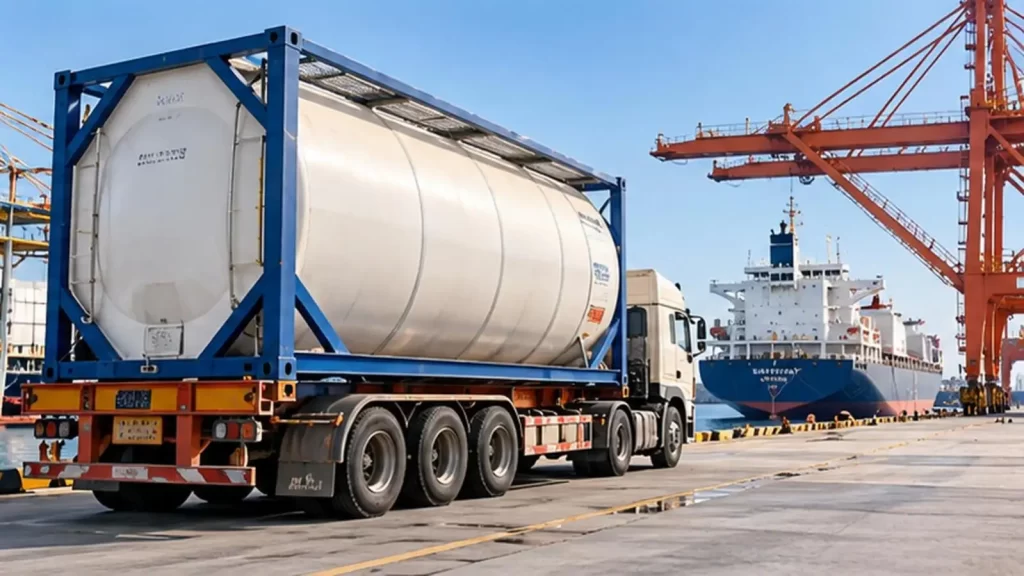
3. What is the Best Method of Packaging 2-Ethylhexanol?
Economics and available unloading infrastructure contribute to packaging decisions, in addition to the risks related to contamination.
Vanchor offers 170 kg iron drums, 850 kg IBC's, and ISO Tanks, and liquid bulk vessels.
| Packaging | Operational Advantage | Main Verification Point |
| 170 kg iron drums | Dispensing flexibility and smaller lot sizes | Inner coating/surface condition, closures, leakage |
| 850 kg IBCs | Less handling units than drums | Wetted materials, valves and gaskets |
| ISO tanks | Designed for regular containerized bulk shipments | Prior cargo, tank cleanliness and dryness, seal records |
| Liquid bulk vessels | Designed for bulk shipments | Cargo tank suitability, terminal piping, transfer history |
Iron drums can be a good choice for initial qualification orders; however, each drum introduces a potential leak or contamination source.
ISO-tank shipments involve tank cleaning, and certificates for cleaning are often relied upon. Residual water, incompatible prior cargo, or cleaning agents can affect the quality of 2-EH even if the product meets the COA.
Buyers need to ensure that the receiving equipment (and the tank, hoses and pumps) are clean, dry and compatible with the chemical. For IBCs, container type alone is not sufficient to determine material compatibility; the wetted materials need to be evaluated.
4. What Shipping Conditions Can Affect Product Integrity?
2-EH has a relatively low volatility and a flash point which is reported to be above 70° C, depending on the method of test and the source. It should be treated as an organic liquid with ignition source control and spill precautions.
Pure 2-EH is generally not classified as dangerous goods under the IMDG Code, according to published transport references. However, classification must be checked against the shipment-specific SDS and applicable regulations. Marine carriage in bulk can also involve separate requirements under MARPOL Annex II and the IBC Code.
From a quality perspective, shipping failures are more likely to arise from handling and contamination than from ordinary ambient-temperature exposure.
Three controls are especially useful:
• Loading Inspection: Verify conditions of the tank, loading line, batch ID, and seal numbers.
• Documentation: Ensure the records of analysis (COAs) match the associated Shipment Documents: SDS, Packing List, Commercial Invoice and Cargo Information.
• Receiving Inspection: Check seals and visible condition, and obtain samples prior to transfer to common storage.
Sampling before commingling is helpful. Once an off-specification shipment enters a storage tank in a facility, determining responsibility may become very difficult.
5. How Should Buyers Compare Chinese 2-EH Suppliers?
A low FOB price can be negatively impacted if the chosen packaging requires additional services of handling, cleaning and/or disposal. Bulk shipments may minimize the cost of packaging, but may increase the cost of tank rental and terminal charges and introduce demurrage and more onerous unloading requirements.
Therefore, when making a supplier comparison, the landed cost of the accepted metric ton should be taken into consideration which includes the cost of freight, insurance, handling, inspection, and possible off-specification losses.
A technically defensible quote should include the place of origin, committed quantity, terms of delivery, the analytical acceptance criteria, and a mechanism for the resolution of disputes.
At Vanchor, our 2-EH offer covers 99.5% minimum-purity, industrial grade, and several packaging formats. Interested customers can review our 2-Ethylhexanol (2-EH) product information and contact us for applicable batch documentation, packaging availability and a shipment quote.
FAQs
Q1. What Purity of 2-Ethylhexanol Does Vanchor Supply?
Vanchor supplies industrial-grade 2-ethylhexanol (CAS 104-76-7) with a published minimum purity of 99.5%. Batch-specific results should be verified against the COA.
Q2. Is Vanchor's 2-EH Suitable for Plasticizer Production?
Our 2-EH is intended for industrial applications, including DOP and DOTP production. Buyers should confirm water, acidity, carbonyl content, and other process-specific limits before use.
Q3. How Does Vanchor Control 2-EH Quality?
Vanchor's published quality system covers raw-material inspection, process monitoring, equipment calibration, and finished-product testing. Product-specific procedures should be confirmed for each supply arrangement.
Q4. Can Buyers Request a Batch-Specific COA?
Buyers should request a lot-specific COA showing actual analytical results, test methods, and batch identification. Documentation requirements should be agreed upon before shipment.
Q5. What 2-EH Packaging Options Does Vanchor Offer?
Vanchor lists 170 kg iron drums, 850 kg IBCs, ISO tanks, and liquid bulk vessel options. Final availability depends on order volume and shipping arrangements.
Share on Social:


Contact Us
In This Article
Related Posts
How to Choose a Reliable 2-Ethylhexanol (2-EH) Supplier in China: Quality, Packaging and Shipping
2026-10-22
Natural vs Synthetic Sodium Sulfate Anhydrous: Which Is Better for Industrial Applications?
2026-10-22
Isobutanol 99.3% Price and Supply in 2026: A Guide for Chemical Importers
2026-10-22
Sodium Sulfate Anhydrous 99% for Detergent Manufacturing: Benefits, Specifications and Bulk Supply
2026-10-22


