


Natural vs Synthetic Sodium Sulfate Anhydrous: Which Is Better for Industrial Applications?
By Vanchorsc
2026-10-22Related Posts

How to Choose a Reliable 2-Ethylhexanol (2-EH) Supplier in China: Quality, Packaging and Shipping
2026-10-22
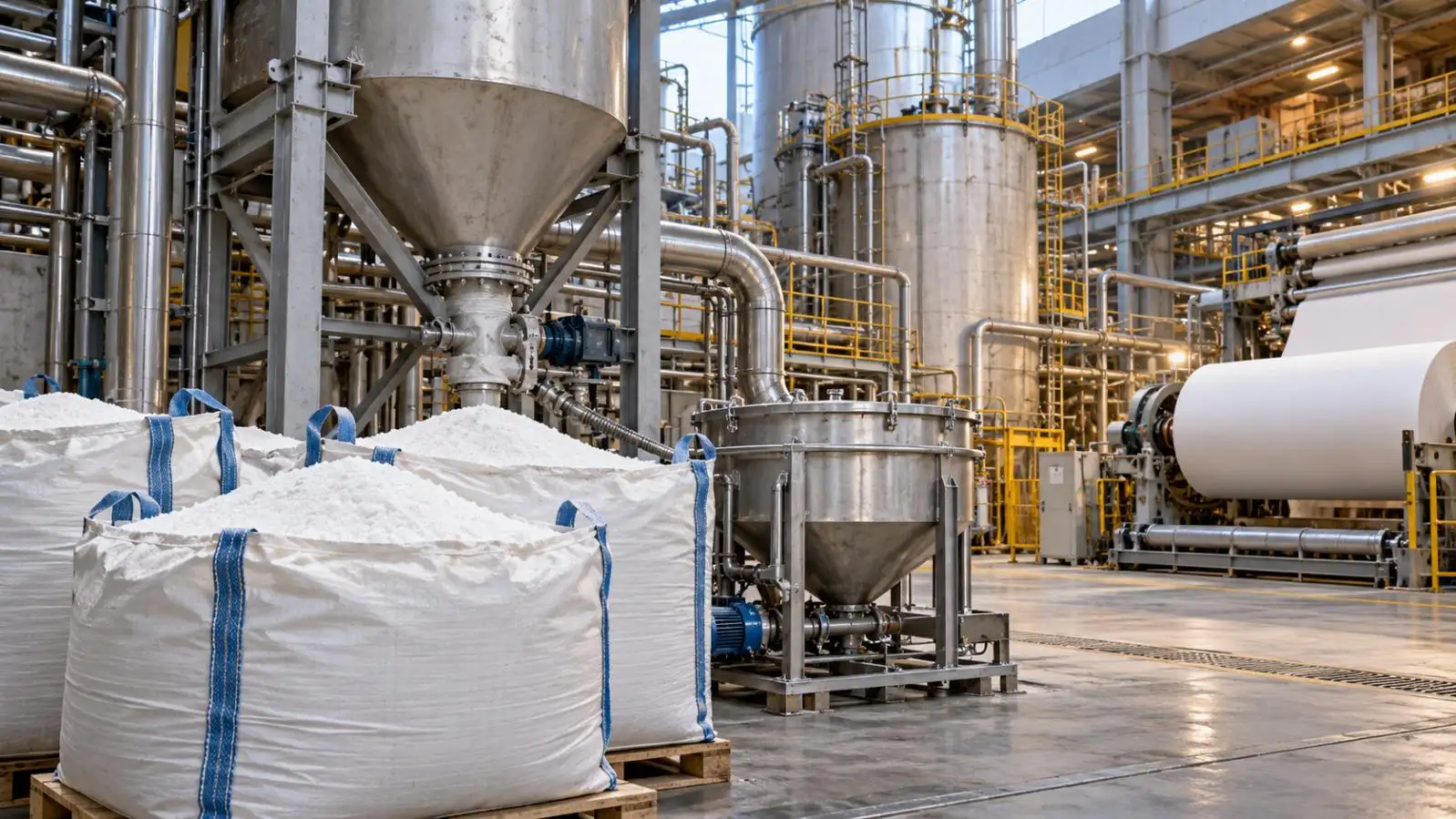
Natural vs Synthetic Sodium Sulfate Anhydrous: Which Is Better for Industrial Applications?
2026-10-22
Isobutanol 99.3% Price and Supply in 2026: A Guide for Chemical Importers
2026-10-22
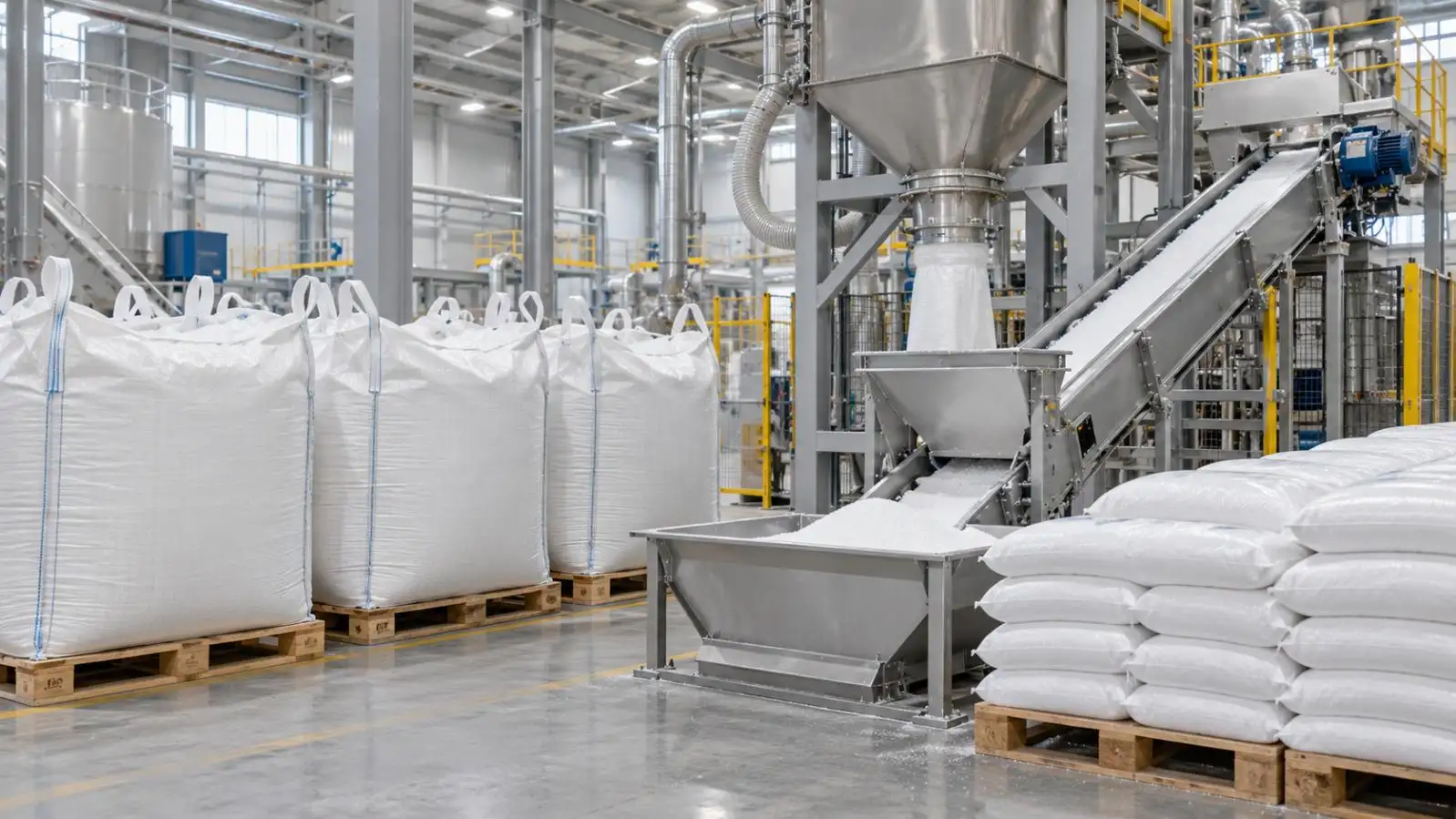
Sodium Sulfate Anhydrous 99% for Detergent Manufacturing: Benefits, Specifications and Bulk Supply
2026-10-22
A detergent manufacturer changes sodium sulfate suppliers, selecting a cheaper alternative. The new supplier's sodium sulfate has the same 99% purity, but inconsistent powder discharge and hard lumps after storage is observed. It could be that differences in crystal size, and the level of residual moisture and/or particle handling differences lead to these problems, even though both shipments appear to meet the stated requirement.
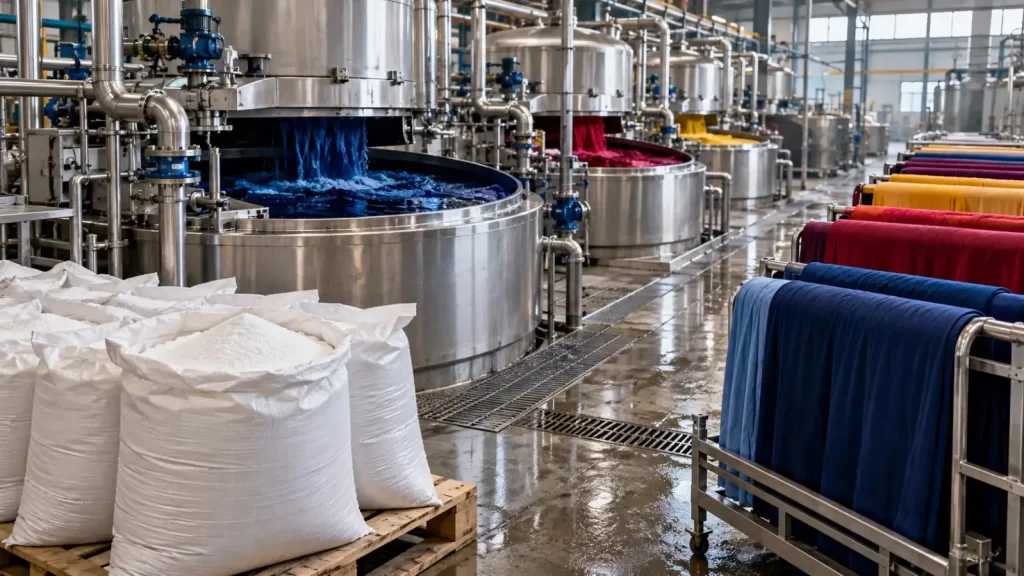
This is the "real world" situation regarding Natural and Synthetic Sodium Sulfate Anhydrous. Both contain Na₂SO₄ and therefore have the same chemistry, but the production routes create differing levels of impurities. Taking into account purity levels and prices isn't the only consideration when comparing the two.
How Do Production Routes Affect Sodium Sulfate Quality?
Sodium sulfate occurs naturally in several minerals and brine deposits, and is produced synthetically. The naturally-occurring sodium sulfates are thenardite and mirabilite. Processing of natural sodium sulfates may involve, for example, dissolving, selective crystallization, and drying.
The final impurity profile depends on the ore deposit. Concerns may include chlorides, calcium, magnesium, and insoluble mineral residues. Effective refining can help lower these impurities, but their levels must be defined by testing.
A common method to chemically manufacture sodium sulfate is the Mannheim process:
2NaCl + H₂SO₄ → Na₂SO₄ + 2HCl
In other processes, sodium sulfate is produced as a by-product. Synthetic sodium sulfate may require treatment to remove chloride or other contaminants to meet the specification for use.
It is expected that well-refined natural sodium sulfate can outperform poorly purified synthetic sodium sulfate; however, appropriately processed and purified synthetic sodium sulfate can satisfy stringent industrial requirements.
The ultimate goal of a producer is the removal of the highest level of impurities from the final product regardless of the ore deposit.
Where Do Natural and Synthetic Grades Perform Differently?
A purity difference that appears insignificant on a Certificate of Analysis (COA) can become relevant when the material enters a continuous industrial process.
| Application | Critical Quality Factors | Potential Production Problems |
| Detergent manufacturing | Moisture, particle size, bulk density | Caking, powder segregation, irregular feeding |
| Glass manufacturing | Iron, chloride, sulfate content | Color variation, fining defects, furnace deposits |
| Textile dyeing | Hardness ions, insoluble matter, chloride | Precipitation, deposits, inconsistent dyeing |
| Kraft pulp production | Chloride, potassium, sulfur balance | Non-process element buildup, corrosion risks |
Detergent Manufacturing: Physical Consistency Matters
Sodium sulfate is commonly used as a filler in many powdered detergent formulations. Although assay is important, in this case, the physical characteristics of the product, like size, affect blending and packaging.
If powder is too fine, sodium sulfate can become segregated from the other ingredients. Sodium sulfate can also absorb moisture and clump together. Bulk density can also affect the free flowing property of sodium sulfate.
Therefore, particle size, moisture content and purity of sodium sulfate can impact the performance of detergent formulation and hence need to be controlled within specified limits.
Glass Manufacturing: Impurities Affect Melt Chemistry
Sodium sulfate is also fining additive in glass formulation. During fining process, the sulfate undergoes a series of reactions and evolutions that create an inert atmosphere and aid in removal of bubbles from the glass melt.
Fining effectiveness depends on a number of factors including temperature, melt conditions and the chemistry of the batch. Iron, for example, can change the color of the glass, while chlorides can effect the way gases behave and deposits form.
A lower natural grade of iron ore may be preferred to a synthetic grade with metallic impurities. Likewise, a high-purity natural grade may be preferred to a synthetic grade with impurities. Furnace trials and impurity analysis are better evaluation criteria than the source of the raw material.
Textile Processing: Dissolved Impurities Deserve Attention
When cellulosic fibers are reactive dyed, sodium sulfate is added to increase the ionic strength of the dyebath. This reduces the electrostatic repulsion between the fiber and the dye, and facilitates the dyeing process.
Contaminations or interferences with other chemicals in the bath may result in the precipitation of calcium and magnesium ions, and/or particulate impurities, in the dyebath. Particulate impurities may lead to localized deposition in the bath.
Purchasers should be aware that dissolved impurities may affect the performance of the dyebath, and assume that sodium sulfate is free from dissolved impurities.
What Do Vanchor's Specifications Establish?
At Vanchor, the presence of measurable chemical parameters is the basis for starting negotiations for sodium sulfate procurement.
Our Sodium Sulfate Anhydrous specifications include:
| Parameter | Vanchor Specification |
| Na₂SO₄ purity | ≥99% |
| Moisture | ≤0.2% |
| CAS number | 7757-82-6 |
| Referenced standard | GB/T 6009-2014 |
| Physical form | White crystalline powder or granules |
The limits of purity and moisture do not reflect the process controls or the capability of the manufacturing process to achieve and/or hold the specified limits.
Quality control procedures at Vanchor comprise inspection of raw materials, in-process and finished product inspection as well as sample retention.
Stated product limitations do not reflect the production process or production routes. These must be specified on a case-by-case basis.
How Should Industrial Buyers Qualify Each Grade?
Routine qualification would start with contaminants and physical characteristics that could impact the process. Verification typically falls into the chemical and physical categories.
Chemical Verification
What is the reporting basis for assay of Na₂SO₄? Is it reported on a dry or as-received basis? Is a solvent (water) of analysis taken into account?
Chemical tests may vary for a given application. For example, for some applications a determination of chloride may be necessary; for others, a determination of iron, calcium, and magnesium may be necessary. For some applications, a determination of water-insoluble matter may be necessary; for others, a determination of moisture may be necessary.
Physical Verification
The particle-size distribution of the product may be affected by the method of analysis. For a powder, does it flow well? Is it cohesive and does it cake? For some products, a variability in processing may affect the products, e.g., fine silica may affect product shade in textile processing.
In some cases, a chemical Certificate of Analysis (COA) may not provide assurance of product performance.
Production Trials
Representative lots should be tested to examine product performance under controlled operating conditions. For detergent manufacturers, product feeding stability and product segregation may be evaluated. For glass container producers, a fining study may be performed. Variability in the performance of the product may be revealed by repeating a test of lots of product.
Is Natural or Synthetic Sodium Sulfate More Cost-Effective?
Natural sodium sulfate can be less expensive to produce near mineral deposits. The same may be true for synthetic sodium sulfate if chemical production is integrated. Purification and waste management may cancel out any advantage from integration.
The key purchasing metric should be delivered cost per tonne of pure Na₂SO₄, adjusted for transport, handling and other process-related losses and rejects.
Environmental impact is also dependent on the route of production and the boundaries of the assessment. Natural production may require mining or brine processing. Synthetic sodium sulfate may be produced as a byproduct of other chemicals and, therefore, may share the environmental impacts of those other products. Neither natural nor synthetic sodium sulfate can be consider more sustainable without life cycle analysis.
Select the grade of sodium sulfate which most satisfactorily meets the impurity and handling specifications, at minimum total cost, regardless of origin, when required for industrial applications.
Contact Vanchor to discuss your sodium sulfate specifications, COA, packaging and transportation needs for further evaluation of grades or bulk purchasing.
FAQs
Q1. What Is the Difference Between Natural and Synthetic Sodium Sulfate Anhydrous?
Both are Na₂SO₄ (CAS 7757-82-6). Natural grades come from mineral deposits or brines, while synthetic grades originate from chemical processes. Their main differences involve potential impurities, refining requirements, and production costs.
Q2. Does Vanchor Supply Natural or Synthetic Sodium Sulfate Anhydrous?
Vanchor offers industrial-grade sodium sulfate anhydrous with ≥99% purity. Its published product specifications do not identify the production origin. Buyers should confirm natural or synthetic sourcing with Vanchor before ordering.
Q3. What Purity Does Vanchor's Sodium Sulfate Anhydrous Offer?
Vanchor specifies a minimum Na₂SO₄ purity of 99% and moisture content of ≤0.2%, referencing GB/T 6009-2014. Application-specific impurity limits require additional confirmation.
Q4. Is Natural Sodium Sulfate Better for Detergent Manufacturing?
Not necessarily. Both sources can be suitable. Detergent manufacturers should prioritize moisture control, particle-size distribution, bulk density, and powder flow consistency over production origin.
Q5. Can Vanchor's Sodium Sulfate Be Used in Glass Manufacturing?
Vanchor lists glass manufacturing as an application. Buyers should verify iron, chloride, and other relevant impurities and conduct furnace trials before approving the grade for a specific glass formulation.


Contact Us
In This Article
Related Posts
How to Choose a Reliable 2-Ethylhexanol (2-EH) Supplier in China: Quality, Packaging and Shipping
2026-10-22
Natural vs Synthetic Sodium Sulfate Anhydrous: Which Is Better for Industrial Applications?
2026-10-22
Isobutanol 99.3% Price and Supply in 2026: A Guide for Chemical Importers
2026-10-22
Sodium Sulfate Anhydrous 99% for Detergent Manufacturing: Benefits, Specifications and Bulk Supply
2026-10-22


