



Chemical Procurement From China: A Practical Buyer’s Guide
By vanchor
2026-04-29
Related Posts
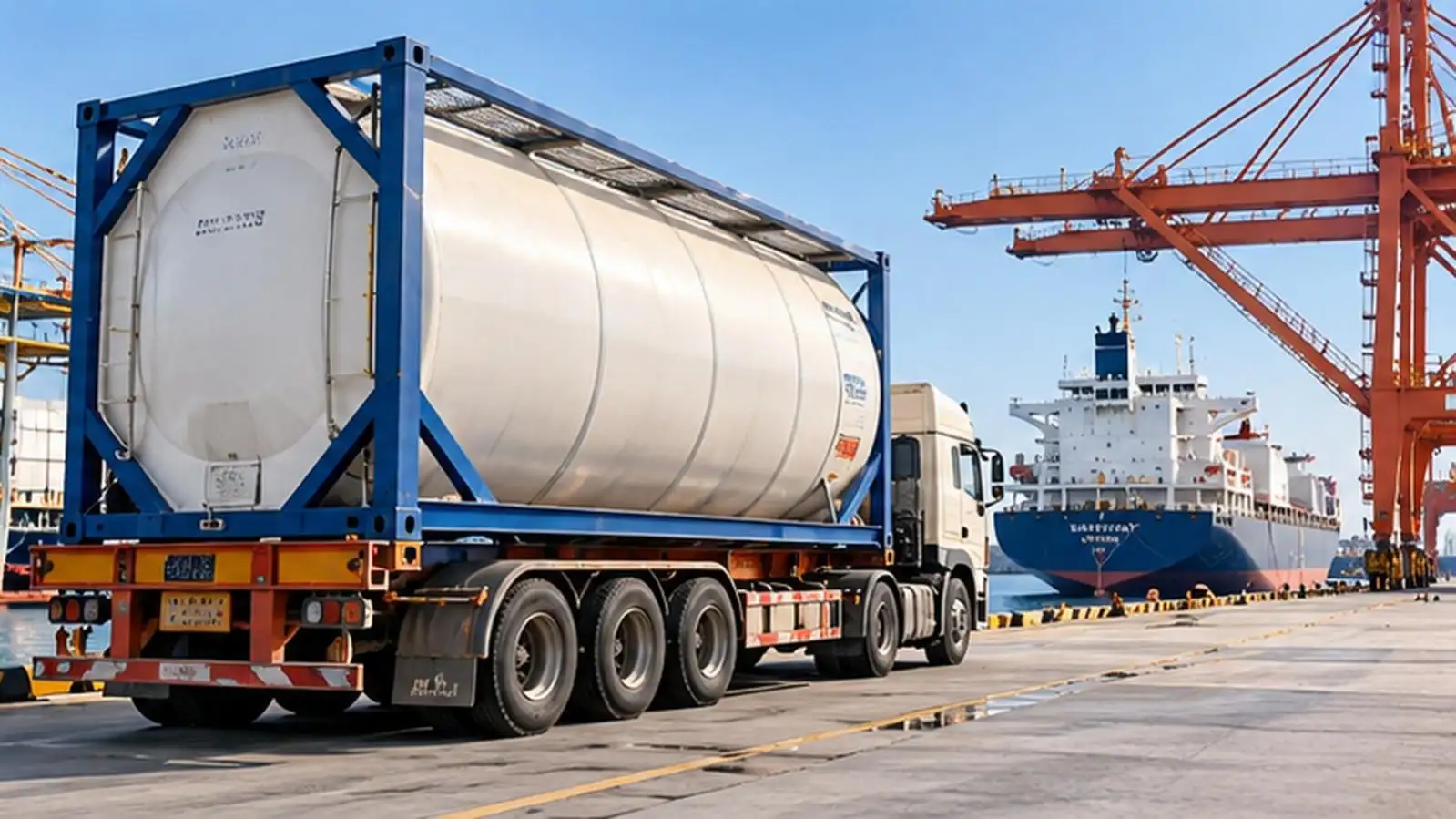
How to Choose a Reliable 2-Ethylhexanol (2-EH) Supplier in China: Quality, Packaging and Shipping
2026-10-22
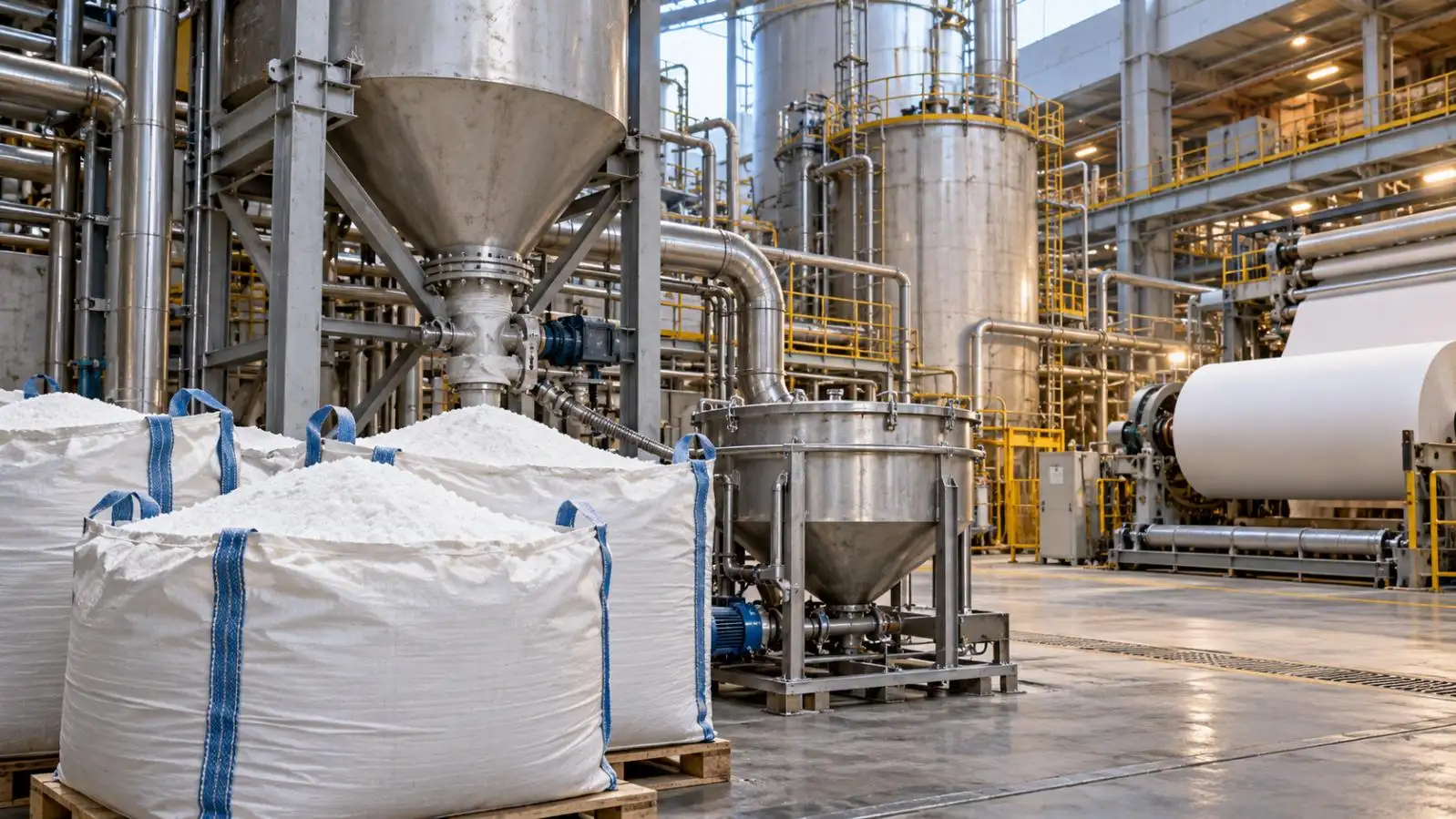
Natural vs Synthetic Sodium Sulfate Anhydrous: Which Is Better for Industrial Applications?
2026-10-22
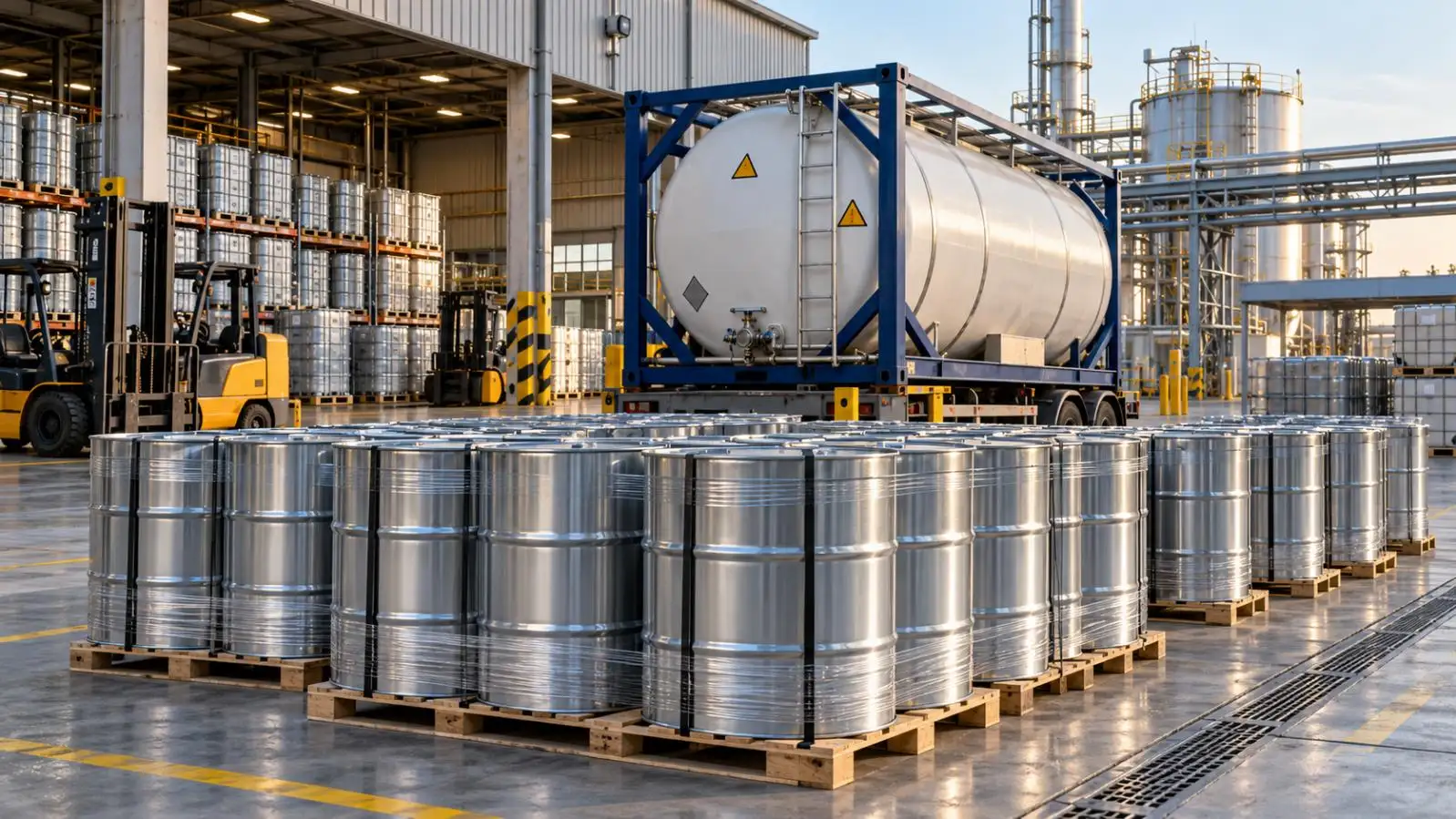
Isobutanol 99.3% Price and Supply in 2026: A Guide for Chemical Importers
2026-10-22
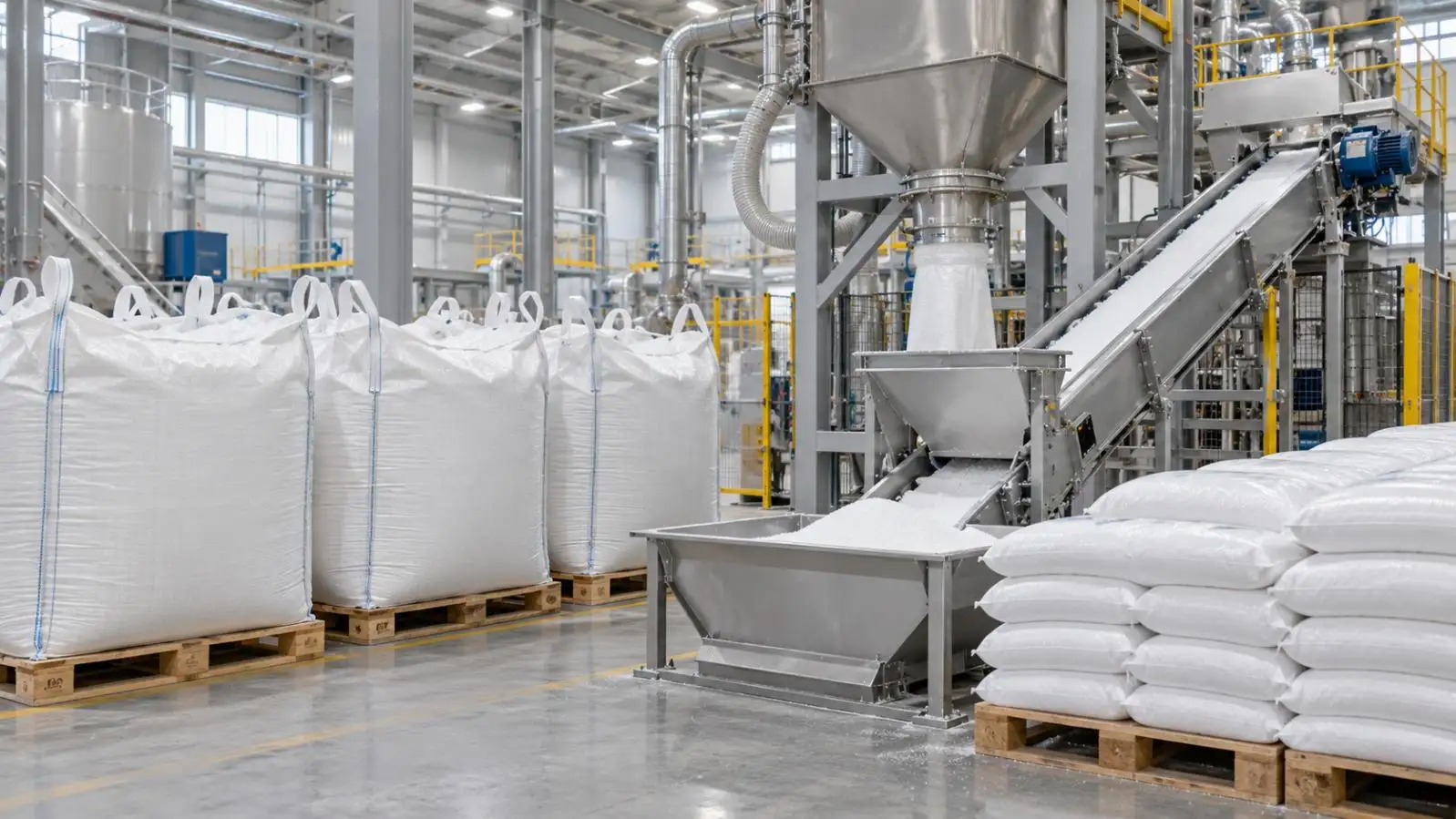
Sodium Sulfate Anhydrous 99% for Detergent Manufacturing: Benefits, Specifications and Bulk Supply
2026-10-22
Chemical procurement from China can give international buyers access to extensive manufacturing capacity, competitive supply options, specialized chemical grades, and flexible packaging. However, successful procurement requires more than comparing quotations.
Chemical buyers must verify the supplier, define the exact specification, confirm destination-market compliance, inspect product quality, select appropriate packaging, and coordinate shipping documentation before placing a commercial order.
A low initial quotation can become expensive when the product fails to meet technical requirements, arrives with incomplete documents, or experiences delays during customs clearance. A structured procurement process helps reduce these risks while supporting long-term supply stability.
This guide explains the main steps international buyers should follow when sourcing industrial and specialty chemicals from China.
Why Companies Procure Chemicals From China
China has a broad chemical manufacturing base covering basic chemicals, organic acids, inorganic salts, polymers, water-treatment chemicals, construction additives, feed ingredients, textile chemicals, and oilfield materials.
International buyers may consider chemical procurement from China for several reasons:
- Large-scale manufacturing capacity
- Access to multiple product grades
- Competitive production costs
- Flexible bag, drum, IBC, and bulk packaging
- Established export infrastructure
- Customized technical specifications
- Integrated manufacturing and logistics support
- Access to ports serving global markets
However, the size of the market also means that supplier capabilities vary significantly. Some companies operate production plants, while others function as distributors, exporters, or intermediaries.
The procurement process should therefore begin with supplier classification and verification.
Step 1: Define the Chemical Specification
A product name alone is not enough to request an accurate quotation.
Chemicals with the same general name may differ in purity, moisture, particle size, impurity profile, manufacturing method, physical form, intended application, and regulatory grade.
A complete request for quotation should include:
| Requirement | Example |
|---|---|
| Product name | Sodium acetate trihydrate |
| CAS number | 6131-90-4 |
| Chemical formula | CH₃COONa·3H₂O |
| Required assay | 58%–60% |
| Grade | Industrial, food, feed, or reagent grade |
| Key impurities | Chloride, sulfate, iron, heavy metals |
| Physical form | Crystals, powder, granules, or liquid |
| Packaging | 25 kg bags, drums, IBCs, or bulk |
| Required quantity | Trial order and annual volume |
| Delivery term | FOB, CFR, CIF, DAP, or another term |
| Destination | Port and country |
| Required documents | COA, SDS, TDS, certificates, and origin documents |
The CAS number is particularly important because similar commercial names can refer to different chemical forms or concentrations.
For example, sodium acetate trihydrate and anhydrous sodium acetate provide the same acetate chemistry after dissolution, but they have different CAS numbers, molecular weights, active contents, and dosage requirements.
Step 2: Determine Whether the Supplier Is a Manufacturer
A reliable sourcing process should establish whether the supplier is:
- A direct manufacturer
- A manufacturer with an export division
- An authorized distributor
- A chemical trading company
- A sourcing intermediary
A trading company is not automatically unsuitable. It may provide consolidated shipments, multiple product categories, lower minimum quantities, or multilingual export support.
However, buyers should clearly understand who manufactures the chemical and who is responsible for quality control.
Ask the supplier to provide:
- Full registered company name
- Business license
- Manufacturing-site address
- Production-line information
- Annual production capacity
- Quality-management certificates
- Recent batch certificates of analysis
- Factory photographs or videos
- Export history
- Product liability and complaint procedures
- Contact details for technical personnel
When possible, conduct a factory audit directly or through an independent inspection company.
Step 3: Evaluate Production and Quality-Control Capabilities
Production capacity is only valuable when it is supported by consistent quality.
A qualified chemical manufacturer should have controls for:
- Raw-material inspection
- Production-process monitoring
- In-process testing
- Finished-product testing
- Batch numbering
- Retained samples
- Packaging inspection
- Nonconforming product management
- Complaint investigation
- Corrective and preventive actions
Buyers should ask how the supplier controls variation between batches. For performance-sensitive applications, average specifications are not enough. The supplier should be able to explain the acceptable range and testing method for each important parameter.
Depending on the product, buyers may need to verify:
- Assay or concentration
- Moisture
- pH
- Insoluble matter
- Particle size
- Bulk density
- Viscosity
- Molecular weight
- Ionic degree
- Chloride
- Sulfate
- Iron
- Heavy metals
- Color
- Thermal stability
The test methods should be stated clearly. A number without a referenced method may not be comparable between suppliers.
Step 4: Review the Certificate of Analysis
The certificate of analysis, or COA, provides results for a specific production batch. It should not be confused with a general technical data sheet.
A useful COA should include:
- Manufacturer or supplier name
- Product name
- Grade
- Batch number
- Manufacturing date
- Testing date
- Specification limits
- Actual test results
- Test methods
- Approval signature
- Shelf life or expiry date, where applicable
Buyers should compare the COA with the purchase specification and technical data sheet. The chemical name, CAS number, grade, assay, packaging, and product form should be consistent across all documents.
Before a large order, request a sample from a normal production batch and test it under actual process conditions.
Step 5: Confirm Destination-Market Compliance
Compliance responsibility depends on the chemical, intended use, destination country, annual volume, and role of the importer.
For shipments to the United States, chemical importers may need to determine whether the substance is listed on the Toxic Substances Control Act inventory and whether a positive or negative TSCA certification is required. The US Environmental Protection Agency states that imported chemical substances, mixtures, and certain articles must comply with applicable TSCA requirements.
For the European Economic Area, REACH obligations can apply when a company manufactures or imports one tonne or more of a substance per year. Registration responsibility and applicable exemptions should be evaluated before shipment.
Buyers should also check whether the chemical is subject to:
- Use restrictions
- Authorization requirements
- Import licenses
- Food-contact regulations
- Feed regulations
- Biocide or pesticide rules
- Pharmaceutical requirements
- Precursor-chemical controls
- Environmental reporting
- Local inventory registration
The supplier can provide supporting information, but the importer should confirm legal requirements with a qualified regulatory professional in the destination market.
Step 6: Check the Safety Data Sheet and Label
A current safety data sheet is an essential part of chemical procurement from China.
The Globally Harmonized System provides a framework for classifying chemical hazards and communicating them through labels and safety data sheets. However, individual countries and regions may implement different versions or additional local requirements.
Review whether the SDS includes:
- Correct product identity
- CAS number
- Supplier information
- Hazard classification
- Composition
- First-aid measures
- Firefighting measures
- Spill procedures
- Handling and storage
- Exposure controls
- Physical and chemical properties
- Stability and reactivity
- Toxicological information
- Transport information
- Regulatory information
The transport classification should match the shipping method and packaging. Do not assume that every industrial chemical is classified as dangerous goods, and do not assume that a non-dangerous product can be shipped without verification.
Step 7: Select Suitable Chemical Packaging
Packaging must protect product quality and comply with transportation requirements.
Common options include:
| Packaging | Typical Application |
|---|---|
| Lined woven bags | Dry powders and crystals |
| Paper-plastic composite bags | Fine chemical powders |
| Jumbo bags | High-volume dry chemicals |
| HDPE drums | Solids, powders, and selected liquids |
| Steel drums | Compatible liquid chemicals |
| IBC tanks | Medium-volume liquid shipments |
| ISO tanks | Bulk liquid chemicals |
Packaging selection should consider:
- Chemical compatibility
- Moisture sensitivity
- Corrosiveness
- Hazard classification
- Filling temperature
- Product density
- Stacking strength
- Container loading
- Destination climate
- Customer unloading equipment
For hygroscopic materials, buyers should request moisture-resistant liners and secure sealing. For corrosive liquids, packaging compatibility must be confirmed before filling.
Step 8: Arrange Pre-Shipment Inspection
A pre-shipment inspection provides an additional checkpoint before the goods leave the factory.
The inspection may include:
- Product sampling
- Independent laboratory testing
- Packaging verification
- Label inspection
- Quantity confirmation
- Container condition
- Pallet inspection
- Batch-number verification
- Loading supervision
- Photographic records
The inspection scope should be agreed before production. Buyers should also define what happens if the shipment does not meet the approved specification.
For repeat orders, inspection frequency can be adjusted according to supplier performance and product risk.
Step 9: Control Payment and Contract Terms
A purchase contract should define more than product price.
Important terms include:
- Exact specification
- Approved sample reference
- Quantity tolerance
- Packaging requirements
- Inspection method
- Delivery schedule
- Incoterm
- Required documents
- Payment milestones
- Claims procedure
- Replacement or refund conditions
- Confidentiality
- Applicable law
- Dispute-resolution method
Avoid using vague descriptions such as “standard industrial grade.” Attach the agreed specification to the contract.
For a new supplier, buyers may use a smaller trial order, staged payment, documentary credit, or another risk-controlled payment structure appropriate to the transaction.
Step 10: Verify Shipping and Customs Documents
Document requirements vary by destination and product, but a typical chemical shipment may include:
- Commercial invoice
- Packing list
- Bill of lading
- Certificate of analysis
- Safety data sheet
- Technical data sheet
- Certificate of origin
- Insurance certificate
- Dangerous-goods declaration, when applicable
- Inspection certificate
- Regulatory declarations
- Import or export permits, when required
The product description, quantity, gross weight, net weight, packaging, HS code, batch information, and consignee details should be consistent across the document set.
Any discrepancy can delay customs clearance.
Common Chemical Procurement Mistakes
Buyers should avoid:
- Selecting a supplier based only on price
- Ordering by product name without a CAS number
- Failing to distinguish between chemical grades
- Accepting a generic COA without batch results
- Skipping sample testing
- Ignoring destination-market regulations
- Using unsuitable packaging
- Failing to define inspection standards
- Comparing prices without freight and active content
- Placing large first orders without supplier validation
The lowest price per metric ton is not always the lowest total procurement cost.
Building a Reliable Chemical Supply Partnership
Successful chemical procurement from China depends on consistency, communication, and documentation.
A long-term supplier should be able to provide:
- Stable product quality
- Transparent manufacturing information
- Responsive technical support
- Complete export documentation
- Reliable production scheduling
- Appropriate packaging
- Batch traceability
- Clear complaint handling
- Consistent logistics coordination
At Vanchor, we support international buyers with industrial and specialty chemical supply, specification review, batch documentation, packaging selection, quality control, and export coordination.
Conclusion
Chemical procurement from China can support competitive and scalable global sourcing, but buyers need a structured approach.
Begin with a precise specification, verify whether the supplier controls production, review quality documents, confirm regulatory requirements, approve packaging, inspect the shipment, and establish clear contractual terms.
A procurement process built around product identity, traceability, compliance, and quality control provides stronger protection than a decision based only on quotation price. It also creates the foundation for a stable, long-term chemical supply relationship.


Contact Us
In This Article
Related Posts
How to Choose a Reliable 2-Ethylhexanol (2-EH) Supplier in China: Quality, Packaging and Shipping
2026-10-22
Natural vs Synthetic Sodium Sulfate Anhydrous: Which Is Better for Industrial Applications?
2026-10-22
Isobutanol 99.3% Price and Supply in 2026: A Guide for Chemical Importers
2026-10-22
Sodium Sulfate Anhydrous 99% for Detergent Manufacturing: Benefits, Specifications and Bulk Supply
2026-10-22


