



CPAM Manufacturer: Product Grades, Applications, Quality Control, and Purchasing Guide
By vanchor
2026-07-21Related Posts
What Purity Is Required for Sodium Formate for De-Icing Applications?
2026-08-21
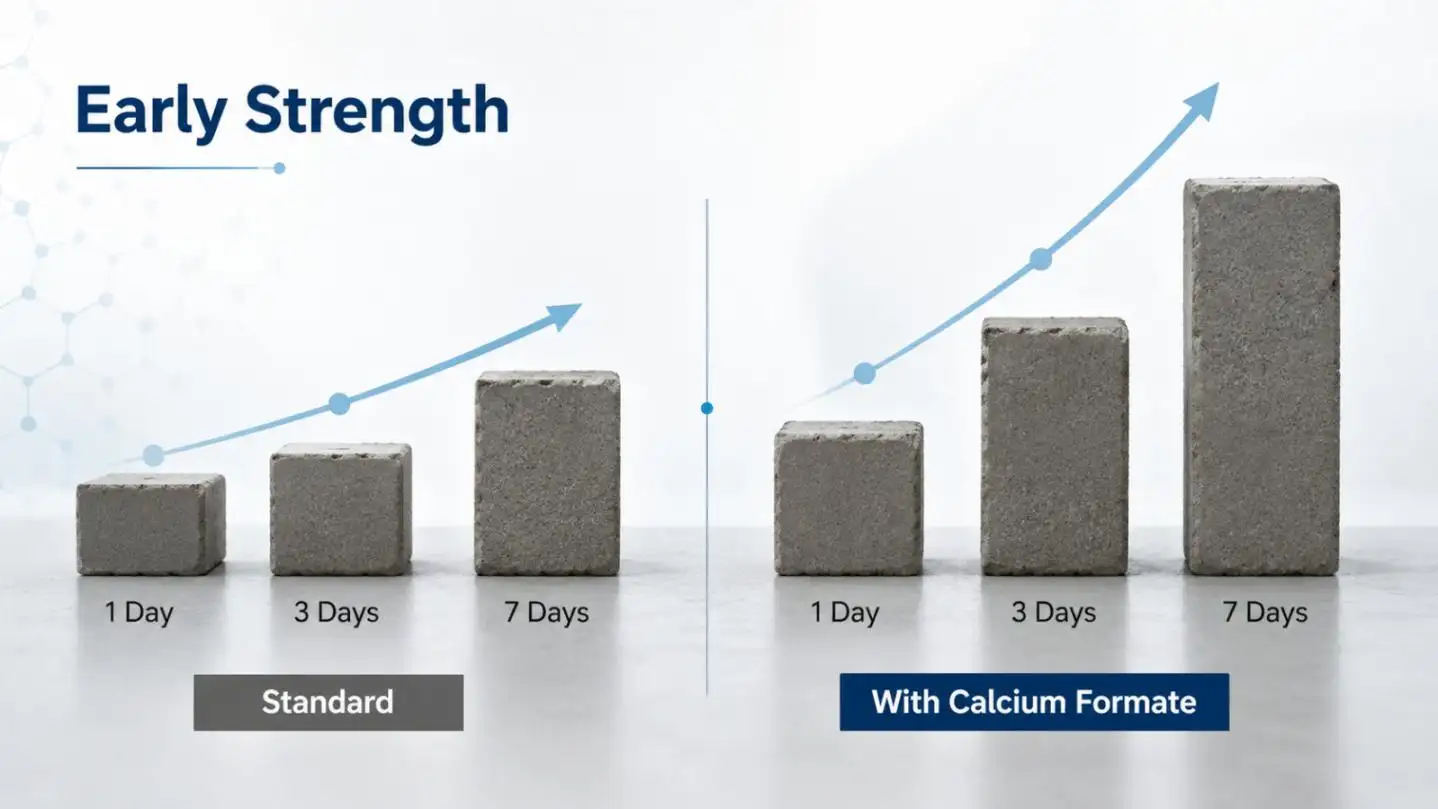
Calcium Formate for Tile Adhesive: How It Improves Early Strength and Setting Time
2026-08-20
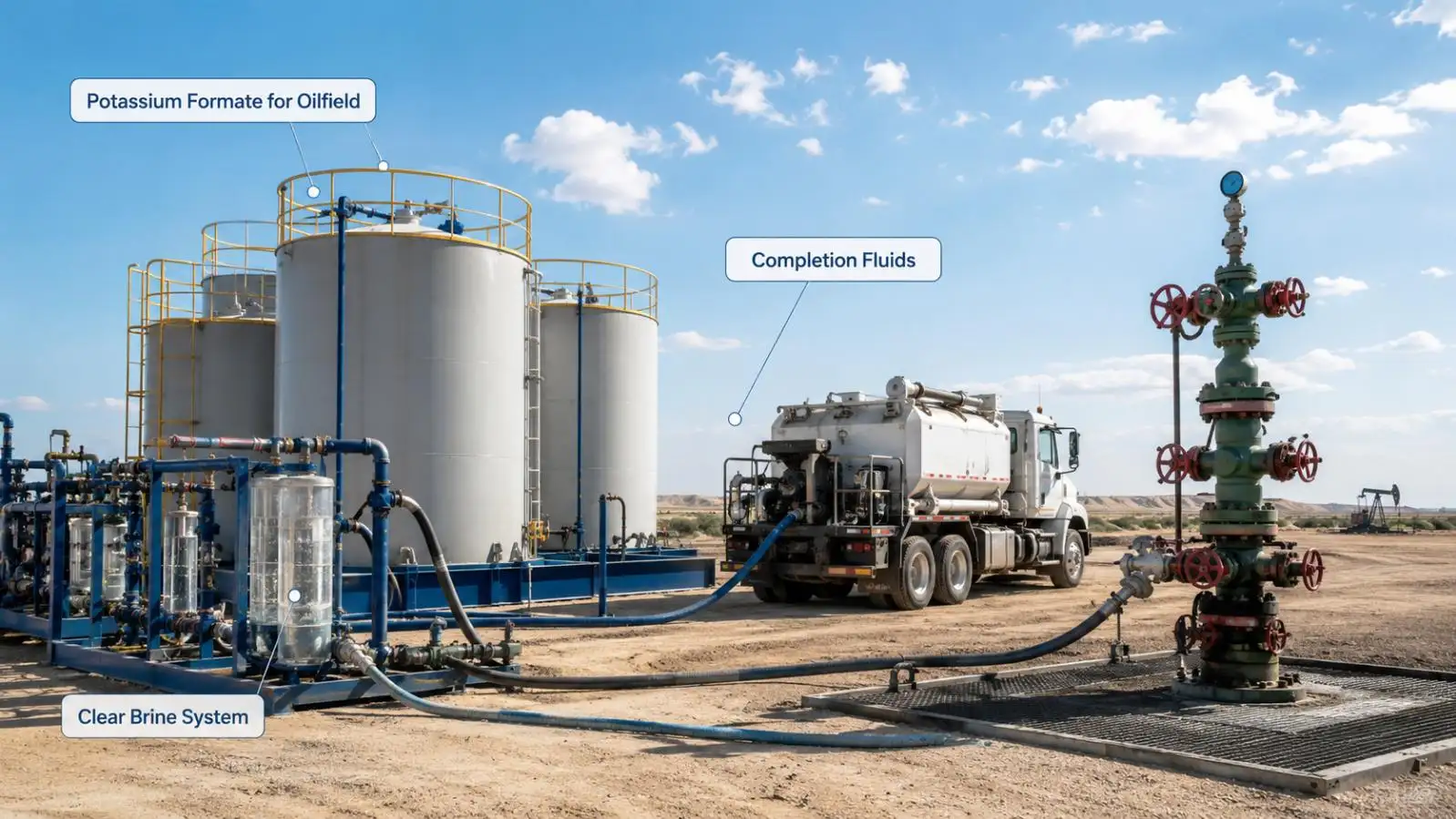
Potassium Formate for Oilfield Completion Fluids: Density, Compatibility and Formation Protection
2026-08-19
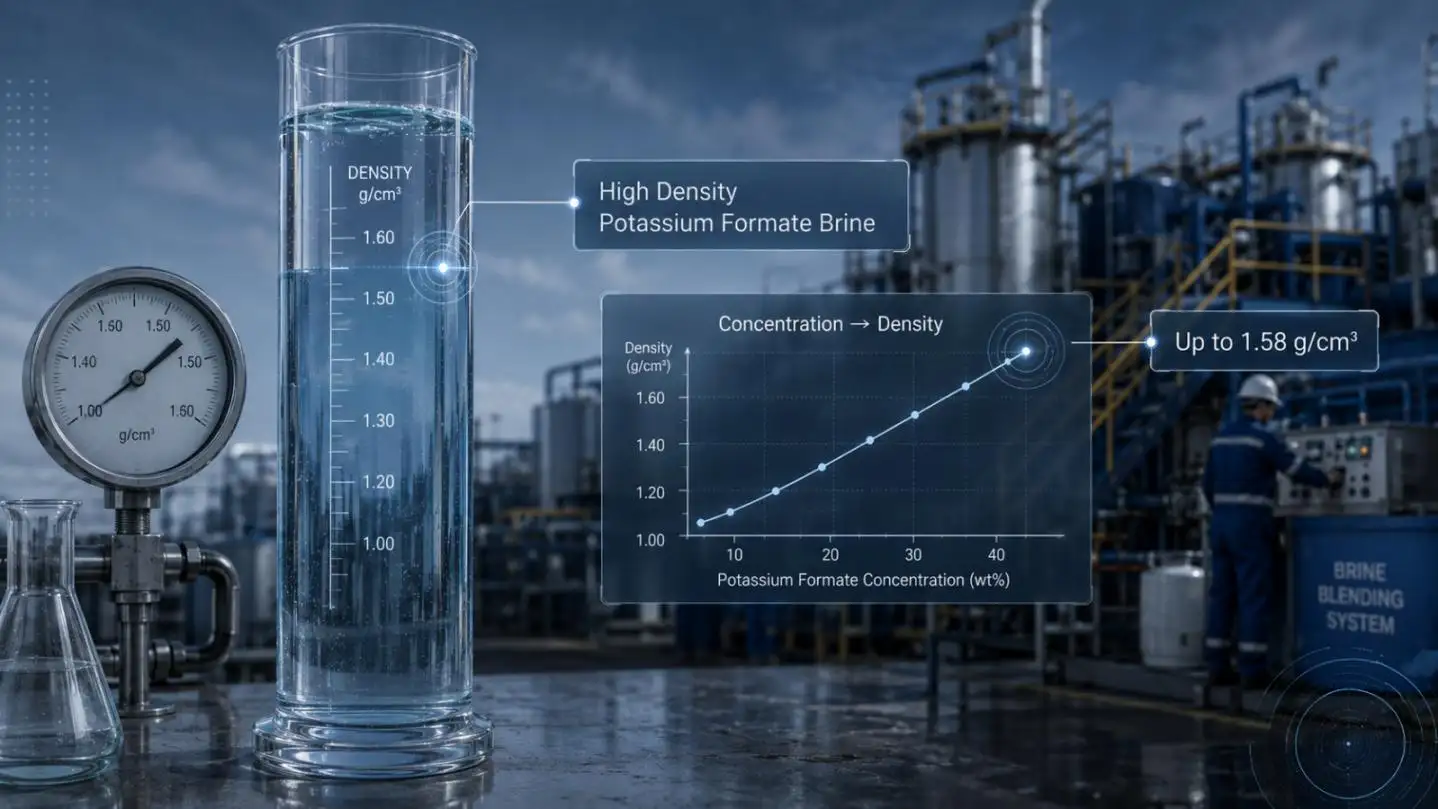
High Density Potassium Formate Brine: Density Range, Properties and Oilfield Applications
2026-08-18
A dependable CPAM Manufacturer ought to deliver greater than a competitive bid. Other important characteristics for industrial buyers are stable cationic charge density, controlled residual monomer, predictable dissolution, consistent sludge dewatering performance, secure packaging, complete technical documentation and reliable global delivery.
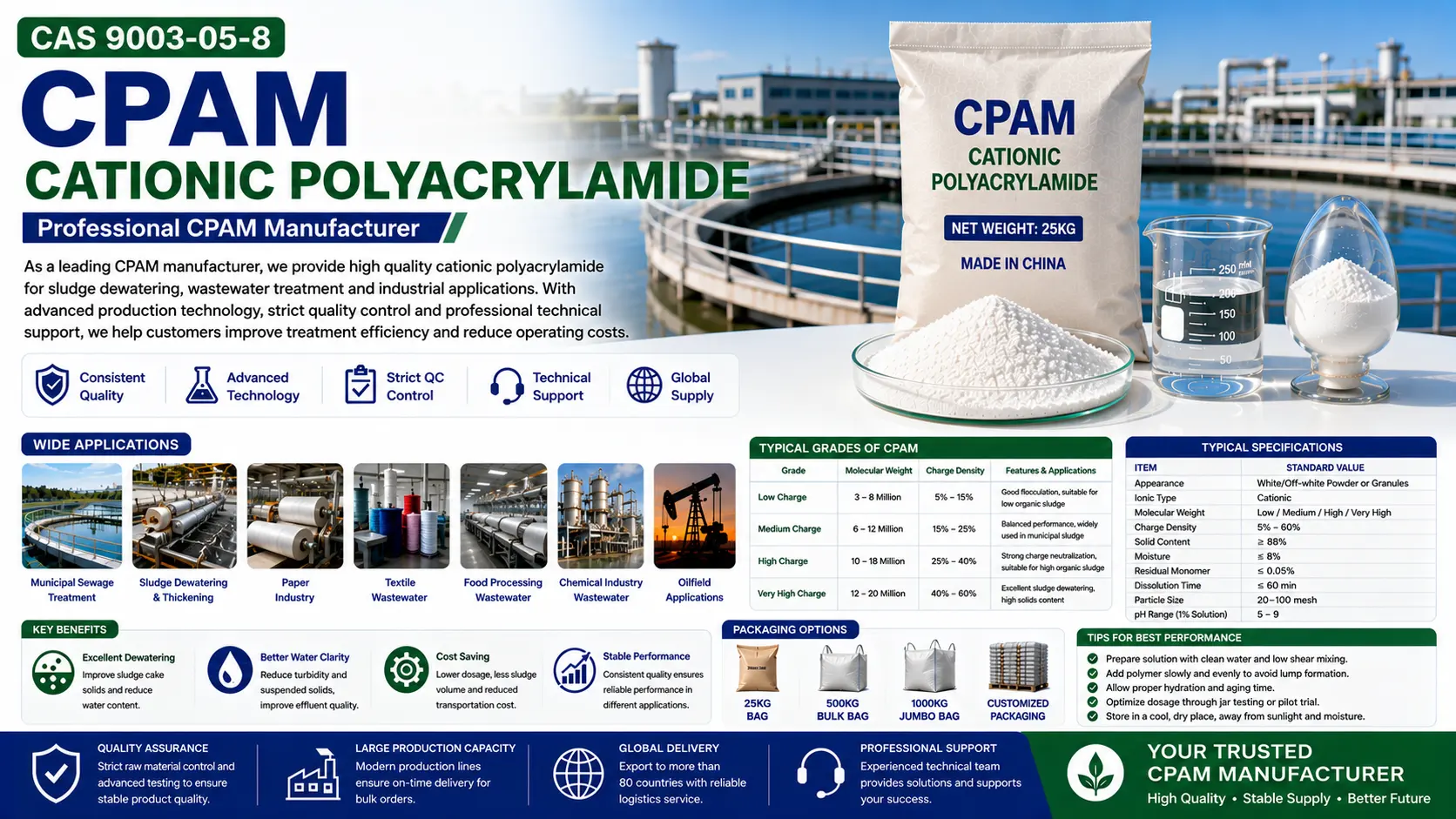
CPAM is a water soluble polymer which is broadly applied in municipal sewage treatment, industrial wastewater, sludge thickening, sludge dewatering, papermaking, textile wastewater, food-processing effluent, chemical-industry wastewater, and other systems containing negatively charged organic solids.
There can be significant differences in properties of sludge and wastewater from plant to plant so choosing the right CPAM grade is critical. When ordering, buyers should consider the following factors: charge density, molecular weight, solid content, moisture, residual acrylamide monomer, particle size, dissolution time, dosage, and actual treatment performance.
What Is CPAM?
Cationic polyacrylamide is a synthetic water-soluble polymer containing positively charged functional groups. It is usually supplied as white or off-white granules, powder, emulsion, or liquid dispersion.
Typical product information includes:
- Product name: Cationic Polyacrylamide
- Abbreviation: CPAM
- CAS number: 9003-05-8
- Appearance: White or off-white powder or granules
- Solubility: Soluble in water
- Ionic type: Cationic
- Main functions: Flocculation, sludge conditioning, thickening, clarification, filtration, and dewatering
CPAM is particularly effective in systems containing negatively charged biological sludge, organic particles, fibers, proteins, and other suspended matter.
Commercial products may be available with low, medium, high, or very high cationic charge density.
How CPAM Works
CPAM improves solid-liquid separation mainly through charge neutralization and polymer bridging.
Charge Neutralization
Many sludge particles and organic suspended solids carry negative surface charges. These charges cause the particles to repel one another and remain dispersed in water.
The positively charged groups in CPAM reduce this electrical repulsion, allowing particles to move closer together and form aggregates.
Polymer Bridging
Long CPAM chains attach to several particles at the same time. This creates larger and stronger flocs that can:
- Release water faster
- Settle more efficiently
- Filter more easily
- Improve sludge thickening
- Increase cake solids
- Produce cleaner filtrate
- Improve dewatering equipment throughput
The balance between charge density and molecular weight is critical. A product with excessive charge or unsuitable chain length may perform poorly even when its general product description appears correct.
Main CPAM Applications
Municipal Sludge Dewatering
Municipal wastewater-treatment plants commonly use CPAM to condition activated sludge before mechanical dewatering.
Typical equipment includes:
- Belt filter presses
- Screw presses
- Centrifuges
- Plate-and-frame filter presses
- Rotary drum thickeners
- Geotextile dewatering systems
A suitable CPAM grade may support:
- Faster floc formation
- Stronger sludge capture
- Higher cake solids
- Cleaner filtrate
- Reduced sludge volume
- Improved equipment throughput
- Lower transport and disposal costs
The correct product should be selected according to sludge type, dry-solids concentration, organic content, pH, temperature, and dewatering equipment.
Municipal Sewage Treatment
CPAM may also be used in:
- Primary clarification
- Secondary clarification
- Sludge thickening
- Phosphorus-removal support
- Final effluent polishing
- Sludge-volume reduction
In biological treatment systems, activated sludge often contains negatively charged microbial and organic matter, making cationic polymers suitable for separation and conditioning.
Industrial Sludge Treatment
Industrial facilities may use CPAM for sludge generated by:
- Textile factories
- Paper mills
- Food-processing plants
- Chemical factories
- Pharmaceutical plants
- Printing facilities
- Leather-processing plants
- Fermentation industries
- Mixed municipal-industrial systems
Each sludge stream has different organic content, mineral content, particle size, and surface charge. Laboratory testing is therefore necessary before selecting a commercial grade.
Paper Manufacturing
CPAM is widely used in papermaking as a:
- Retention aid
- Drainage aid
- Dry-strength additive
- Fiber-recovery agent
- White-water treatment chemical
- Sludge-dewatering polymer
Potential benefits include:
- Improved fiber retention
- Better filler retention
- Faster drainage
- Reduced raw-material loss
- Improved paper strength
- Cleaner process water
- Higher machine efficiency
The polymer should be tested for compatibility with pulp, fillers, starch, sizing agents, dyes, and other wet-end chemicals.
Paper Sludge Dewatering
Paper sludge may contain:
- Cellulose fibers
- Fillers
- Coating materials
- Starch
- Resins
- Organic additives
- Inorganic solids
CPAM can help form strong flocs and improve water release before filter presses, centrifuges, or screw presses.
The suitable charge density depends on the pulp process, filler level, and sludge composition.
Textile Wastewater Treatment
Textile wastewater may contain:
- Dyes
- Fibers
- Surfactants
- Salts
- Organic auxiliaries
- Suspended solids
- Starch and sizing residues
CPAM may help:
- Increase floc size
- Improve sedimentation
- Support color-removal systems
- Reduce suspended solids
- Improve sludge dewatering
- Produce clearer treated water
It is often used together with polyaluminum chloride, ferric salts, decolorizing agents, and pH-control chemicals.
Food-Processing Wastewater
Food-processing wastewater may contain fats, proteins, carbohydrates, suspended solids, and biodegradable organic matter.
Potential sources include:
- Meat processing
- Dairy production
- Beverage manufacturing
- Vegetable processing
- Starch production
- Sugar processing
- Brewing
- Seafood processing
CPAM may be used for clarification, dissolved-air flotation support, sludge thickening, and dewatering.
The selected grade should provide efficient separation without creating excessive viscosity or sticky sludge.
Chemical-Industry Wastewater
Chemical plants may generate wastewater containing:
- Organic intermediates
- Pigments
- Emulsions
- Resins
- Reaction residues
- Suspended solids
- Solvent traces
CPAM may support:
- Coagulation and flocculation
- Solid-liquid separation
- Sludge thickening
- Filter-press operation
- Effluent clarification
- Suspended-solids reduction
Compatibility testing is essential because high salinity, solvents, surfactants, or extreme pH may affect polymer performance.
Printing and Dyeing Effluent
Printing and dyeing wastewater may contain reactive dyes, disperse dyes, pigments, salts, fibers, and surfactants.
CPAM may support:
- Floc formation
- Color-removal programs
- Sludge separation
- Filtration
- Turbidity reduction
- Improved dewatering
The polymer is normally only one part of the complete treatment system.
Leather-Processing Wastewater
Leather wastewater may contain:
- Proteins
- Fats
- Hair residues
- Suspended solids
- Tanning chemicals
- Dyes
- Organic matter
CPAM may improve clarification and sludge dewatering.
The treatment process should also account for chromium, sulfide, salinity, and pH.
Main CPAM Grades
Low-Charge CPAM
Low-charge CPAM may be suitable for:
- Sludge with lower organic content
- Papermaking retention
- Selected industrial wastewater
- Systems requiring stronger bridging and less charge neutralization
Medium-Charge CPAM
Medium-charge CPAM is widely used in:
- Municipal sludge
- Paper sludge
- Textile wastewater
- General industrial sludge dewatering
- Mixed organic wastewater
High-Charge CPAM
High-charge CPAM may be suitable for:
- Highly organic sludge
- Biological sludge
- Food-processing sludge
- Difficult industrial wastewater
- Sludge requiring strong charge neutralization
Very High-Charge CPAM
Very high-charge grades may be evaluated for difficult sludge with strong negative surface charge.
However, higher charge does not automatically mean better performance. Excessive charge may create small flocs, increase dosage, or restabilize particles.
Cationic Charge Density
Charge density is one of the most important CPAM specifications.
It affects:
- Particle neutralization
- Floc formation
- Sludge capture
- Water release
- Required dosage
- Filtrate quality
- Cake solids
The correct charge density depends on the negative charge and organic content of the sludge.
Several charge levels should be compared through laboratory testing.
Molecular Weight
Molecular weight affects polymer-chain length, bridging ability, floc structure, and solution viscosity.
Higher molecular weight may provide:
- Stronger bridging
- Larger flocs
- Better sludge capture
- Improved filtration
However, excessively high molecular weight may:
- Slow dissolution
- Increase shear sensitivity
- Create pumping difficulties
- Produce fragile flocs
- Require longer preparation time
The optimal product should balance molecular weight and cationic charge.
Solid Content and Moisture
Solid content indicates the amount of usable polymer in the supplied product.
Excessive moisture may:
- Reduce active polymer content
- Increase freight cost
- Cause product caking
- Affect automatic feeding
- Reduce storage stability
- Create dosing variation
A professional manufacturer should provide clear limits for solid content and moisture.
Residual Acrylamide Monomer
Residual acrylamide monomer should be tightly controlled.
The acceptable level depends on:
- Intended application
- Destination regulations
- Customer specification
- Product grade
- Wastewater-treatment system
Buyers should request measurable batch data instead of relying only on general claims such as “low residual monomer.”
Particle Size
Consistent particle size supports:
- Predictable dissolution
- Stable automatic feeding
- Reduced dust
- Lower lump formation
- Better handling
- Reliable solution preparation
Very fine powder may create dust, while oversized granules may require longer hydration.
Dissolution Performance
Correct dissolution is essential for effective CPAM performance.
Poor dissolution may cause:
- Fish-eye formation
- Undissolved polymer
- Blocked pumps
- Clogged dosing lines
- Lower active-polymer efficiency
- Higher dosage
- Unstable treatment results
A qualified manufacturer should provide clear instructions for:
- Water temperature
- Solution concentration
- Agitation speed
- Hydration time
- Solution storage time
- Dosing method
How to Prepare CPAM Solution
A typical preparation process may include:
- Fill a clean preparation tank with water.
- Start gentle agitation.
- Add CPAM slowly and evenly.
- Avoid pouring the powder into one point.
- Maintain low-shear mixing.
- Allow sufficient hydration and aging.
- Confirm that the polymer is fully dissolved.
- Transfer the solution to the dosing system.
- Optimize the dosage according to treatment results.
High-speed mixing should be avoided because excessive shear can damage the polymer chains.
Water Quality for Dissolution
Water quality may affect CPAM dissolution and performance.
Important factors include:
- Water temperature
- Hardness
- Salinity
- pH
- Suspended solids
- Iron
- Oil contamination
Clean water is generally preferred.
Very cold water may slow hydration, while excessively hot water may reduce polymer performance.
Dosage Optimization
There is no universal CPAM dosage suitable for every sludge stream.
The correct dosage depends on:
- Sludge source
- Dry-solids content
- Organic content
- pH
- Temperature
- Salinity
- Existing treatment chemicals
- Mixing energy
- Dewatering equipment
- Required cake solids
Overdosing may cause:
- Sticky sludge
- Cloudy filtrate
- Higher polymer cost
- Poor water release
- Excess residual polymer
Underdosing may cause weak flocs, poor solids capture, low cake solids, and dirty filtrate.
Laboratory Screening
Before production use, several CPAM grades should be compared.
Laboratory tests may evaluate:
- Floc formation speed
- Floc size
- Floc strength
- Water-release rate
- Supernatant clarity
- Filtration performance
- Required dosage
- Sludge volume
For dewatering applications, bench tests should imitate the actual equipment as closely as possible.
Production Trials
After laboratory screening, a controlled plant trial should evaluate:
- Real operating dosage
- Floc stability
- Filtrate quality
- Cake solids
- Equipment throughput
- Polymer consumption
- Sludge-disposal volume
- Total treatment cost
A product should not be approved for long-term use based only on technical specifications.
CPAM for Belt Filter Presses
Belt filter presses require flocs that are large, strong, and capable of releasing free water.
Important evaluation points include:
- Initial drainage
- Floc resistance to shear
- Cake release
- Belt cleanliness
- Filtrate clarity
- Final cake solids
The selected CPAM should not create excessively sticky sludge that blocks the belt.
CPAM for Centrifuges
Centrifuges operate under high shear.
The polymer should provide:
- Strong flocs
- High solids capture
- Clear centrate
- Stable torque
- Good cake dryness
- Reliable throughput
A grade that performs well on a belt press may not be optimal for a centrifuge.
CPAM for Screw Presses
Screw presses operate under gradual compression.
The selected CPAM should support:
- Rapid floc formation
- Good free-water release
- Stable flocs
- Low screen blockage
- Consistent cake output
- Clean filtrate
Plant trials should evaluate both dewatering performance and equipment cleanliness.
Powder vs. Emulsion CPAM
Powder CPAM
Potential advantages include:
- High active content
- Lower freight per unit of active polymer
- Longer dry-storage stability
- Flexible solution preparation
- Wide industrial availability
Potential limitations include:
- Longer dissolution time
- Dust generation
- Need for preparation tanks
- Risk of incomplete hydration
Emulsion CPAM
Potential advantages include:
- Faster inversion
- Shorter preparation time
- Easier dosing in selected systems
- Reduced powder handling
Potential limitations include:
- Lower active content
- Different storage requirements
- Higher freight per unit of active polymer
- Sensitivity to temperature
The best form depends on equipment, consumption, storage, and operating requirements.
CPAM Manufacturing Process
A professional CPAM manufacturer should maintain control throughout production.
Typical stages may include:
- Raw-material inspection
- Polymerization
- Cationic modification or copolymerization
- Gel processing
- Drying
- Grinding
- Particle-size classification
- Residual-monomer testing
- Finished-product testing
- Packaging and batch release
Stable process control helps maintain consistent charge density, molecular weight, and application performance.
Factory Quality Control
A qualified laboratory may test:
- Product appearance
- Cationic charge
- Molecular properties
- Solid content
- Moisture
- Residual monomer
- Particle size
- Dissolution time
- Solution viscosity
- pH range
Laboratory instruments should be calibrated, and test procedures should be documented.
Batch Traceability
Each shipment should be traceable through:
- Raw-material lot
- Production date
- Batch number
- Laboratory results
- Packaging record
- Retained sample
- Loading record
- Shipping documents
Traceability helps the manufacturer investigate quality issues and implement corrective action.
Packaging Options
CPAM is commonly supplied in:
- 25 kg PE-lined kraft bags
- 25 kg paper-plastic bags
- Moisture-resistant woven bags
- 500 kg bulk bags
- 1,000 kg jumbo bags
- Drums or IBCs for emulsion products
- Customized export packaging
Packaging should protect the polymer from moisture, contamination, sunlight, and physical damage.
Storage and Handling
Powder CPAM should be stored in a cool, dry, well-ventilated warehouse.
It should be protected from:
- Moisture
- Direct sunlight
- High temperature
- Damaged packaging
- Contamination
- Strong oxidizing agents
- Prolonged outdoor exposure
Opened bags should be resealed tightly.
Wet polyacrylamide creates extremely slippery surfaces and should be cleaned promptly.
How to Evaluate a CPAM Manufacturer
Buyers should assess:
- Available charge-density grades
- Molecular-weight ranges
- Powder and emulsion options
- Production capacity
- Laboratory capability
- Batch traceability
- Custom-grade capability
- Packaging options
- Export experience
- Technical support
A qualified manufacturer should provide samples and application guidance before a large order.
Required Documents
A professional manufacturer should provide:
- Technical data sheet
- Safety data sheet
- Batch-specific certificate of analysis
- Product specification
- Commercial invoice
- Packing list
- Certificate of origin
- Bill of lading
- Inspection reports when required
All documents should use consistent product names, charge grades, batch numbers, quantities, and packaging details.
How to Request an Accurate Quotation
A complete inquiry should include:
- Intended application
- Sludge or wastewater source
- Dewatering equipment
- Required charge-density range
- Molecular-weight preference
- Solid-content requirement
- Residual-monomer limit
- Order quantity
- Packaging
- Destination
- Incoterm
- Delivery schedule
- Required documents
For example:
“Please recommend and quote CPAM for municipal biological sludge dewatering with a belt filter press, packed in 25 kg bags, including samples, TDS, SDS, and batch-specific COA.”
Detailed application information helps the manufacturer recommend a suitable grade.
Comparing Manufacturer Quotations
Buyers should compare products according to:
- Charge density
- Molecular weight
- Solid content
- Moisture
- Residual monomer
- Dissolution performance
- Effective dosage
- Cake solids
- Filtrate clarity
- Packaging
- Freight
- Technical support
- Batch consistency
Two products with similar labels may produce very different dewatering results.
Total Treatment Cost
The lowest price per kilogram may not deliver the lowest operating cost.
Buyers should consider:
- Effective dosage
- Sludge-cake solids
- Filtrate quality
- Equipment throughput
- Polymer preparation
- Labor
- Packaging
- Sludge transport
- Disposal cost
- Technical support
A higher-performing CPAM may reduce sludge volume and disposal cost enough to offset a higher purchase price.
Common Purchasing Risks
Potential risks include:
- Incorrect cationic charge
- Unsuitable molecular weight
- Poor dissolution
- Excessive moisture
- High residual monomer
- Weak sludge capture
- High dosage requirements
- Sticky sludge
- Damaged packaging
- Batch inconsistency
- Missing documents
- Delayed delivery
These risks can be reduced through detailed specifications, sample testing, batch-specific COAs, factory audits, and production trials.
Questions to Ask Before Ordering
Buyers should confirm:
- Are you a direct CPAM manufacturer?
- Which charge-density grades are available?
- What molecular-weight ranges can be supplied?
- What is the guaranteed solid content?
- What is the moisture limit?
- What is the residual-monomer specification?
- What is the normal dissolution time?
- Can powder and emulsion products be supplied?
- Can samples be provided?
- Can sludge-testing support be offered?
- Can recent batch COAs be supplied?
- What is the monthly production capacity?
- Can customized grades be produced?
- Can bulk bags be supplied?
- How are quality claims handled?
Conclusion
The key factors that are necessary to take into account when selecting a CPAM Manufacturer include cationic charge density, molecular weight, solid content, moisture, residual monomer, particle size, dissolution performance, production capability, dewatering efficiency, packaging, documentation, technical support and delivery reliability.
CPAM is extensively used in municipal sludge dewatering, industrial wastewater treatment, paper manufacture, textile wastewater, food-processing effluents, chemical industry sludge and other organic-solid separators.
Buyers should make sure to give detailed sludge and equipment information, check full technical specification before buying, request batch documents of the quality test of the products, perform the controlled production test of the representative sample before buying, and check the quality test documents of the product in batches before buying.
A good manufacturer will supply appropriate CPAM grades, consistent sludge-dewatering, quality control, moisture protected packaging, full documentation, tech support, and world-wide delivery.


Contact Us
In This Article
Related Posts
What Purity Is Required for Sodium Formate for De-Icing Applications?
2026-08-21
Calcium Formate for Tile Adhesive: How It Improves Early Strength and Setting Time
2026-08-20
Potassium Formate for Oilfield Completion Fluids: Density, Compatibility and Formation Protection
2026-08-19
High Density Potassium Formate Brine: Density Range, Properties and Oilfield Applications
2026-08-18


