



Drilling Chemicals Supplier: Products, Applications, Selection, and Purchasing Guide
By vanchor
2026-07-21Related Posts
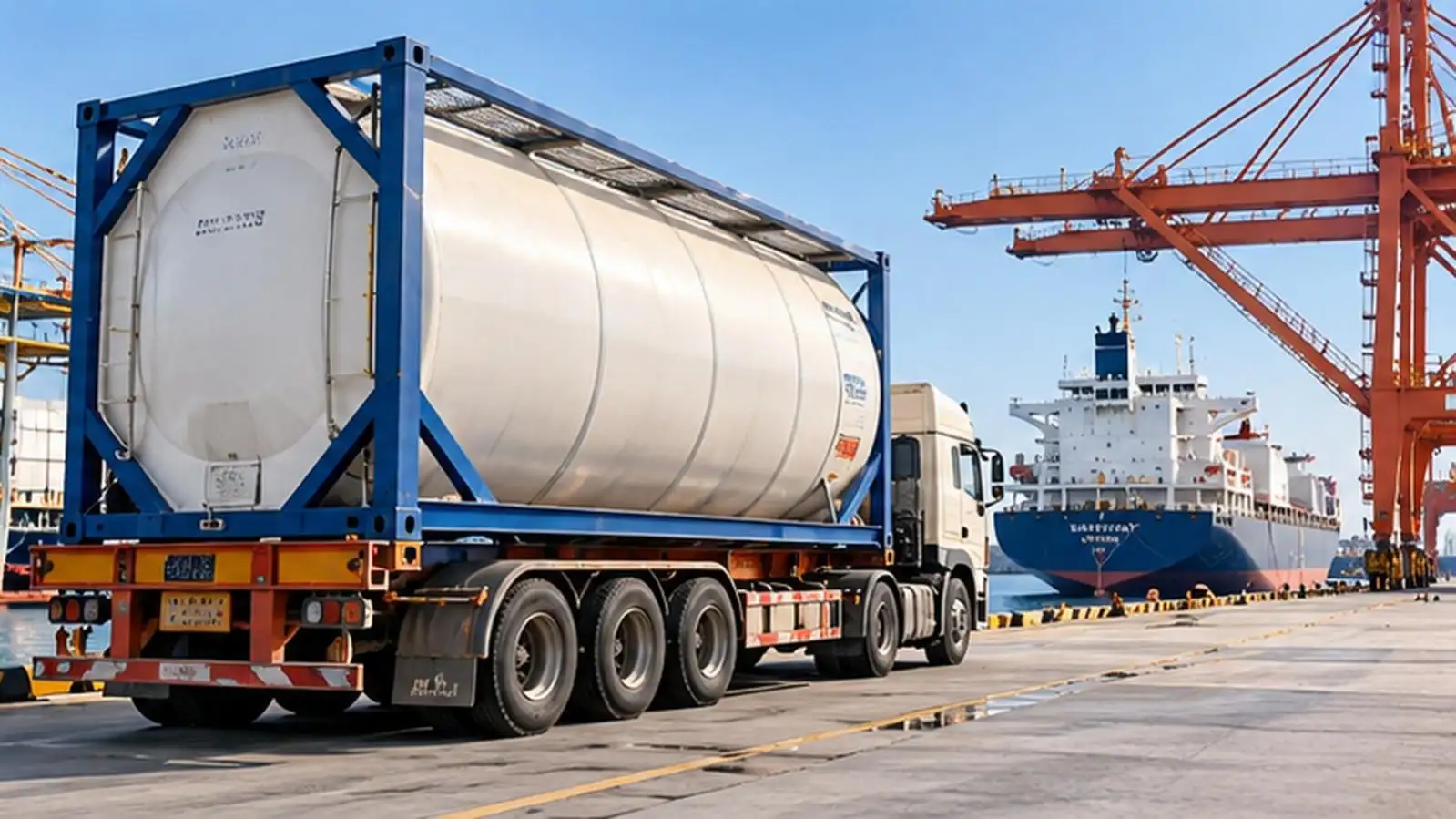
How to Choose a Reliable 2-Ethylhexanol (2-EH) Supplier in China: Quality, Packaging and Shipping
2026-10-22
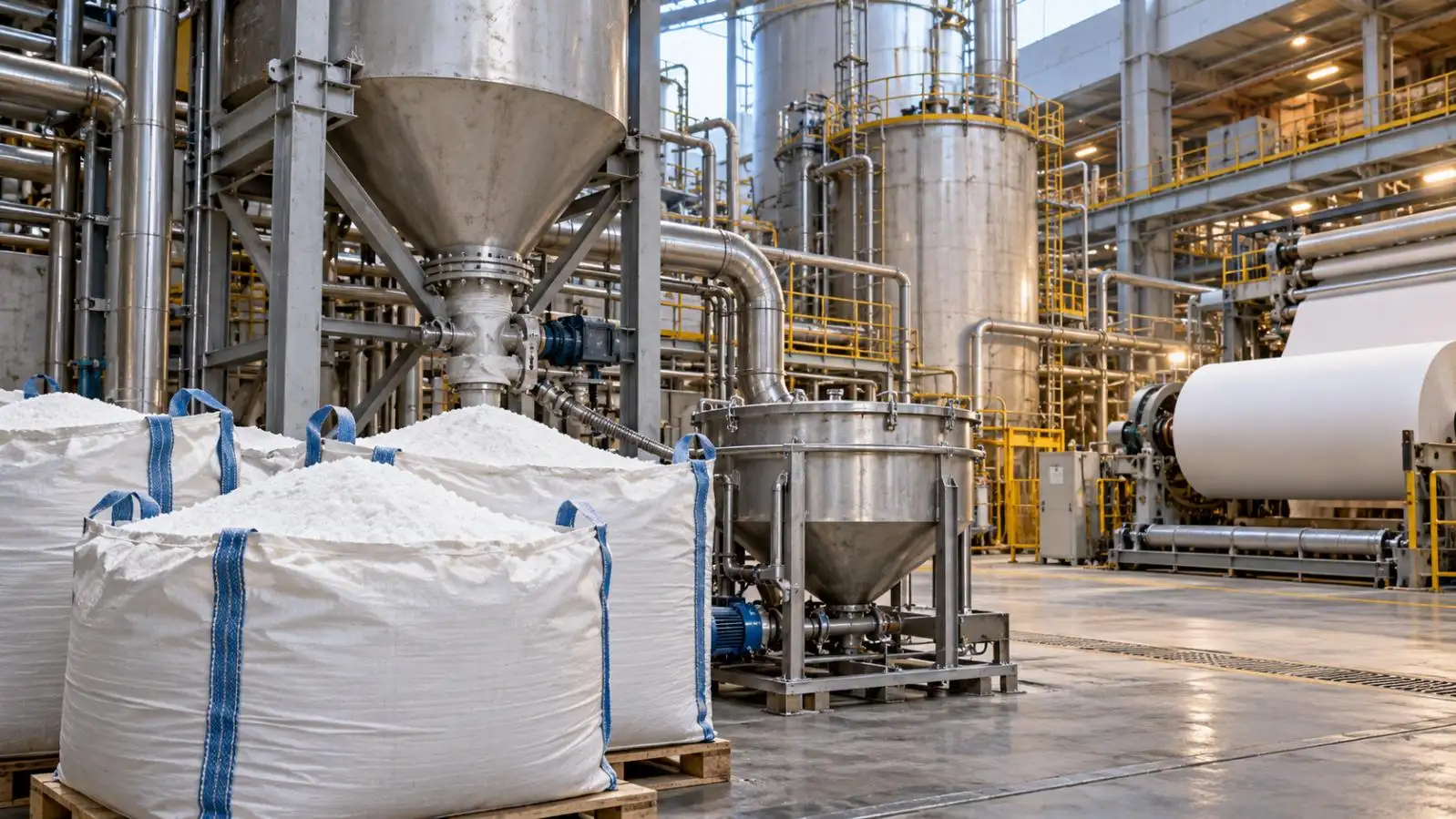
Natural vs Synthetic Sodium Sulfate Anhydrous: Which Is Better for Industrial Applications?
2026-10-22
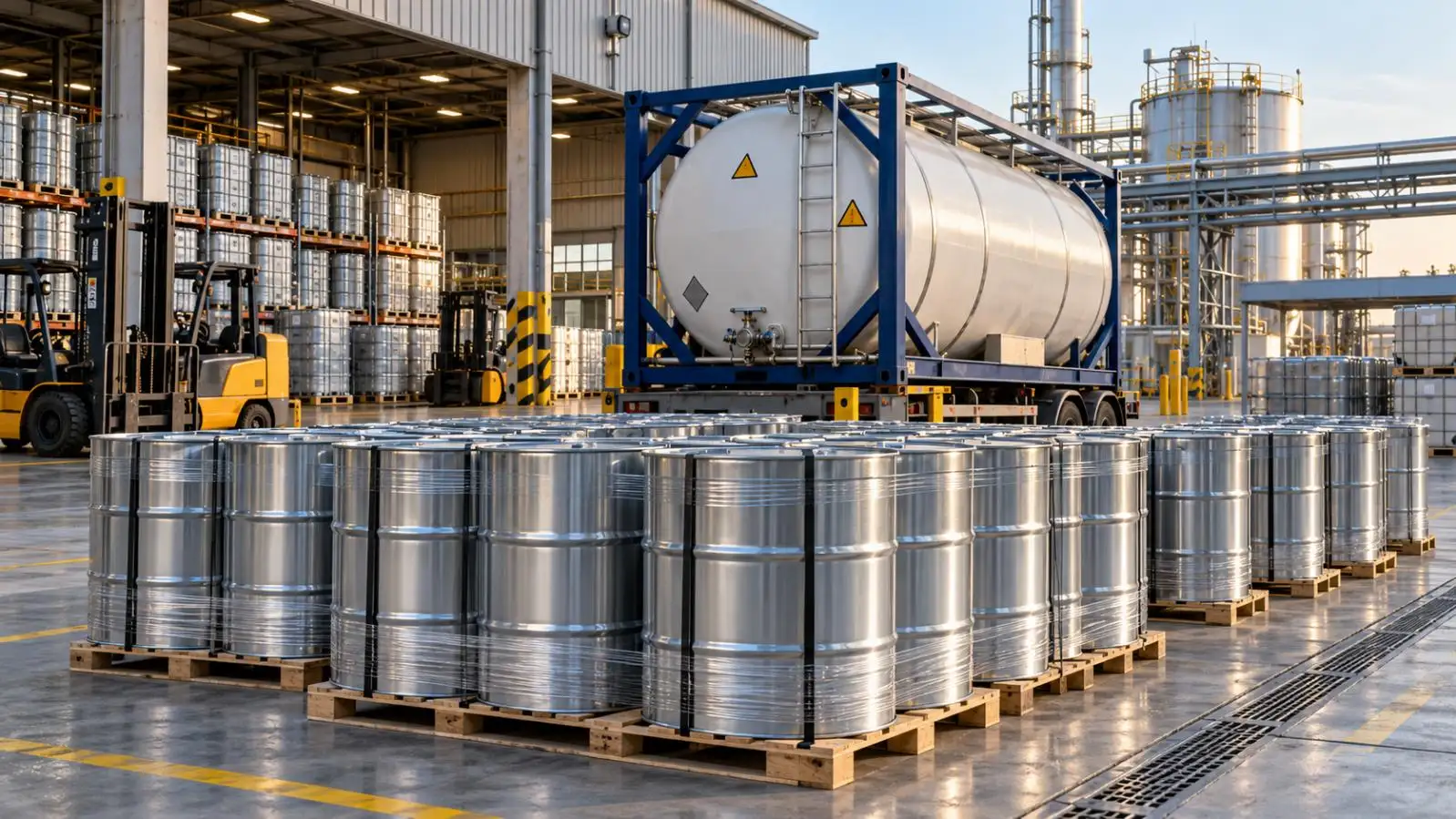
Isobutanol 99.3% Price and Supply in 2026: A Guide for Chemical Importers
2026-10-22
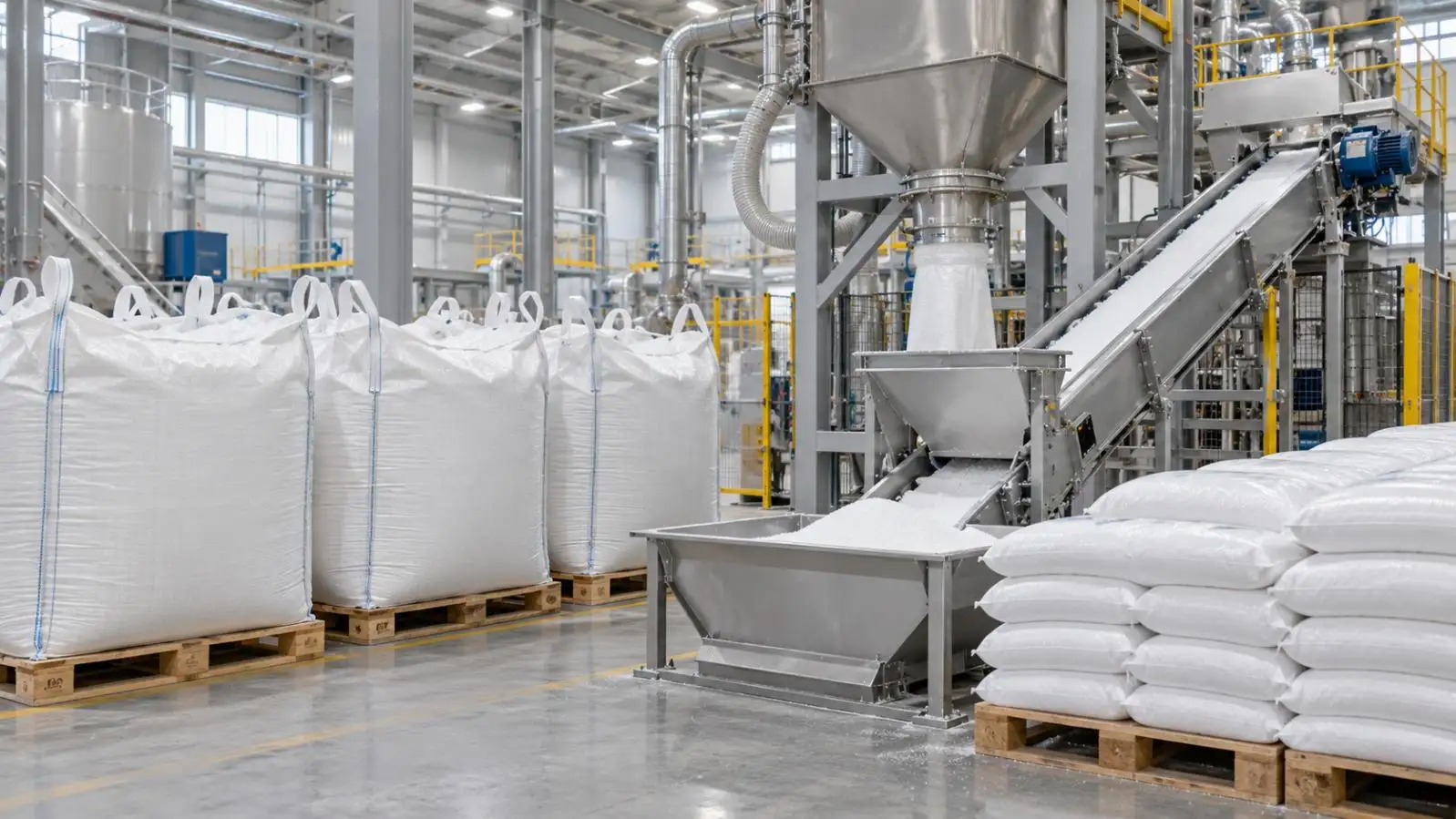
Sodium Sulfate Anhydrous 99% for Detergent Manufacturing: Benefits, Specifications and Bulk Supply
2026-10-22
A dependable Drilling Chemicals Supplier ought to give a great deal more than just a list of products and a competitive offer. Other industries that require products to match the drilling-formation conditions, oil and gas operators, drilling contractors, mud-service companies, mining projects, horizontal directional drilling contractors, geothermal companies, and chemical distributors.
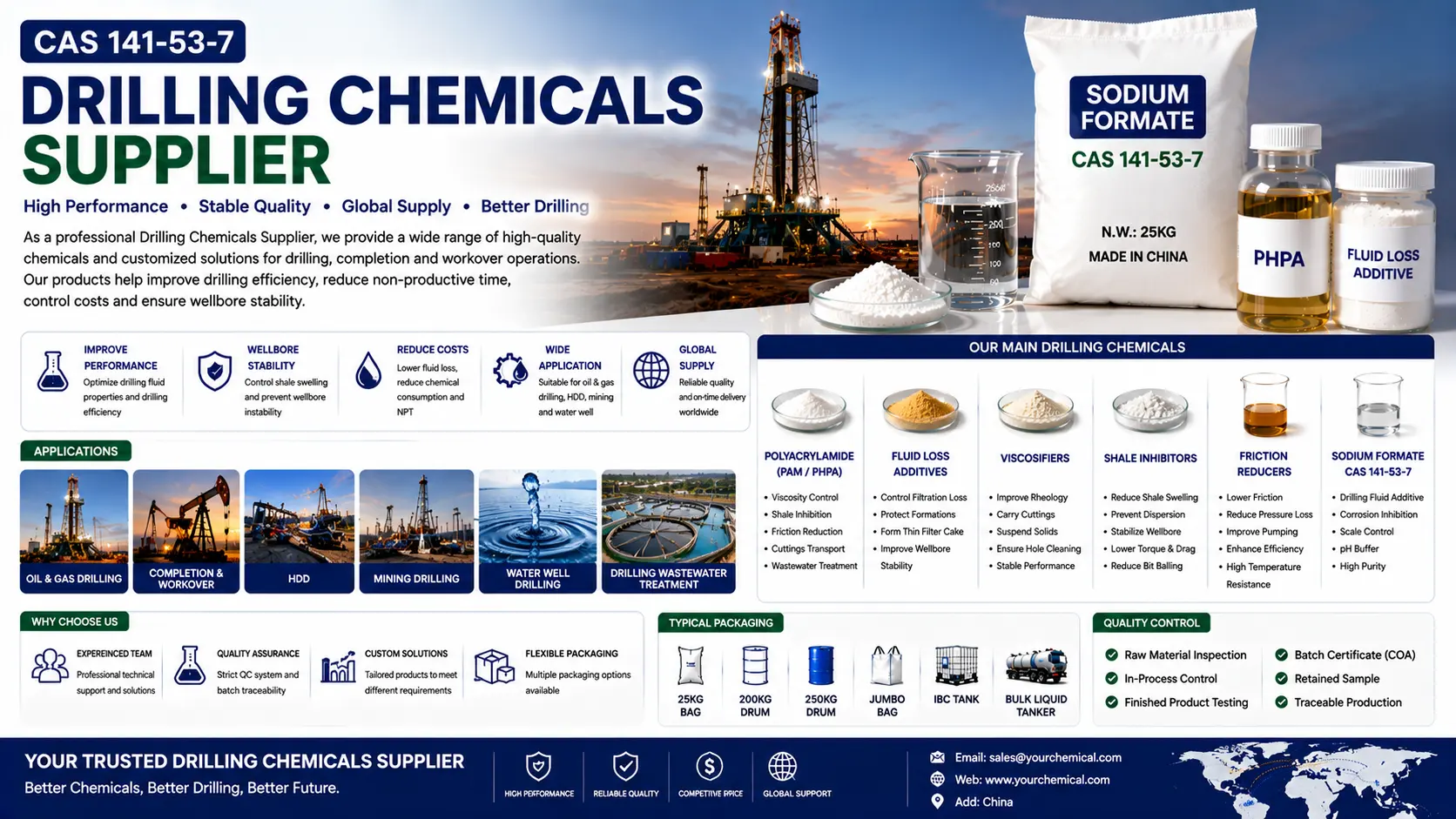
The chemicals used to control hydrodynamic properties of drilling fluid include: fluid viscosity control, filtration loss control, shale stabilisation, cuttings transport, friction control, corrosion and foam control, equipment protection, and drilling-wastewater-treatment. Drilling conditions vary considerably between wells and formations and the appropriate chemical program should be determined using laboratory tests and field evaluation and not by product name or price.
A professional supplier should offer measurable specifications, samples, technical support, consistent quality of the batch, appropriate packaging, full documentation and reliable international delivery.
What Are Drilling Chemicals?
Drilling chemicals are specialized products used to formulate, maintain, and treat drilling fluids during oil and gas drilling, mining, geothermal drilling, water-well construction, and horizontal directional drilling.
Their main functions may include:
- Controlling drilling-fluid viscosity
- Reducing fluid loss
- Stabilizing shale and clay
- Transporting drill cuttings
- Improving hole cleaning
- Reducing friction and torque
- Preventing corrosion
- Controlling foam
- Adjusting pH and alkalinity
- Maintaining fluid density
- Reducing bacterial growth
- Improving solids separation
- Supporting drilling-fluid recycling
- Treating drilling wastewater and sludge
The selected chemical system depends on the drilling method, formation type, water quality, temperature, pressure, fluid density, equipment, and environmental regulations.
Why Drilling Chemicals Are Important
Drilling fluids perform several essential functions inside the wellbore.
A properly designed drilling fluid should:
- Carry cuttings to the surface
- Maintain hydrostatic pressure
- Stabilize the wellbore
- Cool and lubricate the drill bit
- Suspend solids during circulation stops
- Minimize formation-fluid invasion
- Protect productive formations
- Support logging and cementing
- Reduce equipment wear
- Improve drilling efficiency
Poor fluid performance may cause:
- Shale swelling
- Wellbore collapse
- Excessive fluid loss
- Bit balling
- High torque and drag
- Poor cuttings transport
- Stuck pipe
- Lost circulation
- Formation damage
- High chemical consumption
- Increased nonproductive time
An optimized chemical program helps maintain stable drilling-fluid properties throughout changing downhole conditions.
Main Drilling Chemical Products
Polyacrylamide
Polyacrylamide, commonly abbreviated as PAM, is a water-soluble polymer widely used in drilling-fluid and wastewater-treatment systems.
Its correct CAS number is 9003-05-8.
Common drilling-related grades include:
- Anionic polyacrylamide
- Partially hydrolyzed polyacrylamide
- PHPA
- HPAM
- Nonionic polyacrylamide
- Cationic polyacrylamide
- Salt-resistant PAM
- Temperature-resistant modified polymers
Potential functions include:
- Viscosity modification
- Shale encapsulation
- Clay inhibition
- Friction reduction
- Cuttings transport
- Fluid-loss reduction
- Solids flocculation
- Drilling-wastewater treatment
Important product properties include molecular weight, degree of hydrolysis, charge density, dissolution speed, thermal stability, salt tolerance, shear resistance, particle size, and residual monomer.
PHPA Shale Inhibitor
Partially hydrolyzed polyacrylamide, commonly called PHPA, is widely used in water-based drilling fluids.
PHPA can adsorb onto shale and clay surfaces and form a polymer coating around cuttings.
Potential benefits include:
- Reduced shale hydration
- Lower clay dispersion
- Improved cutting integrity
- Better wellbore stability
- Reduced bit balling
- Improved solids-control efficiency
- Lower dilution requirements
- Better fluid rheology
PHPA performance depends on:
- Molecular weight
- Hydrolysis degree
- Polymer concentration
- Formation mineralogy
- Water salinity
- Calcium and magnesium content
- Temperature
- Mechanical shear
A PHPA grade that performs well in fresh water may not maintain the same viscosity or inhibition in seawater or high-calcium brine.
Fluid-Loss Additives
Fluid-loss additives reduce the movement of liquid from drilling fluid into permeable formations.
Excessive filtration can cause:
- Formation damage
- Thick filter cake
- Differential sticking
- Wellbore instability
- Increased mud consumption
- Reduced drilling efficiency
Common fluid-loss-control chemicals include:
- Polyanionic cellulose
- Carboxymethyl cellulose
- Modified starch
- Polyacrylamide derivatives
- Synthetic copolymers
- Lignite-based products
- Asphaltic additives
The correct product depends on fluid type, temperature, salinity, pH, pressure, and formation permeability.
A suitable additive should form a thin and low-permeability filter cake without creating excessive viscosity.
Viscosifiers
Viscosifiers increase drilling-fluid viscosity and improve suspension and cuttings transport.
Common viscosifiers include:
- Bentonite
- Xanthan gum
- Guar gum
- Polyacrylamide
- Cellulose polymers
- Synthetic rheology modifiers
A suitable viscosifier may provide:
- Better hole cleaning
- Improved cuttings suspension
- Stable low-shear-rate viscosity
- Reduced solids settling
- Better weighting-material suspension
Excessive viscosity can increase pump pressure, reduce drilling rate, and create poor solids-control performance.
The dosage should therefore be optimized according to annular velocity, hole angle, cuttings size, pump capacity, and fluid density.
Friction Reducers
Friction reducers decrease turbulence and pressure loss during high-rate fluid pumping.
Applications may include:
- Water-based drilling fluids
- Hydraulic fracturing
- Coiled-tubing operations
- Pipeline transport
- Water injection
- Horizontal drilling
High-molecular-weight polyacrylamide is commonly used as a friction reducer.
Important performance requirements include:
- Rapid hydration
- Strong drag reduction
- Low dosage
- Brine compatibility
- Good shear resistance
- Low insoluble residue
- Stable field performance
The product should be tested in actual mixing water because salts, hardness ions, iron, and suspended solids may affect hydration and friction reduction.
Shale Inhibitors
Reactive shale and clay may absorb water, swell, disperse, and weaken the wellbore.
Common shale inhibitors include:
- PHPA
- Potassium chloride
- Amine-based inhibitors
- Glycols
- Silicates
- Quaternary ammonium compounds
- Encapsulating polymers
- Calcium-based salts
Potential benefits include:
- Reduced shale swelling
- Lower cuttings dispersion
- Better wellbore integrity
- Reduced torque and drag
- Improved rate of penetration
- Lower mud dilution
- Reduced stuck-pipe risk
The correct inhibitor should be selected using formation samples or representative shale testing.
Lubricants
Drilling lubricants reduce friction between the drill string, casing, and wellbore.
Potential applications include:
- Directional wells
- Horizontal wells
- Extended-reach drilling
- High-angle sections
- Coiled-tubing operations
- Difficult casing runs
Lubricants may be based on:
- Vegetable oils
- Mineral oils
- Synthetic esters
- Surfactants
- Graphite
- Specialty friction-reducing blends
A suitable product may reduce:
- Torque
- Drag
- Differential sticking
- Equipment wear
- Energy consumption
The lubricant should be compatible with the drilling fluid and should not create excessive foam, emulsion instability, or formation damage.
Lost-Circulation Materials
Lost circulation occurs when drilling fluid enters fractures, cavities, or highly permeable formations.
Potential consequences include:
- Reduced hydrostatic pressure
- Well-control risks
- High mud loss
- Delayed drilling
- Formation damage
- Increased operating cost
Lost-circulation materials may include:
- Calcium carbonate
- Mica
- Cellulose fibers
- Nut shells
- Graphite
- Mineral fibers
- Polymer gels
- Sized bridging blends
The selected material should match the estimated fracture or pore size.
Fine, medium, and coarse materials may be combined to create a more effective seal.
Weighting Agents
Weighting agents increase drilling-fluid density and support formation-pressure control.
Common products include:
- Barite
- Hematite
- Calcium carbonate
- Ilmenite
- Manganese tetroxide
Important properties include:
- Specific gravity
- Particle-size distribution
- Purity
- Abrasiveness
- Solubility
- Acid compatibility
- Sag tendency
The correct weighting agent depends on the required fluid density, formation sensitivity, equipment, and completion strategy.
pH and Alkalinity Control Chemicals
Drilling-fluid pH affects polymer performance, corrosion, clay interaction, and contaminant treatment.
Common pH-control products include:
- Caustic soda
- Potassium hydroxide
- Lime
- Soda ash
- Magnesium oxide
- Organic buffers
Soda ash may also help remove calcium hardness from makeup water before polymer addition.
Excessive alkalinity should be avoided because it may reduce the performance of certain polymers or create safety and corrosion concerns.
Defoamers
Foam may develop during mixing, circulation, solids control, wastewater treatment, or air drilling.
Excessive foam may:
- Reduce pump efficiency
- Interfere with tank-level sensors
- Reduce mixing capacity
- Increase overflow risk
- Affect density measurements
- Create unstable fluid properties
Defoamers may be silicone-based, non-silicone, oil-based, or water-based.
The selected product should provide effective foam control without damaging other drilling-fluid properties.
Corrosion Inhibitors
Drilling equipment may be exposed to oxygen, carbon dioxide, hydrogen sulfide, chlorides, acids, and high temperatures.
Corrosion inhibitors help protect:
- Drill pipe
- Casing
- Tubing
- Pumps
- Tanks
- Pipelines
- Surface equipment
Common chemistries may include:
- Amines
- Imidazolines
- Quaternary ammonium compounds
- Filming inhibitors
- Organic blends
The correct inhibitor depends on metallurgy, fluid composition, temperature, gas content, and circulation conditions.
Oxygen Scavengers
Oxygen scavengers remove dissolved oxygen from drilling, completion, workover, and injection fluids.
Common oxygen scavengers may include:
- Sodium sulfite
- Sodium bisulfite
- Ammonium bisulfite
- Carbohydrazide
- Other organic scavengers
Removing oxygen can reduce corrosion and protect oxygen-sensitive polymers.
Dosage should be based on dissolved-oxygen concentration and product activity.
Hydrogen-Sulfide Scavengers
Hydrogen sulfide presents serious safety and corrosion risks.
H₂S scavengers may be used in:
- Drilling fluids
- Completion fluids
- Produced water
- Crude oil
- Gas systems
- Storage tanks
Potential chemistries include:
- Triazine-based products
- Metal-based scavengers
- Aldehyde-based products
- Non-triazine specialty formulations
The selected product should provide suitable reaction speed, phase compatibility, temperature tolerance, and manageable by-products.
Biocides
Bacteria can degrade polymers, produce slime, cause corrosion, and generate hydrogen sulfide.
Drilling-fluid biocides may help control:
- Sulfate-reducing bacteria
- Acid-producing bacteria
- Slime-forming bacteria
- General aerobic bacteria
Common products may include:
- Glutaraldehyde
- THPS
- Isothiazolinones
- Quaternary ammonium compounds
- DBNPA
- Specialty blends
Biocide selection should consider water chemistry, temperature, contact time, environmental requirements, and compatibility with other additives.
Water-Based Drilling Fluids
Water-based mud is widely used because of its flexibility, cost, and relatively simple handling.
A typical water-based drilling-fluid system may contain:
- Water
- Bentonite
- Viscosifiers
- Fluid-loss additives
- Shale inhibitors
- Lubricants
- Weighting agents
- pH-control chemicals
- Defoamers
- Biocides
- Corrosion inhibitors
The formulation should be adjusted according to formation type, hole section, temperature, density, and contamination.
Oil-Based and Synthetic-Based Fluids
Oil-based and synthetic-based drilling fluids may be selected for:
- Reactive shale
- High-temperature wells
- Extended-reach drilling
- Difficult directional sections
- Reservoir protection
- Lubricity improvement
Common chemicals include:
- Primary emulsifiers
- Secondary emulsifiers
- Wetting agents
- Organophilic clay
- Lime
- Fluid-loss additives
- Rheology modifiers
- Thinners
- Weighting agents
The water-to-oil ratio, electrical stability, alkalinity, solids content, and rheology should be monitored regularly.
High-Temperature Drilling
High downhole temperatures can degrade polymers and change fluid rheology.
Potential effects include:
- Viscosity loss
- Polymer-chain breakdown
- Excessive filtration
- Additive precipitation
- Reduced shale inhibition
- Unstable fluid properties
High-temperature drilling chemicals may require:
- Thermally stable polymers
- Sulfonated copolymers
- Modified starches
- High-temperature fluid-loss additives
- Stable dispersants
- Specialized lubricants
Laboratory hot-rolling and aging tests should reflect the expected bottom-hole temperature.
High-Salinity and High-Hardness Systems
Seawater, formation water, and brines may contain sodium, calcium, magnesium, chloride, sulfate, and other ions.
These salts can reduce polymer-chain expansion and lower viscosity.
Calcium and magnesium may also cause:
- Polymer precipitation
- Poor hydration
- Reduced shale inhibition
- Increased fluid loss
- Unstable rheology
Salt-resistant chemicals should be tested in the actual field water or a representative laboratory brine.
Horizontal Directional Drilling
Horizontal directional drilling is used for pipelines, cables, utilities, river crossings, and infrastructure installation.
Drilling chemicals may help:
- Stabilize the borehole
- Transport cuttings
- Reduce friction
- Support product-pipe installation
- Control fluid loss
- Improve mud recycling
- Reduce soil dispersion
Common products include bentonite, PHPA, PAC polymers, lubricants, soda ash, and lost-circulation materials.
The formulation should consider soil type, bore length, pipe diameter, groundwater conditions, and recycling equipment.
Mining and Mineral Drilling
Mining drilling chemicals may be used in exploration drilling, blast-hole drilling, core drilling, and mineral sampling.
Potential functions include:
- Borehole stabilization
- Cuttings removal
- Friction reduction
- Fluid-loss control
- Core recovery
- Dust suppression
- Water clarification
Low-residue and easy-to-clean polymers may be preferred where accurate mineral samples are required.
Geothermal Drilling
Geothermal wells may involve high temperatures, hard formations, corrosive fluids, and difficult circulation conditions.
Drilling chemicals should provide:
- High-temperature stability
- Corrosion protection
- Fluid-loss control
- Cuttings transport
- Wellbore stabilization
- Scale control
Standard drilling polymers may not be suitable for severe geothermal conditions.
Drilling Wastewater Treatment
Drilling operations generate wastewater containing:
- Clay
- Fine cuttings
- Oil
- Polymers
- Salts
- Weighting materials
- Surfactants
- Suspended solids
- Organic contaminants
Treatment may include:
- pH adjustment
- Coagulation
- Flocculation
- Sedimentation
- Dissolved-air flotation
- Filtration
- Centrifugation
- Sludge dewatering
Anionic polyacrylamide may be used for mineral-rich solids, while cationic polyacrylamide may be suitable for organic sludge.
High salinity should be considered when selecting the polymer.
Drilling Sludge Dewatering
Drilling sludge may contain water, oil, clay, sand, barite, chemicals, and cuttings.
Polymer flocculants may be used before:
- Centrifuges
- Belt filter presses
- Screw presses
- Plate-and-frame filter presses
- Geotextile dewatering systems
Important performance indicators include:
- Solids capture
- Water clarity
- Oil separation
- Cake dryness
- Polymer dosage
- Equipment throughput
- Disposal volume
Important Product Specifications
A professional supplier should provide measurable specifications.
Depending on the product, these may include:
- Active content
- Molecular weight
- Hydrolysis degree
- Charge density
- Density
- pH
- Viscosity
- Moisture
- Residual monomer
- Particle size
- Dissolution time
- Thermal stability
- Salt tolerance
- Calcium tolerance
- Flash point
- Pour point
- Shelf life
General descriptions such as “drilling grade” are not sufficient for technical procurement.
Laboratory Testing
Drilling chemicals should be tested using representative field fluids and conditions.
Common tests include:
- Rheology
- Fluid loss
- Filter-cake quality
- Shale recovery
- Cuttings dispersion
- Lubricity
- Friction reduction
- Thermal aging
- Salinity tolerance
- Calcium tolerance
- Corrosion testing
- Foam control
- Bacterial control
- Solids separation
- Sludge dewatering
Laboratory results should be followed by controlled field trials.
Field Trials
A field trial may evaluate:
- Mixing behavior
- Actual dosage
- Rheology stability
- Pump pressure
- Cuttings transport
- Hole cleaning
- Fluid loss
- Shale stability
- Solids-control efficiency
- Chemical consumption
- Wastewater-treatment performance
- Total drilling cost
Long-term product selection should not rely solely on laboratory specifications.
Manufacturing Quality Control
A qualified supplier or manufacturer should maintain quality control throughout production.
Typical controls may include:
- Raw-material inspection
- Reaction monitoring
- Temperature control
- Active-content testing
- Particle-size testing
- Viscosity testing
- Finished-product inspection
- Packaging inspection
- Batch release
- Retained-sample management
Consistent manufacturing helps reduce unexpected changes in field performance.
Batch Traceability
Each shipment should be traceable through:
- Raw-material lots
- Production date
- Batch number
- Laboratory results
- Packaging records
- Warehouse records
- Retained samples
- Loading information
- Shipping documents
Batch traceability supports faster investigation when a quality issue occurs.
Packaging Options
Drilling chemicals may be supplied in:
- 25 kg bags
- 20 kg or 25 kg pails
- 200 kg drums
- 250 kg drums
- 500 kg bulk bags
- 1,000 kg jumbo bags
- IBC tanks
- ISO tanks
- Bulk tankers
- Customized export packaging
Powder polymers should be protected from moisture.
Corrosive or reactive liquids should be packaged in chemically compatible containers.
Storage and Handling
Storage requirements vary by product.
General precautions include:
- Keep powder products dry.
- Store liquids in compatible containers.
- Protect products from direct sunlight and excessive heat.
- Separate incompatible acids, alkalis, oxidizers, and reducing agents.
- Maintain secondary containment.
- Keep product labels visible.
- Follow the current safety data sheet.
- Use appropriate protective equipment.
- Install eyewash and emergency-shower facilities where required.
Wet polyacrylamide can create extremely slippery surfaces and should be cleaned promptly.
Required Documents
A professional supplier should provide:
- Technical data sheet
- Safety data sheet
- Batch-specific certificate of analysis
- Product specification
- Commercial invoice
- Packing list
- Certificate of origin
- Bill of lading
- Transport documentation
- Inspection reports when required
All documents should use consistent product names, grades, batch numbers, quantities, concentrations, and packaging details.
How to Evaluate a Drilling Chemicals Supplier
Buyers should assess:
- Product range
- Application experience
- Laboratory-testing capability
- Technical specifications
- Batch consistency
- Production or supply capacity
- Customized-product capability
- Packaging options
- Export experience
- Technical support
- Complaint-handling procedures
- Delivery reliability
A dependable supplier should request detailed drilling-fluid and field information before recommending a product.
How to Request an Accurate Quotation
A complete inquiry should include:
- Drilling application
- Well type
- Formation type
- Expected temperature
- Water salinity
- Calcium and magnesium content
- Fluid system
- Required density
- Required viscosity
- Current additives
- Technical performance target
- Monthly or annual quantity
- Packaging
- Destination
- Incoterm
- Delivery schedule
For example:
“Please recommend and quote PHPA shale inhibitor, fluid-loss additive, and friction reducer for a high-salinity water-based drilling fluid, including samples, TDS, SDS, batch-specific COA, packaging options, and delivery terms.”
Detailed information helps the supplier recommend suitable and cost-effective products.
Comparing Supplier Quotations
Buyers should compare:
- Product grade
- Active content
- Technical specifications
- Effective dosage
- Temperature resistance
- Salinity tolerance
- Field performance
- Packaging
- Freight
- Documentation
- Technical support
- Batch consistency
- Delivery reliability
A lower price per kilogram may create a higher total cost if the chemical requires more dosage or performs poorly under field conditions.
Total Drilling-Chemical Cost
The total cost includes more than the chemical purchase price.
Buyers should consider:
- Effective dosage
- Mixing time
- Pumping pressure
- Fluid maintenance
- Dilution requirements
- Solids-control efficiency
- Rate of penetration
- Wellbore stability
- Waste volume
- Equipment cleaning
- Nonproductive time
- Technical support
A higher-performing product may reduce mud dilution, equipment problems, wellbore instability, and total drilling time.
Common Purchasing Risks
Potential risks include:
- Selecting chemicals only by price
- Ignoring temperature and salinity
- Using the wrong polymer grade
- Testing with clean water instead of field water
- Poor dissolution
- Low active content
- Inconsistent batch quality
- Excessive impurities
- Damaged packaging
- Missing documents
- Incompatible additives
- Delayed delivery
- Limited technical support
These risks can be reduced through clear technical specifications, representative samples, laboratory testing, field trials, batch-specific certificates, and supplier qualification.
Questions to Ask Before Ordering
Buyers should confirm:
- Which products are recommended for the drilling-fluid system?
- What temperature limits apply?
- Are the chemicals suitable for seawater or brine?
- What calcium and magnesium tolerance is available?
- Can customized polymer grades be produced?
- Can representative samples be supplied?
- Can drilling-fluid laboratory testing be supported?
- What active contents are guaranteed?
- Can recent batch COAs be provided?
- What packaging options are available?
- What is the monthly supply capacity?
- What is the normal lead time?
- Can third-party inspection be arranged?
- Which export documents are included?
- How are quality complaints handled?
Conclusion
A thorough assessment of the product range, technical specifications, fluid compatibility, temperature and salinity limits, application performance, batch consistency, packaging, documentation, technical support and reliability of delivery should be carried out when selecting the Drilling Chemicals Supplier.
There are many different chemicals used for drilling that are used to control viscosity, fluid loss, shale inhibition, friction reduction, lubrication, corrosion, foam, lost circulation, solids separation, wastewater clarification and sludge dewatering.
Buyers should obtain comprehensive drilling and fluid data, sample drilling and fluid, technical documents, and laboratory testing and perform controlled field trials before buying.
A good supplier has to supply appropriate drilling chemical grades, quality, measurable performance data, secure packaging, technical guidance and response, complete export documentation, and reliable delivery throughout the world.


Contact Us
In This Article
Related Posts
How to Choose a Reliable 2-Ethylhexanol (2-EH) Supplier in China: Quality, Packaging and Shipping
2026-10-22
Natural vs Synthetic Sodium Sulfate Anhydrous: Which Is Better for Industrial Applications?
2026-10-22
Isobutanol 99.3% Price and Supply in 2026: A Guide for Chemical Importers
2026-10-22
Sodium Sulfate Anhydrous 99% for Detergent Manufacturing: Benefits, Specifications and Bulk Supply
2026-10-22


