


N-Butanol 99.5% Suppliers in China: A Complete Bulk Buying Guide for 2026
By Vanchorsc
2026-10-19Related Posts
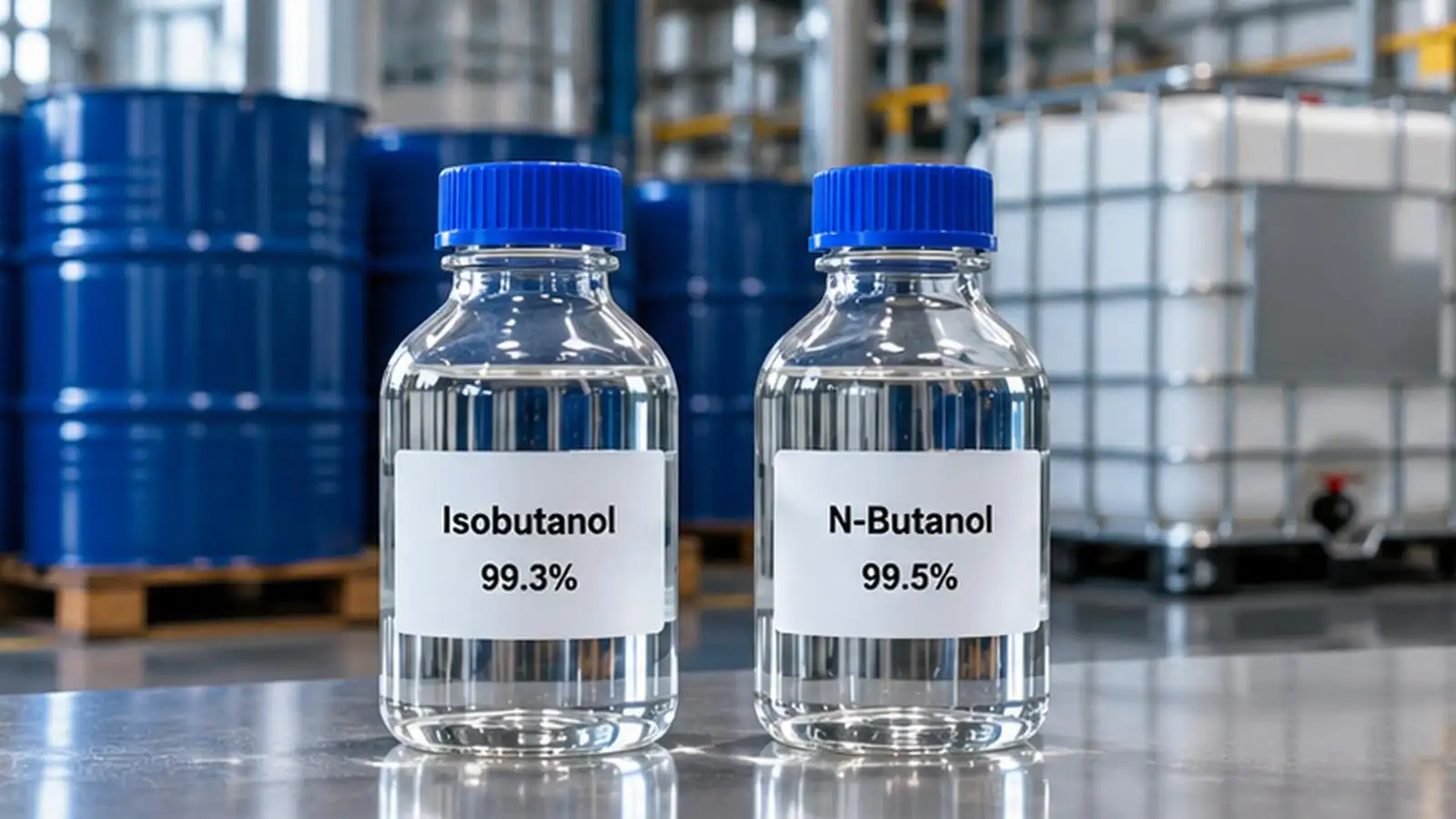
Isobutanol 99.3% vs N-Butanol 99.5%: Key Differences for Industrial Buyers
2026-10-22
2-Ethylhexanol (2-EH) 99.5% Price and Supply Guide: What Global Buyers Need to Know in 2026
2026-10-20
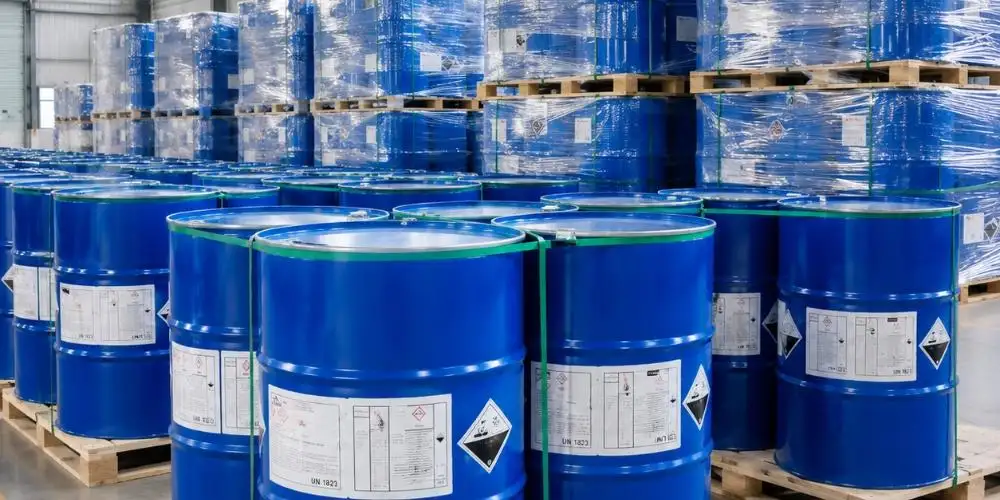
N-Butanol 99.5% Suppliers in China: A Complete Bulk Buying Guide for 2026
2026-10-19
Sodium Sulfate Anhydrous Price in 2026: Key Factors Every Bulk Buyer Should Know
2026-10-19
A certificate showing 99.5% n-butanol purity does not tell a coating manufacturer how much water entered the solvent tank. Nor does it establish whether the material contains enough residual isobutanol or acidic impurities to interfere with downstream processing.
These distinctions become expensive when purchasing full-container quantities. A solvent that meets its nominal assay may still require additional drying, formulation adjustments, or rejection.
For buyers comparing N-Butanol Suppliers in China, the purchasing decision should begin with the impurity profile and end with verified batch quality, transport conditions, and the actual delivered cost.
What Does 99.5% N-Butanol Purity Mean?
N-butanol (CAS 71-36-3) is a colorless, transparent, four-carbon primary alcohol with a boiling point of about 118°C. Because of its solvent and hydroxyl functionalities, applications include use as a resin forming solvent and as an intermediate in the synthesis of N-butyl esters.
Vanchor supplies industrial NBA (N-Butanol) 99.5% Min. Our published product information states:
•Purity: ≥ 99.5%
•Molecular formula: C₄H₁₀O
•Molecular weight: 74.12 g/mol
•Appearance: Colorless, transparent liquid
•Grade: Industrial
The residual fraction is not necessarily a single impurity. Depending on the production route and purification process, residual components can be other alcohols (such as iso-butanol), water, carbonyl compounds and/or acidic components.
There is also an analytical distinction worth checking.
Gas chromatography (GC) area normalization measures relative detector responses. Unless calibration and response factors are properly accounted for, the resulting area percentage cannot automatically be interpreted as weight-based purity. Water may also require a separate analytical method.
Buyers should therefore request the assay basis, impurity limits, and test methods before treating two 99.5% quotations as technically equivalent.
Which Impurities Affect N-Butanol Applications?
The consequences depend on whether n-butanol acts as a reaction feedstock or remains part of a finished formulation.
| Application | Critical Concern | Recommended Verification |
| Butyl acetate production | Water increases separation duty and affects esterification equilibrium | Karl Fischer moisture test, acidity analysis |
| Coatings and inks | Solvent composition affects evaporation, resin compatibility, and film formation | GC profiling, drying and compatibility tests |
| Adhesives and resins | Moisture or volatile impurities may change viscosity and curing behavior | Moisture analysis, viscosity and curing trials |
| Industrial cleaning | Contaminants may leave unwanted residues or interfere with cleaning performance | Residue testing and application trials |
Consider butyl acetate manufacturing.
Butyl acetate is produced from the reaction of n-butanol and acetic acid. Since esterification is a reversible reaction, the buildup of water can reduce conversion. This can be compensated by removing water or using a method that controls the equilibrium.
The moisture in the feedstock is another variable. This must be evaluated with the catalyst and reactant conditions, and the plant's water removal systems.
There are different issues with coatings.
In film coating, the slow evaporation of n-butanol allows for solvent availability during the film formation process. However, the extended drying time can lead to changes in solvent composition and film clarity.
The testing of a given batch of solvent does not warrant an acceptable purity for use in a coating application. Acceptability of a batch is only validated if the solvent is tested under the formulation and drying conditions for which it is intended.
How Do Buyers Check Batch Consistency?
Bulk solvent qualification should provide evidence of consistency of behavior across multiple shipments, not evidence that individual shipments always meet a minimum purity specification.
A reasonable incoming inspection plan includes:
•GC: analyze n-butanol level and other volatile organic impurities.
•Karl Fischer titration: measure water content.
•Acidity: analyze acidic impurities.
•Appearance and Density: assess for contamination or changes to composition.
•The purchase order should specify the above and define acceptance levels and methods for resolving disputes.
•A Certificate of Analysis (COA) is useful only when its batch number corresponds to the delivered material.
At Vanchor, our published quality-control framework covers incoming material inspection, production monitoring, finished-product testing, and pre-loading verification. Our general quality-control information also describes retaining shipment samples for at least three months.
Those company-wide procedures should not be mistaken for published n-butanol-specific impurity limits or batch test results. Buyers should request the relevant documentation and confirm how the procedures apply to their contracted supply.
For an initial order, independent laboratory analysis and a controlled production trial provide stronger evidence than a supplier specification alone.
How Should Buyers Evaluate Chinese N-Butanol Suppliers?
The first commercial distinction is whether the quoted material comes directly from a producer or through a distributor.
A distributor may give the option for flexible sourcing or for consolidated shipments. Direct producers usually give faster access to process and production records. Reliable consistency is not guaranteed with either option.
Before placing a recurring order, establish the production origin and whether substitution between sources is permitted.
Three conditions merit additional discussion:
• Source control. Different production sources may result in different residual impurities profiles. A switch in source should warrant review of the agreed upon specification and, if necessary, revalidation of the test method.
• Batch traceability. Shipment documents and certificates of analysis should identify batches of material. A container identification number and samples retained by the purchaser should also reference batches of material.
• Quantities, lead times and procedures to handle delayed or nonconforming batches should be reviewed. Confirmation of an export capability does not mean a production allocation has been made.
Vanchor offers sourcing of chemicals and related export services. Our listing of n-butanol does not specify a production capacity, therefore, a volume commitment should be made during a quotation.
What Type of Bulk Packaging is Appropriate?
N-butanol is a flammable liquid, with a typical flash point of 35°C. Dangerous goods classification is UN 1120, Butanols, Class 3, Packing Group III.
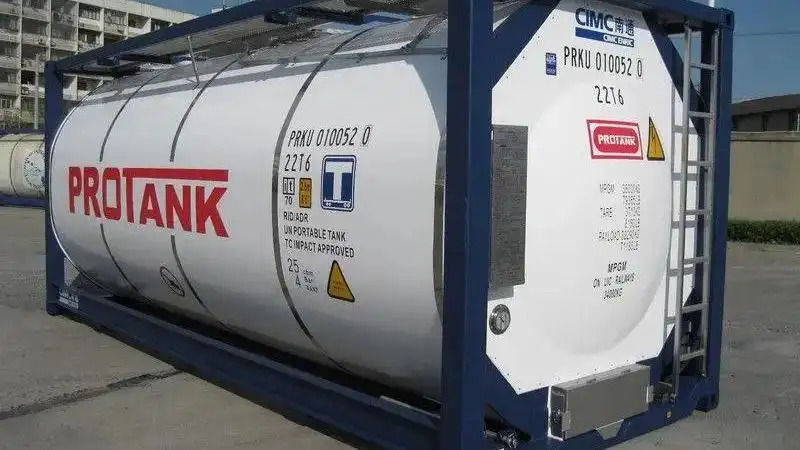
Vanchor's product page lists 170 kg iron drums, ISO tanks and bulk liquid vessel arrangements as packaging.
Iron drums are more flexible for smaller shipments, but increase packaging, handling and disposal requirements.
For larger liquid shipments, ISO tanks are more appropriate if the receiver has the appropriate equipment for unloading. The buyer should verify tank cleanliness, check previous-cargo-restrictions, connection compatibility, and make arrangement for discharging the product.
Sealed containers address contamination risk, however, the quality of the material may be compromised due to poor cleaning, and/or the equipment used for transfer.
Make sure the documentation requested is adequate for transport, and ensure the hazardous materials requirements for the transport route prior to shipping.
What Determines the Real Bulk Buying Cost in 2026?
A lower unit price may not always reflect a lower operating cost.
Make an appropriate comparison of quotations. The price may not be impacted by quotation, however, the total landed cost may be affected by various factors including: freight surcharges for the transportation of dangerous goods, insurance, port charges, tank detention, import costs, and off-specifications material. Off-specification material may include drying and/or further investigations by a laboratory, production delays, and/or lost inventory.
For repeated procurement, an agreed impurity specification and a reference batch are more useful than relying on the quoted assay.
Vanchor also provides industrial N-Butanol 99.5% and is also able to support with bulk procurement. For more information, please contact info@vanchorsc.com with your requirements and specifications.
FAQs
Q1. What Purity of N-Butanol Does Vanchor Supply?
Vanchor offers industrial-grade n-butanol with a published minimum purity of 99.5%. The product has CAS number 71-36-3 and is supplied as a colorless, transparent liquid.
Q2. What Applications Is Vanchor's N-Butanol Suitable For?
Vanchor's n-butanol is intended for industrial coatings, printing inks, adhesives, resins, solvents, and chemical intermediates such as butyl acetate. Application-specific testing is recommended.
Q3. Does Vanchor's 99.5% Purity Specification Include Moisture Limits?
Not explicitly. Vanchor offers a minimum purity of 99.5%.
Q4. Can Vanchor Provide a Certificate of Analysis?
Vanchor's COAs accompany its chemical shipments. Buyers should request a lot-specific COA showing applicable purity, impurity limits, analytical methods, and batch identification.
Q5. Can Buyers Request N-Butanol Samples from Vanchor?
Yes. Vanchor advertises sample availability for n-butanol evaluation. Sample quantities, transport restrictions, and shipping arrangements should be confirmed before dispatch.


Contact Us
In This Article
Related Posts
Isobutanol 99.3% vs N-Butanol 99.5%: Key Differences for Industrial Buyers
2026-10-22
2-Ethylhexanol (2-EH) 99.5% Price and Supply Guide: What Global Buyers Need to Know in 2026
2026-10-20
N-Butanol 99.5% Suppliers in China: A Complete Bulk Buying Guide for 2026
2026-10-19
Sodium Sulfate Anhydrous Price in 2026: Key Factors Every Bulk Buyer Should Know
2026-10-19


