


2-Ethylhexanol (2-EH) 99.5% Price and Supply Guide: What Global Buyers Need to Know in 2026
By Vanchorsc
2026-10-20Related Posts
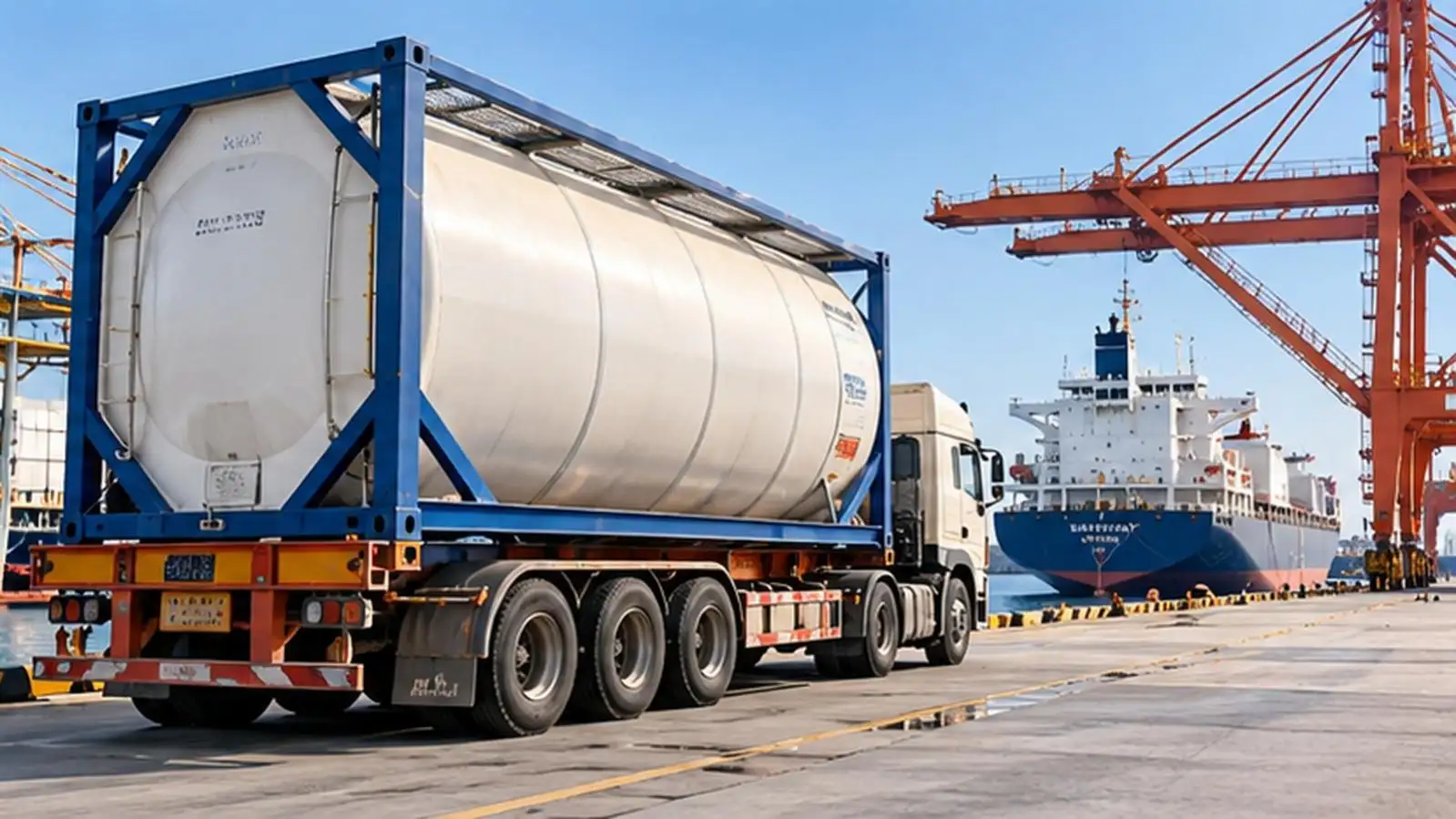
How to Choose a Reliable 2-Ethylhexanol (2-EH) Supplier in China: Quality, Packaging and Shipping
2026-10-22
Natural vs Synthetic Sodium Sulfate Anhydrous: Which Is Better for Industrial Applications?
2026-10-22
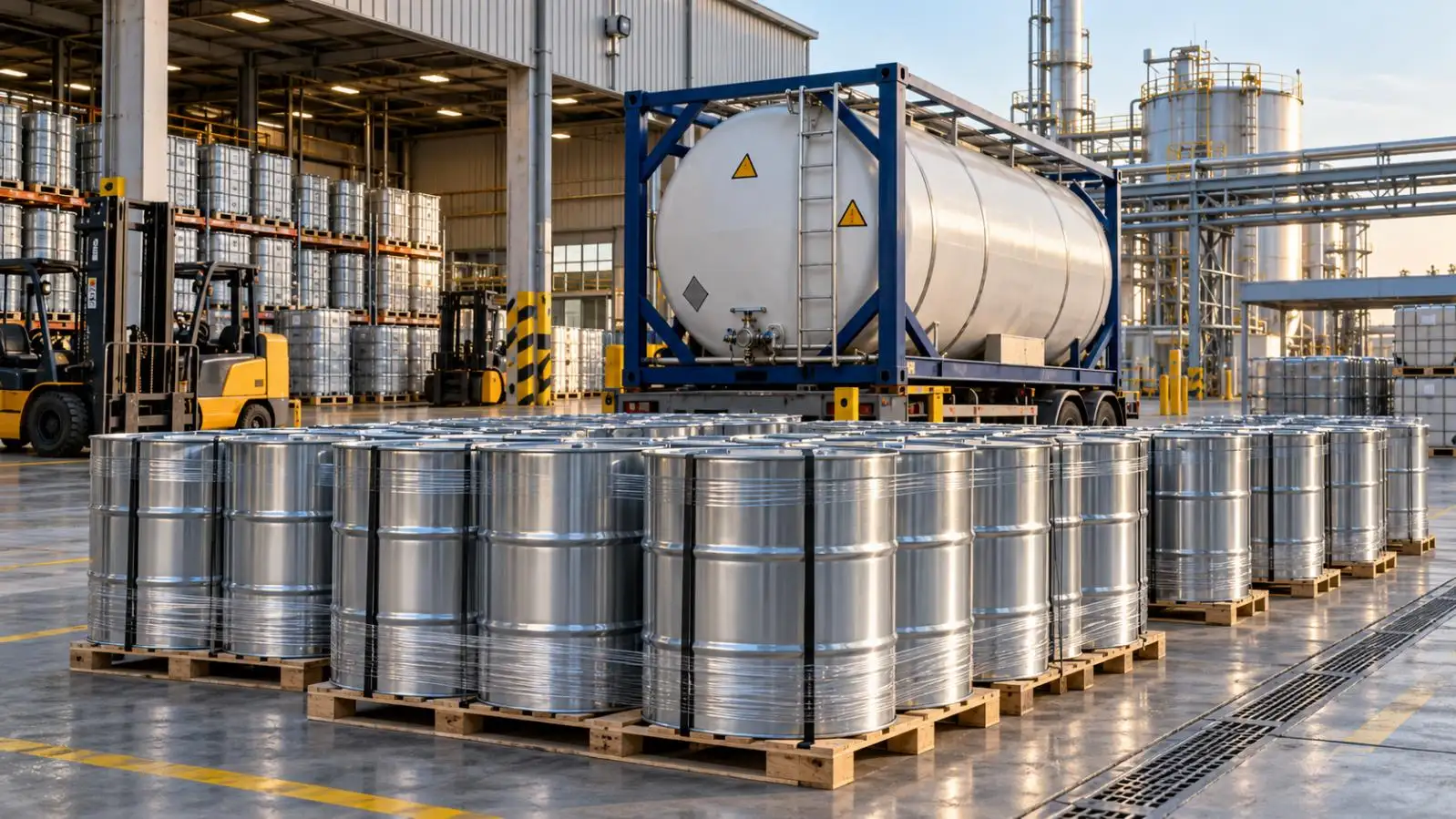
Isobutanol 99.3% Price and Supply in 2026: A Guide for Chemical Importers
2026-10-22
Sodium Sulfate Anhydrous 99% for Detergent Manufacturing: Benefits, Specifications and Bulk Supply
2026-10-22
Shipments of 2-Ethylhexanol (2-EH) of 99.5% purity may create problems during production of plasticizers. Excess moisture puts added strain on the water removal systems, and remaining carbonyl compounds may affect the color of the finished ester. Neither of these issues are indicated in the headspace assay.
For 2026 global buyers of 2-Ethylhexanol (2-EH), the purchase decision is determined by three questions. Does the 2-EH meet the process requirements? Is the quoted price competitive, on a delivered basis? Is the supplier able to provide consistent quality in shipments?
What will Affect 2026 2-Ethylhexanol Prices?
The August 2026 FOB 2-Ethylhexanol prices from China were about 1,244.30 USD/MT, which was higher than July's prices of 1,083.16 USD/MT, as reported by Procurement Resource.
The October market presented a different picture. ChemPriceHub reported Shandong ex-factory prices of RMB 9,000–9,200/MT on October 10. Meanwhile, Oxea announced a 2-EH price increase effective October 1, 2026, or as contracts permitted: EUR 70/MT in Europe and USD 80/MT in applicable markets outside North America and Mexico.
These figures describe different transaction bases. A Chinese domestic ex-factory assessment cannot be compared to an FOB export price without considering currency, inland transportation, export handling, and trade conditions.
There are three elements that require additional discussion:
•Propylene Costs: Generally, the higher the costs, the greater the impact on the downstream market and the production costs, however, the upstream market and the supply/demand balance will ultimately determine how much the producer can recover.
•Operating Rates: Constraints in prompt availability may be due to a number of reasons, including, but not limited to, a maintenance turnaround, reduced production, or reduced throughput. Shortages may be present at the plant level even if the plant is operating at 100% capacity.
•Demand for Plasticizers: Demand for Plasticizers affects the downstream market. Changes in feedstock supply/demand will not necessarily affect supply.
Market assessments provide benchmarks for negotiations. For purchased materials, buyers still need quoted prices to be valid for a specified period to ship a specified quantity to a specified loading location to be conveyed by specified means of transportation.
What Influences the Quality and Supply of 2-Ethylhexanol?
Industrial 2-Ethylhexanol is derived from Propylene via hydroformylation.
Propylene is reacted with carbon monoxide and hydrogen to produce butyraldehydes. n-Butyraldehyde is distilled and the rest of the reaction mixture is condensed to form 2-ethylhexenal, which is then hydrogenated to 2-EH.
Several potential issues can occur along the path of this production route.
If aldehyde separation is not complete, downstream purification has to remove the remaining aldehyde. Partial or incomplete hydrogenation can lead to the presence of unsaturated or carbonyl groups. The success of distillation depends on how efficiently the lighter or heavier components of the reaction mixture are removed.
Plants that produce multiple Oxo chemicals can vary their product mix to butyraldehyde derivatives, given the right operating constraints and economics.
This means that a change in a supplier's manufacturing source of the same Oxo chemical, albeit of a different nominal grade, could mean that a change of supplier is required. Impurity profiling and a sample of the production batch would need to be assessed.
Is 99.5% Purity of 2-Ethylhexanol Sufficient for Plasticizer Production?
Vanchor provides 2-Ethylhexanol with purity ≥99.5% as a colorless and transparent liquid for industrial use.
Different applications impose different impurity sensitivities.
| Parameter | Potential Process Impact | Verification |
| Water | Adds to dehydration duty during direct esterification | Karl Fischer titration |
| Carbonyl compounds | May contribute to odor or color development | Validated carbonyl analysis |
| Acidity | Can affect reaction control and downstream specifications | Acid-value testing |
| Color | May indicate contamination or degradation | Pt-Co/APHA measurement |
| Organic impurities | May carry through into finished esters | GC impurity profile |
These are recommended assessment parameters, not additional specifications verified for Vanchor's product.
What Are Some Key Aspects of a Competitive Price Quote?
DOP and DOTP are produced through variations of the esterification reaction. DOTP can also be produced via direct esterification of terephthalic acid.
How moisture affects the process is determined by the route of esterification. In a direct esterification process, water removal helps drive the process. In transesterification process, the key operating condition is removal of methanol.
Feed containing excess water increases separation duty. The effect is however, dependent on feed ratio, catalyst, type of reactor, and the existing dehydration means.
Before a change to a new grade is made, the conversion behavior, reaction time, final acid value, color, and purification requirements need to be compared for equivalency under similar operating conditions.
How Should Buyers Compare FOB, CIF and Landed Costs?
The most economical FOB price does not necessarily mean the lowest delivered cost.
Comparing two 2-EH price quotes with identical assay requirements, the one with a lower 2-EH price, however, may require drum shipments and the other with a higher price may allow shipment by ISO-tank.
If a customer's plant is equipped with facilities for bulk unloading, freight differences may outweigh the price differences, especially when considering packaging waste, labor and unloading time.
A price quote should include:
•Product price: Net price per metric ton, currency, and quote date are to be stated.
•Transport cost: Ocean freight, insurance, port and inland delivery.
•Packaging: Drum or IBC, return conditions, and net payload.
•Others: Customs duty, non refundable taxes, quality assurance, sample and testing, potential rejection and replacement.
For CIF shipments, sellers arrange and pay for freight and insurance, but risk generally passes when the goods are loaded aboard the vessel. Freight payment and risk allocation are separate matters, and buyers should be mindful not to confuse the two.
When making a comparative evaluation of total landed cost, use the same destination and delivery window. Otherwise, differences in freight and inventory costs may lead to distortion and affect the purchasing decision.
Which Packaging and Handling Conditions Should Buyers Verify?
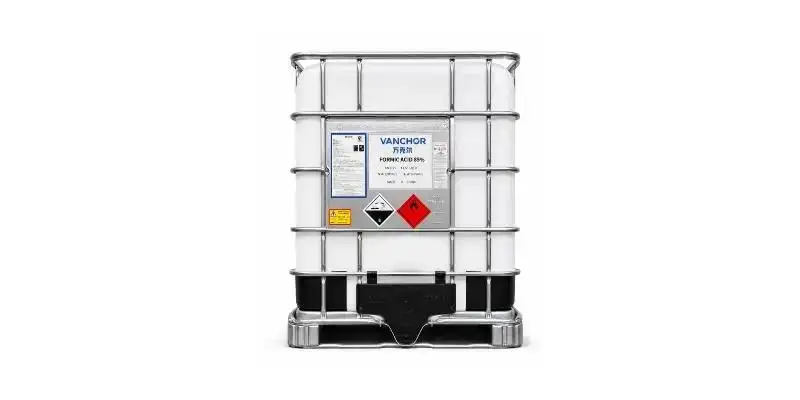
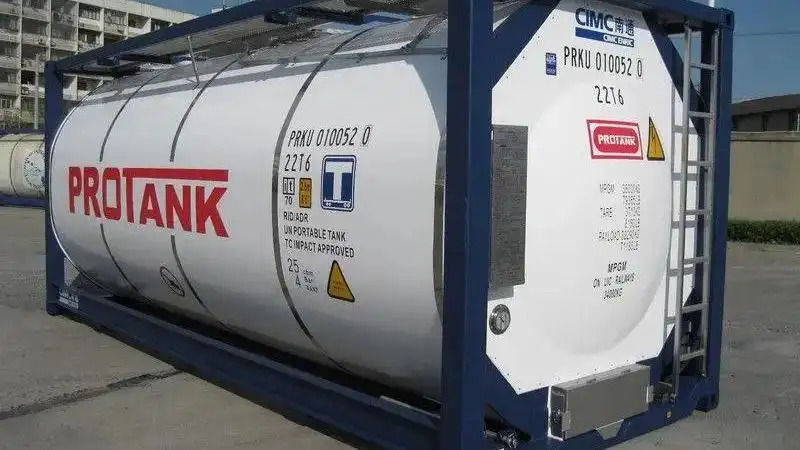
Amongst Vanchor's published packaging options are 170 kg iron drums, 850 kg IBCs, and ISO tanks. Availability and suitability should be confirmed for each order.
Drums can be used for smaller deliveries, but can introduce additional handling.
Using IBCs would reduce the number of individual units, however the material of the container and suitability of the discharge arrangement should be verified.
For larger shipments, the use of an ISO tank may be economical. However, a suitable pump, hoses, storage capacity, and a defined history of equipment cleaning may also need to be verified.
Because of its low flashpoint, 2-EH poses a risk of fire, especially during transport, where it could come in contact with other sources of heat.
Before shipping, review the shipping-specific SDS, ensure that transportation classification is correct, and that the seals on the tank are signed and dated by authorized personnel. Also ensure that the destination is in compliance with the transported good's regulations and validate the tanks are clean.
Purchasing agreements should be specific and cover batch acceptance and sample limits, the sources of manufacture, permitted delivery windows, and the responsibilities of the parties in the agreement for off-specification materials.
As part of fulfilling an agreement, the supplier should provide a certificate of analysis, with identification of the batch, and test results. The buyer should be able to trace the shipment to the manufacturer.
It is good practice for both the buyer and supplier to develop a rolling forecast for the shipment of the material based on the anticipated, seasonal, demand, especially for products with irregular demand. The forecast, however, does not automatically mean that the supplier is allocated that material. The allocation should be made and confirmed separately.
Vanchor offers export documentation, packaging and 2-EH 99.5% for the industrial market. Customers are advised to verify lead times and manufacturing origin of the product.
For a quote on transporting 2-EH to your required destination, please contact Vanchor and state the quantity and quality specifications that you need.
FAQs
Q1. What Grade of 2-Ethylhexanol Does Vanchor Supply?
Vanchor offers industrial-grade 2-Ethylhexanol (CAS 104-76-7) with a minimum purity of 99.5%, supplied as a colorless transparent liquid.
Q2. Is Vanchor's 2-Ethylhexanol Suitable for DOP and DOTP Production?
2-EH is a key raw material for DOP and DOTP plasticizers. Buyers should verify moisture, acidity, carbonyl content, and batch consistency against their production requirements.
Q3. How Much Does 2-Ethylhexanol 99.5% Cost in 2026?
Prices vary with propylene costs, regional supply, order volume, and delivery terms. Contact Vanchor for a current, shipment-specific quotation.
Q4. What Packaging Options Does Vanchor Offer for 2-EH?
Vanchor lists 170 kg iron drums, 850 kg IBCs, ISO tanks, and bulk vessel options. Packaging availability depends on shipment requirements.
Q5. Does Vanchor Provide a Certificate of Analysis for 2-Ethylhexanol?
Vanchor advertises technical documentation support. Buyers should confirm the availability of a batch-specific COA covering agreed quality parameters before ordering.


Contact Us
In This Article
Related Posts
How to Choose a Reliable 2-Ethylhexanol (2-EH) Supplier in China: Quality, Packaging and Shipping
2026-10-22
Natural vs Synthetic Sodium Sulfate Anhydrous: Which Is Better for Industrial Applications?
2026-10-22
Isobutanol 99.3% Price and Supply in 2026: A Guide for Chemical Importers
2026-10-22
Sodium Sulfate Anhydrous 99% for Detergent Manufacturing: Benefits, Specifications and Bulk Supply
2026-10-22


