


Sodium Sulfate Anhydrous Price in 2026: Key Factors Every Bulk Buyer Should Know
By Vanchorsc
2026-10-19Related Posts
Isobutanol 99.3% vs N-Butanol 99.5%: Key Differences for Industrial Buyers
2026-10-22
2-Ethylhexanol (2-EH) 99.5% Price and Supply Guide: What Global Buyers Need to Know in 2026
2026-10-20
N-Butanol 99.5% Suppliers in China: A Complete Bulk Buying Guide for 2026
2026-10-19
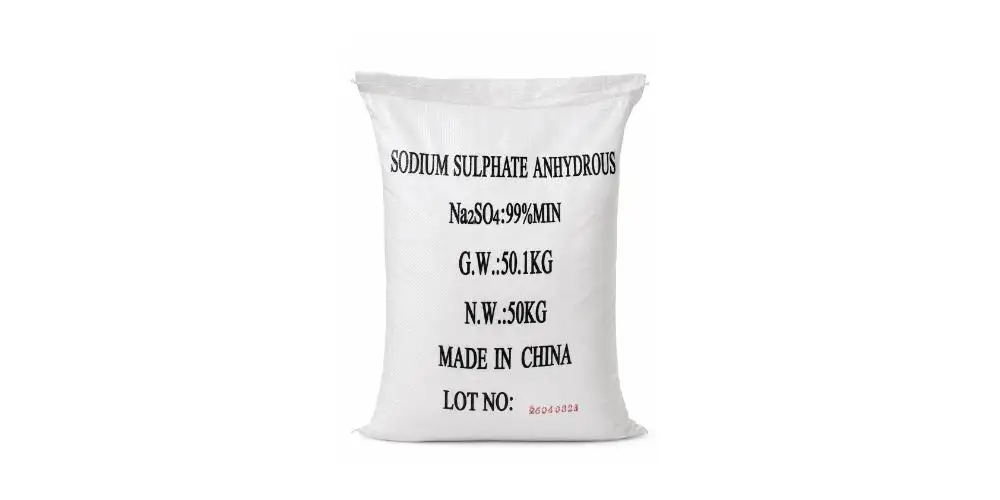
Sodium Sulfate Anhydrous Price in 2026: Key Factors Every Bulk Buyer Should Know
2026-10-19
The purchasing team gets two quotes for 200 MT sodium sulfate anhydrous. One quote is $12/MT cheaper. But, the supplier of the cheaper quote provides FOB terms, offers a general statement for purity and cannot ensure consistency of particle size. The other quote provides terms delivered, and offers batch level analytics.
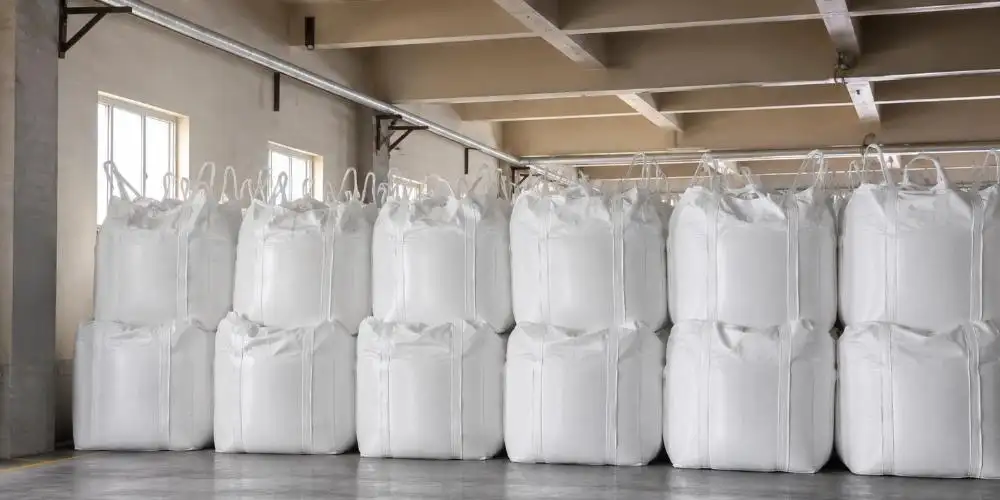
When reviewing prices in isolation, it can be misleading. Price variations of Sodium Sulfate Anhydrous in 2026, are due to the method of production, chemical specifications, conditions of transport, and the quantity of material in a condition acceptable for further use.
Deviations in consistency in a manufacturer processing continuous detergent, glass or textile products can lead to major quality defects which can cost more than the discount purchased.
What Do 2026 Sodium Sulfate Prices Indicate to Buyers?
Sodium sulfate price assessments typically reflect prices during negotiations, but are generally not the prices for which contracts are signed.
In Procurement Resources' opinion, August 2026 sodium sulfate price assessments were as follows:
•China: $71.32/MT FOB
•US: $226.94/MT CIF
•Germany: $184.91/MT CIF
•Japan: $105.64/MT CIF
Because of differences in the terms of the contracts, prices for different markets cannot be compared.
Price assessments for the same country may be different. For example, in June 2026, according to IMARC, sodium sulfate price assessments for the US were at $225/MT, while according to Procurement Resources, the price was $190/MT. Price assessments may be performed by different organizations, and may reflect trades in different geographical locations. In addition, differences in the qualities of sodium sulfate and the sizes of the transactions must be considered when using assessments as reference prices for purchase transactions.
For imported material, FOB prices exclude the buyer's main-carriage freight and insurance arrangements. CIF includes specified freight and insurance to the destination port but generally excludes import clearance, duties, and inland delivery.
A procurement comparison should therefore use the same destination, shipment volume, specification, and Incoterms basis.
Why Does Production Route Influence the Price?
Not every sodium sulfate producer faces the same manufacturing costs.
Natural sodium sulfate may be recovered from thenardite deposits or processed from hydrated mirabilite. The latter requires water removal to produce anhydrous Na₂SO₄. Where evaporation, crystallization, and drying are necessary, thermal energy becomes a significant operating expense.
Economics don't always work in favor of byproduct sodium sulfate. Its production may depend on upstream, chemical operations, making it unavailable at times. Low prices may not always bring an adequate supply to meet demand.
Additional costs related to chemical synthesis may include consumption of reactants, separation and purification.
In the context of long-term contracts, a producer that relies on minerals may also be price sensitive to variation in the sodium sulfate ore and drying costs, whereas a byproduct source may experience disruptions for other reasons.
When requesting information from suppliers, ask them to describe the production route for the material and provide reason for changes in sourcing. While Vanchor has published product information, it doesn't describe the production route for every shipment. This should be verified during supplier qualification.
Which Specifications Justify a Higher Purchase Price?
A high assay value does not guarantee that two sodium sulfate grades will perform identically.
Vanchor offers the following specifications for its industrial Sodium Sulfate Anhydrous:
•Na₂SO₄ purity: ≥99%
•Moisture: ≤0.2%
•Appearance: White crystalline powder or granules
•Referenced standard: GB/T 6009-2014
•CAS number: 7757-82-6
Consequences of variation depend on the application.
•Detergent Powders: The distribution of particle sizes in powder affects the amount of segregation and dust generation during powder flow. Moisture-related agglomeration may also block feeders. Flow tests and sieve analyses, as compared to visual assessment, provide more information.
•Glass Manufacturing: In appropriate compositions, sodium sulfate can be used as a fining agent. The decomposition of sulfates releases gases and reduces the melt. Foaming in the melt can also be due to poor control of sodium sulfate addition. Variation of impurities and improper melt conditions cause variations in product quality.
•Textile Dyeing: In dye baths, sodium sulfate can increase the ionic strength of the baths, and aid in the exhaustion of certain dyes on to cellulosic fibers. Variation of sodium sulfate in the bath would affect the reproducibility of shades.
For critical applications, customers should stipulate limits of chlorides, iron and insoluble matter. Vanchor's published basic specifications do not cover all of the above.
How Do Packaging and Freight Change the Delivered Cost?
Although sodium sulfate is typically transported in bags, packaging selection influences both handling cost and material condition.
Vanchor lists 50 kg PP woven bags with PE inner liners and 1,000 kg FIBC jumbo bags, as standard options.
For a shipment of 20 MT, the formats represent 400 smaller bags or 20 jumbo bags. From a logistics point of view, 20 jumbo bags reduce the number of lifts and handling operations as compared to 400 smaller bags. However, not all receiving systems are set up to handle 20 jumbo bags. Smaller bags may be more appropriate when a receiving system cannot be set up to bulk unload.
Manual handling of smaller bags increases the cost of bag disposal. Caking can occur for a number of reasons including damaged inner liners, condensation, and/or wet storage. Caking can cause the material to form hard agglomerates that may block the feeding system.
Although it's important to consider the nominal capacity of bags, it's also important to consider the condition of the liners, storage conditions, and unloading methods to evaluate the likelihood of caking, among other issues. Unloading compatibility should be evaluated during qualification of packaging.
How Should Buyers Calculate the Effective Cost per Ton?
The useful comparison is landed cost per accepted metric ton, rather than invoice price alone.
Consider two hypothetical shipments:
| Purchasing Variable | Supplier A | Supplier B |
| Material price (USD/MT) | $120 | $128 |
| Freight and receiving (USD/MT) | $35 | $20 |
| Delivered cost (USD/MT) | $155 | $148 |
| Assumed unusable quantity | 1.0% | 0.2% |
| Cost per usable MT | $156.57 | $148.30 |
The figures shown are examples and do not represent actual market prices or supplier performance data.
The landed cost is the total cost of the product including transportation and other costs associated with delivering the product to the final destination. Divided by the useful fraction of that landed cost, the calculation shows that Product B is actually cheaper than Product A.
In some chemically sensitive applications, the price can also be normalized to actual Na₂SO₄ content. In such cases, a buyer must confirm whether the assay is reported on a dry or as-received basis to avoid double accounting for moisture.
What Should a 2026 Bulk Supply Agreement Specify?
Prior to placing a purchase order, acceptance criteria must be defined and independent acceptance tests devised.
The agreement must include:
•Quality: Assay basis, levels and nature of moisture and other relevant impurities, particle-size and testing methods.
•Verification: Batch-specific COA, sampling procedure, accredited testing laboratory, and means of resolving disputes.
•Delivery: Incoterms 2020, named destination, shipping schedule, packaging, and liability for damage in transit.
•Continuity: Approved production sources, notice of material change, and procedure for handling non-conforming batches.
For follow-on purchases, comparison of successive COA's may reveal changes in levels of Moisture and other impurities prior to them becoming product and process control problems. In such cases, inspection may not be required.
Request Sodium Sulfate Anhydrous Pricing From Vanchor
Vanchor has sodium sulfate anhydrous with 99% purity and 0.2% moisture or less, bulk packaging. Buyers can contact Vanchor for verification against specification, quotations, and batch documents based on requirements.
FAQs
Q1. Can Vanchor Provide COA, SDS, and Technical Data Sheets?
Yes. Vanchor lists COA, SDS, and TDS documentation support. Buyers should request a lot-specific COA and confirm the analytical methods used for critical specifications.
Q2. What Purity Does Vanchor Offer for Sodium Sulfate Anhydrous?
Vanchor lists industrial-grade sodium sulfate anhydrous with a minimum Na₂SO₄ purity of 99%. Buyers can request a Certificate of Analysis (COA) to verify individual shipment quality.
Q3. What Is the Moisture Specification of Vanchor's Sodium Sulfate?
Vanchor publishes a moisture limit of ≤0.2%. Properly sealed packaging and dry storage help prevent moisture-related caking and handling problems.
Q4. Which Quality Standard Does Vanchor's Sodium Sulfate Follow?
Vanchor references GB/T 6009-2014 for industrial anhydrous sodium sulfate. Buyers should confirm the applicable grade requirements and batch test results before purchasing.
Q5. What Packaging Options Does Vanchor Provide for Bulk Orders?
Vanchor offers 50 kg PP woven bags with PE liners and 1,000 kg FIBC jumbo bags. Customized packaging options are also listed, subject to order confirmation.


Contact Us
In This Article
Related Posts
Isobutanol 99.3% vs N-Butanol 99.5%: Key Differences for Industrial Buyers
2026-10-22
2-Ethylhexanol (2-EH) 99.5% Price and Supply Guide: What Global Buyers Need to Know in 2026
2026-10-20
N-Butanol 99.5% Suppliers in China: A Complete Bulk Buying Guide for 2026
2026-10-19
Sodium Sulfate Anhydrous Price in 2026: Key Factors Every Bulk Buyer Should Know
2026-10-19


