



Sodium Formate Exporter: How to Choose a Reliable Global Supplier
By vanchor
2026-07-22Related Posts
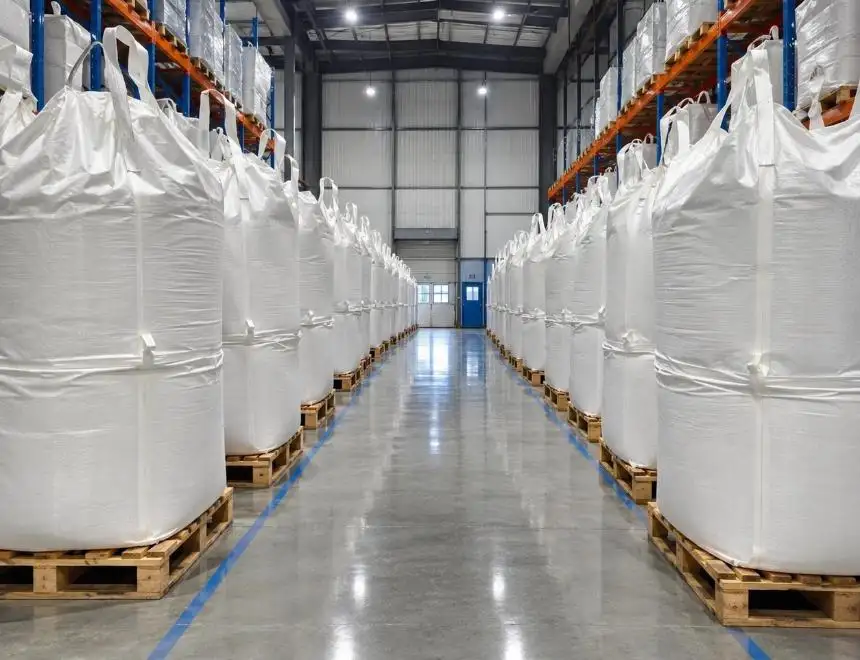
What Purity Is Required for Sodium Formate for De-Icing Applications?
2026-08-21
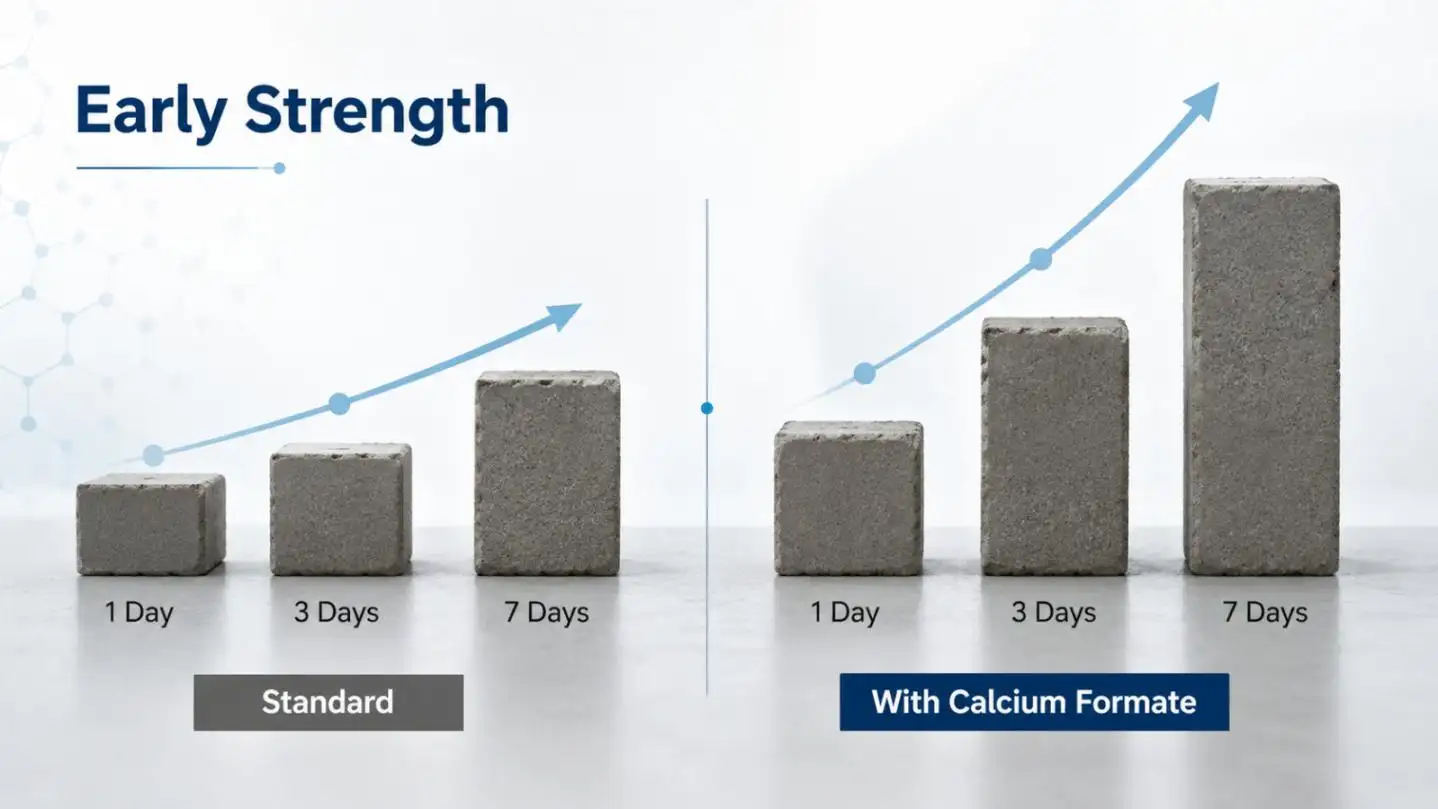
Calcium Formate for Tile Adhesive: How It Improves Early Strength and Setting Time
2026-08-20
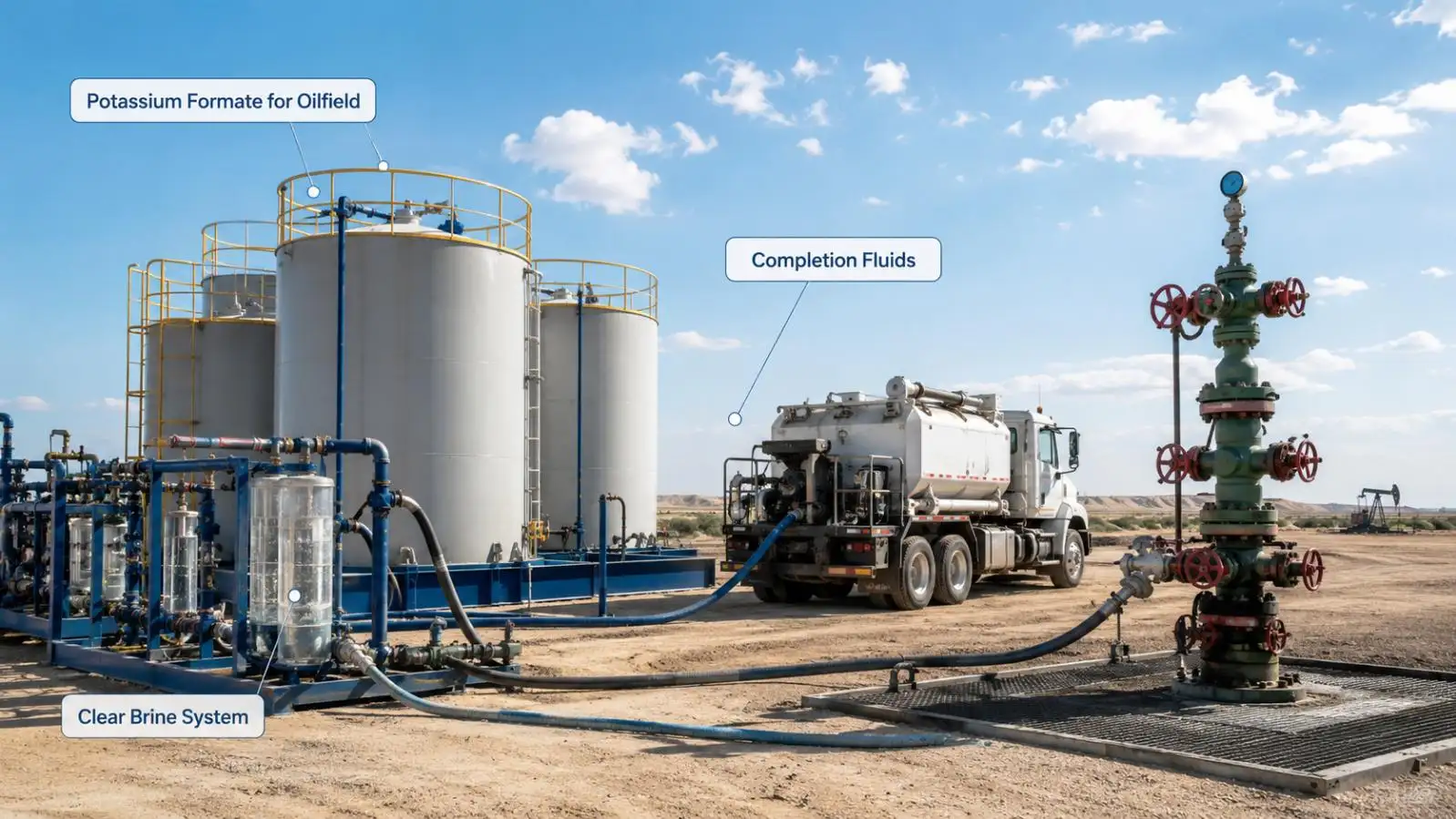
Potassium Formate for Oilfield Completion Fluids: Density, Compatibility and Formation Protection
2026-08-19
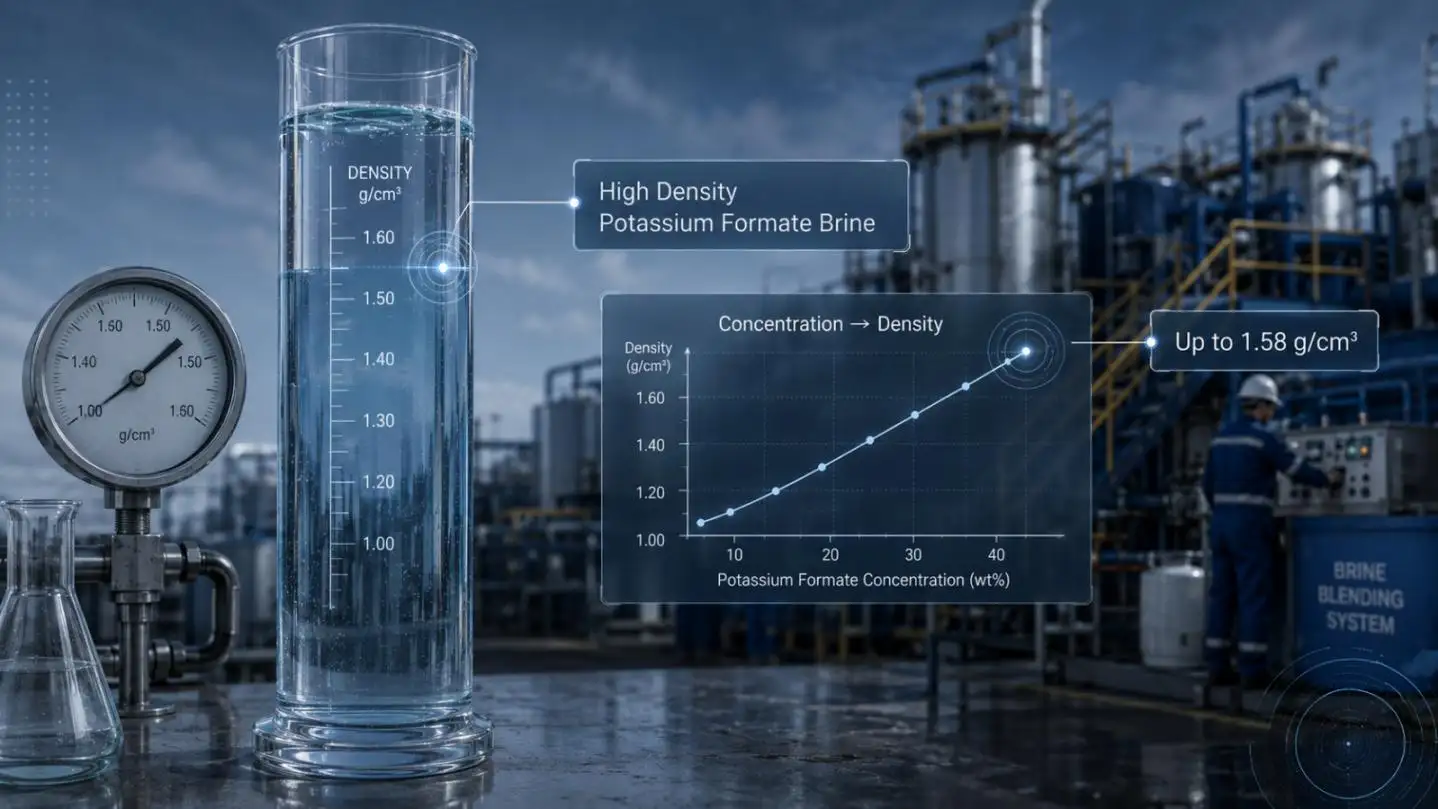
High Density Potassium Formate Brine: Density Range, Properties and Oilfield Applications
2026-08-18
A reliable Sodium Formate Exporter is essential for providing quality and reliable supply of Sodium Formate to its customers involved in construction industry, leather processing, oil field operations, chemical manufacturing and various industrial applications. When it comes to choosing an exporter, it's not just about the price for an international buyer. Purchasing results can be affected by product purity, production capabilities, documentation, packaging, shipping experience and technical support.
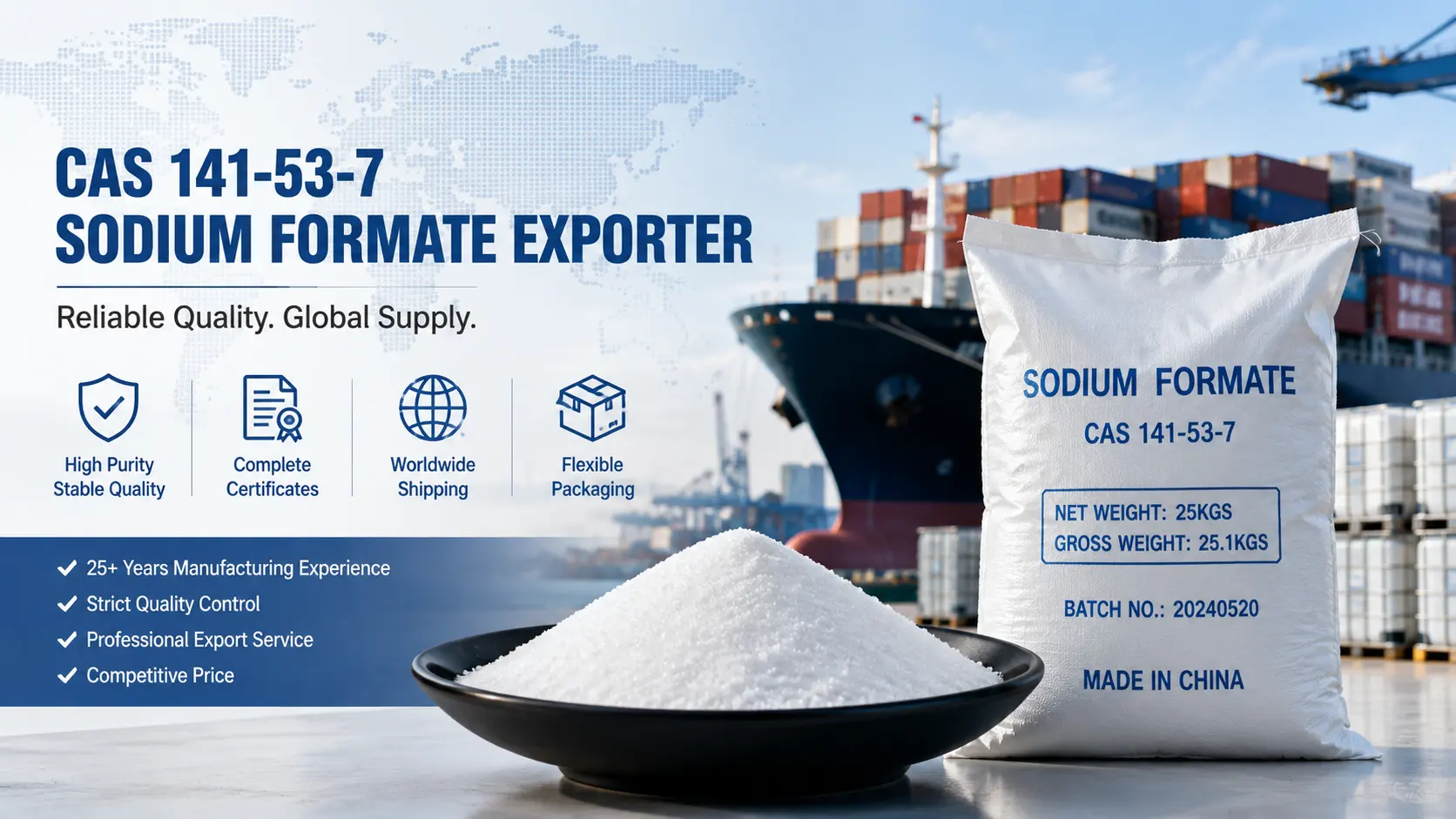
The demand for industrial chemicals is on the rise worldwide, and buyers expect suppliers to not only know how to manufacture the chemicals but also how to do business across the globe. An expert sodium formate exporter can help minimise quality risks, delivery delays, customs issues and unneeded procurement costs.
What Is Sodium Formate?
Formic acid is the acid that sodium is combined with to form sodium formate. It is normally supplied as a good water soluble white crystalline powder. Due to its chemical stability and useful performance properties sodium formate is used as an industrial raw material and processing additive.
It has the CAS number 141-53-7 and can be represented by the chemical formula HCOONa. Sodium formate can be obtained in various purities, particle sizes, moisture contents and packaging sizes, depending on the application.
The required technical specification should be confirmed prior to ordering by Industrial buyers. When necessary, a professional sodium formate exporter should be able to deliver a technical data sheet, safety data sheet, certificate of analysis and product sample.
Main Applications of Sodium Formate
Sodium formate is used in a variety of industries. Its suitability depends on purity, moisture content, particle size, and production process.
Leather Tanning and Processing
Leather industry is the major application of sodium formate. It is frequently employed to regulate acidity and penetration of chemical agents in the tanning and dyeing processes.
In leather processing, the stable of product quality is particularly significant, as the quality fluctuation of raw materials can impact the uniformity of color, softness, surface appearance, and processing efficiency.
A sodium formate exporter, who supplies leather manufacturers, should realize the significance of batch uniformity and the accuracy of the test results for each batch.
Construction Materials
Sodium formate can be added to cementitious materials, dry-mix mortar, concrete admixtures and other construction chemical products.
It can be used to meet specific performance needs like setting control, low-temperature processing or formulation stability. However, the dosage recommended will be determined by the full formula, raw materials, temperature and performance desired.
Sodium formate should be used in large scale construction work only after laboratory and production trials.
Oilfield and Drilling Applications
In oilfield operations, sodium formate can be used as a component in drilling, completion, or workover fluid systems. Formate-based fluids are valued in certain applications because they can provide useful density and stability characteristics.
Oilfield customers normally require strict control of purity, insoluble matter, chloride content, and other technical indicators. Exporters supplying this industry should offer reliable quality documentation and understand the handling requirements of industrial chemical products.
Chemical Manufacturing
Sodium formate can also be used as an intermediate or raw material of making formic acid, sodium hydrosulfite, oxalic acid, and other chemical products.
Predictable reaction performance and stable composition are important for chemical manufacturers. Moisture or impurity content can affect the efficiency of the production process, control of reaction and the quality of the end product.
Important Quality Specifications
Before choosing a sodium formate exporter, buyers should review the complete product specification rather than focusing only on the stated purity.
Important quality indicators may include:
- Sodium formate content
- Moisture content
- Water-insoluble matter
- Chloride content
- Iron content
- pH value
- Particle size
- Appearance
- Bulk density
Different industries may require different limits. For example, leather processing customers may focus on solubility and batch consistency, while oilfield customers may require stricter impurity control.
A trustworthy exporter should clearly state the testing method and provide a certificate of analysis that matches the delivered batch.
Packaging Options for International Shipping
Sodium formate is commonly packed in moisture-resistant bags suitable for storage and international transportation.
Typical packaging options may include:
- 25 kg woven bags with inner polyethylene liners
- 25 kg paper-plastic composite bags
- 500 kg or 1,000 kg bulk bags
- Customized palletized packaging
- Customer-designed private-label packaging
Because sodium formate can absorb moisture under unsuitable storage conditions, packaging quality is important. Bags should be sealed properly and protected from rain, humidity, contamination, and physical damage.
For container shipments, exporters should also pay attention to loading methods, pallet protection, moisture barriers, and container cleanliness.
Documents Required for Export
International chemical shipments require accurate and complete documentation. An experienced sodium formate exporter should be able to prepare the necessary documents according to the destination country and shipping method.
Common export documents include:
- Commercial invoice
- Packing list
- Bill of lading
- Certificate of analysis
- Safety data sheet
- Technical data sheet
- Certificate of origin
- Customs declaration documents
- Inspection or compliance certificates when required
Incorrect product names, HS codes, weights, or consignee details may cause customs delays. Buyers should confirm documentation requirements before production and shipment.
How to Evaluate a Sodium Formate Exporter
Choosing the right exporter requires a complete supplier evaluation.
Confirm Manufacturing and Supply Capacity
Ask whether the company is a direct manufacturer, export partner, or trading supplier. Buyers should also confirm monthly capacity, normal lead time, raw material sourcing, and backup production arrangements.
A stable supplier should be able to support both trial orders and regular bulk shipments.
Review Quality Control Procedures
Reliable exporters should have clear procedures for raw material inspection, production monitoring, finished-product testing, batch identification, and complaint handling.
Request recent certificates of analysis and compare several batches to evaluate consistency.
Check Export Experience
Export experience is particularly important when shipping chemicals. The supplier should understand container booking, customs procedures, product classification, packaging standards, and destination requirements.
An exporter with experience in multiple international markets is more likely to identify potential shipping risks before they become problems.
Request Samples Before Bulk Orders
Samples allow buyers to verify purity, solubility, appearance, moisture, and application performance.
For construction, leather, oilfield, or chemical manufacturing applications, laboratory testing should be followed by a small production trial before placing a large order.
Compare Total Procurement Cost
The lowest quotation is not always the most economical option. Buyers should calculate the total cost, including:
- Product price
- Packaging
- Inland transportation
- Ocean or air freight
- Customs clearance
- Import duties
- Storage
- Quality inspection
- Potential production losses
Consistent quality and reliable delivery may provide greater long-term value than a slightly lower unit price.
Storage and Handling Recommendations
Sodium formate should be stored in a cool, dry, and well-ventilated warehouse. The packaging should remain sealed until use.
The product should be protected from:
- Moisture
- Rain
- Strong acids
- Contamination
- Damaged packaging
- Prolonged exposure to humid air
Workers should follow the safety instructions provided in the supplier’s safety data sheet. Appropriate personal protective equipment should be used during handling, transfer, and production operations.
Why Long-Term Supplier Cooperation Matters
For regular buyers, establishing a long-term relationship with a sodium formate exporter can improve supply stability and procurement efficiency.
Long-term cooperation may provide several advantages:
- More consistent product specifications
- Better production scheduling
- Faster document preparation
- Customized packaging
- Stable communication
- Improved complaint resolution
- Better forecasting for seasonal demand
A good exporter should not only deliver products but also support customers with specifications, application information, shipping coordination, and quality traceability.
Conclusion
Choosing a Sodium Formate Exporter is a crucial decision for companies relying on reliable chemical raw materials. Quality, technical characteristics, packaging, documentation, export experiences, supply capacity, and after sales services are all factors to consider when purchasing a product.
Sample, Check Certificates, Confirm Application and Check all shipping needs before making a bulk order. When looking for a sodium formate exporter, these are the key benefits to consider.These are the benefits of sourcing a sodium formate exporter for your business needs.


Contact Us
Related Posts
What Purity Is Required for Sodium Formate for De-Icing Applications?
2026-08-21
Calcium Formate for Tile Adhesive: How It Improves Early Strength and Setting Time
2026-08-20
Potassium Formate for Oilfield Completion Fluids: Density, Compatibility and Formation Protection
2026-08-19
High Density Potassium Formate Brine: Density Range, Properties and Oilfield Applications
2026-08-18


