



How to Choose a Reliable Chemical Supplier in China
By vanchor
2026-07-15Related Posts
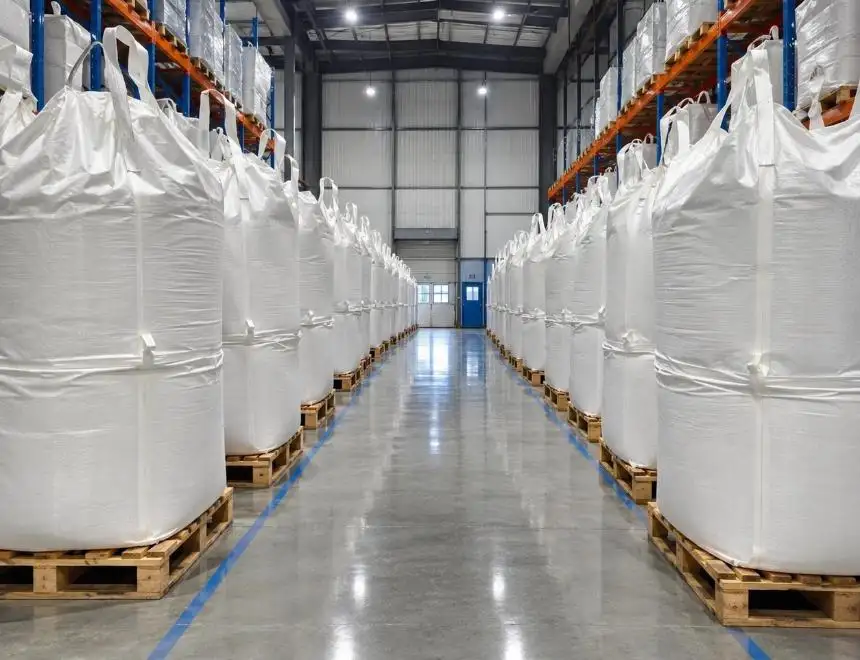
What Purity Is Required for Sodium Formate for De-Icing Applications?
2026-08-21
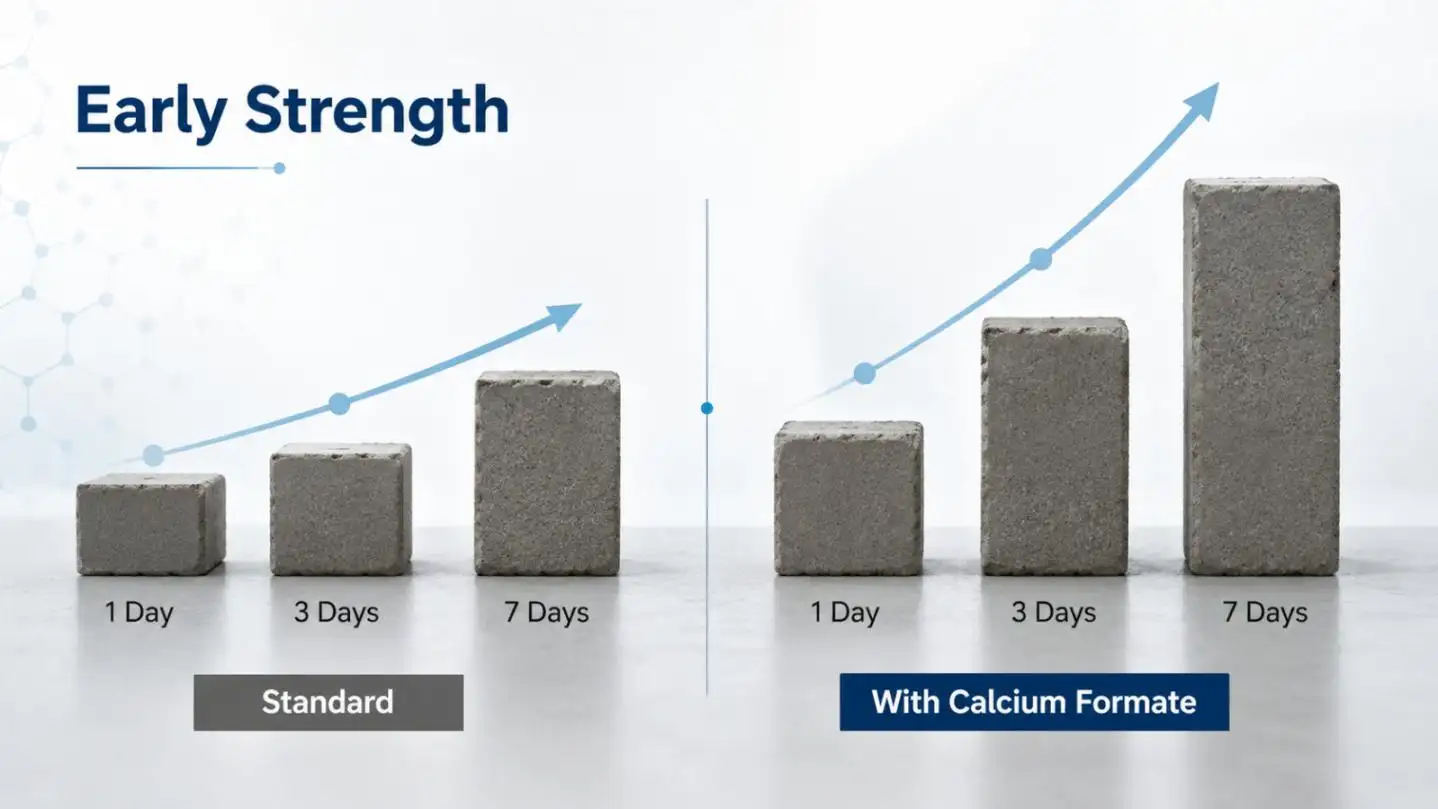
Calcium Formate for Tile Adhesive: How It Improves Early Strength and Setting Time
2026-08-20
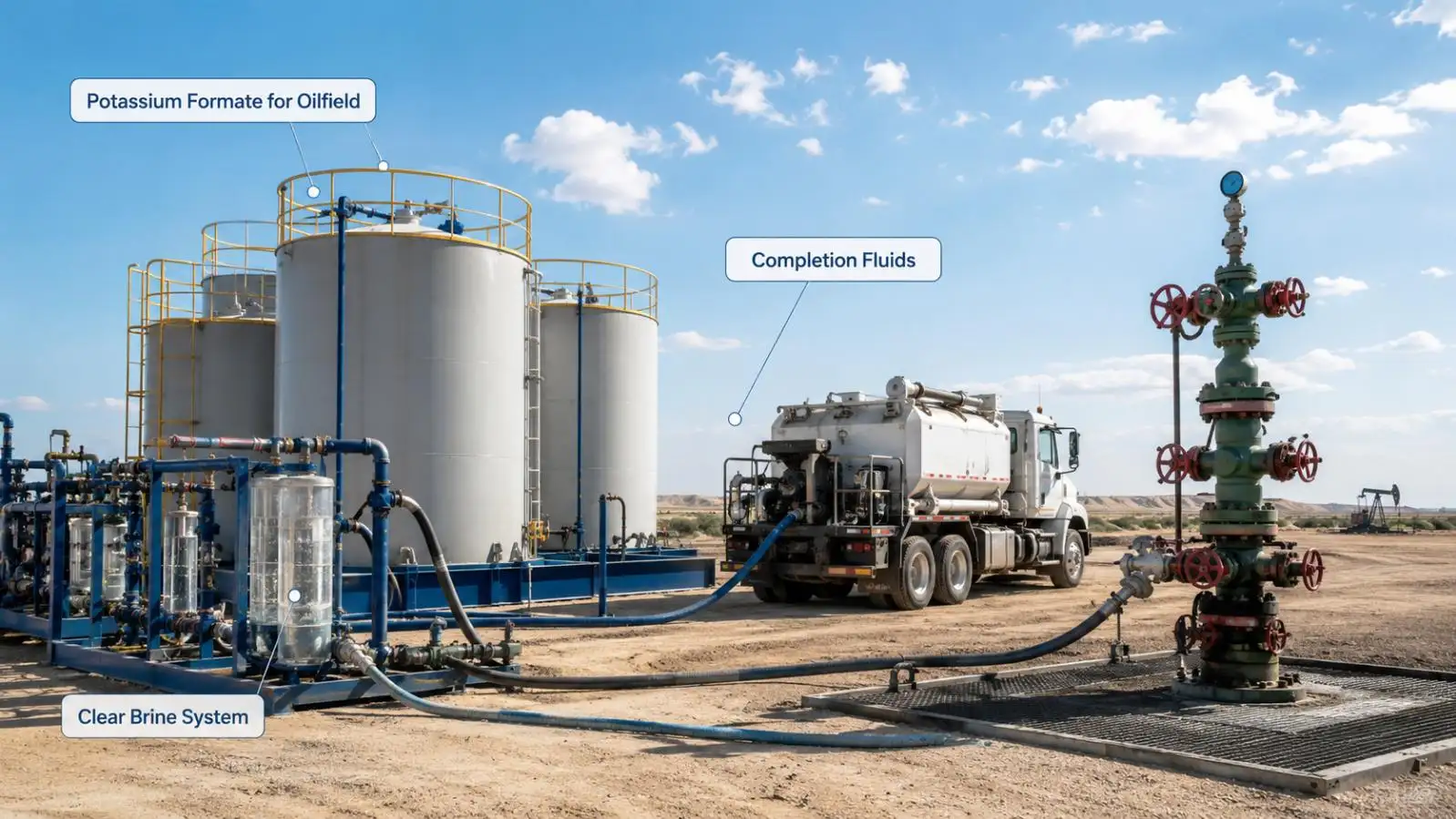
Potassium Formate for Oilfield Completion Fluids: Density, Compatibility and Formation Protection
2026-08-19
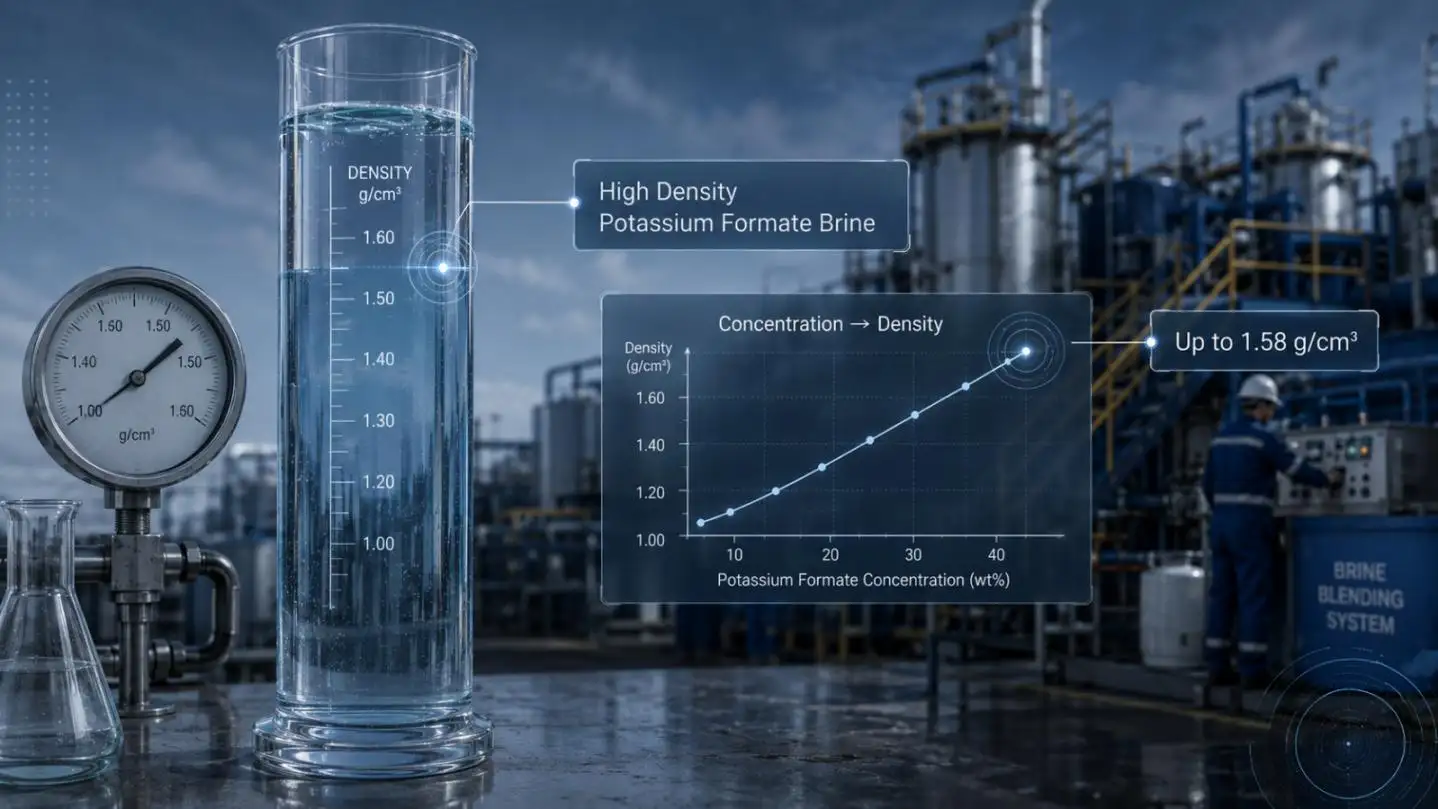
High Density Potassium Formate Brine: Density Range, Properties and Oilfield Applications
2026-08-18
China is now a key source of industrial chemicals, construction additives, feed ingredients, water treatment chemicals, pharmaceutical intermediates and specialty chemicals. Chinese manufacturers can provide both production capacity and a wide product line, provide flexible packaging options, and offer export services to buyers around the world, so many international buyers choose a reliable chemical supplier in China.
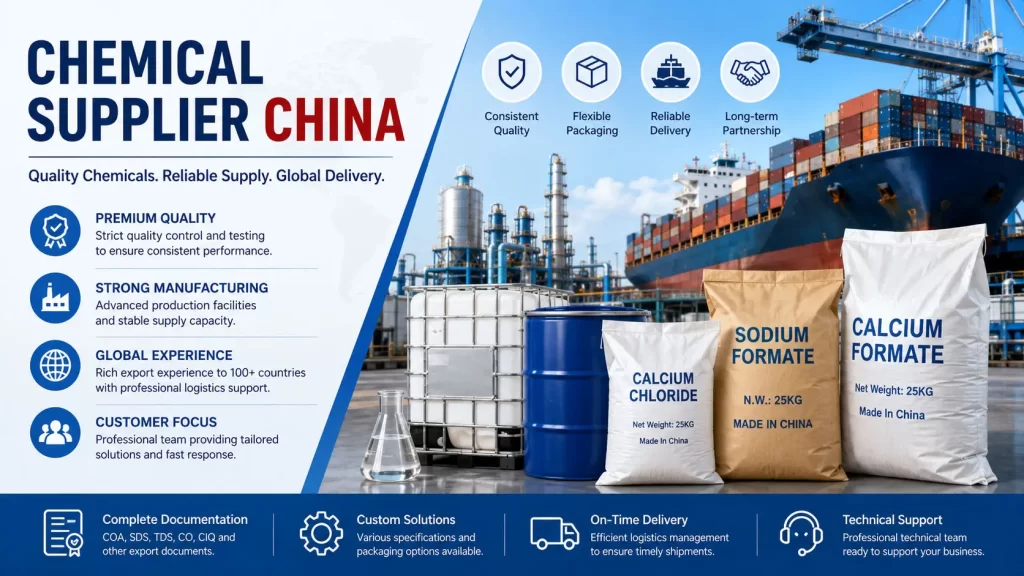
But, chemical sourcing is not just about price comparisons. Product consistency, production capacity, documentation, regulatory compliance, packaging and delivery performance may influence the production process and end product quality of the buyer.
This guide will give you an understanding of how to screen a China chemical supplier and how to establish a longstanding business relationship with them.
Why Source Chemicals from China?
China has substantial and deep chemical manufacturing industry. There are various kinds of chemical raw materials which can be purchased from the specialized factories and exporters.
Common products include:
- Calcium formate
- Sodium formate
- Calcium chloride
- Sodium gluconate
- Formic acid
- Potassium formate
- Construction chemicals
- Feed additives
- Water treatment chemicals
- Industrial salts
- Organic intermediates
- Inorganic chemical materials
Chemical companies in China are more likely to provide their customers in construction, animal nutrition, agriculture, coatings, leather processing, oil and gas, detergents, ceramics, plastics, and industrial manufacturing.
The Chinese source has one of the most significant benefits in multiple product grades. As per the uses, industrial grade, feed grade, technical grade or customized specification can be provided to the customers.
Manufacturer, Distributor, or Trading Company?
Buyers need to know the business model of the chemical supplier before selecting him or her. A direct chemical manufacturer has control over production, raw material purchasing, testing, packaging and production scheduling. Large volume orders may provide the manufacturer with more control and more stability over pricing and customization. A chemical distributor can supply a number of products from various factories. Distributors can serve as a valuable tool if a buyer wishes to order two or more chemicals in the same order or if the order quantity is variable. The trading company specializes in coordination of exports, import sourcing, export documentation and export communication. A seasoned trading firm can assist international buyers in dealing with suppliers, conducting inspections, and tackling logistics concerns. Value can be added at each supplier type. The most crucial thing is whether the supplier can deliver the buyer the quality, quantities, documentation, and delivery schedule.
Review Product Specifications Carefully
Chemical names are not sufficient when making a purchase. The purity, moisture, particle size, pH, and impurity limits may vary between 2 products of the same chemical name.
Buyers should request a detailed product specification before ordering.
Depending on the chemical, important parameters may include:
- Assay or purity
- Moisture content
- Water-insoluble matter
- Heavy metal content
- Chloride level
- Sulfate level
- Particle size
- Bulk density
- pH value
- Appearance
- Solubility
- Storage stability
The supplier should clearly explain the standard grade and confirm whether customized specifications are available.
Buyers should avoid selecting a product based only on price. A lower-cost chemical may have different technical properties that can affect formulation performance or processing efficiency.
Request Samples Before Bulk Purchasing
Testing a sample is an important step when sourcing chemicals from China.
A sample allows the buyer to evaluate:
- Product purity
- Appearance and color
- Dissolution performance
- Compatibility with other materials
- Production performance
- Final product stability
- Packaging suitability
Laboratory testing can verify that the product complies to technical data sheet. Production trials may also uncover problems that are not observed in a simple laboratory test.
Once the sample has been approved, the buyer is responsible for ensuring that all subsequent orders will be shipped the same way.
Check the Supplier’s Quality Control System
Reliable chemical suppliers should use standardized quality control procedures throughout production and shipment.
A professional system may include:
- Raw material inspection
- Production process monitoring
- Batch sampling
- Laboratory testing
- Finished product inspection
- Packaging checks
- Batch number traceability
- Retained sample management
- Pre-shipment verification
The supplier should issue a Certificate of Analysis for each batch. The certificate should show actual test results instead of only listing standard limits.
Buyers may also ask about testing equipment, laboratory procedures, employee training, and handling of non-conforming products.
Confirm Chemical Documentation
International chemical shipments require accurate documentation. Missing or incorrect documents may delay customs clearance or create safety and compliance risks.
Common chemical documents include:
- Safety Data Sheet
- Technical Data Sheet
- Certificate of Analysis
- Product specification
- Commercial invoice
- Packing list
- Certificate of Origin
- Inspection certificate
- Transportation classification information
- Regulatory statements
The supplier should provide updated documents that match the exported product.
Buyers should confirm the product name, customs code, package type, net weight, gross weight, and country of origin before shipment.
For regulated or dangerous chemicals, the supplier must also confirm transportation requirements and appropriate labeling.
Evaluate Packaging Options
Chemical packaging must protect the product during storage and international transportation.
Powder chemicals may use:
- 20 kg bags
- 25 kg bags
- Multi-layer paper bags
- Woven polypropylene bags
- Plastic-lined bags
- 500 kg or 1,000 kg jumbo bags
Liquid chemicals may use:
- Plastic drums
- Steel drums
- IBC tanks
- Flexitanks
- Bulk tankers
The correct packaging depends on product characteristics, order quantity, unloading equipment, and destination requirements.
Moisture-sensitive chemicals may require waterproof liners, sealed inner bags, container desiccants, and reinforced outer packaging.
Some suppliers also provide customized labels, neutral bags, private-label packaging, and palletized loading.
Assess Production Capacity and Lead Time
A chemical supplier in China should have enough capacity to support both current orders and future demand.
Buyers should ask about:
- Monthly production capacity
- Available inventory
- Standard lead time
- Peak-season availability
- Minimum order quantity
- Raw material supply
- Production scheduling
- Emergency order support
For repeat orders, buyers can provide monthly or quarterly forecasts. Forecasting helps the supplier reserve raw materials, packaging, and production capacity.
Clear planning can reduce delivery delays and improve supply stability.
Review Export and Logistics Experience
Chemical logistics can be more complex than ordinary product transportation. The supplier should understand international shipping rules, container weight limits, port requirements, packaging regulations, and customs documents.
An experienced exporter can help arrange:
- Full-container shipments
- Less-than-container shipments
- Palletized loading
- Container weight planning
- Dangerous goods transportation
- Cargo insurance
- Export documentation
- Destination port coordination
Buyers should confirm the Incoterm, port of loading, estimated sailing time, payment terms, and delivery schedule before placing an order.
Compare Total Value Instead of Unit Price
Chemical purchasing decisions should consider total procurement value.
The lowest quotation may not include strong packaging, complete documentation, testing, technical support, or reliable delivery.
A slightly higher price may provide better value through:
- Stable batch quality
- Lower rejection rates
- Fewer production interruptions
- Reliable lead times
- Stronger packaging
- Better communication
- Faster problem resolution
Consistent materials help buyers maintain production efficiency and final product quality.
Build a Long-Term Partnership
A strong relationship with a chemical supplier in China can create long-term benefits.
Regular customers may receive:
- Reserved production capacity
- More stable pricing
- Flexible packaging
- Customized specifications
- Faster sample preparation
- Better shipment coordination
- Technical support
- Improved payment terms
Clear communication is essential. Buyers should share accurate specifications, applications, annual demand, destination markets, and packaging preferences.
The supplier should also communicate production changes, raw material fluctuations, and possible delivery risks in advance.
Conclusion
When selecting a chemical supplier in China, there needs to be a systematic evaluation procedure. The buyer should look at product specifications, samples, quality control, production capacity, documentation, packaging, experience of export and delivery performance.
A reliable supplier should offer not only competitive prices, but also more. It should be of uniform quality, provide professional communications, be complete, be flexible and have a steady global supply.
International buyers can mitigate procurement risks and improve chemical supply chain efficiency through testing of samples, verifying technical specifications, and establishing a long-term relationship..
Share on Social:


Contact Us
In This Article
Related Posts
What Purity Is Required for Sodium Formate for De-Icing Applications?
2026-08-21
Calcium Formate for Tile Adhesive: How It Improves Early Strength and Setting Time
2026-08-20
Potassium Formate for Oilfield Completion Fluids: Density, Compatibility and Formation Protection
2026-08-19
High Density Potassium Formate Brine: Density Range, Properties and Oilfield Applications
2026-08-18


