



Oilfield Corrosion Inhibitor Supplier: Products, Applications, Selection, and Purchasing Guide
By vanchor
2026-07-21Related Posts
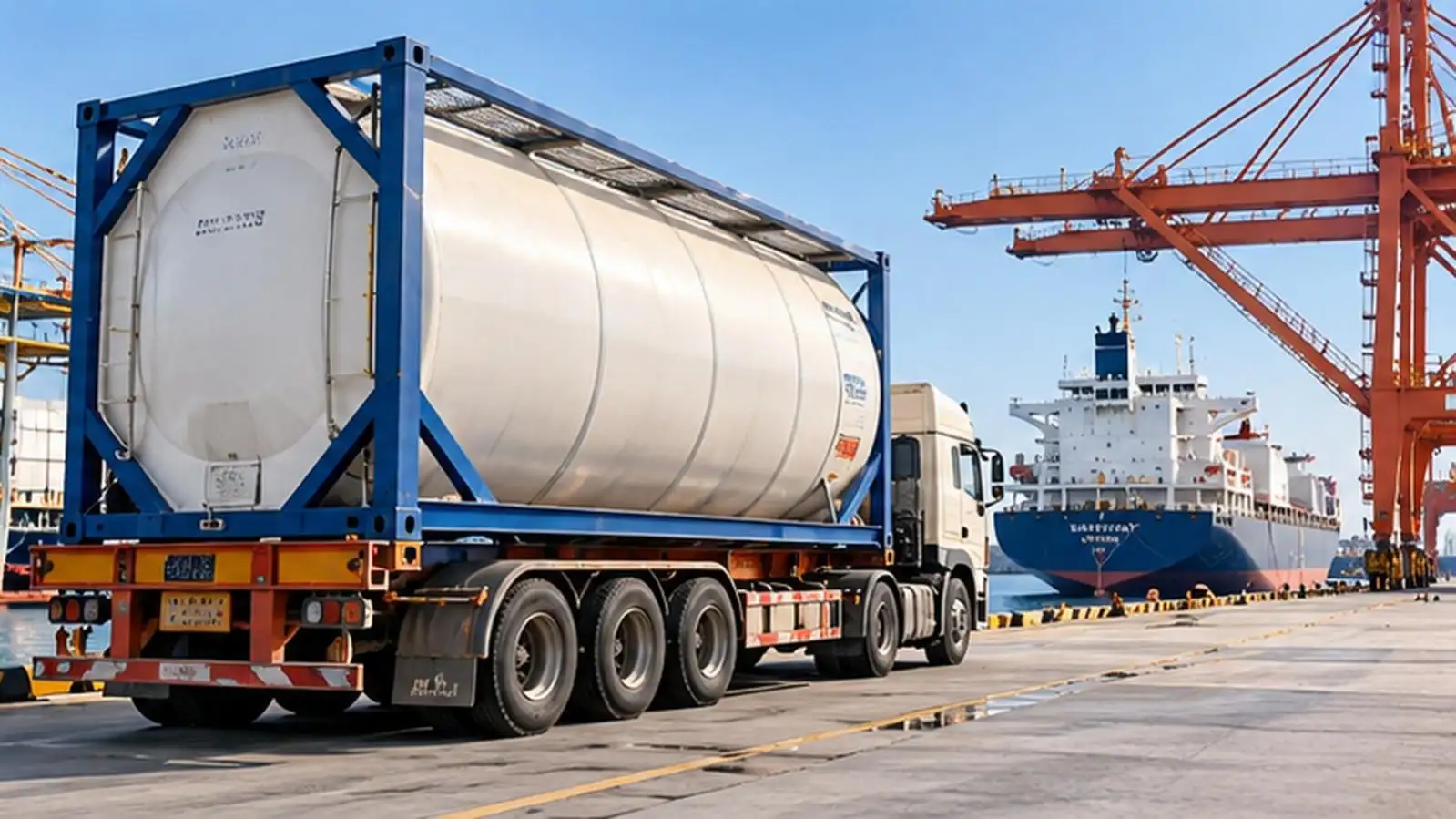
How to Choose a Reliable 2-Ethylhexanol (2-EH) Supplier in China: Quality, Packaging and Shipping
2026-10-22
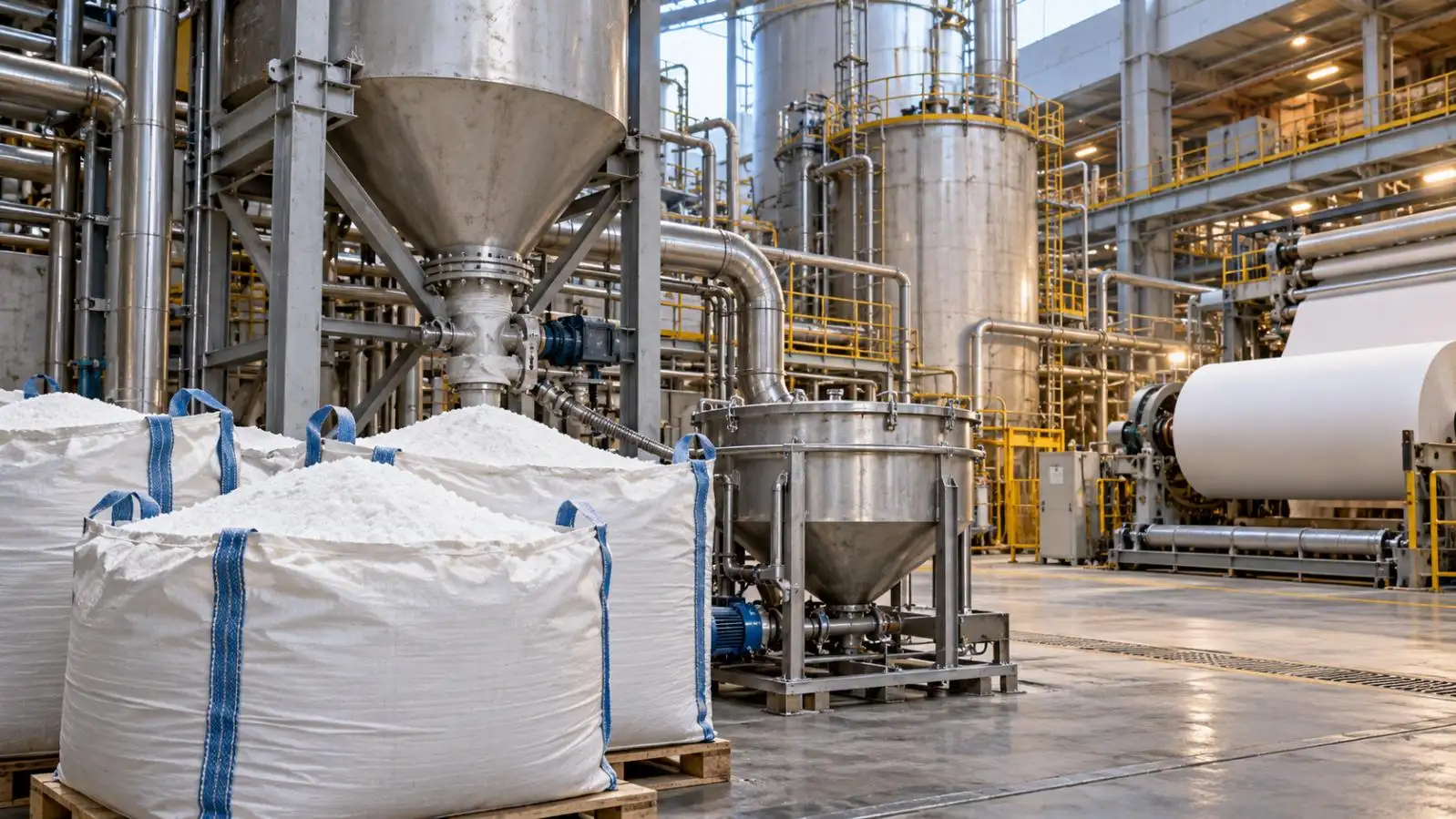
Natural vs Synthetic Sodium Sulfate Anhydrous: Which Is Better for Industrial Applications?
2026-10-22
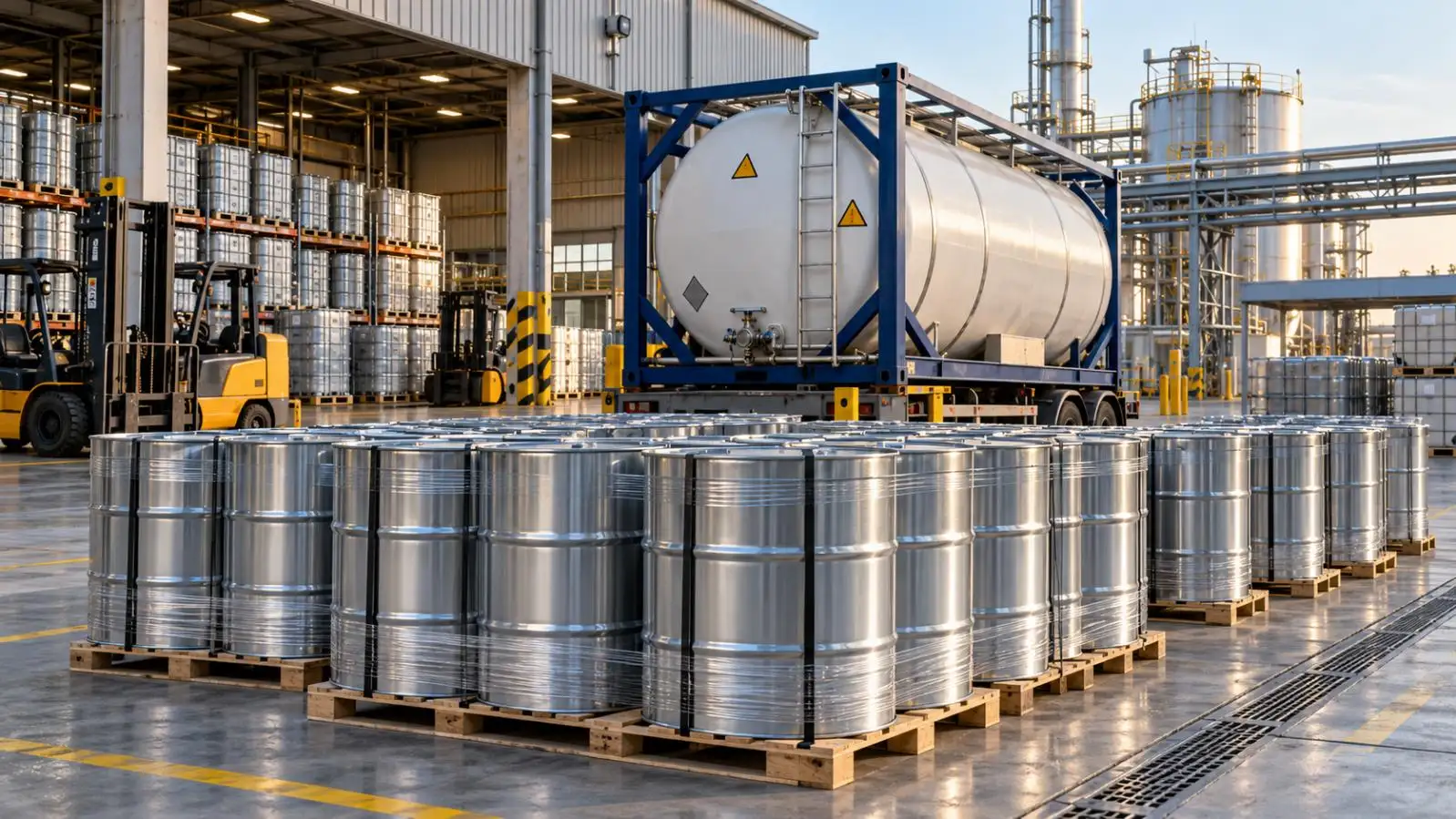
Isobutanol 99.3% Price and Supply in 2026: A Guide for Chemical Importers
2026-10-22
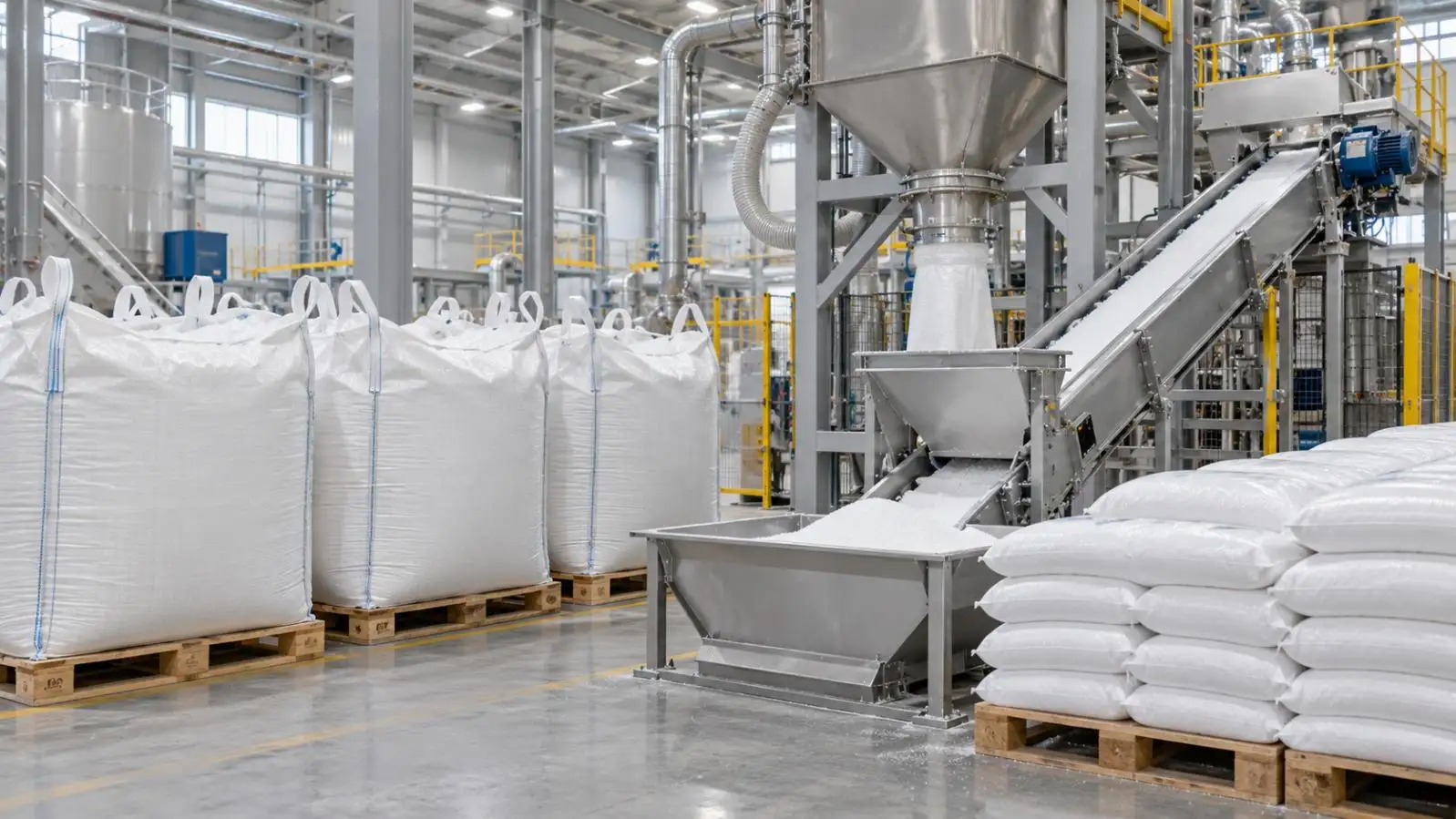
Sodium Sulfate Anhydrous 99% for Detergent Manufacturing: Benefits, Specifications and Bulk Supply
2026-10-22
Any Oilfield Corrosion Inhibitor Supplier should offer more than just a product catalogue or competitive quote. Products are also required for oil and gas operators, drilling contractors, completion-service companies, pipeline operators, refineries, water-injection facilities, and chemical distributors that matches the actual fluid chemistry, metallurgy, temperature, pressure, flow conditions, and corrosion mechanisms.
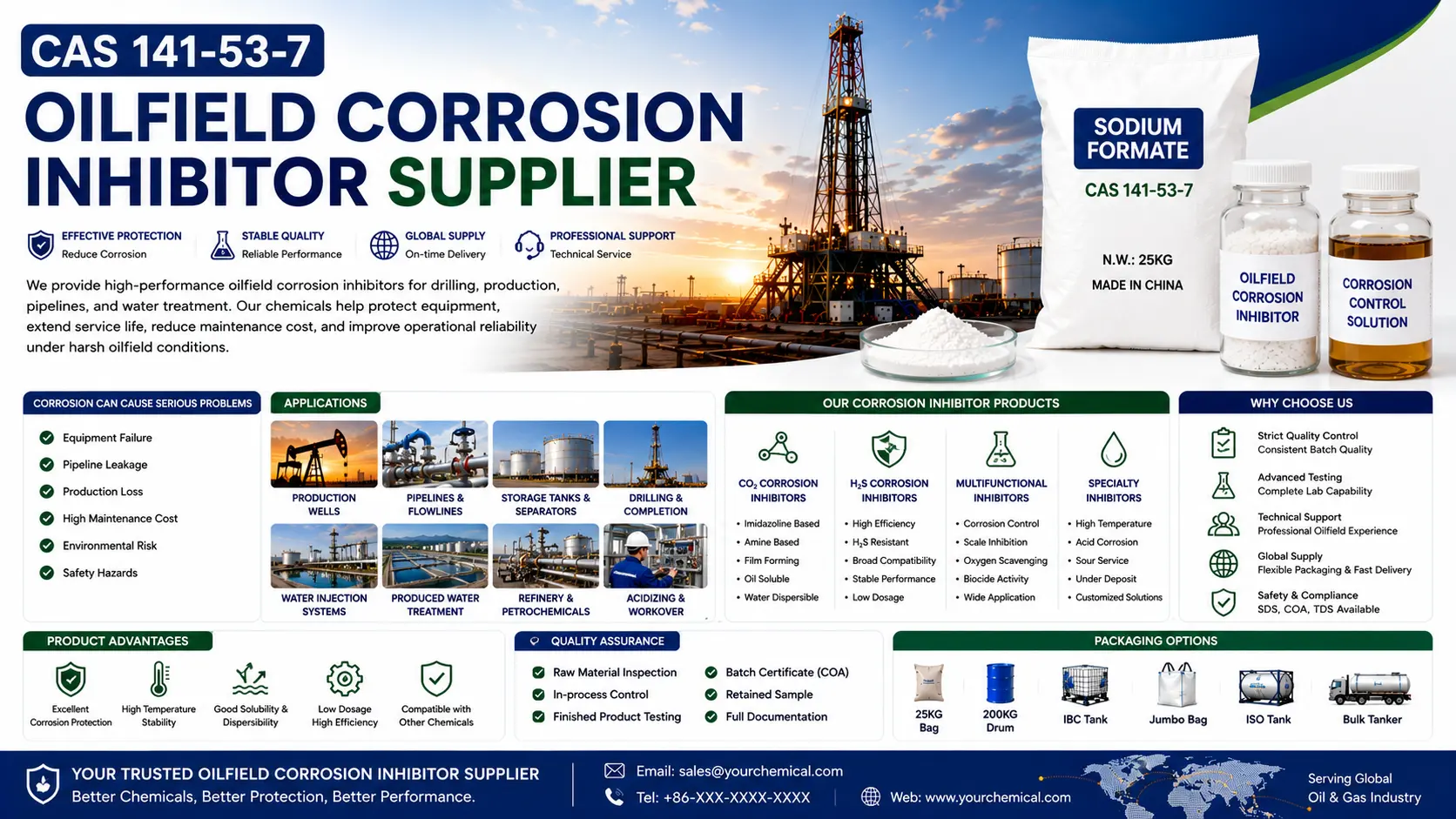
Oilfield corrosion can impact drilling equipment, casing, tubing, pipelines, separators, tanks, pumps, heat exchangers, water-injection systems, produced-water facilities, etc. Some of the common corrosive factors are carbon dioxide, hydrogen sulphide, dissolved oxygen, chlorides, organic acids, high water cut, microbial activity, and under deposit conditions.
The ideal corrosion inhibitor will be able to establish or maintain a protective film on metal surfaces, slow electrochemical corrosion reactions, and help to increase the service life of the equipment. The selection of the proper inhibitor, however, involves laboratory testing, field evaluation, optimization of concentrations, and on-going monitoring.
What Is an Oilfield Corrosion Inhibitor?
An oilfield corrosion inhibitor is a chemical formulation used to reduce corrosion of metal equipment exposed to oilfield fluids.
These products may be applied in:
- Drilling fluids
- Completion and workover fluids
- Production wells
- Gathering systems
- Flowlines
- Pipelines
- Separators
- Storage tanks
- Water-injection systems
- Produced-water facilities
- Acidizing operations
- Refinery and petrochemical systems
Corrosion inhibitors may be water-soluble, oil-soluble, water-dispersible, or multifunctional.
The correct formulation depends on the fluid phase, corrosion mechanism, operating temperature, flow regime, metallurgy, and chemical compatibility.
Why Corrosion Control Is Important
Corrosion can create serious operational and financial consequences.
Potential problems include:
- Tubing failure
- Pipeline leakage
- Equipment perforation
- Product contamination
- Unplanned shutdowns
- Environmental releases
- Increased maintenance
- Reduced production
- Safety risks
- High replacement costs
Localized corrosion can be especially dangerous because it may cause rapid metal penetration even when the average corrosion rate appears acceptable.
A complete corrosion-control program may help:
- Reduce metal loss
- Prevent pitting
- Protect equipment
- Extend asset life
- Reduce maintenance frequency
- Improve operational reliability
- Lower environmental risk
- Reduce total operating cost
Main Oilfield Corrosion Mechanisms
Carbon Dioxide Corrosion
Carbon dioxide dissolves in water and forms carbonic acid.
This can lower pH and attack carbon-steel surfaces.
CO₂ corrosion is common in:
- Production tubing
- Flowlines
- Gathering systems
- Separators
- Produced-water lines
- Gas-condensate systems
Important factors include:
- CO₂ partial pressure
- Water cut
- Temperature
- Flow velocity
- pH
- Chloride concentration
- Iron-carbonate scale formation
Film-forming organic inhibitors are commonly used for CO₂ corrosion control.
Hydrogen Sulfide Corrosion
Hydrogen sulfide can cause:
- General corrosion
- Pitting
- Sulfide-scale formation
- Hydrogen embrittlement
- Sulfide stress cracking
H₂S-containing systems require careful control because of both corrosion and safety risks.
Corrosion inhibitors may be combined with:
- H₂S scavengers
- Biocides
- Scale-control chemicals
- Oxygen scavengers
- Materials-selection programs
The inhibitor should be tested under realistic H₂S conditions.
Oxygen Corrosion
Dissolved oxygen can cause severe pitting, especially in water-injection, completion, boiler, and surface-water systems.
Oxygen may enter through:
- Storage tanks
- Leaking seals
- Open pits
- Poor deaeration
- Makeup water
- Chemical-mixing systems
- Air ingress
Oxygen corrosion is often controlled through:
- Mechanical deaeration
- Oxygen scavengers
- Corrosion inhibitors
- Closed-system operation
- Proper maintenance
Microbiologically Influenced Corrosion
Microorganisms can accelerate corrosion by creating biofilm, producing acids, generating hydrogen sulfide, or establishing localized electrochemical conditions.
Important organisms may include:
- Sulfate-reducing bacteria
- Acid-producing bacteria
- Slime-forming bacteria
- Iron-oxidizing bacteria
Control programs may use:
- Biocides
- Biodispersants
- Corrosion inhibitors
- Pigging
- Filtration
- Water-quality management
Microbial testing should be included in systems with recurring under-deposit corrosion or biofilm.
Under-Deposit Corrosion
Deposits can create localized environments that differ from the surrounding fluid.
Potential deposits include:
- Iron sulfide
- Calcium carbonate
- Barium sulfate
- Sand
- Clay
- Corrosion products
- Organic solids
- Biofilm
These deposits may shield the metal from inhibitor contact and create localized corrosion cells.
A complete program may require corrosion inhibitors, scale inhibitors, dispersants, filtration, and mechanical cleaning.
Main Types of Oilfield Corrosion Inhibitors
Imidazoline-Based Inhibitors
Imidazoline-based products are widely used in oil and gas production systems.
They can adsorb onto metal surfaces and form a hydrophobic protective film.
Potential applications include:
- CO₂ corrosion control
- H₂S-containing systems
- Crude-oil pipelines
- Production tubing
- Flowlines
- Separators
Potential benefits include:
- Strong film formation
- Good oilfield compatibility
- Broad application range
- Effective low-dosage performance
Their performance depends on fluid composition, temperature, salinity, and flow conditions.
Amine-Based Corrosion Inhibitors
Amine-based products may include:
- Fatty amines
- Polyamines
- Amidoamines
- Ethoxylated amines
- Quaternized amines
They may provide:
- Surface adsorption
- Film formation
- Acid neutralization
- Water-phase protection
- Mixed oil-water compatibility
The correct amine structure depends on the application and fluid phase.
Quaternary Ammonium Inhibitors
Quaternary ammonium compounds may provide both corrosion-control and microbial-control properties.
They may be used in:
- Produced-water systems
- Water-injection systems
- Pipelines
- Storage tanks
- Mixed oil-water systems
Compatibility should be checked with anionic polymers, surfactants, demulsifiers, and water-treatment chemicals.
Film-Forming Inhibitors
Film-forming inhibitors create a protective barrier between metal and corrosive fluids.
A successful film should:
- Adsorb strongly
- Resist flow removal
- Remain stable at operating temperature
- Spread over the metal surface
- Re-form after mechanical disruption
- Remain compatible with process chemicals
Film persistence is especially important in intermittent batch-treatment programs.
Water-Soluble Inhibitors
Water-soluble inhibitors are commonly selected when corrosion occurs primarily in the aqueous phase.
Applications include:
- Produced-water lines
- Water-injection systems
- Brines
- Completion fluids
- Wastewater facilities
They should distribute uniformly in the water phase and reach metal surfaces consistently.
Oil-Soluble Inhibitors
Oil-soluble inhibitors may be preferred where the hydrocarbon phase is dominant.
Applications may include:
- Crude-oil pipelines
- Low-water-cut production
- Oil-storage systems
- Hydrocarbon transport
The product should still provide sufficient transport to the water-wetted metal surface.
Water-Dispersible Inhibitors
Water-dispersible products may offer balanced distribution between oil and water phases.
They are often suitable for mixed-phase production systems where water cut changes over time.
High-Temperature Corrosion Inhibitors
High-temperature wells and process systems require products with improved thermal stability.
Important requirements include:
- Stable film formation
- Low thermal decomposition
- Good adsorption at high temperature
- Compatibility with brines
- Resistance to high flow
- Long-term protection
Standard inhibitors may lose effectiveness in high-temperature service.
Acid Corrosion Inhibitors
Acidizing operations expose tubing, casing, and surface equipment to hydrochloric acid or organic acids.
Acid corrosion inhibitors help protect metal during:
- Matrix acidizing
- Acid fracturing
- Scale removal
- Well cleanup
- Pipeline cleaning
These products may be used with:
- Intensifiers
- Iron-control agents
- Surfactants
- Mutual solvents
- Non-emulsifiers
The inhibitor package should be tested at the actual acid concentration, exposure time, and temperature.
Corrosion Inhibitors for Drilling Fluids
Drilling equipment may be exposed to oxygen, carbon dioxide, hydrogen sulfide, chlorides, and high temperatures.
Corrosion inhibitors may help protect:
- Drill pipe
- Bottom-hole assemblies
- Pumps
- Mud tanks
- Surface lines
- Casing
The inhibitor must be compatible with:
- Bentonite
- PHPA
- Fluid-loss additives
- Lubricants
- Weighting materials
- Biocides
- pH-control chemicals
It should not cause excessive foam, emulsion problems, or drilling-fluid instability.
Completion and Workover Fluids
Completion and workover brines may contain high concentrations of chloride, bromide, formate, calcium, or zinc salts.
These fluids can be corrosive, particularly when oxygen is present.
A treatment program may include:
- Corrosion inhibitor
- Oxygen scavenger
- Biocide
- pH buffer
- Scale inhibitor
- Iron-control agent
The inhibitor should be tested in the final brine formulation at the expected bottom-hole temperature.
Production-Well Applications
Production wells may experience corrosion in:
- Tubing
- Wellheads
- Flowlines
- Downhole pumps
- Gathering systems
Potential treatment methods include:
- Continuous chemical injection
- Batch treatment
- Squeeze treatment
- Capillary-string injection
- Annular injection
The treatment method depends on well design, water cut, production rate, corrosion location, and chemical-delivery capability.
Pipeline Corrosion Control
Pipelines may transport crude oil, gas, produced water, injection water, or mixed fluids.
Important corrosion risks include:
- Water accumulation
- Low spots
- CO₂
- H₂S
- Oxygen
- Bacteria
- Solids deposition
- High flow
- Intermittent operation
A pipeline program may combine:
- Corrosion inhibitor
- Biocide
- Scale inhibitor
- Pigging
- Water removal
- Monitoring
- Chemical batch treatment
The inhibitor should reach the complete internal surface and remain effective between treatments.
Water-Injection Systems
Water-injection systems require reliable corrosion control because oxygen, bacteria, solids, and high salinity can attack carbon steel and plug the reservoir.
Chemical programs may include:
- Oxygen scavengers
- Corrosion inhibitors
- Biocides
- Scale inhibitors
- Filtration aids
- Dispersants
Important monitoring parameters include:
- Dissolved oxygen
- Iron
- Corrosion rate
- Bacterial count
- Suspended solids
- Inhibitor residual
- Injection pressure
Produced-Water Treatment
Produced water may contain salts, dissolved gases, oil, solids, bacteria, and treatment chemicals.
Corrosion inhibitors used in these systems should be compatible with:
- Demulsifiers
- Reverse demulsifiers
- Coagulants
- Polyacrylamide flocculants
- Scale inhibitors
- Biocides
- H₂S scavengers
Poor compatibility may reduce separation efficiency or create emulsions and deposits.
Application Methods
Continuous Injection
Continuous injection supplies inhibitor at a controlled rate.
Potential advantages include:
- Stable protection
- Easier dosage control
- Better response to changing production
- Suitable for high-risk systems
The injection point should provide effective mixing and distribution.
Batch Treatment
Batch treatment introduces a larger chemical dose at intervals.
It may be used for:
- Pipelines
- Low-rate wells
- Remote systems
- Intermittent operations
The inhibitor should form a persistent film that remains between treatments.
Squeeze Treatment
A corrosion-inhibitor squeeze places chemical into the near-wellbore formation, allowing gradual return with produced fluids.
Potential advantages include:
- Longer treatment duration
- Reduced surface-injection equipment
- Protection of difficult wells
Chemical retention and release behavior should be evaluated carefully.
Capillary Injection
A capillary string can deliver inhibitor continuously downhole.
This method may improve protection where surface injection does not adequately reach the corrosion location.
Important Product Specifications
A professional Oilfield Corrosion Inhibitor Supplier should provide measurable technical data.
Important parameters may include:
- Active content
- Appearance
- Density
- pH
- Solubility
- Dispersibility
- Flash point
- Pour point
- Thermal stability
- Salt tolerance
- Film persistence
- Corrosion-inhibition efficiency
- Recommended dosage
- Shelf life
General descriptions such as “high-performance corrosion inhibitor” are not enough for technical procurement.
Laboratory Testing
Corrosion-inhibitor testing should reproduce actual field conditions as closely as possible.
Common methods may include:
- Weight-loss coupon testing
- Rotating-cylinder electrode testing
- Linear polarization resistance
- Electrochemical impedance
- Autoclave testing
- High-pressure high-temperature testing
- Bubble testing
- Wheel testing
- Film-persistence testing
- Compatibility testing
- Emulsion testing
Laboratory fluids should reflect:
- Oil-water ratio
- Brine salinity
- CO₂ concentration
- H₂S concentration
- Temperature
- Pressure
- Flow velocity
- Solids content
- Existing chemicals
Field Monitoring
A corrosion-control program should include regular monitoring.
Common tools include:
- Corrosion coupons
- Electrical-resistance probes
- Linear-polarization probes
- Iron counts
- Wall-thickness measurement
- Ultrasonic inspection
- Pigging data
- Failure analysis
- Produced-water analysis
Monitoring should evaluate trends rather than isolated results.
Dosage Optimization
There is no universal corrosion-inhibitor dosage for every system.
The correct dosage depends on:
- Corrosion mechanism
- Water cut
- Temperature
- Pressure
- Flow rate
- Salinity
- CO₂
- H₂S
- Oxygen
- Surface area
- Injection method
- Film persistence
Overdosing may:
- Increase chemical cost
- Create emulsions
- Interfere with water treatment
- Cause deposits
- Affect product quality
Underdosing may result in incomplete film coverage and continued corrosion.
Chemical Compatibility
Corrosion inhibitors should be tested with other field chemicals.
Important combinations include:
- Demulsifiers
- Scale inhibitors
- Paraffin inhibitors
- H₂S scavengers
- Biocides
- Oxygen scavengers
- Flocculants
- Surfactants
- Acids
- Completion additives
Incompatible chemicals may cause:
- Precipitation
- Emulsion stabilization
- Reduced corrosion protection
- Blocked filters
- Increased deposits
- Poor water quality
Quality Control
A dependable supplier should maintain quality control throughout production.
Typical procedures may include:
- Raw-material inspection
- Reaction monitoring
- Active-content testing
- Density testing
- pH testing
- Solubility checks
- Performance evaluation
- Packaging inspection
- Batch release
- Retained-sample management
Stable batch quality is essential for maintaining predictable corrosion protection.
Batch Traceability
Each shipment should be traceable through:
- Raw-material lots
- Production date
- Batch number
- Laboratory results
- Packaging records
- Retained samples
- Warehouse records
- Loading information
- Shipping documents
Traceability helps investigate treatment changes or quality complaints.
Packaging Options
Oilfield corrosion inhibitors may be supplied in:
- 20 kg or 25 kg pails
- 200 kg drums
- 250 kg drums
- IBC tanks
- ISO tanks
- Bulk tankers
- Customized packaging
The correct packaging depends on:
- Product form
- Monthly consumption
- Hazard classification
- Storage capacity
- Unloading equipment
- Transport regulations
Containers should be chemically compatible and properly sealed.
Storage and Handling
Storage requirements should follow the current safety data sheet.
General precautions include:
- Store in a cool, ventilated area.
- Keep containers tightly closed.
- Protect products from freezing or excessive heat.
- Separate incompatible chemicals.
- Maintain secondary containment.
- Keep labels visible.
- Use suitable personal protective equipment.
- Provide eyewash and emergency-shower facilities where required.
- Control ignition sources for flammable products.
Operators should receive appropriate chemical-handling training.
Required Documents
A professional supplier should provide:
- Technical data sheet
- Safety data sheet
- Batch-specific certificate of analysis
- Product specification
- Application guidance
- Recommended dosage range
- Commercial invoice
- Packing list
- Certificate of origin
- Bill of lading
- Transport documents
- Inspection reports when required
All documents should show consistent product names, batch numbers, quantities, and packaging details.
How to Evaluate an Oilfield Corrosion Inhibitor Supplier
Buyers should assess:
- Product range
- Oilfield experience
- Laboratory capability
- High-temperature testing
- CO₂ and H₂S testing
- Customized-formulation capability
- Batch consistency
- Production capacity
- Packaging options
- Technical support
- Export experience
- Delivery reliability
A qualified supplier should request detailed field conditions before recommending a product.
How to Request an Accurate Quotation
A complete inquiry should include:
- Intended application
- Fluid type
- Oil-water ratio
- Water cut
- Temperature
- Pressure
- Salinity
- Chloride concentration
- CO₂ level
- H₂S level
- Dissolved oxygen
- Flow rate
- Metallurgy
- Current corrosion rate
- Existing chemicals
- Required dosage method
- Order quantity
- Packaging
- Destination
- Incoterm
For example:
“Please recommend and quote a water-dispersible corrosion inhibitor for a high-water-cut production system containing CO₂ and H₂S, operating at 90°C, including samples, TDS, SDS, COA, corrosion-test data, packaging options, and delivery terms.”
Detailed field data helps the supplier recommend a more suitable formulation.
Comparing Supplier Quotations
Buyers should compare:
- Active content
- Product chemistry
- Solubility
- Thermal stability
- Field compatibility
- Corrosion-inhibition efficiency
- Recommended dosage
- Packaging
- Freight
- Documentation
- Technical service
- Batch consistency
- Delivery reliability
A lower unit price may result in a higher total cost if the product requires greater dosage or provides weaker protection.
Total Corrosion-Control Cost
The total cost includes more than the chemical purchase price.
Buyers should consider:
- Effective dosage
- Chemical-injection equipment
- Monitoring
- Pigging
- Maintenance
- Equipment replacement
- Production loss
- Environmental risk
- Shutdown frequency
- Pipeline repair
- Technical support
A higher-performing inhibitor may significantly reduce failures and total asset-management costs.
Common Purchasing Risks
Potential risks include:
- Selecting products only by price
- Ignoring the corrosion mechanism
- Testing without actual field brine
- Using an unsuitable oil-water solubility
- Poor film persistence
- Inadequate high-temperature performance
- Chemical incompatibility
- Low active content
- Inconsistent batch quality
- Damaged packaging
- Missing technical documentation
- Delayed delivery
- Limited field support
These risks can be reduced through detailed specifications, representative testing, field trials, batch-specific documentation, and supplier qualification.
Questions to Ask Before Ordering
Buyers should confirm:
- Which inhibitor is recommended for the corrosion mechanism?
- Is the product water-soluble, oil-soluble, or dispersible?
- What CO₂ and H₂S conditions has it been tested under?
- What temperature limit applies?
- What corrosion-reduction efficiency can be demonstrated?
- What dosage range is recommended?
- Can field-brine testing be supported?
- Can compatibility tests be performed?
- Can representative samples be supplied?
- Can recent batch COAs be provided?
- What packaging options are available?
- What is the normal lead time?
- Can customized formulations be produced?
- Can field technical support be offered?
- How are quality complaints handled?
Conclusion
For a reliable Oilfield Corrosion Inhibitor Supplier, the mechanism of corrosion, fluid chemistry, temperature and pressure, metallurgy, solubility of the product, film persistence, dosage, chemical compatibility, quality control, documentation, packaging, and technical support as well as reliability of delivery must be considered.
To prevent CO₂, H₂S, oxygen, chloride, microbially, and under-deposit corrosion oilfield corrosion inhibitors are applied during drilling, completion, production, water injection, pipelines, produced-water systems, acidizing and storage.
The following steps should be taken prior to buying: Buyers should supply detailed field-condition information, ensure that the samples purchased represent the field, examine technical specifications, send for laboratory testing, test in the field, and create a viable program of corrosion monitoring.
A quality supplier should be able to supply you with the right corrosion-inhibitor formulation, quality consistent throughout each batch, measurable performance specifications, safe packaging, technical support that is available to you, full export paperwork and world class delivery.


Contact Us
Related Posts
How to Choose a Reliable 2-Ethylhexanol (2-EH) Supplier in China: Quality, Packaging and Shipping
2026-10-22
Natural vs Synthetic Sodium Sulfate Anhydrous: Which Is Better for Industrial Applications?
2026-10-22
Isobutanol 99.3% Price and Supply in 2026: A Guide for Chemical Importers
2026-10-22
Sodium Sulfate Anhydrous 99% for Detergent Manufacturing: Benefits, Specifications and Bulk Supply
2026-10-22


