



Phosphoric Acid for Metal Surface Treatment: Cleaning and Phosphating Factors
By vanchor
2026-07-26Related Posts
Custom Packaging Solutions from an Anhydrous Sodium Acetate Supplier in China
2026-09-23
Application Trends in Anhydrous Sodium Acetate for Special Chemical Manufacturing
2026-09-23
Anhydrous Sodium Acetate for Leather Tanning: Improve Dyeing Uniformity
2026-09-22
Formic Acid 85% for Textile Dyeing: Industrial Applications, Technical Benefits and Future Trends
2026-09-22
Phosphoric acid is used on metal surfaces for two closely related jobs: cleaning/rust conversion and phosphating. In practice, the result depends less on the acid alone and more on how clean the surface is, what metal you are treating, and how the process is carried out.
If you are evaluating phosphoric acid as a supply option, Vanchor’s phosphoric acid manufacturer hub is the right place to start for the broader sourcing context: Phosphoric Acid Manufacturer: Consistent Batch Quality, Predictable Performance (inferred).
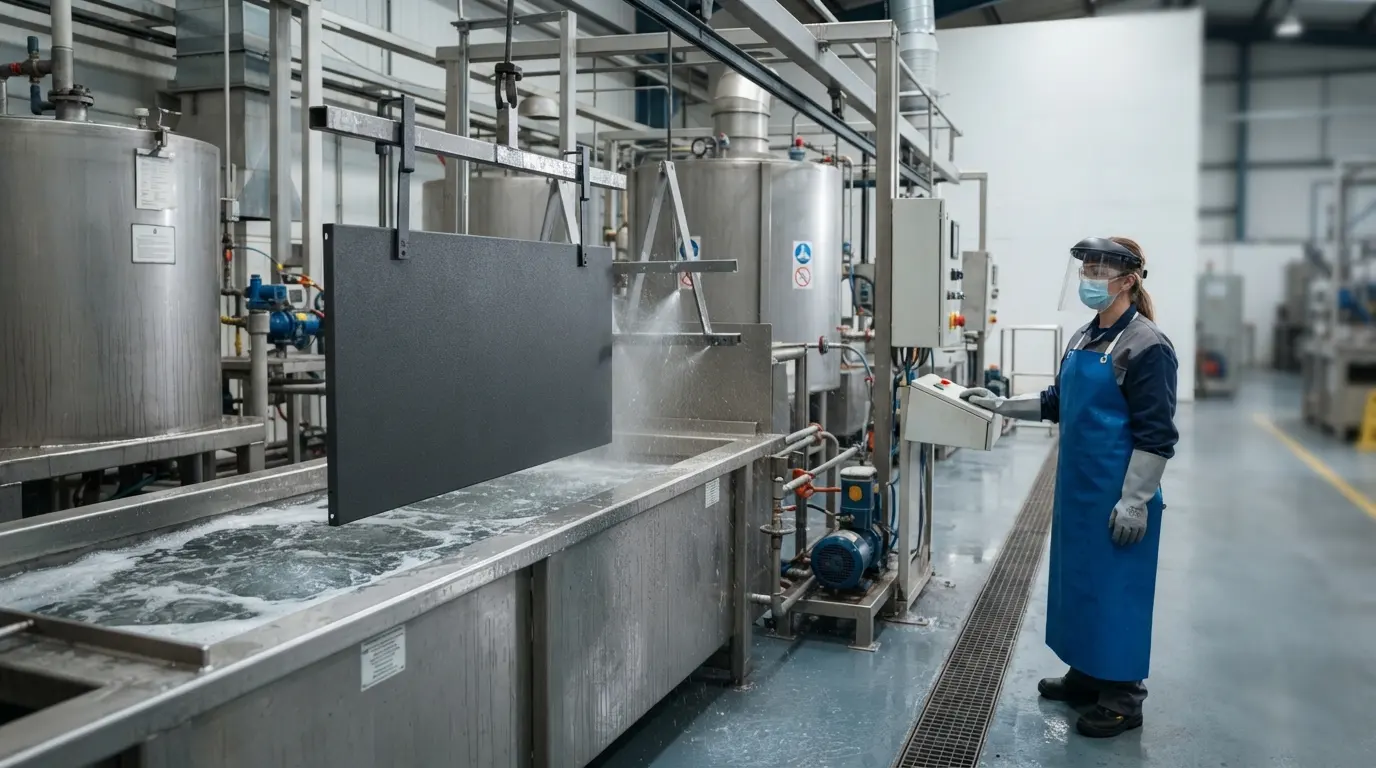
What Phosphoric Acid Does on Metal
On metal, phosphoric acid helps remove rust and surface contamination while also preparing the surface for a more stable phosphate layer. For steel, that means the acid can convert active iron oxide into a more controlled phosphate-based surface instead of leaving loose corrosion behind.asminternational+2
That is why the same chemical is discussed in both rust-removal and phosphating contexts. The key difference is the outcome you want: simple cleaning, or a conversion coating that improves downstream performance.asminternational+1
Cleaning Versus Phosphating
Cleaning is the first, simpler job. The acid loosens or converts oxide and rust so the surface is less reactive and easier to coat.
Phosphating is the more specific surface-treatment outcome. In that case, phosphoric acid is part of a controlled pretreatment process that forms a phosphate coating on compatible metals, especially steel, to improve corrosion resistance and paint adhesion.asminternational+2
The distinction matters because a surface can be “cleaned” without being properly phosphated. If the goal is coating performance, the process needs more than just acid contact; it needs proper preparation and control.
The Treatment Sequence
The basic sequence is straightforward:
Remove oils, dirt, and heavy contamination first.
Apply phosphoric acid by the method the process requires, such as immersion or spray.
Allow enough contact for the surface reaction to occur.
Rinse to remove residue.
Dry the surface before the next coating step.s1.kaercher-media+1
Degreasing is not optional in real finishing work. Oil or grease blocks the acid from contacting the metal evenly, which can leave patchy cleaning or inconsistent phosphating.s1.kaercher-media+1
Rinsing and drying matter for the same reason. If residue stays behind, it can interfere with paint, primer, or other finishing steps that follow.
Factors That Change Results
The biggest factor is surface condition before treatment. A clean, degreased surface reacts more consistently than one that still carries oil, dirt, or loose oxide.
Substrate type also matters. Steel is the most common target for phosphating, while galvanized steel and aluminum can behave differently and may need separate process decisions.asminternational+1
Application method changes the outcome too. Spray and immersion can both work, but they influence coverage, reaction uniformity, and how much control you have over the treated area.s1.kaercher-media+1
The process goal matters as well. If you only need rust conversion, a simpler approach may be enough. If you need a true pretreatment for coating, the process needs tighter control over cleaning, contact, rinse quality, and drying.
Why Surface Cleanliness Matters
Contamination is one of the main reasons phosphoric acid treatment underperforms. Oils, fingerprints, shop dirt, and residual oxidation can stop the chemical from wetting the surface evenly.
That creates uneven conversion and weak spots in the final finish. In coating work, those weak spots become failure points later.
Why Substrate Type Matters
Steel is the most familiar case because phosphating is widely used there. The chemistry is more predictable, and phosphate coatings are commonly used as a base for paint or primer.asminternational+2
Other metals are not identical. Galvanized steel and aluminum need more careful consideration because the surface chemistry is different, which affects how the treatment behaves.asminternational+1
Practical Benefits and Limits
The main benefit is better surface readiness for coating. A properly treated phosphate surface can support paint adhesion and help improve corrosion resistance.asminternational+2
That said, phosphoric acid treatment is not a complete corrosion system by itself. It prepares the metal; it does not replace the need for a proper coating or finishing layer in most industrial applications.
This is the most useful way to think about it: phosphoric acid helps create a better starting surface, but the final protection depends on the rest of the finishing process.
When to Choose Each Application Method
Immersion is useful when parts can be fully submerged and you want uniform contact over all exposed surfaces. It is often the cleaner option for consistent treatment on smaller or batch-processed parts.
Spray is better when parts are larger, fixed in place, or difficult to immerse. It gives practical coverage, but the operator must control wetting and coverage more carefully.
Brushing can work for localized cleaning or spot treatment, but it is usually the least controlled approach for production work. It is best treated as a practical fallback rather than a preferred industrial method.
What Buyers Should Verify Before Use
If you are sourcing phosphoric acid for metal surface treatment, confirm that the material matches the intended process and not just the general chemical name. The right grade, documentation, and application fit matter more than a generic product listing.
A technical buyer should verify:
Intended use and grade suitability.
Whether the supplier can provide the documentation needed for industrial handling and export.
Whether the process is cleaning-only or a true phosphating pretreatment.
Whether the substrate in your line is steel, galvanized steel, aluminum, or another metal.
Vanchor confirms that phosphoric acid is part of its product portfolio, and the company positions itself as a manufacturer-backed industrial chemical supplier. For grade-selection context, you can also compare related sourcing guidance here: Phosphoric Acid Food Grade vs Technical Grade.vanchorsc+1
Metal Treatment Fit
For readers trying to decide whether phosphoric acid is the right step, the simplest test is this: are you trying to remove rust, prepare for coating, or build a phosphate-based pretreatment stage?
If the answer is just rust removal, the process can stay relatively simple. If the answer is coating performance, then cleaning quality, substrate compatibility, and process control become the real decision factors.
That is why phosphoric acid for metal surface treatment is best treated as a process tool, not just a cleaning chemical. The chemistry matters, but the result comes from how the surface is prepared and how the treatment is finished.


Contact Us
In This Article
Related Posts
Custom Packaging Solutions from an Anhydrous Sodium Acetate Supplier in China
2026-09-23
Application Trends in Anhydrous Sodium Acetate for Special Chemical Manufacturing
2026-09-23
Anhydrous Sodium Acetate for Leather Tanning: Improve Dyeing Uniformity
2026-09-22
Formic Acid 85% for Textile Dyeing: Industrial Applications, Technical Benefits and Future Trends
2026-09-22


