



Polyacrylamide for Paper Retention and Drainage: Grade Selection and Process Role
By Tonmoy
2026-09-11Related Posts
Custom Packaging Solutions from an Anhydrous Sodium Acetate Supplier in China
2026-09-23

Application Trends in Anhydrous Sodium Acetate for Special Chemical Manufacturing
2026-09-23
Anhydrous Sodium Acetate for Leather Tanning: Improve Dyeing Uniformity
2026-09-22
Formic Acid 85% for Textile Dyeing: Industrial Applications, Technical Benefits and Future Trends
2026-09-22
Polyacrylamide (PAM) is used in papermaking as a retention and drainage aid. In the wet end, it can help retain fibers, fines, fillers, pigments, and other fine solids while supporting water removal during sheet formation.
The correct grade cannot be selected from the term “polyacrylamide” alone. Paper mills should evaluate ionic character, charge density, molecular-weight behavior, furnish chemistry, pH, shear exposure, machine configuration, product form, and trial results together. Retention and drainage also need to be assessed alongside formation and machine stability.
There is no universal PAM grade or dosage that applies to every paper machine. The practical objective is to identify a grade and retention system that fits the actual furnish and operating conditions, then confirm the result through representative testing.
What polyacrylamide does in the paper-machine wet end
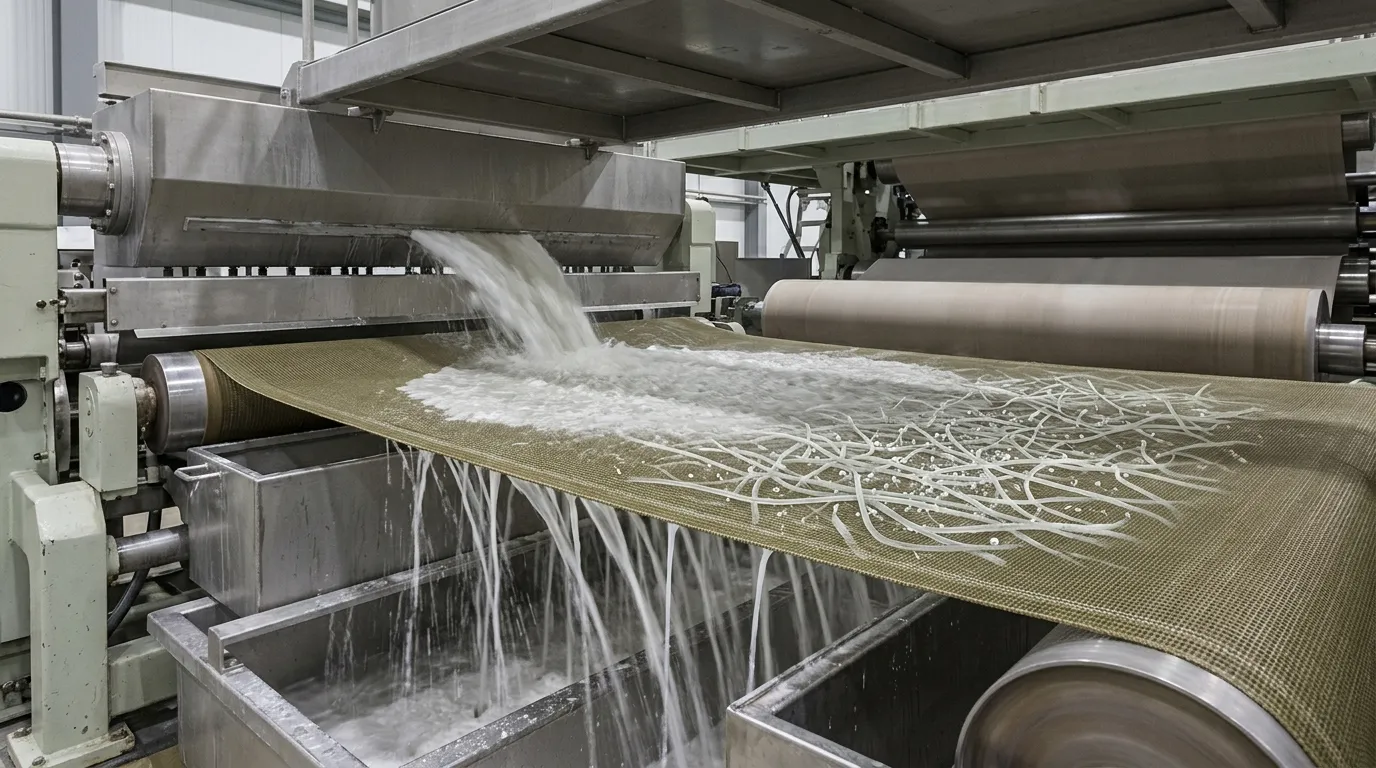
The wet end contains a mixture of water, fibers, fines, fillers, pigments, dissolved substances, and other process additives. During sheet formation, some fine materials can remain in the circulating water instead of becoming part of the paper web. A retention aid helps increase the proportion of useful solids that remain with the forming sheet.
PAM may therefore support:
- Retention of fibers and fine particles
- Retention of fillers and pigments
- Reduction of solids loss to white water
- Water release during sheet formation
- More stable wet-end operation when the chemistry is properly matched to the furnish
Retention and drainage are related, but they are not the same measurement. Retention concerns how effectively solids remain in the forming sheet. Drainage concerns how readily water leaves the furnish and newly formed web. A polymer program that improves one result should not be approved without checking its effect on the other.
A paper mill evaluating polyacrylamide for paper making should therefore look beyond a single retention result. Useful observations may include white-water solids, drainage response, sheet formation, furnish variability, and machine runnability.
The broader polyacrylamide product family includes materials used in several industrial applications. This article focuses specifically on PAM used in paper-machine retention and drainage systems.
How PAM supports retention without treating every furnish the same
PAM can interact with suspended solids and other charged components in the furnish. Depending on the polymer structure and process conditions, these interactions may promote attachment or bridging between fine materials and larger fiber structures. The result can be improved retention of solids in the forming sheet.
The main materials of interest include:
- Fibers
- Fines
- Mineral fillers
- Pigments
- Other suspended solids that affect white-water load and sheet properties
Improved retention may reduce the amount of solids leaving the forming section with white water. However, stronger aggregation is not automatically better. If the polymer system is poorly matched to the furnish or applied under unsuitable conditions, the resulting flocculation behavior may affect formation, uniformity, or process stability.
For this reason, a retention program should be evaluated against several objectives:
| Process objective | What to examine |
|---|---|
| Retain fine solids | Solids retention and white-water condition |
| Support drainage | Water-release response under representative conditions |
| Preserve formation | Sheet uniformity and formation quality |
| Maintain stable operation | Response to machine shear and furnish variation |
The same nominal PAM type can behave differently when the furnish changes. Recycled fiber content, filler loading, dissolved substances, pH, anionic trash, addition point, and shear history can all influence the result. A grade that performs acceptably in one furnish is not automatically suitable for another.
Grade-selection variables that matter more than the generic PAM label
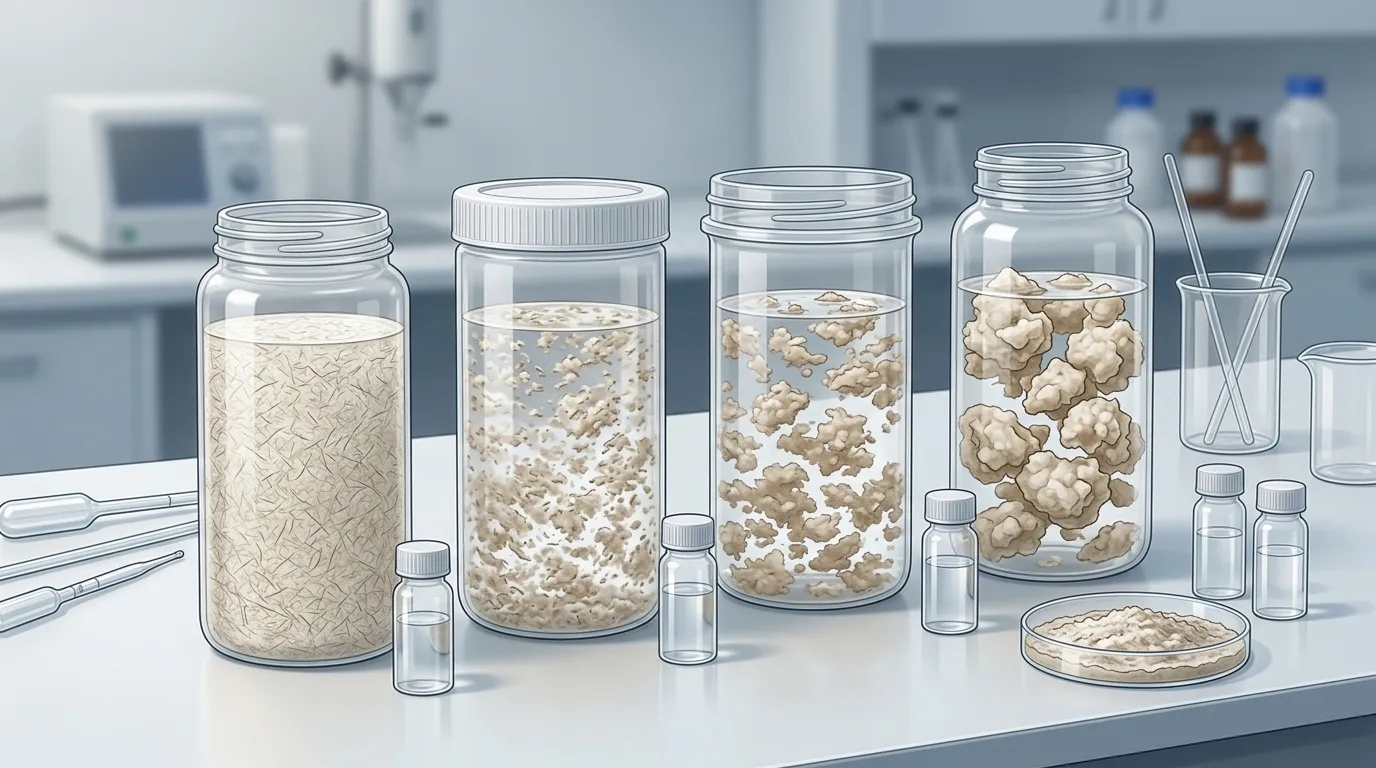
PAM grade selection should begin with the paper machine and furnish rather than with a generic claim such as “high molecular weight” or “cationic polymer.” The following variables are normally considered together.
Ionic character
Cationic PAM is a common candidate in retention systems because its charge can interact with components of many paper furnishes. Anionic, nonionic, and amphoteric PAM may also be considered for selected systems or process roles.
This does not mean that cationic PAM is always the best choice. The suitable ionic character depends on the furnish, dissolved chemistry, filler system, existing additives, pH, and retention-system design. Ionic type should be confirmed from the supplier’s technical documentation rather than inferred from a general product description.
Charge density
Charge density affects how the polymer interacts with charged solids and dissolved species in the furnish. A charge level that is too low may provide insufficient interaction, while a poorly matched charge level may produce an undesirable flocculation response or become sensitive to changes in furnish chemistry.
Charge density should be evaluated together with:
- Fiber and fines composition
- Filler type and loading
- Recycled-fiber content
- Anionic substances in the furnish
- pH and conductivity
- Existing wet-end additives
A charge-density number is meaningful only when its basis, test method, and product grade are clear.
Molecular-weight behavior
Molecular-weight behavior influences polymer bridging and flocculation response. Higher molecular-weight products may provide strong bridging under some conditions, while the same behavior may require closer attention to formation and shear in another system.
A mill should not select a product solely because it has a higher or lower molecular-weight description. The relevant question is how the candidate grade performs with the actual furnish and through the machine’s shear environment.
Shear exposure
The polymer experiences process conditions between its addition point and the forming section. Pumps, mixing zones, screens, cleaners, and other equipment can affect the polymer–furnish structure before sheet formation.
Testing should therefore consider:
- Addition point
- Mixing intensity
- Travel time before forming
- Machine speed
- Shear exposure
- The location where retention and drainage are measured
A laboratory result produced under mild mixing may not represent performance after the polymer has passed through the mill’s actual equipment.
Furnish chemistry and pH
Furnish chemistry can change the interaction between PAM and suspended solids. Relevant variables may include fiber source, filler content, recycled-fiber content, anionic trash, conductivity, pH, and the use of other wet-end chemicals.
One supplier describes a retention-aid solution for a pH range of 4.5–8.5, but that range is specific to the described solution and should not be treated as a universal operating range for all polyacrylamide products. Product-specific documentation and testing are necessary before applying any stated range. Nuoer’s retention and drainage solution discusses charge, molecular-weight, pH, machine-speed, and system-selection factors.
Machine configuration and speed
Machine configuration influences contact time, shear history, drainage conditions, and the response required from the retention system. Machine speed and forming-section design may also affect whether a single-polymer approach is adequate or whether a more complex system should be evaluated.
The practical selection question is not simply “Which PAM grade is strongest?” It is “Which grade and system provide an acceptable balance of retention, drainage, formation, and operating stability under this machine’s conditions?”
| Selection variable | Why it matters | What to verify |
|---|---|---|
| Ionic character | Influences interaction with furnish chemistry | Exact ionic type and application scope |
| Charge density | Affects response to charged solids and dissolved species | Specification basis and trial behavior |
| Molecular-weight behavior | Influences bridging and flocculation | Defined product information or comparative trial |
| Shear exposure | Can change polymer–furnish structures | Machine-representative conditions |
| pH and furnish chemistry | Changes polymer interaction with solids | Actual operating range and furnish condition |
| Machine configuration | Affects contact time and process response | Addition point, speed, and system design |
| Product form | Affects handling and supplied-product comparison | Powder or emulsion identity and active-content basis |
When a single-component or dual-component retention system may be considered
Some paper machines use a single-polymer retention approach, while others evaluate systems that combine a polymer with microparticles or another retention component. The appropriate system depends on the furnish, machine conditions, formation requirements, drainage target, and existing wet-end chemistry.
A dual or microparticle system may be considered when a mill needs to investigate a more structured retention program under demanding process conditions. However, this should be treated as a trial question rather than a universal recommendation.
A useful comparison should examine:
| Situation to investigate | System question |
|---|---|
| High shear or demanding machine conditions | Does the candidate system retain its response after relevant shear? |
| Persistent drainage or white-water concerns | Is a single polymer sufficient, or should a dual system be evaluated? |
| Formation concerns | Does stronger flocculation create unacceptable sheet nonuniformity? |
| Complex furnish chemistry | Which system is more stable under the actual furnish conditions? |
A historical papermaking patent also describes a system involving a cationic polymer and microparticles. That type of document can provide technical context for retention-system design, but it is not evidence of current Vanchor product performance or a current operating recommendation.
The mill should avoid selecting a dual system from a generic description alone. Polymer identity, microparticle identity, addition sequence, dosage, mixing conditions, and machine response all need to be established for the specific system under evaluation.
Product form and preparation: what QA and operations should verify
Product form is part of grade selection. Dry PAM powder and liquid PAM emulsion are not interchangeable specifications, even when both are described broadly as polyacrylamide.
When comparing products, distinguish between:
- Chemical identity
- Ionic type
- Product form
- Active content
- Product-as-supplied quantity
- Preparation requirements
- Storage and handling information
A site-stated Vanchor product snippet describes a liquid polyacrylamide emulsion associated with CAS 9003-05-8 and an active-content range of 30–50%. This statement should be treated as product-specific and confirmed against a current technical data sheet before it is used for purchasing or process calculations. It should not be transferred to dry PAM or to another liquid product.
For a detailed discussion of preparation concentration, refer to polyacrylamide make down concentration. The specific preparation procedure must always follow the documentation for the exact product and form.
Before a trial, QA and operations teams should verify:
- Whether the candidate is a dry powder or liquid emulsion
- The active-content basis and test method
- Exact ionic type and grade designation
- Charge-related product information, where provided
- Viscosity or handling data, where relevant
- Storage requirements
- Preparation requirements
- Batch identification and documentation
- Availability of a current TDS, SDS, and COA
Do not compare a liquid product’s supplied mass directly with a dry product’s mass without confirming the active-content basis.
How to qualify a grade before mill approval
A paper mill can reduce selection risk by treating PAM approval as a documented process rather than a single product demonstration.
1. Define the baseline
Record the conditions under which the current retention and drainage program operates. The baseline may include:
- Paper grade
- Fiber and furnish composition
- Filler type and loading
- Recycled-fiber content
- pH and relevant furnish chemistry
- Machine speed
- Polymer addition point
- Existing retention-system components
- White-water condition
- Current drainage and formation observations
The purpose is to make the comparison traceable. Without a defined baseline, a trial result may be difficult to interpret.
2. Screen candidate grades
Compare products only when their identity and form are clear. At a minimum, confirm the exact grade, ionic type, product form, active-content basis, and available technical documentation.
Do not treat a supplier’s general application statement as proof that a product is suitable for a particular furnish.
3. Run representative trials
Use the actual furnish or a representative sample and compare retention and drainage together. The trial should also observe formation and operational stability.
Relevant observations may include:
- Solids retention
- White-water solids
- Drainage response
- Formation
- Visual sheet uniformity
- Sensitivity to furnish variation
- Response after relevant shear
- Stability of the operating window
A laboratory screening result can help identify candidates, but it should not automatically be treated as proof of mill-scale performance.
4. Check process robustness
A grade should be evaluated under conditions that reflect the intended application. Consider changes in pH, furnish composition, filler loading, shear exposure, machine speed, and addition point.
The objective is not only to identify the best result under one fixed condition. It is to understand whether the candidate remains acceptable when normal process variation occurs.
5. Review QA and procurement documents
Request and review documentation for the exact product and batch. The document set may include:
- Technical data sheet
- Safety data sheet
- Certificate of analysis
- Product specification limits
- Test methods
- Batch identification
- Active-content basis
- Storage information
- Application data with test conditions
An SDS does not establish food-contact, feed, pharmaceutical, or drinking-water suitability. A COA confirms results for a particular batch or document scope; it does not establish universal product approval.
6. Approve against defined mill criteria
Final approval should be tied to documented furnish and machine conditions. It should also record the product form, test conditions, observed results, and the limits within which the grade was evaluated.
There is no supportable universal dosage for PAM used in paper retention and drainage. Dosage depends on the product, furnish, machine, existing chemistry, addition point, and trial conditions. A numerical dosage should therefore be established only through an appropriate product- and machine-specific evaluation.
What to request from a polyacrylamide supplier
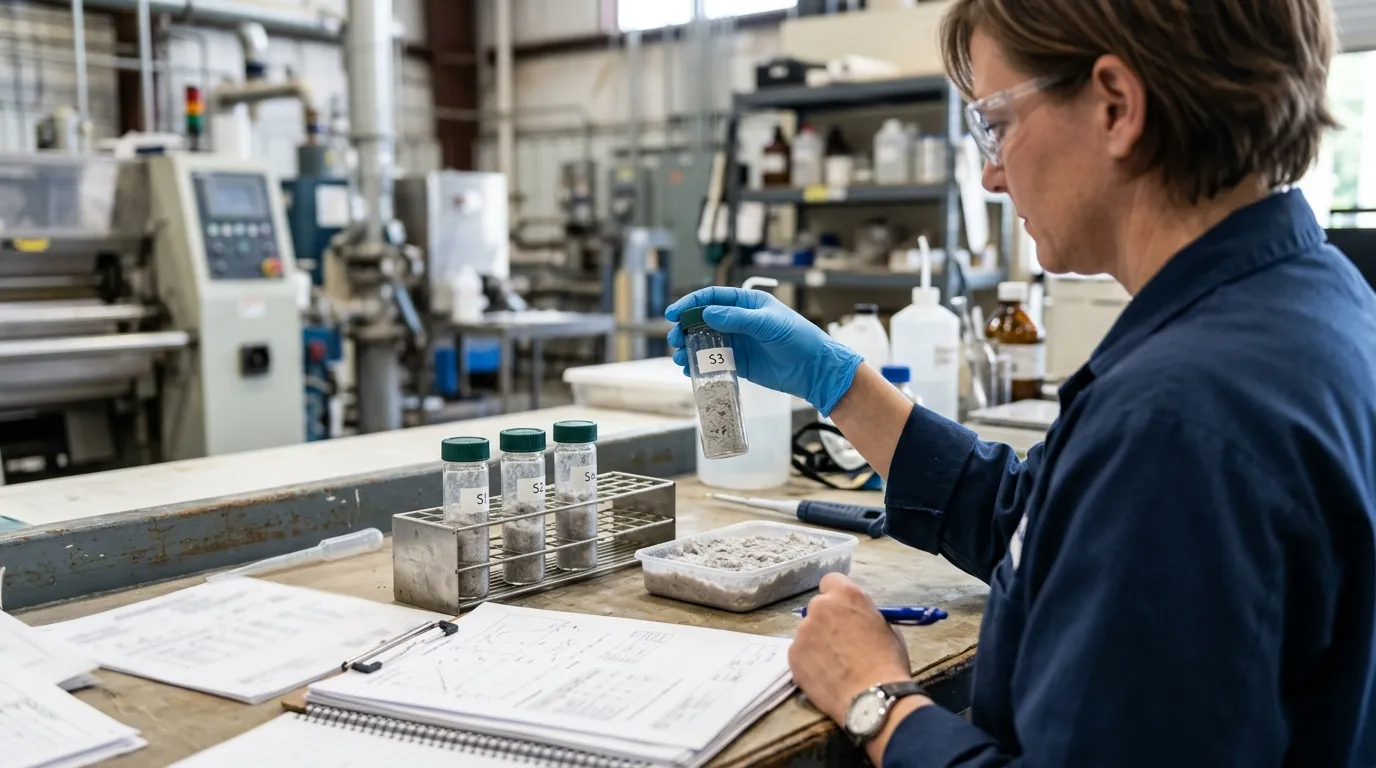
A useful supplier inquiry should help the mill compare equivalent products and determine whether the evidence is relevant to its process.
| Request or verification item | Why it matters |
|---|---|
| Exact grade and product form | Prevents comparison of non-equivalent products |
| Ionic type | Identifies the intended chemical category |
| Active-content basis | Separates active PAM from product-as-supplied quantity |
| Charge-related information | Helps relate the grade to furnish chemistry |
| Molecular-weight or viscosity information, where supplied | Helps interpret handling and flocculation behavior |
| TDS, SDS, and COA | Supports technical, safety, and QA review |
| Specification limits and test methods | Makes reported values interpretable |
| Batch identification | Supports traceability |
| Application-test conditions | Shows whether performance data is relevant |
| Storage and preparation information | Supports operational qualification |
| Jurisdiction and application scope | Prevents unsupported compliance assumptions |
For any performance data, ask for the conditions behind the result. The useful details may include furnish type, pH, machine or laboratory context, dosage basis, shear conditions, and measured endpoints.
A supplier’s catalog listing or application page should not be treated as proof of in-house manufacture, current stock, delivery capability, certification, or product approval. Those claims require separate, current evidence for the exact product and application.
Practical boundaries when comparing PAM grades
Several comparison errors can lead to an unsuitable retention program:
- Comparing cationic, anionic, nonionic, or amphoteric labels without considering the furnish
- Comparing dry-powder assay with liquid-emulsion active content as though they were the same supplied basis
- Applying one supplier’s pH range to a different PAM product
- Treating a laboratory result as proof of mill-scale performance without matching relevant conditions
- Selecting a grade only because it has a higher molecular-weight description
- Selecting a grade only because it has the lowest quoted price
- Publishing a universal dosage without machine-specific evidence
- Treating an SDS or COA as proof of regulatory approval for a separate application
The safest selection path is to define the mill’s baseline, compare clearly identified grades, test under representative conditions, and review the technical documentation for the exact product form and batch.
For additional preparation-related information, the article on polyacrylamide dissolution may be relevant. Any preparation method should still be checked against the exact supplier documentation rather than assumed from a general PAM description.
When requesting a paper-grade polyacrylamide, provide the supplier with the furnish, paper grade, relevant machine conditions, product form, documentation requirements, and the retention and drainage outcomes that matter to the mill. This creates a more meaningful technical comparison than asking for a generic “high-performance PAM” grade.


Contact Us
In This Article
Related Posts
Custom Packaging Solutions from an Anhydrous Sodium Acetate Supplier in China
2026-09-23
Application Trends in Anhydrous Sodium Acetate for Special Chemical Manufacturing
2026-09-23
Anhydrous Sodium Acetate for Leather Tanning: Improve Dyeing Uniformity
2026-09-22
Formic Acid 85% for Textile Dyeing: Industrial Applications, Technical Benefits and Future Trends
2026-09-22


