



Sodium Acetate for Concrete Sealers: Function, Selection, and Testing
By vanchor
2026-07-17Related Posts
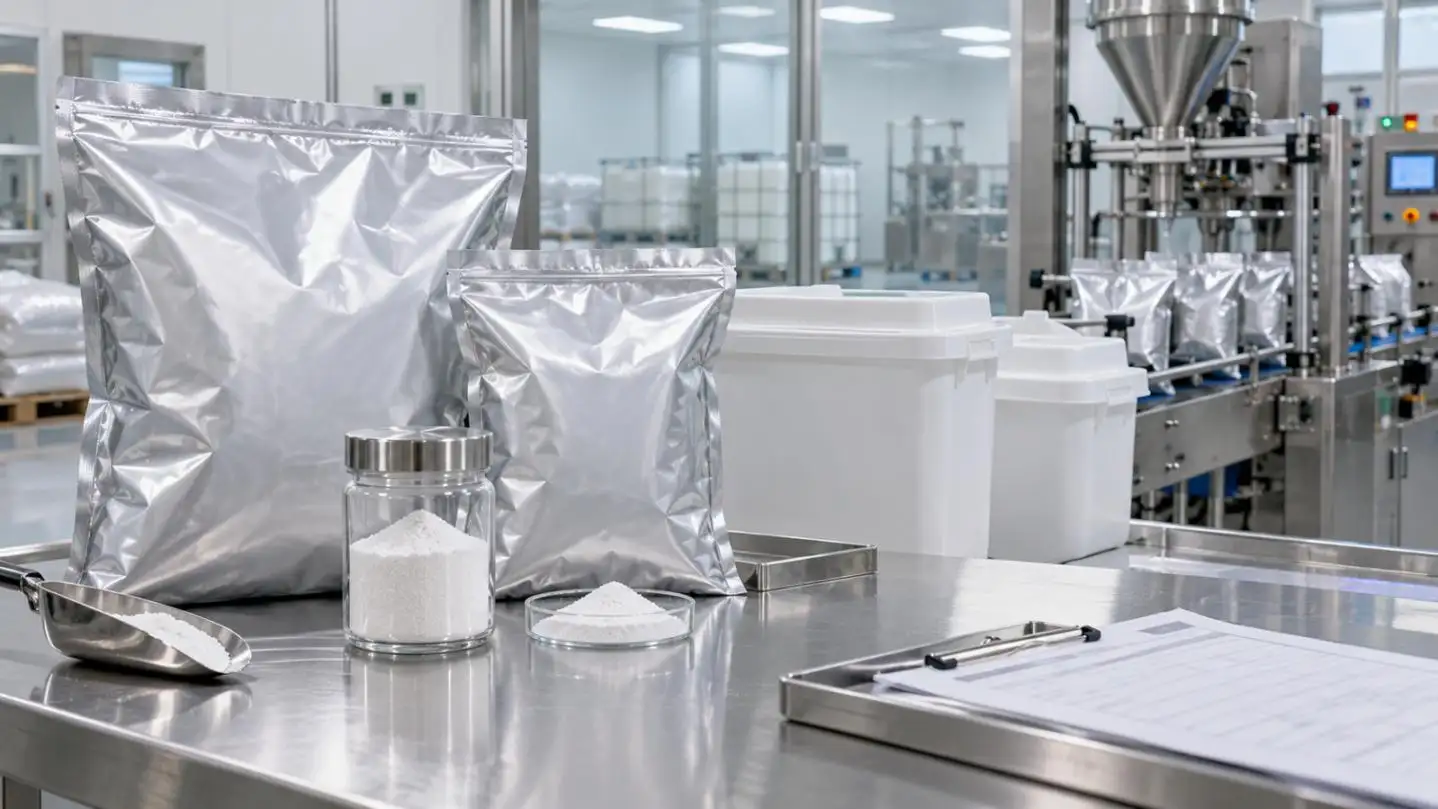
Custom Packaging Solutions from an Anhydrous Sodium Acetate Supplier in China
2026-09-23

Application Trends in Anhydrous Sodium Acetate for Special Chemical Manufacturing
2026-09-23

Anhydrous Sodium Acetate for Leather Tanning: Improve Dyeing Uniformity
2026-09-22

Formic Acid 85% for Textile Dyeing: Industrial Applications, Technical Benefits and Future Trends
2026-09-22
Sodium acetate can play a concrete-protection role, but it is better understood as a permeability-reducing or sealant-like treatment than as a universal replacement for conventional concrete sealers. For Vanchor’s product line, the most relevant form is sodium acetate trihydrate, which the company positions for construction and waterproofing use.
If you are trying to decide whether it fits your project, the key questions are simple: what exactly it does inside concrete, which form to choose, and how to test whether it works under your curing and exposure conditions. Those are the questions this guide answers.

What Sodium Acetate Does in Concrete
The basic idea is that sodium acetate can help reduce water movement through concrete by interacting with the pore structure, where moisture normally travels. In the research literature, that effect is often described through crystallization inside the pores, which helps lower water permeability and, in some cases, water absorption.pubs.acs+2
That is why the topic is usually more technical than the word “sealer” suggests. A conventional sealer sits on or near the surface as a protective layer, while sodium acetate is discussed in studies as a material that can alter how the concrete body itself handles moisture. In practical terms, the performance question is not just “Does it seal?” but “Under what conditions does it reduce ingress enough to matter?”pubs.acs+1
Research also shows that results depend on the concrete mix, curing environment, and exposure conditions. In one study, sodium acetate improved impermeability and mechanical performance under some curing conditions, but not all. That makes testing essential before anyone treats it as a finished waterproofing answer.bura.brunel.ac+1
Is It a Sealer, Sealant, or Additive?
This is the most important terminology issue in the topic. If you use sodium acetate as a blanket substitute for epoxy, silane, or siloxane sealers, you are likely overselling what the material can do.
A better way to frame it is this:
As a sealer, it is only a loose description.
As a sealant-like treatment, it is closer to the technical reality.
As an additive or permeability-reducing agent, it matches the research language more closely.pubs.acs+2
That distinction matters because searchers are usually trying to solve a performance problem, not just classify a chemical. They want to know whether sodium acetate can reduce water ingress, help with durability, and fit a specific application such as pavement, moisture-prone concrete, or deicing-salt exposure.link.springer+2
If your article uses the word “sealer,” it should immediately clarify that the material’s role depends on how it is applied and what performance goal is being measured.
How to Choose the Right Form
For Vanchor, sodium acetate trihydrate is the confirmed product form tied to this cluster, and the company lists it with 58%–60% purity and construction-related use. That makes it the safest form to discuss first, especially for readers evaluating bulk supply or product documentation.vanchorsc
The anhydrous form matters mainly as a comparison point. A buyer may need to consider active content, handling behavior, and whether the application is closer to a formulation or procurement decision than a simple end-use purchase. The choice is not just chemical; it is also about the intended moisture behavior, storage, and whether the supplier’s specification matches the project requirement.vanchorsc+1
A practical selection lens looks like this:
Use the trihydrate discussion when you are evaluating Vanchor’s offered construction-grade material.vanchorsc
Bring in anhydrous sodium acetate when form comparison changes the decision.
Check whether the planned use is surface treatment, internal integration, or another validated approach.
Confirm whether the product documentation supports the intended concrete application.
When Trihydrate Makes Sense
Sodium acetate trihydrate is the most relevant option when you want to align with Vanchor’s supplied product and its stated construction-use positioning. It is also the form most naturally connected to the broader product and supplier pages in this cluster.vanchorsc
For procurement readers, that means the starting point is simple: confirm the offered purity, request the documentation, and verify whether the concrete application has been tested under conditions similar to yours. If those pieces are missing, the material may still be interesting, but it is not yet decision-ready.vanchorsc
When Anhydrous May Be Preferred
Anhydrous sodium acetate becomes relevant when the active-content comparison itself matters more than the basic product identity. That usually happens when formulation control, handling, or comparison against the trihydrate form is part of the buying decision.vanchorsc+1
This is the right place to stop short of a universal recommendation. The best form depends on the intended use, the supplier’s actual specification, and the performance data behind the claim.
Where It Fits in Concrete Applications
The strongest use cases in the current research are moisture-sensitive concrete, pavement, and exposure conditions where water ingress, salt attack, or freeze-thaw cycling are concerns. Those are the scenarios where the material’s permeability-reducing behavior becomes most relevant.link.springer+3
Academic studies show that sodium acetate has been tested for long-term performance, water absorption, and strength changes under different curing conditions. That matters because a treatment can look promising in one environment and underperform in another. For example, some results showed improved impermeability under water and outdoor curing, while pond-water curing did not deliver the same level of benefit.bura.brunel.ac+1
The practical takeaway is that sodium acetate belongs in a decision path for concrete protection, not in a blanket claim for every slab or structure. It is most credible when the reader is dealing with:
Concrete that needs reduced water permeability.
Pavements exposed to deicing salt or harsh seasonal cycling.
Severe environmental conditions where durability testing is part of the evaluation.link.springer+1
What to Test Before You Scale
This is where the article becomes most useful for a buyer or technical reader. Before a full rollout, the material should be checked against the concrete’s actual mix design and exposure conditions, not just against a general product claim.
The most relevant checks are:
Water absorption.
Water permeability.
Compressive strength.
Flexural strength.
Performance under the intended curing condition.bura.brunel.ac+1
The research suggests that these outcomes are not fixed. They can shift with dosage, integration method, and curing environment. In other words, the same material can perform differently depending on how it is introduced to the concrete.pubs.acs+2
A practical testing approach is to compare treated and untreated samples under the same conditions. That lets you answer the real question: does the treatment improve moisture resistance without creating an unacceptable trade-off in strength or durability?
If you are buying rather than formulating, ask for the technical documents that support those claims. Vanchor says it can provide TDS, MSDS, free samples, and export packaging support for its sodium acetate trihydrate offering. That is the level of supplier support a buyer should expect before moving past the evaluation stage.vanchorsc
Supplier Questions to Ask
For this topic, supplier questions should be technical rather than promotional. A good supplier conversation should cover:
Which form is being supplied.
What purity or assay is confirmed.
Whether the product has been evaluated for concrete use.
What documents are available.
Whether samples are available for testing.vanchorsc
Those questions help separate a general chemical supplier from one that can support a real concrete-use evaluation. They also reduce the risk of repeating a competitor’s vague “waterproofing” claim without validation.
When Not to Use It
Sodium acetate is not the right answer when you need a proven conventional sealer with established surface-film behavior. It is also a poor fit when the mix design, curing environment, or exposure conditions are unknown and you do not have time to test first.
It should be treated cautiously if the project needs a guaranteed outcome across mixed conditions or if the application is better served by another protection chemistry. The safest position is to treat sodium acetate as a candidate for validation, not as a guaranteed substitute.
For readers comparing forms, the best next step is to review the broader sodium acetate trihydrate product context in the Sodium Acetate Trihydrate Manufacturer: Quality, Applications, and Bulk Supply (inferred) page. If form choice is still unclear, the sodium acetate trihydrate vs anhydrous guide is the most relevant follow-up.


Contact Us
In This Article
Related Posts
Custom Packaging Solutions from an Anhydrous Sodium Acetate Supplier in China
2026-09-23
Application Trends in Anhydrous Sodium Acetate for Special Chemical Manufacturing
2026-09-23
Anhydrous Sodium Acetate for Leather Tanning: Improve Dyeing Uniformity
2026-09-22
Formic Acid 85% for Textile Dyeing: Industrial Applications, Technical Benefits and Future Trends
2026-09-22


