



Sodium Acetate for Leather Processing: pH Control and Process Applications
By vanchor
2026-07-18Related Posts
Custom Packaging Solutions from an Anhydrous Sodium Acetate Supplier in China
2026-09-23

Application Trends in Anhydrous Sodium Acetate for Special Chemical Manufacturing
2026-09-23
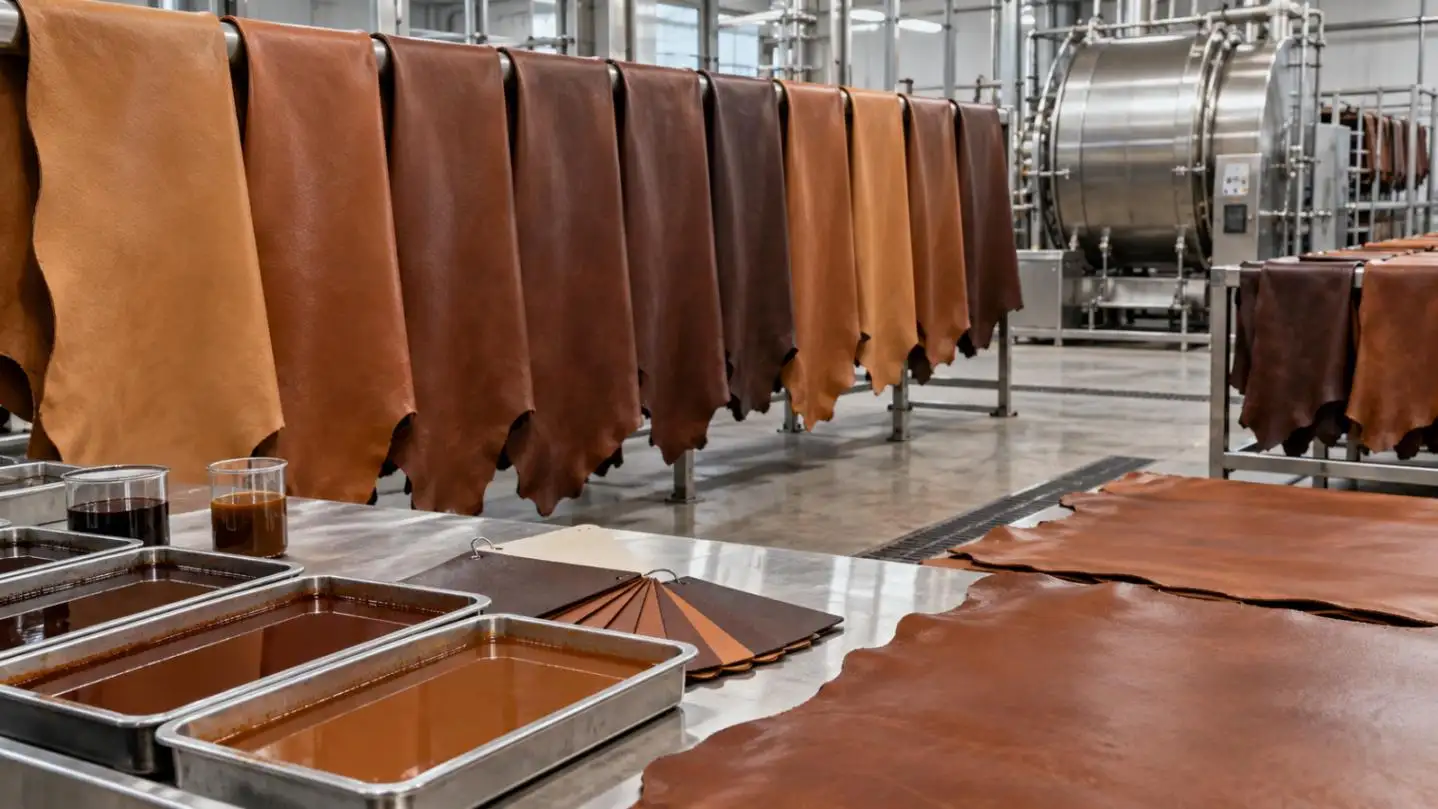
Anhydrous Sodium Acetate for Leather Tanning: Improve Dyeing Uniformity
2026-09-22

Formic Acid 85% for Textile Dyeing: Industrial Applications, Technical Benefits and Future Trends
2026-09-22
Sodium acetate is used in leather processing mainly as a pH-control and buffering aid, especially where controlled neutralization matters after tanning. For a broader product overview, see the parent hub on Sodium Acetate Trihydrate Manufacturer: Quality, Applications, and Bulk Supply (inferred).
In tannery workflows, the practical question is not just what sodium acetate is, but where it helps maintain process stability, support penetration, and reduce the risk of overcorrection. That is the focus of this guide.

What Sodium Acetate Does in Leather Processing
Sodium acetate is relevant in leather processing because it helps manage acidity without forcing the system into a harsh alkaline shift. In practice, that makes it useful where a tannery wants more controlled pH movement during or after tanning rather than a sudden neutralization jump.pubchem.ncbi.nlm.nih+1
The most important effect is process stability. Leather chemistry is sensitive to pH, and small shifts can affect how evenly tanning agents penetrate, how the hide behaves in later steps, and how much risk there is of grain damage or uneven treatment.epa+1
A simple way to think about it is this: sodium acetate supports a gentler pH adjustment path. That is why it appears in technical discussions of tanning and neutralization rather than as a generic bulk chemical only.pubchem.ncbi.nlm.nih+1
Why pH Stability Matters
Leather is not just being cleaned or dyed; it is being chemically transformed. If acidity stays too high, later steps can be uneven. If the pH rises too quickly or too far, the structure of the hide can be stressed.epa
That is why sodium acetate’s buffering behavior matters. It helps the process move in a controlled direction instead of forcing a sharp chemical change.pubchem.ncbi.nlm.nih+1
Where It Fits in the Leather Workflow
The most relevant use case is the neutralization-related stage around tanning, especially chrome tanning. Live technical and supplier references consistently place sodium acetate in the context of pH control during tanning and post-tan processing.rxsolgroup.rxmarine+2
In this workflow, the goal is not to replace every neutralizer. The goal is to create a more manageable chemical environment so the leather can accept later treatments more evenly. That is why the topic is usually discussed alongside chrome tanning, dye penetration, and process consistency.epa+1
A practical workflow view looks like this:
The hide or skin has already gone through earlier preparation and tanning steps.
Residual acidity still needs to be managed.
Sodium acetate helps stabilize the pH shift during the neutralization-related phase.
Later steps such as dyeing or finishing can then proceed more evenly.epa+1
Process Outcomes Readers Care About
The reader usually wants to know what changes in the leather itself. The recurring outcomes discussed in technical and commercial sources are more even penetration, better process uniformity, and a lower chance of harsh pH correction.pubchem.ncbi.nlm.nih+2
That matters because leather quality is not only about strength. It also depends on how consistently chemicals move through the material and how well the process stays under control.
Benefits and Practical Limitations
Sodium acetate is attractive in leather processing because it offers controlled pH support rather than an aggressive correction. That can be useful when the process needs moderation, not force.pubchem.ncbi.nlm.nih+1
Its main advantages in this context are:
Controlled neutralization support.
Better pH stability during processing.
Better conditions for uniform penetration.
Reduced risk of abrupt chemical overcorrection.chemignition+1
The limitation is that it is not a universal replacement for every tannery neutralizer. Technical sources show that leather-process choice depends on the stage, the desired pH movement, and the rest of the chemical system.epa+1
So the right question is not “Is sodium acetate always best?” The better question is “Does this process need a gentler buffering approach, or a different neutralizing profile?” That is where alternatives such as sodium formate or bicarbonate become relevant.vanchorsc+1
Sodium Acetate vs Common Alternatives
If a tannery is choosing between related chemicals, the selection usually depends on how fast the pH needs to move and how controlled the process must be.
Sodium acetate is best understood as a buffering-oriented option.
Sodium formate is a close process alternative in leather chemistry.
Bicarbonate may be used in neutralization discussions, but the right choice depends on process design.vanchorsc+1
In other words, there is no universal winner. The right material depends on the leather stage, the chemical system, and the quality target.
How to Choose the Right Supply Form
For buyers, the practical choice is usually tied to product form and handling. Vanchor confirms sodium acetate supply in both anhydrous and trihydrate forms on its site, and its product pages also place sodium acetate inside broader textile and leather chemical application groups.vanchorsc+1
That means form selection should be treated as a process decision, not just a catalog choice. If the operation needs a dry salt in a blending system, anhydrous supply may be more relevant. If a formulation or process context favors the hydrated form, trihydrate may be more convenient.vanchorsc+1
Before buying, a tannery or buyer should verify:
Form.
Grade.
Packaging.
Compatibility with the intended leather process.
Any product documentation available from the supplier.vanchorsc+1
When to Talk to a Supplier
If the goal is to source sodium acetate for leather processing, the most useful supplier conversation is about process fit, not generic product marketing. Ask whether the supply form matches the stage you are working in and whether the product documentation matches your internal requirements.
For Vanchor’s product context, the most relevant next step is to review the sodium acetate product page and compare the available forms against your process need. If your work also involves adjacent applications, the related textile-dyeing guide can help show how the same chemical behaves in a different pH-control context.vanchorsc+1
Practical Next Step
If you are evaluating sodium acetate for leather processing, start with the process stage first, then choose the form. When the need is controlled pH support rather than aggressive neutralization, sodium acetate is worth considering as a stable, process-friendly option.pubchem.ncbi.nlm.nih+1
For broader sodium acetate supply context, return to the parent hub on Sodium Acetate Trihydrate Manufacturer: Quality, Applications, and Bulk Supply (inferred).


Contact Us
In This Article
Related Posts
Custom Packaging Solutions from an Anhydrous Sodium Acetate Supplier in China
2026-09-23
Application Trends in Anhydrous Sodium Acetate for Special Chemical Manufacturing
2026-09-23
Anhydrous Sodium Acetate for Leather Tanning: Improve Dyeing Uniformity
2026-09-22
Formic Acid 85% for Textile Dyeing: Industrial Applications, Technical Benefits and Future Trends
2026-09-22


