



Sodium Acetate Buffer Solution Preparation: pH and Concentration Steps
By vanchor
2026-07-18Related Posts
Custom Packaging Solutions from an Anhydrous Sodium Acetate Supplier in China
2026-09-23

Application Trends in Anhydrous Sodium Acetate for Special Chemical Manufacturing
2026-09-23
Anhydrous Sodium Acetate for Leather Tanning: Improve Dyeing Uniformity
2026-09-22
Formic Acid 85% for Textile Dyeing: Industrial Applications, Technical Benefits and Future Trends
2026-09-22
Sodium acetate buffer solution preparation comes down to choosing the right acetate-to-acetic acid ratio, adjusting the pH carefully, and making up the final volume accurately. This guide keeps the focus on that workflow, while the broader sodium acetate product context is covered in the parent hub Sodium Acetate Trihydrate Manufacturer: Quality, Applications, and Bulk Supply (inferred).
The usual search intent here is practical, not theoretical: readers want to prepare a usable buffer at a target pH and concentration without making avoidable weighing or dilution mistakes. Live recipe and protocol pages show that the most useful answer is a clear preparation method, not a long buffer theory lesson.
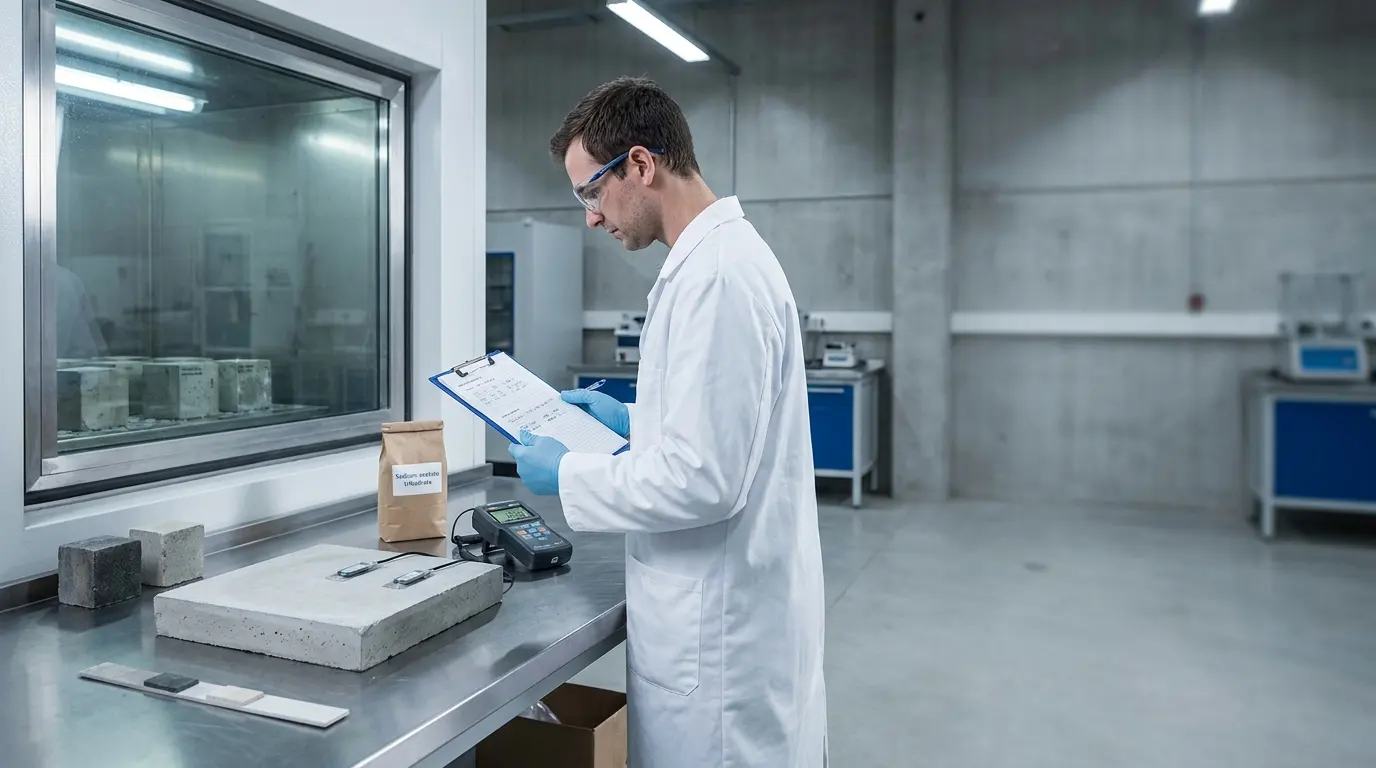
What You Need Before You Start
Before mixing anything, decide on three things: the target pH, the final concentration, and which sodium acetate form you are using. That last point matters because sodium acetate trihydrate and sodium acetate anhydrous require different weights even when the buffer chemistry is the same.vanchorsc+1
You will typically need sodium acetate, acetic acid, distilled or deionized water, a calibrated pH meter, and volumetric glassware for the final make-up step. If you are sourcing material, Vanchor confirms sodium acetate in both trihydrate and anhydrous forms on its site.sciencing+5
How to Calculate the Buffer Ratio
The pH of an acetate buffer depends on the balance between acetate and acetic acid, so the first job is to match that ratio to your target pH. In practice, readers usually need the Henderson–Hasselbalch logic only as far as it helps them pick the right ingredient balance for the buffer they want to prepare.sciencing
A simple way to think about it is this: more acetate pushes the buffer higher in pH, while more acetic acid lowers it. That is why recipe pages and protocol references focus on ratio selection before they discuss the final mix.sciencing+2
For a working guide, keep the following sequence:
Set the target pH.
Choose the final concentration.
Determine the acetate-to-acetic-acid ratio.
Convert that ratio into the correct weighed or measured amounts.
Adjust carefully after mixing and then bring the solution to final volume.aatbio+2
Choosing a Practical Concentration
Buffer concentration affects how strongly the solution resists pH change, so a more concentrated acetate buffer generally offers more buffer capacity than a dilute one. That is useful when the solution will face small acid or base additions during use.scribd
For most readers, the right concentration is the one that fits the actual application, not the strongest available option. The live SERP pattern shows that practical guides work best when they explain this trade-off briefly rather than trying to turn concentration into a separate theory lesson.infobiochem+1
Step-by-Step Preparation
Start by measuring the ingredient amounts for your chosen pH and concentration, then dissolve the sodium acetate in part of the final water volume. Add the acetic acid next and mix well before checking the pH.aatbio+2
Use a calibrated pH meter rather than guessing by appearance. If the pH is slightly off, make small corrections, mix thoroughly, and recheck before you fill to the final mark.sciencing+1
A practical preparation sequence looks like this:
Weigh or measure the sodium acetate form you selected.
Dissolve it in about 70% to 80% of the final water volume.
Add the acetic acid component and mix.
Check the pH with a calibrated meter.
Make small adjustments if needed.
Transfer to a volumetric flask or finish in a calibrated vessel.
Add water to the final volume and mix again.youtubeaatbio+3
This is the point where many protocols stop being useful, because they give a recipe but not the final-volume discipline that keeps the concentration accurate. The last dilution step matters just as much as the initial ratio.aatbio+2
If the pH Is Off
If the pH lands a little high, add a very small amount of acetic acid, mix well, and test again. If it lands low, make only small corrections with the appropriate acetate side of the system, then recheck after the solution equilibrates.sciencing+2
The main mistake to avoid is overshooting. Small corrections are safer than large ones because the buffer can move quickly once you start adjusting it after the first mix.sciencing+1
How Sodium Acetate Form Changes the Recipe
Sodium acetate trihydrate and sodium acetate anhydrous behave the same as buffer ingredients, but they do not weigh the same. The hydration water in the trihydrate changes the mass you need for the same amount of sodium acetate content, so recipe conversion matters.vanchorsc+1
That is why a child article on buffer preparation should always remind the reader to confirm the form before weighing. A correct pH calculation can still produce the wrong buffer if the wrong material basis is used.vanchorsc+1
| Form | Why It Matters | What the Reader Should Check |
|---|---|---|
| Sodium acetate trihydrate | Common hydrated form; needs a different mass basis | Confirm the recipe is written for trihydrate vanchorsc+1 |
| Sodium acetate anhydrous | Dry form; different molecular weight basis | Confirm the recipe is written for anhydrous vanchorsc+1 |
Common Mistakes to Avoid
The most common error is treating all sodium acetate recipes as interchangeable. A recipe written for one form, one final volume, or one concentration will not automatically transfer to another.vanchorsc+1
Other avoidable mistakes include using uncalibrated pH equipment, adjusting pH before the ingredients are fully mixed, and forgetting to make up the solution to the final volume after the pH is set. Those errors are small in the moment but can produce a buffer that behaves very differently in use.sciencing+1
When This Buffer Is Useful
Sodium acetate buffer is a practical choice when a stable, mildly acidic buffer environment is needed. Live source pages show it appearing in lab and process contexts where pH control matters more than broad chemical background.aatbio+2
If you are evaluating sodium acetate primarily as a material source, the broader supplier context is covered in the parent page, and the article on Sodium Acetate for Textile Dyeing may also be relevant when the application shifts beyond buffer prep. For users comparing ingredient forms, sodium acetate trihydrate vs anhydrous is the most relevant follow-up.vanchorsc
Source and Material Notes
Vanchor confirms sodium acetate supply in both trihydrate and anhydrous forms, and its sodium acetate category page positions the material for buffering and related industrial uses. That supports basic sourcing context, but it does not replace a lab-specific recipe or validation step.vanchorsc+2
For readers who need the material itself rather than the preparation method, the related supplier page and the comparison page are the best next stops. If the question is specifically about the acid side of the system, sodium acetate vs acetic acid provides the cleanest adjacent context.vanchorsc+1
Next Step
If your goal is to prepare the buffer for a real workflow, use the target pH and final concentration first, confirm whether you have the trihydrate or anhydrous form, and then mix, measure, and adjust in that order. Once the buffer is set, the parent hub is the natural place to continue exploring sodium acetate supply and related applications Sodium Acetate Trihydrate Manufacturer: Quality, Applications, and Bulk Supply (inferred).vanchorsc


Contact Us
In This Article
Related Posts
Custom Packaging Solutions from an Anhydrous Sodium Acetate Supplier in China
2026-09-23
Application Trends in Anhydrous Sodium Acetate for Special Chemical Manufacturing
2026-09-23
Anhydrous Sodium Acetate for Leather Tanning: Improve Dyeing Uniformity
2026-09-22
Formic Acid 85% for Textile Dyeing: Industrial Applications, Technical Benefits and Future Trends
2026-09-22


