



How to Choose a Reliable Water Treatment Chemical Supplier
By vanchor
2026-07-15Related Posts
What Purity Is Required for Sodium Formate for De-Icing Applications?
2026-08-21
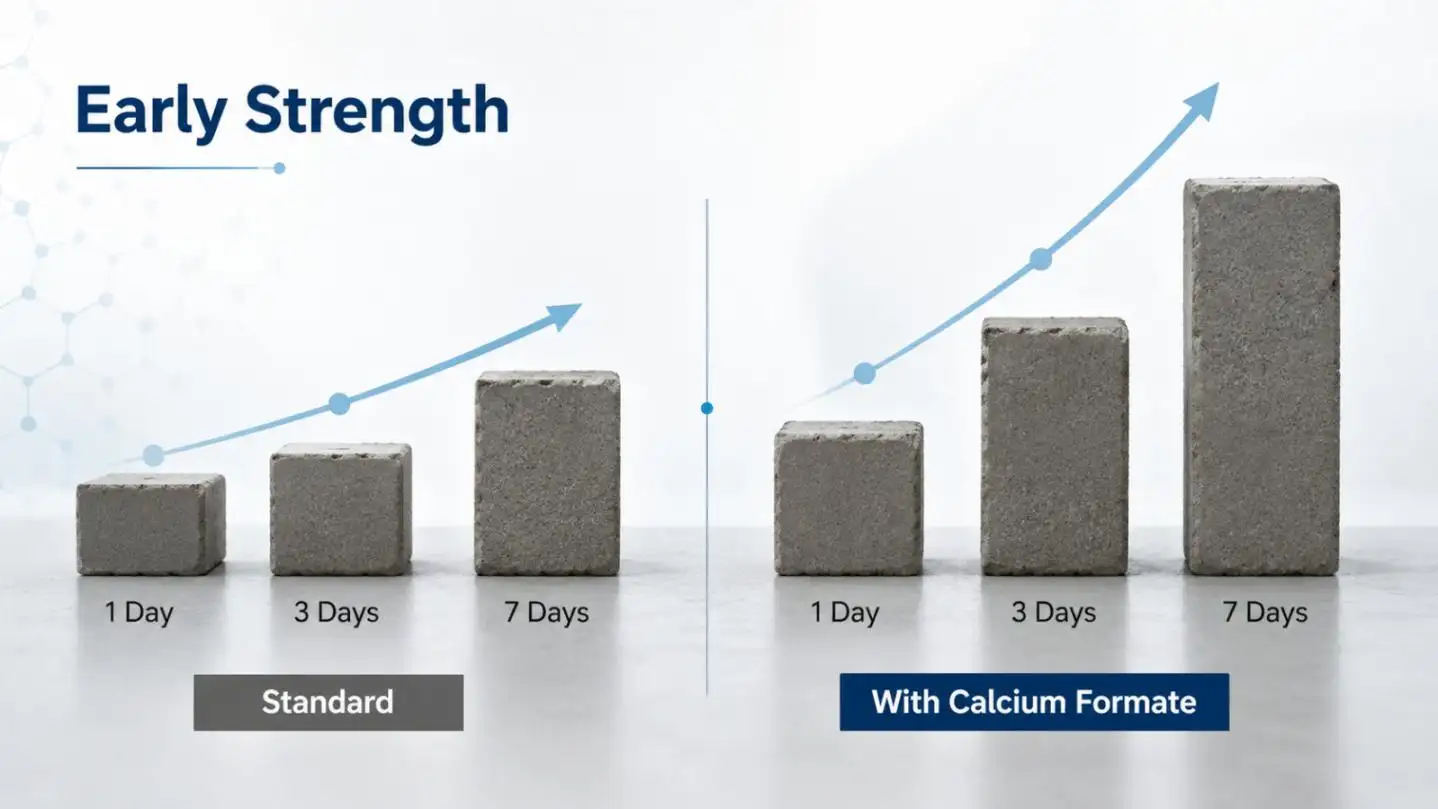
Calcium Formate for Tile Adhesive: How It Improves Early Strength and Setting Time
2026-08-20
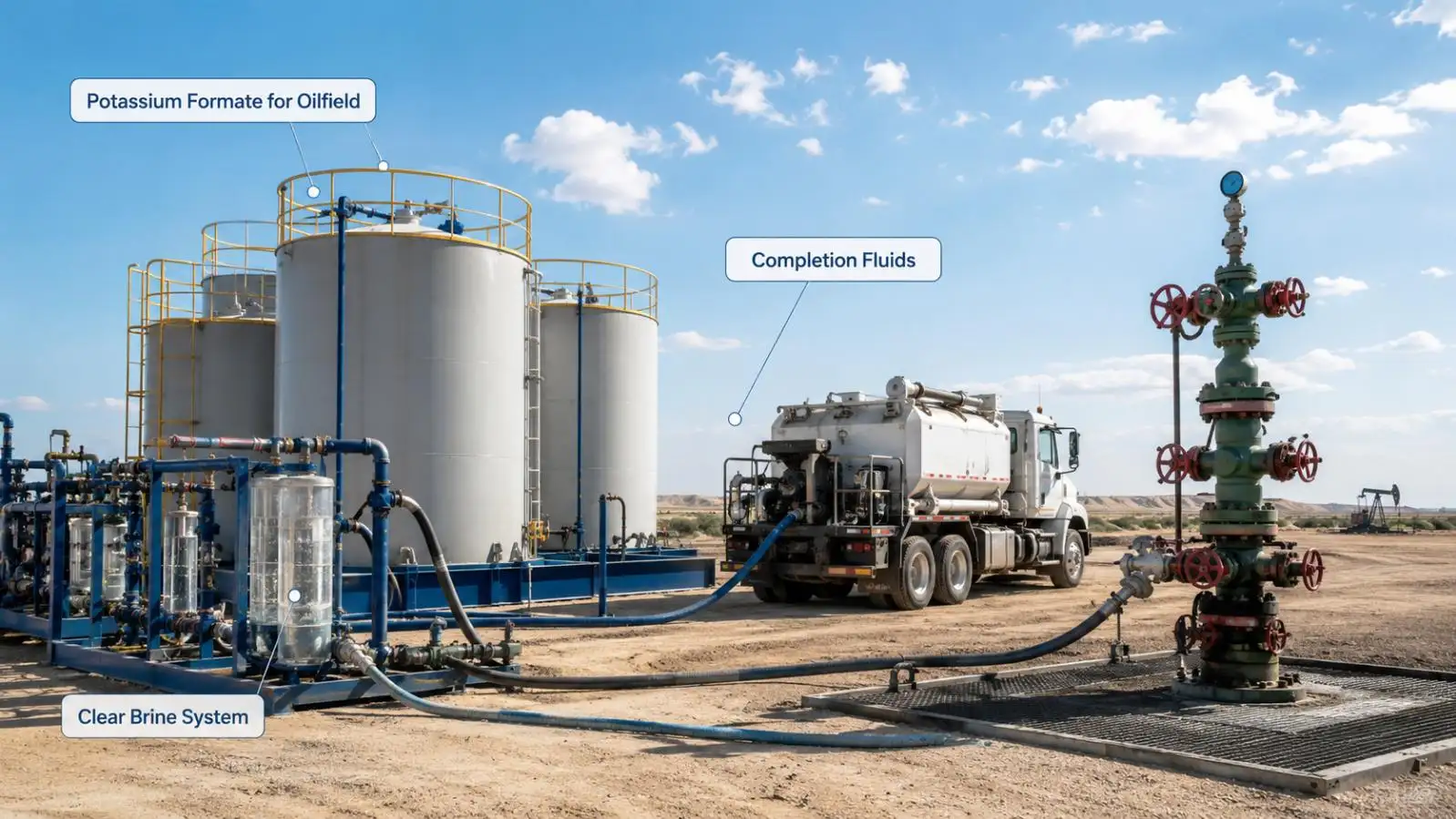
Potassium Formate for Oilfield Completion Fluids: Density, Compatibility and Formation Protection
2026-08-19
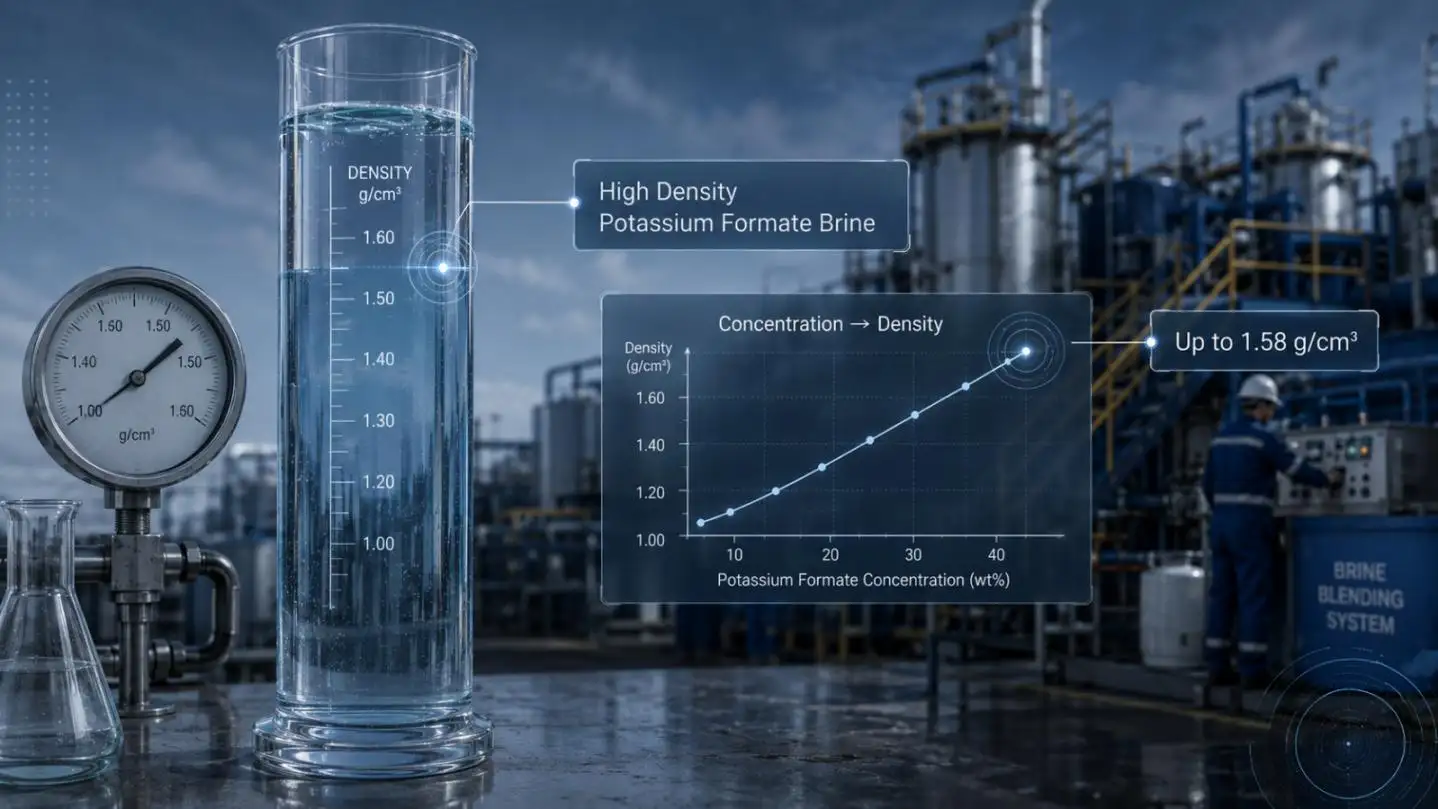
High Density Potassium Formate Brine: Density Range, Properties and Oilfield Applications
2026-08-18
Water treatment chemicals play an essential role in industrial production, municipal water systems, wastewater treatment, cooling towers, boilers, swimming pools, food processing, mining, and many other applications. The quality and consistency of these chemicals can directly affect treatment efficiency, equipment condition, operating costs, and regulatory compliance.
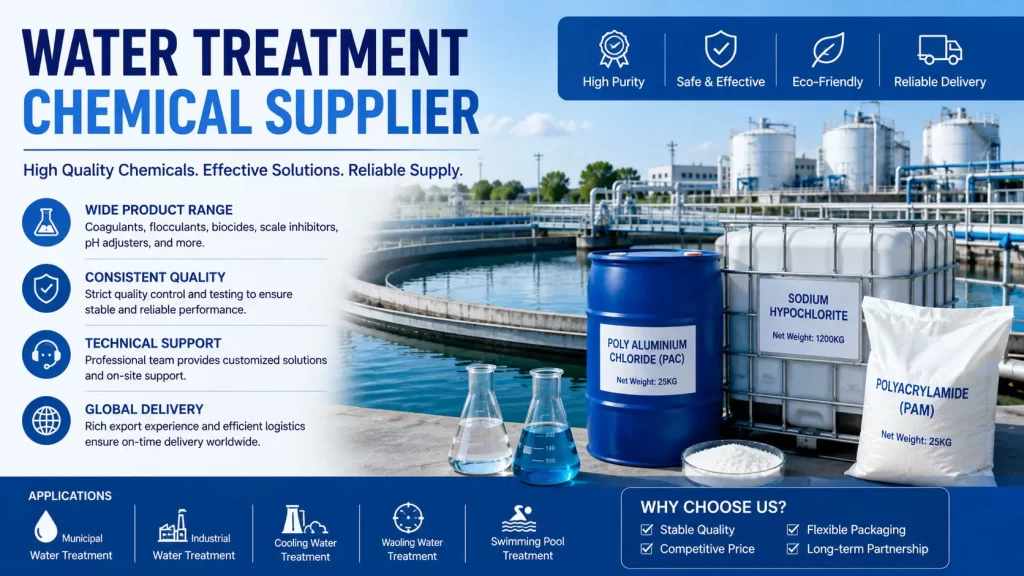
Choosing the right water treatment chemical supplier is therefore more important than simply finding the lowest quotation. A dependable supplier should provide stable product quality, accurate documentation, technical support, suitable packaging, and reliable delivery.
This guide explains the main factors buyers should consider when selecting a water treatment chemical supplier.
What Does a Water Treatment Chemical Supplier Provide?
A water treatment chemical supplier provides chemical products used to improve water quality, remove contaminants, prevent corrosion, control scale, disinfect systems, and support wastewater treatment processes.
Common product categories include:
- Coagulants
- Flocculants
- Corrosion inhibitors
- Scale inhibitors
- Disinfectants
- pH adjustment chemicals
- Defoamers
- Chelating agents
- Activated carbon
- Ion exchange materials
- Boiler water treatment chemicals
- Cooling water treatment chemicals
- Wastewater treatment additives
The correct chemical depends on the water source, contaminant level, equipment type, treatment objective, and operating conditions.
A professional supplier should not recommend a product based only on its name. The supplier should first understand the buyer’s water quality, application, dosage requirements, and treatment process.
Why Chemical Quality Matters
Water treatment systems require predictable chemical performance. Variations in purity, concentration, moisture, particle size, or active ingredient content may affect treatment results.
Inconsistent chemicals can cause problems such as:
- Poor contaminant removal
- Unstable pH control
- Excessive chemical consumption
- Sludge handling difficulties
- Scale formation
- Equipment corrosion
- Reduced filtration efficiency
- Increased maintenance costs
- Inconsistent wastewater discharge quality
A reliable water treatment chemical supplier should use clear product specifications and standardized quality control procedures.
Each shipment should match the agreed technical requirements.
Understand Your Treatment Application
Before purchasing, buyers should clearly define the intended application.
For example, drinking water treatment may have different requirements from industrial wastewater treatment. Boiler systems require chemicals that help control scale, corrosion, and dissolved oxygen. Cooling systems may need biocides, dispersants, and scale inhibitors.
Important information may include:
- Water source
- pH level
- Water hardness
- Total dissolved solids
- Suspended solids
- Temperature
- Flow rate
- Metal content
- Organic contamination
- Treatment equipment
- Required discharge standard
Providing this information helps the supplier recommend a suitable product and dosage range.
Evaluate the Supplier’s Product Range
A supplier with a complete product portfolio can help buyers manage multiple treatment needs through one sourcing channel.
However, a broad range alone does not guarantee professional capability. Buyers should verify whether the supplier understands the technical use of each chemical.
A qualified supplier should be able to explain:
- Product function
- Recommended applications
- Standard dosage range
- Storage conditions
- Compatibility with other chemicals
- Handling precautions
- Available concentration or grade
- Packaging options
The supplier should also identify when laboratory testing or a plant trial is necessary before bulk purchasing.
Review Product Specifications
Before ordering, buyers should request a Technical Data Sheet and product specification.
Important parameters may include:
- Active ingredient content
- Purity
- Concentration
- pH value
- Density
- Viscosity
- Moisture content
- Solubility
- Appearance
- Particle size
- Shelf life
- Storage temperature
The relevant parameters depend on whether the product is supplied as a liquid, powder, granule, tablet, or concentrated solution.
Buyers should confirm whether the product meets the requirements of their treatment system and destination market.
Request Samples and Conduct Trials
Sample testing is an important step when evaluating a water treatment chemical supplier.
Laboratory testing may help determine:
- Coagulation performance
- Floc formation
- Settling speed
- Turbidity reduction
- pH adjustment efficiency
- Scale control
- Corrosion inhibition
- Defoaming performance
- Sludge volume
- Chemical compatibility
For coagulants and flocculants, jar testing is often used to compare different products and dosage levels.
For industrial systems, a controlled production trial may be necessary before switching suppliers. This helps buyers confirm actual performance under operating conditions.
After the sample is approved, the final product specification should be documented for future orders.
Check Quality Control Procedures
A professional supplier should maintain quality control throughout production, storage, and shipment.
Important procedures may include:
- Raw material inspection
- Production process monitoring
- Batch sampling
- Laboratory testing
- Finished product inspection
- Packaging checks
- Batch traceability
- Retained sample management
- Pre-shipment verification
The supplier should provide a Certificate of Analysis for each batch.
The certificate should include actual test values rather than only general product limits. Buyers should compare the test results with the agreed specification before accepting the shipment.
Confirm Safety and Technical Documentation
Water treatment chemicals require clear safety and handling information.
A professional supplier should provide documents such as:
- Safety Data Sheet
- Technical Data Sheet
- Certificate of Analysis
- Product specification
- Packing list
- Commercial invoice
- Certificate of Origin
- Transportation information
- Regulatory declarations
The Safety Data Sheet should explain product classification, handling precautions, personal protective equipment, first-aid measures, storage, and spill response.
Documents should remain consistent in product name, concentration, packaging, batch number, and net weight.
Evaluate Packaging Options
Suitable packaging protects the chemical and supports safe handling.
Liquid chemicals may be supplied in:
- Plastic drums
- Steel drums
- Intermediate bulk containers
- Flexitanks
- Bulk tankers
Powder chemicals may be supplied in:
- 20 kg bags
- 25 kg bags
- Multi-layer paper bags
- Woven bags with inner liners
- 500 kg bulk bags
- 1,000 kg jumbo bags
Packaging selection should consider chemical compatibility, storage conditions, unloading equipment, order volume, and transportation method.
Some buyers may require:
- Customized labels
- Neutral packaging
- Private-label bags
- Palletized loading
- Waterproof wrapping
- Reinforced containers
- Smaller trial packages
A flexible supplier should discuss packaging requirements before production.
Assess Technical Support
Technical service is especially important in water treatment because chemical performance depends on the complete treatment process.
A strong supplier may help with:
- Product selection
- Dosage guidance
- Laboratory testing
- Application troubleshooting
- Chemical compatibility
- Process adjustment
- Treatment cost optimization
- Storage recommendations
The supplier should be willing to investigate problems rather than simply recommend increasing the dosage.
Good technical communication can reduce chemical waste and improve treatment stability.
Review Supply Capacity and Delivery Reliability
Water treatment operations often depend on continuous chemical supply. A late shipment may interrupt production or affect water quality.
Buyers should evaluate:
- Monthly production capacity
- Standard lead time
- Available inventory
- Raw material stability
- Emergency order support
- Export experience
- Delivery performance
- Warehouse capacity
For regular purchasing, buyers should provide forecasts whenever possible.
Forecasting allows the supplier to reserve raw materials, production capacity, packaging, and shipping space.
Consider International Logistics Experience
International chemical transportation requires accurate planning and documentation.
An experienced supplier should understand:
- Container loading
- Weight limitations
- Chemical classification
- Packaging regulations
- Labeling requirements
- Port procedures
- Customs documentation
- Dangerous goods requirements
- Destination market restrictions
Before shipment, buyers should confirm the Incoterm, loading port, shipment quantity, delivery schedule, packaging method, and required documents.
Clear communication reduces the risk of customs delays, damaged packaging, and incorrect shipping arrangements.
Compare Total Procurement Value
Price is important, but it should not be the only decision factor.
Buyers should compare the complete value offered by each supplier, including:
- Product consistency
- Treatment performance
- Dosage efficiency
- Packaging quality
- Technical support
- Delivery reliability
- Documentation
- Communication
- Complaint resolution
A cheaper product may require a higher dosage or create additional sludge, maintenance, or operating costs.
The most suitable supplier is the one that helps achieve stable treatment results at a competitive total cost.
Build a Long-Term Partnership
Long-term cooperation can improve both supply stability and technical performance.
Regular customers may benefit from:
- Reserved production capacity
- Stable specifications
- Customized formulations
- Flexible packaging
- Better forecasting
- Faster technical support
- More efficient shipment planning
- Improved commercial terms
Buyers should communicate changes in water quality, treatment objectives, annual demand, and operating conditions.
The supplier should also provide advance notice of raw material changes, production adjustments, or delivery risks.
Conclusion
Choosing a reliable water treatment chemical supplier requires careful evaluation of product quality, technical capability, documentation, packaging, supply capacity, and logistics experience.
A dependable supplier should provide more than chemicals. It should help buyers maintain stable treatment performance, control operating costs, protect equipment, and manage long-term supply requirements.
Before placing a bulk order, buyers should review specifications, test samples, confirm documentation, evaluate packaging, and discuss technical requirements. A structured supplier selection process can reduce procurement risk and support a more efficient water treatment operation.
Share on Social:


Contact Us
In This Article
Related Posts
What Purity Is Required for Sodium Formate for De-Icing Applications?
2026-08-21
Calcium Formate for Tile Adhesive: How It Improves Early Strength and Setting Time
2026-08-20
Potassium Formate for Oilfield Completion Fluids: Density, Compatibility and Formation Protection
2026-08-19
High Density Potassium Formate Brine: Density Range, Properties and Oilfield Applications
2026-08-18


