


2-Ethylhexanol (2-EH) in Plasticizer Production: Applications, Quality Requirements and Bulk Sourcing
By Vanchorsc
2026-10-21Related Posts
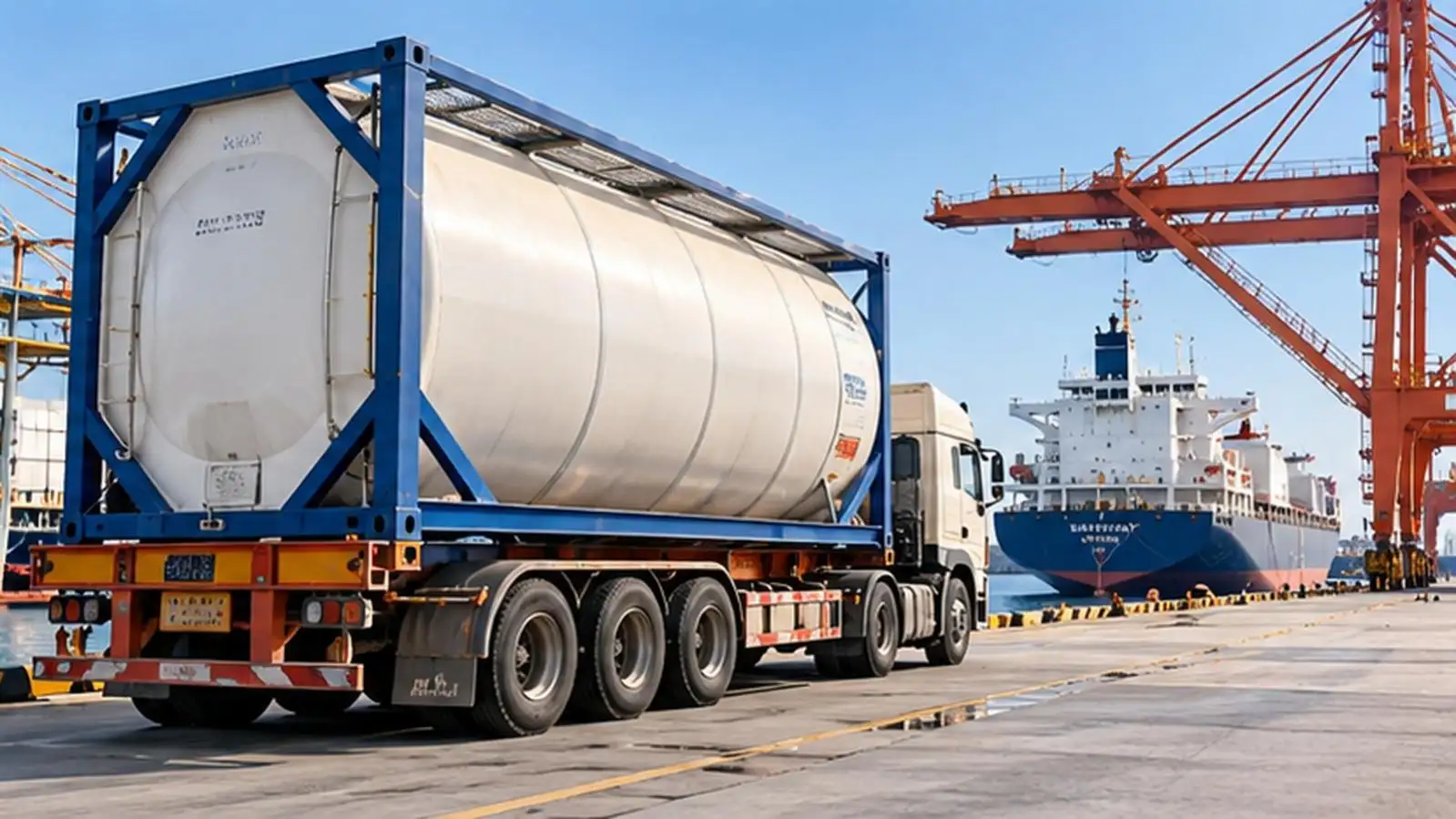
How to Choose a Reliable 2-Ethylhexanol (2-EH) Supplier in China: Quality, Packaging and Shipping
2026-10-22
Natural vs Synthetic Sodium Sulfate Anhydrous: Which Is Better for Industrial Applications?
2026-10-22
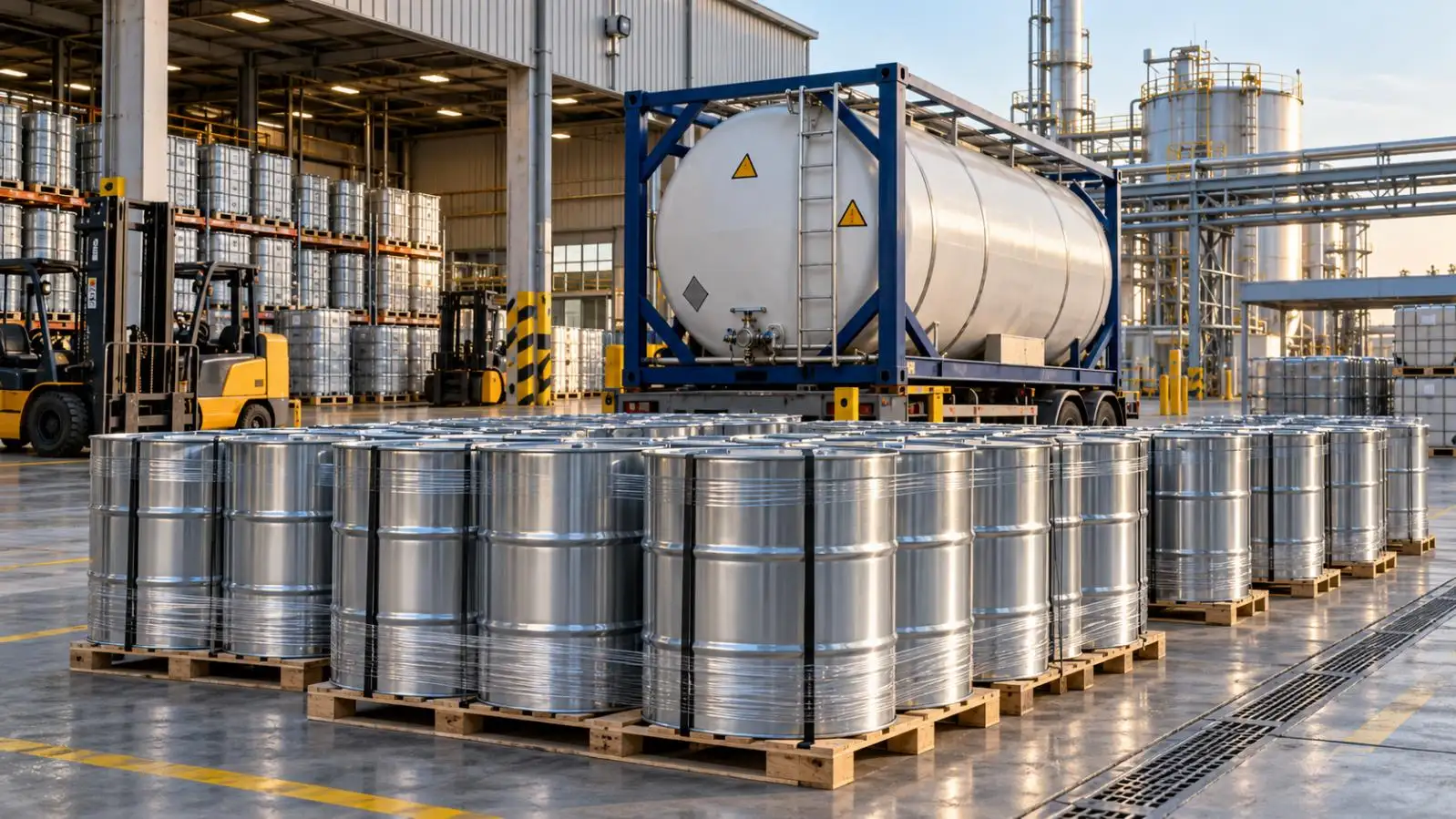
Isobutanol 99.3% Price and Supply in 2026: A Guide for Chemical Importers
2026-10-22
Sodium Sulfate Anhydrous 99% for Detergent Manufacturing: Benefits, Specifications and Bulk Supply
2026-10-22
A DOTP batch that takes longer than expected to reach its target acid value makes operators wonder about catalyst dosage, quality of alcohol, or the effectiveness of their water-removal system. Raising the temperature might help to speed up esterification, but can make the situation worse if there is too much thermal exposure or contaminants in the feedstock.
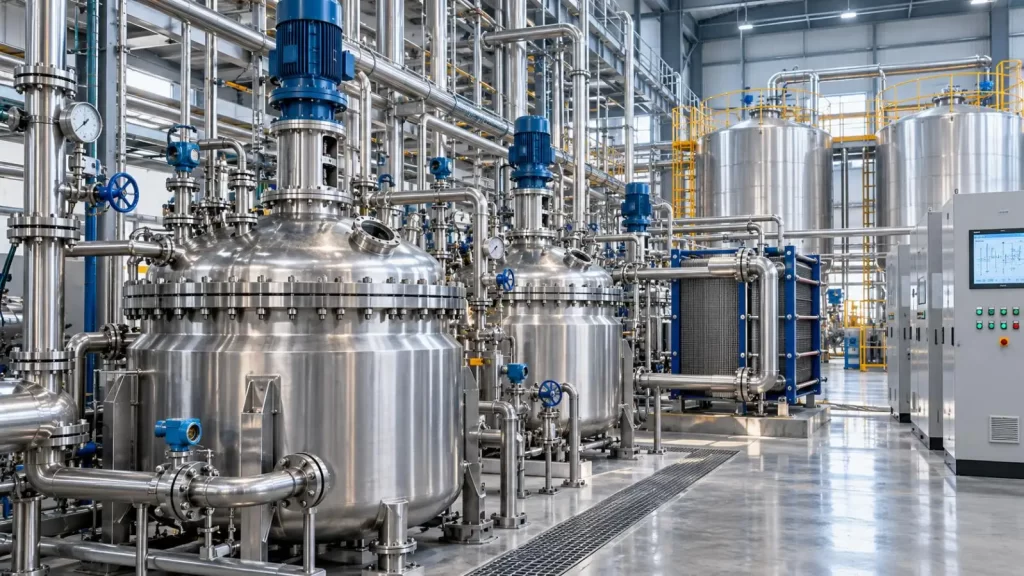
When 2-EH is used in alcohol production, the critical factor in making a purchase decision is not whether the shipment meets its nominal purity. The critical factor is whether the impurity profile of the alcohol is compatible with the esterification process and the plasticizer end-use.
Which Plasticizers use 2-Ethylhexanol?
2-Ethylhexanol (CAS 104-76-7) is a C8 primary alcohol with a tertiary branch. It reacts with carboxylic acids or anhydrides to form ester plasticizers. The nature of the ester structure defines much of the plasticizer's properties including compatibility, volatility, viscosity and migration.
Examples of established applications to illustrate the importance of the acid component are:
•DOTP (DEHT): Obtained from terephthalic acid and 2-EH. It is used in flexible PVC to which a non-ortho-phthalate plasticizer is required.
•DOP (DEHP): Derived from phthalic anhydride and 2-EH. Established performance in PVC plasticization but has restrictive uses in some applications and in some regions.
•DOA (DEHA): From adipic acid. It has good low temperature flexibility due to its aliphatic structure. However, its volatility and migration have to be considered.
•TOTM (TEHTM): Trimellitic acid or anhydride and 3 molecules of 2-EH. Low volatility and permanence. High viscosity and high molecular weight.
How Does 2-EH Affect DOTP Esterification?
There are two esterification stages in the production of DOTP. Terephthalic acid reacts with 2-Ethylhexanol to form monoester intermediates, which are then further converted to diester.
Terephthalic Acid + 2(2-EH) → DOTP + 2H₂O
Approximately 667 kg of pure 2-EH is consumed in theory for the formation of 1 metric ton of pure DOTP, with about 92 kg of water formed. This calculation is from a theoretical point of view and does not include industrial yield or fresh feed requirements.
Excess alcohol is charged in the commercial processes in support of conversion and to control the reaction conditions. The unreacted 2-EH is recovered.
The three process variables control the outcome of this approach:
•Alcohol to acid ratio and mixing determine how quickly the reaction proceeds. Excess alcohol increases the load on downstream distillation. In esterification using PTA, the liquid phase contact affects the reaction rate. Poorer agitation cannot be compensated by larger alcohol excesses.
•Removal of water. Esterification is an exothermic reaction and generates water, which, if not removed, will slow down the reaction. Feedstock may have moisture, which increases the burden on the reactor, and if the water is not fully condensed, it may adversely affect a moisture-sensitive titanium catalyst.
•Catalyst and thermal exposure. Industrial processes use titanium based catalysts. The performance of the catalyst is affected by moisture and other process conditions. Extending the residence time to compensate for slower conversion increases the color formation. Catalyst dosage and the temperature at which the reaction is carried out are determined for a specific process.
Why Is 99.5% Purity Not Enough?
At Vanchor, our industrial-grade 2-Ethylhexanol specification identifies ≥99.5% purity, a molecular weight of 130.23 g/mol, and a colorless, transparent liquid appearance.
ASTM D1969-22 identifies several relevant quality parameters for 2-Ethylhexanol:
| Parameter | Production Concern | Verification |
| Water content | Catalyst hydrolysis and additional dehydration load | Karl Fischer titration |
| Carbonyl content | Potential color formation during high-temperature processing | Carbonyl determination |
| Acidity | Additional acid load and changes in initial titration results | Acidity titration |
| Other alcohol isomers | Formation of unintended ester components | Gas chromatography |
| Pt-Co and sulfuric acid color | Existing color and potential color-forming impurities | Standardized color tests |
Moisture requires particular attention, but the mechanism should not be overstated. DOTP synthesis itself generates substantial quantities of water. A small difference in feedstock moisture may contribute relatively little to the total dehydration load while still affecting a moisture-sensitive catalyst during charging.
Similarly, a low initial Pt-Co color does not guarantee low finished-product color. Carbonyl compounds and other impurities may undergo chemical changes during prolonged heating.
How Can Manufacturers Verify a New 2-EH Source?
A certificate of analysis confirms reported shipment properties. A controlled esterification trial determines whether the feedstock is suitable for the specified process.
As comparable as possible, use the same acid raw material, catalyst system, alcohol-to-acid ratio and operating conditions.
Record the acid-value profile through the reaction and do not solely rely on the end results. A slower acid value decrease may be due to catalyst activity, mixing or water removal. This does not indicate that the alcohol being supplied is bad.
Additional measurements may include:
•Reaction time to reach an acid-value endpoint.
•Alcohol recovery quantity and composition.
•Amount of 2-EH remaining after vacuum stripping.
•Plasticizer color and composition.
Alcohol should be analyzed separately from the feedstock. An alleged supplier quality issue may in fact be an issue with the recovery process.
What Need to Consider When Bulk Purchasing 2-Ethylhexanol?
When making a bulk purchase there are several factors to consider including delivered cost, storage compatibility, and risk of feedstock contamination.
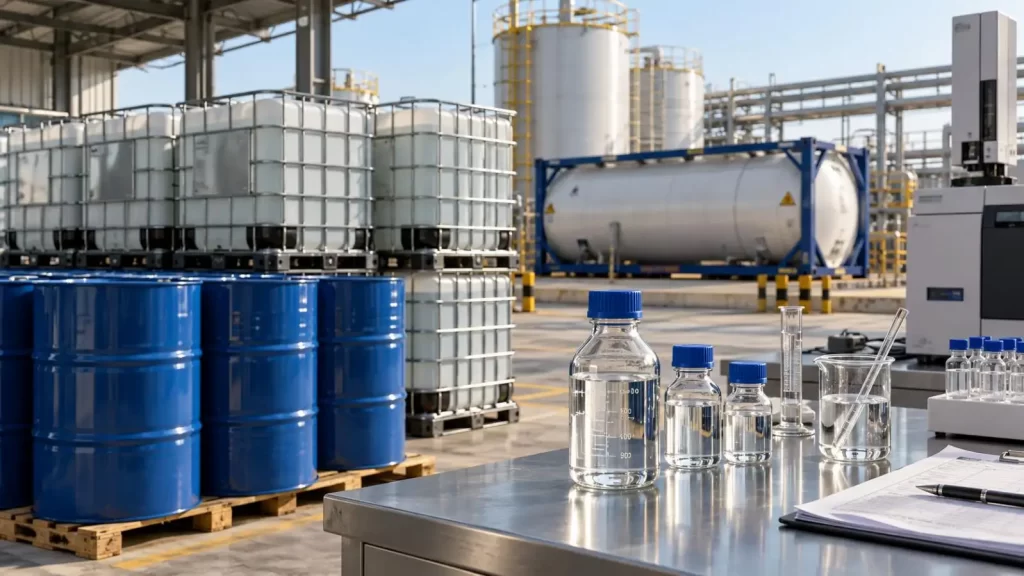
Vanchor offers various packaging options to include 170 kg Iron Drums, 850 kg IBCs, ISO Tanks and bulk liquid shipping. The final packaging arrangement needs to be negotiated with respect to the quantity to be shipped, requirements of the end destination and the unloading facilities.
Tanker deliveries should consider specifying the cleanliness of the tank, the previous cargo, and the protection from moisture. Sampling should be performed prior to unloading. A transfer hose that is contaminated can compromise a perfectly compliant shipment.
Vanchor describes Quality Procedures pertaining to the inspection of goods received, process control, pre-loading sampling, and retention of a sample for a period of not less than three months. Clients should confirm the testing, procedures and documentation applicable to their proposed shipment of 2-EH.
Plasticizer manufacturers considering a new supplier of 2-Ethylhexanol (2-EH) should contact us to ascertain batch-specific quality, and analytical data, and Bulk shipment terms.
FAQs
Q1. What Grade of 2-Ethylhexanol Does Vanchor Supply?
Vanchor supplies industrial-grade 2-Ethylhexanol (CAS 104-76-7) with a minimum purity of 99.5%. Buyers should confirm batch-specific specifications before ordering.
Q2. Can Vanchor's 2-Ethylhexanol Be Used for DOTP Production?
Yes. Vanchor's 2-EH is offered for industrial plasticizer production. DOTP manufacturers should verify moisture, acidity, carbonyl content, and process compatibility before bulk use.
Q3. Which Plasticizers Can Be Produced Using 2-Ethylhexanol?
2-Ethylhexanol is used to manufacture DOTP, DOP, DOA, and TOTM. The required feedstock specifications depend on the esterification process and final plasticizer quality requirements.
Q4. How Much 2-Ethylhexanol Is Required to Produce One Ton of DOTP?
The theoretical requirement is approximately 667 kg of pure 2-EH per metric ton of pure DOTP. Actual fresh-feed consumption depends on alcohol recovery, process losses, and operating conditions.
Q5. What Quality Documents Can Buyers Request From Vanchor?
Vanchor offers TDS and SDS documentation for its 2-EH product. Buyers should also request a batch-specific Certificate of Analysis (COA) showing the agreed quality parameters.


Contact Us
In This Article
Related Posts
How to Choose a Reliable 2-Ethylhexanol (2-EH) Supplier in China: Quality, Packaging and Shipping
2026-10-22
Natural vs Synthetic Sodium Sulfate Anhydrous: Which Is Better for Industrial Applications?
2026-10-22
Isobutanol 99.3% Price and Supply in 2026: A Guide for Chemical Importers
2026-10-22
Sodium Sulfate Anhydrous 99% for Detergent Manufacturing: Benefits, Specifications and Bulk Supply
2026-10-22


