


N-Butanol 99.5% Applications in Paints, Coatings and Solvents: An Industrial Buyer's Guide
By Vanchorsc
2026-10-21Related Posts
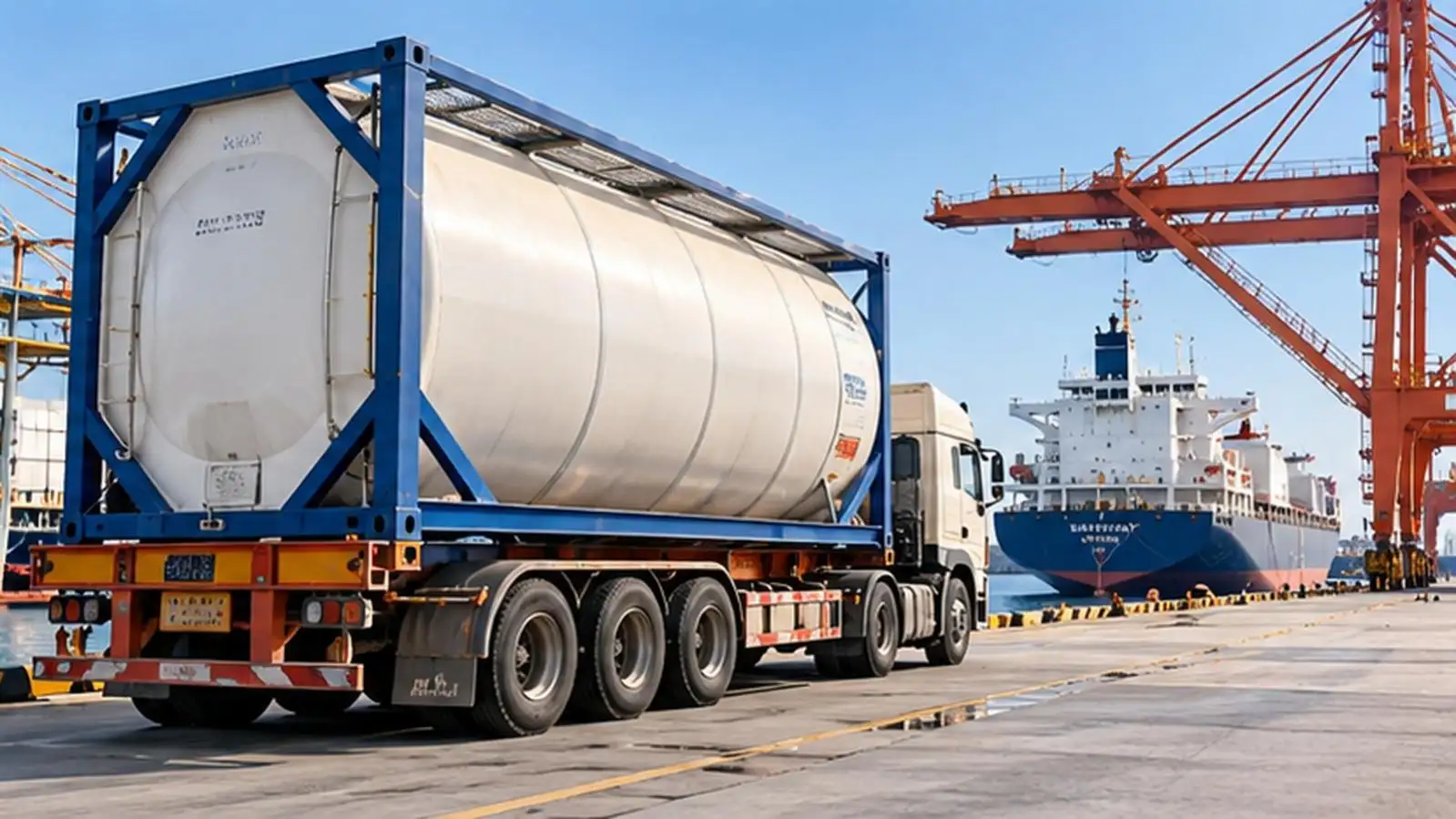
How to Choose a Reliable 2-Ethylhexanol (2-EH) Supplier in China: Quality, Packaging and Shipping
2026-10-22
Natural vs Synthetic Sodium Sulfate Anhydrous: Which Is Better for Industrial Applications?
2026-10-22
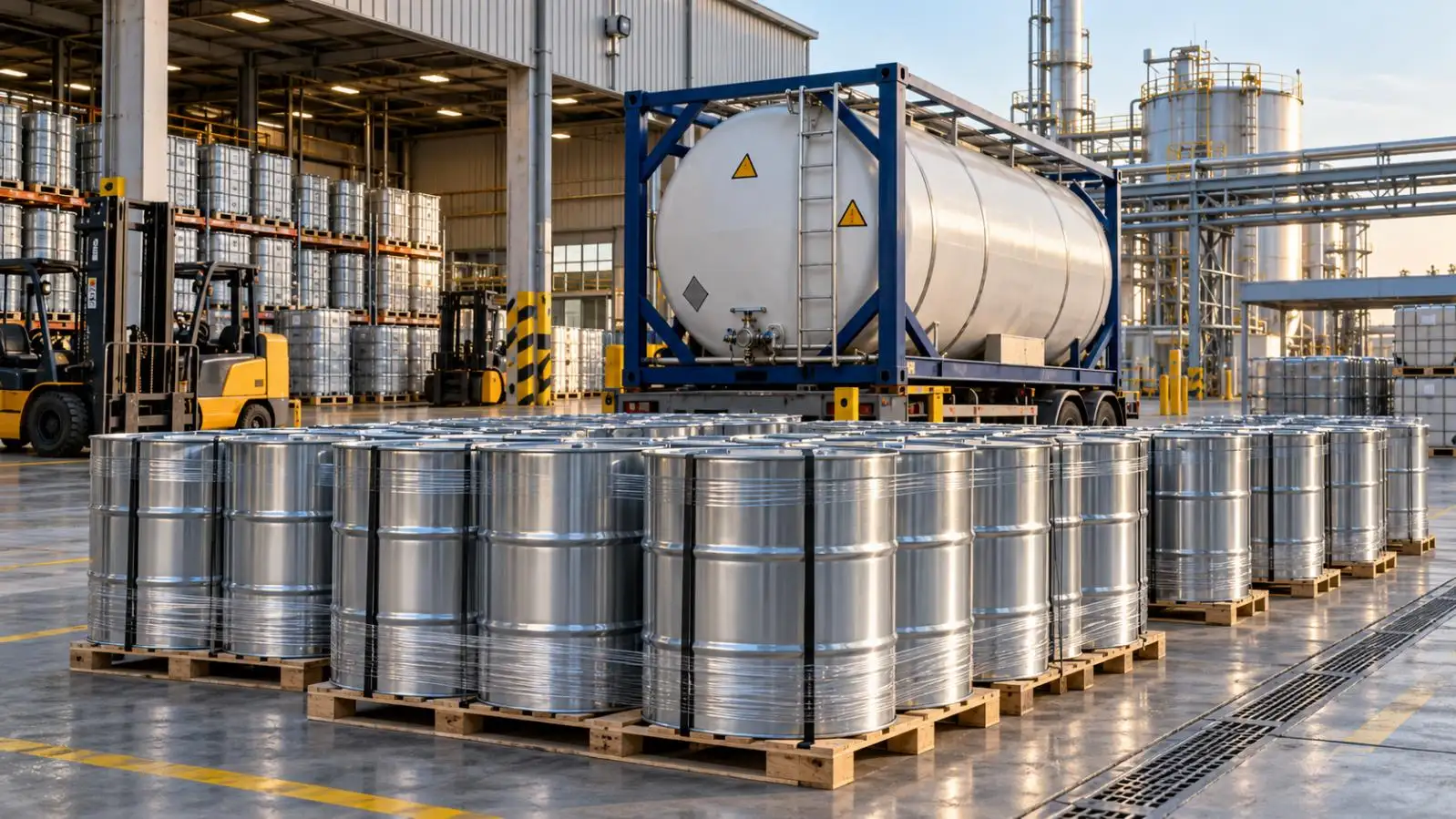
Isobutanol 99.3% Price and Supply in 2026: A Guide for Chemical Importers
2026-10-22
Sodium Sulfate Anhydrous 99% for Detergent Manufacturing: Benefits, Specifications and Bulk Supply
2026-10-22
A solvent substitution can pass incoming purity inspection and still disrupt a coating line. The viscosity remains within specification, but sprayed panels develop orange peel, lacquer turns hazy during drying, or finished parts cannot be stacked on schedule.
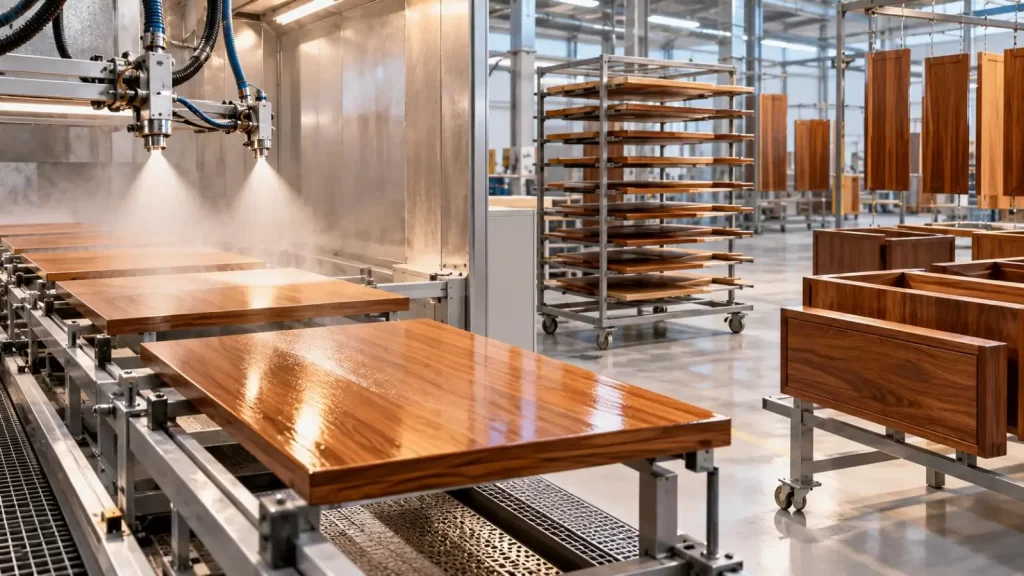
These failures often originate in the evaporation profile and resin compatibility of the solvent blend, not simply its initial viscosity.
For formulators evaluating N-Butanol 99.5% Applications, the relevant questions are how this alcohol behaves as other solvents evaporate, which resin systems benefit from it, and what impurity limits should be specified before purchasing.
At Vanchor, we supply industrial-grade n-butanol (CAS 71-36-3) with a 0minimum purity of 99.5%. That assay establishes a purchasing baseline, but coating performance requires additional verification.
How N-Butanol Controls Solvent Balance and Film Formation
N-Butanol contains a polar hydroxyl group attached to a four-carbon chain. Its hydrogen-bonding capacity and moderate volatility make it useful in mixed solvent systems where evaporation must be balanced against resin solubility.
| Property | Typical Value | Formulation Relevance |
| Boiling point | 116–119°C | Medium-boiling component |
| Relative evaporation rate | 0.5 (n-butyl acetate = 1) | Slower evaporation than butyl acetate |
| Specific gravity | 0.81 at 20°C | Volume-to-mass conversion |
| Water solubility | 7.9 wt% at 20°C | Moisture and phase-stability considerations |
Values represent general technical reference properties, not Vanchor-specific lot test results.
During spray application, fast-evaporating solvents leave the wet film first. The remaining liquid becomes progressively richer in slower components, including n-butanol.
At an appropriate concentration, this can preserve flow long enough for surface irregularities to relax before the coating becomes too viscous.
Excessive retention creates a different problem. A film may appear dry at the surface while solvent remains trapped beneath it, particularly with heavy application or inadequate flash-off.
The useful concentration therefore depends on the complete solvent blend, resin solids, wet-film thickness, air movement, and drying temperature.
Where N-Butanol 99.5% Performs Best
Alkyd Paints and Industrial Enamels
In solventborne alkyd systems, n-butanol can modify solution viscosity and promote leveling. This is dependent on the alkyd oil length, molecular weight, and the compatibility with surrounding hydrocarbon and oxygenated solvents.
Longer wet-film mobility may result in a better leveling of the film, but may result in an increased risk of cosmetic defects and shorter early hardness.
For air-drying alkyd paints evaluate tack-free time differently from through-dry time. Acceptable surface drying does not always ensure complete film formation.
Nitrocellulose Lacquers
In nitrocellulose lacquer formulations n-butanol behaves as a latent solvent. It can promote the activity of other solvents such as esters and ketones.
As the quicker solvents evaporate the mixture must retain sufficient solvency to prevent the early polymerization of the nitrocellulose.
Insufficient solvent balance can lead to blushing, haze and other surface defects. Humidity can complicate the diagnosis because rapid evaporative cooling can lead to moisture condensation.
A practical evaluation combines resin-compatibility testing with controlled spray panels under different humidity conditions. Increasing n-butanol content without checking the final solvent composition may simply exchange one drying defect for another.
Amino Resin and Baking Coatings
N-Butanol is used in the manufacture of certain butylated amino resins and in solvent systems for baking finishes.
In thermally cured coatings, solvent release must be coordinated with the curing schedule. If crosslinking advances before volatile components escape, the film may develop pinholes or blisters.
Faster oven temperatures promote skin formation and solvent entrapment.
For amino baking: determine if staged flash-off, solvent retention, and cure development are within specification with the oven profile being evaluated.
Printing Inks and Industrial Solvent Blends
Some solventborne inks containing n-butanol require specialized solvency and drying characteristics. Excess n-butanol can block the ink and cause set-off during winding and stacking.
For certain industrial cleaners, the solvent must be compatible with the contaminants to be removed. A solvent effective in removing residual resin may damage or affect sensitive plastics and seals.
N-Butanol vs Alternative Solvents: What Changes During Substitution?
Butyl acetate evaporates faster than n-butanol, and even though they may be performing similar functions, they are not the same. Replacing butyl acetate with n-butanol improves resin solvency and extends the open time of the film.
The rate of evaporation of butyl acetate is slower than n-butanol. Replacing butyl acetate with n-butanol improves resin solvency and extends the open time of the film.
Isobutanol may replace n-butanol, and their differences in volatility and resin interaction have to be evaluated.
Ethanol can take the place of n-butanol or butyl acetate. Ethanol has a higher rate of evaporation than butyl acetate or n-butanol, and may lead to incomplete levelling.
A substitution study should keep resin solids, coating temperature, application viscosity and wet-film thickness constant. Comparing drying times without holding these variables constant provides limited information regarding the solvent.
What Should Buyers Verify Beyond 99.5% Purity?
Vanchor publishes a minimum n-butanol purity of ≥99.5%. This establishes the product grade, but does not independently define individual impurity limits.
For coating manufacturers, the remaining fraction deserves attention.
| Parameter | Verification Method | Potential Production Impact |
| Assay and organic impurities | Validated GC method | Solvency and odor variation |
| Water content | Karl Fischer titration | Haze or resin incompatibility |
| Acidity | Suitable titration method | Sensitivity in certain resin and catalyst systems |
| Color | Pt-Co measurement | Clear-coat appearance |
| Batch identity | COA and lot traceability | Investigation of formulation deviations |
Acceptance limits should be agreed according to the receiving formulation. The analytical basis of the 99.5% assay—such as weight percentage or chromatographic area normalization—also needs confirmation.
A Certificate of Analysis shall contain batch identification, test methods, measured results and applicable acceptance criteria. Lot-specific data is no substitute for a general product specification.
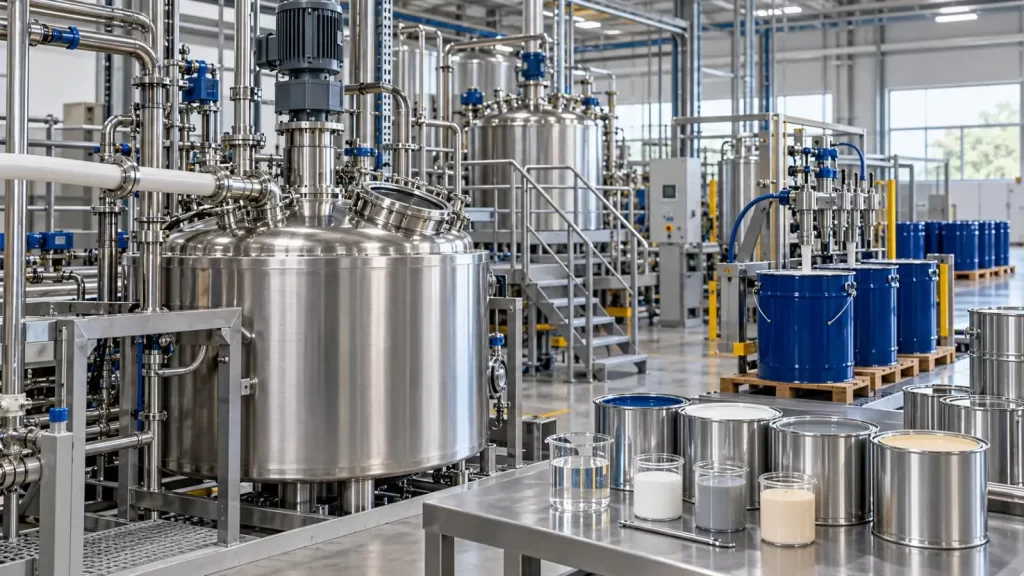
Vanchor Manufacturing Controls and Industrial Supply
Vanchor's published manufacturing information describes a 50,000 m² production facility established at its expanded site in 2016, supported by more than 30 years of chemical manufacturing experience.
We perform incoming material inspection, monitor processes, test finished product, and retain shipment samples for a period of at least 3 months as part of our company-wide quality control procedures.
These figures concern our manufacturing and quality management operations in general and do not describe specifications for the distillation of n-butanol, its production and analytical repeatability capacities. We will require separate communication for these details.
When considering the purchase of n-butanol, we allow our customers to use 170 kg iron drums, ISO tanks, or bulk liquid transports. Packaging will be determined based on our customers' unloading equipment and contamination risk, as well as the volume of the shipment.
N-Butanol is a flammable liquid with a closed-cup flash point at around 36°C. When transporting n-butanol, equipment used for transfer and storage must comply with requirements of the SDS, and ventilation must be provided as required by local regulations.
Prior to approving a new supply source, the buyers compare representative samples against the existing material under the same formulation and drying conditions.
For inquiries concerning other product specifications, batch documentation and/or packaging, please contact Vanchor for our NBA 99.5% Min supply.
FAQs
Q1. What grade of n-butanol does Vanchor supply?
Vanchor supplies industrial-grade n-butanol (CAS 71-36-3) with a minimum published purity of 99.5%.
Q2. What are the main applications of Vanchor N-Butanol 99.5%?
It is used in paints, industrial coatings, printing inks, adhesives, resin formulations, and chemical intermediate production.
Q3. Can Vanchor N-Butanol 99.5% improve alkyd coating leveling?
N-Butanol can extend wet-film flow time and support leveling in compatible alkyd formulations. The actual effect depends on the solvent blend and application conditions.
Q4. Is N-Butanol 99.5% suitable for nitrocellulose lacquers?
Yes. It functions mainly as a latent solvent alongside suitable active solvents. Resin compatibility and drying behavior require formulation testing.
Q5. Can n-butanol be used in baking coatings?
Yes. It is used in selected amino-resin and baking-coating systems. Flash-off conditions must allow solvent release before extensive crosslinking.


Contact Us
In This Article
Related Posts
How to Choose a Reliable 2-Ethylhexanol (2-EH) Supplier in China: Quality, Packaging and Shipping
2026-10-22
Natural vs Synthetic Sodium Sulfate Anhydrous: Which Is Better for Industrial Applications?
2026-10-22
Isobutanol 99.3% Price and Supply in 2026: A Guide for Chemical Importers
2026-10-22
Sodium Sulfate Anhydrous 99% for Detergent Manufacturing: Benefits, Specifications and Bulk Supply
2026-10-22


