



Mining Chemical Supplier: Products, Applications, Quality Control, and Purchasing Guide
By vanchor
2026-07-20Related Posts
How to Choose a Reliable 2-Ethylhexanol (2-EH) Supplier in China: Quality, Packaging and Shipping
2026-10-22
Natural vs Synthetic Sodium Sulfate Anhydrous: Which Is Better for Industrial Applications?
2026-10-22
Isobutanol 99.3% Price and Supply in 2026: A Guide for Chemical Importers
2026-10-22
Sodium Sulfate Anhydrous 99% for Detergent Manufacturing: Benefits, Specifications and Bulk Supply
2026-10-22
The selection of a reliable Mining Chemical Supplier is a crucial choice for mineral-processing plants, mining companies, flotation operations, hydrometallurgical plant, tailings-treatment plants, engineering contractors and international chemical distributors.
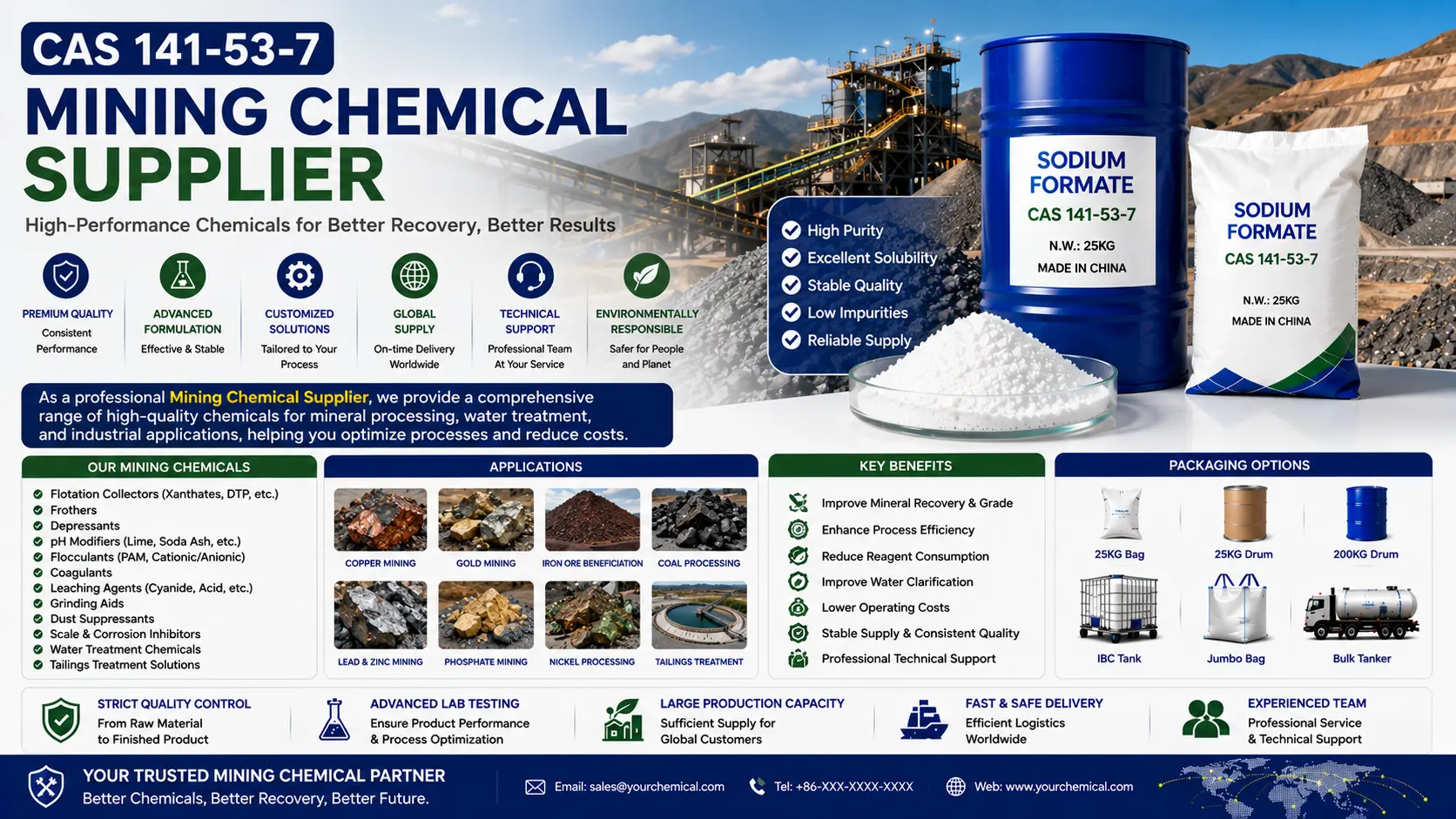
Mining chemicals are utilized in the mining, crushing, grinding, flotation, leaching, solid/liquid separation, dewatering, dust control, water treatment, tailings management and metal recovery processes. Their performance can directly impact mineral recovery, concentrate grade, process stability, water usage, equipment reliability, environmental management, and overall operating cost.
The reliable supplier ought to give more than just a vague listing or cheap price. Consistent product specifications, appropriate chemical grades, batch stability, laboratory support, secure product packaging, complete documentation, product technical service and delivery reliability are also required.
Selection of mining chemicals should be based on the ore mineralogy, particle size, pulp density, water chemistry, pH, temperature, flotation residence time, desired recovery, concentrate requirements, and downstream mineral processing conditions, due to the differences in ore bodies and mineral processing circuits.
It provides an introduction to the principal categories of chemicals used in mining, common uses, technical properties, laboratory testing, quality control, packaging, supplier evaluation, purchasing risks and costs.
What Does a Mining Chemical Supplier Provide?
A mining chemical supplier provides functional products used to improve mineral separation, metal recovery, slurry handling, water clarification, equipment protection, and waste management.
These products may be used in:
- Coal processing
- Copper mining
- Gold mining
- Silver mining
- Lead and zinc processing
- Iron-ore beneficiation
- Phosphate processing
- Potash production
- Nickel and cobalt recovery
- Lithium processing
- Rare-earth separation
- Bauxite and alumina production
- Industrial-mineral processing
- Tailings treatment
A professional supplier may provide standard products, customized formulations, representative samples, technical data sheets, safety documents, batch-specific certificates, dosage recommendations, and export packaging.
Main Mining Chemical Categories
Flotation Collectors
Collectors selectively adsorb onto mineral surfaces and make target particles hydrophobic.
Hydrophobic particles attach to air bubbles and rise into the flotation froth.
Common collector types include:
- Xanthates
- Dithiophosphates
- Thiocarbamates
- Dithiocarbamates
- Fatty acids
- Amines
- Petroleum sulfonates
- Hydroxamates
- Specialty blended collectors
Collector selection depends on the target mineral, gangue composition, oxidation state, pH, water chemistry, and flotation circuit.
Xanthate Collectors
Xanthates are widely used for sulfide-mineral flotation.
Common products include:
- Sodium ethyl xanthate
- Sodium isopropyl xanthate
- Sodium isobutyl xanthate
- Potassium amyl xanthate
- Potassium ethyl xanthate
Potential applications include flotation of:
- Copper sulfides
- Lead minerals
- Zinc minerals
- Nickel sulfides
- Precious-metal-bearing sulfides
Important purchasing specifications include:
- Active content
- Free alkali
- Moisture
- Appearance
- Dissolution rate
- Decomposition behavior
- Packaging
- Shelf life
Xanthates should be stored carefully because moisture, heat, and prolonged storage can reduce product quality.
Dithiophosphate Collectors
Dithiophosphates are used in selected sulfide and precious-metal flotation circuits.
Potential benefits include:
- Strong collection of certain sulfide minerals
- Improved selectivity in suitable circuits
- Compatibility with combined collector systems
- Performance in complex ores
- Support for gold and silver recovery
They may be used alone or blended with xanthates.
Fatty-Acid Collectors
Fatty-acid collectors are widely used in the flotation of oxide and non-sulfide minerals.
Applications may include:
- Phosphate
- Fluorite
- Barite
- Iron minerals
- Rare-earth minerals
- Calcite
- Scheelite
Their performance depends strongly on pH, water hardness, temperature, and mineral surface chemistry.
Amine Collectors
Amine collectors are commonly used for reverse flotation and silicate-mineral separation.
Applications may include:
- Iron-ore reverse flotation
- Potash flotation
- Silica removal
- Feldspar separation
- Phosphate processing
Important characteristics include:
- Amine type
- Neutralization degree
- Solubility
- Foam behavior
- Temperature sensitivity
- Selectivity
Frothers
Frothers control bubble formation and froth stability during flotation.
A suitable frother should generate bubbles that are small and stable enough to transport mineral particles without creating excessively persistent froth.
Common frothers include:
- Methyl isobutyl carbinol
- Pine oil
- Polypropylene glycol products
- Glycol ethers
- Alcohol-based formulations
- Specialty blended frothers
Potential benefits include:
- Improved bubble-size control
- Stable mineral transport
- Better froth drainage
- Improved concentrate recovery
- More consistent flotation performance
Excessive frother dosage may cause:
- Overly stable froth
- Increased water recovery
- Higher gangue entrainment
- Difficult concentrate handling
- Poor thickener performance
Flotation Depressants
Depressants prevent selected minerals from floating.
They improve selectivity by modifying mineral surfaces or interfering with collector adsorption.
Common depressants include:
- Sodium metabisulfite
- Sodium sulfite
- Zinc sulfate
- Sodium cyanide where permitted
- Lime
- Starch
- Dextrin
- Carboxymethyl cellulose
- Guar gum
- Sodium silicate
- Specialty polymers
Applications may include:
- Pyrite depression
- Zinc-mineral depression
- Talc depression
- Silica depression
- Carbonaceous-gangue control
- Clay management
The correct depressant depends on ore mineralogy and circuit chemistry.
Activators
Activators modify mineral surfaces and improve collector adsorption.
Common activators include:
- Copper sulfate
- Lead nitrate
- Sodium sulfide
- Sulfuric acid
- Specialty metal salts
Copper sulfate is widely used to activate sphalerite before zinc flotation.
Activator dosage should be controlled because excessive addition may reduce selectivity and increase chemical cost.
pH Modifiers
Pulp pH affects mineral surface charge, collector performance, reagent stability, metal-ion chemistry, and flotation selectivity.
Common pH modifiers include:
- Lime
- Sodium hydroxide
- Soda ash
- Sulfuric acid
- Hydrochloric acid
- Magnesium oxide
- Organic buffers
Lime is widely used in mining because it can:
- Increase pulp pH
- Depress pyrite
- Support cyanide leaching
- Control acidity
- Improve wastewater treatment
The selected pH range should be based on metallurgical testing.
Dispersants
Dispersants prevent fine particles from agglomerating and coating valuable mineral surfaces.
Common products include:
- Sodium silicate
- Sodium hexametaphosphate
- Polyacrylates
- Polycarboxylates
- Lignosulfonates
- Specialty polymer dispersants
Potential benefits include:
- Reduced slime coating
- Improved mineral liberation
- Better flotation selectivity
- More stable slurry rheology
- Lower viscosity
- Improved filtration
Dispersant dosage should be optimized because excessive dispersion may increase unwanted mineral recovery.
Flocculants
Flocculants aggregate fine particles into larger flocs, improving sedimentation and dewatering.
Polyacrylamide is one of the most widely used mining flocculants.
Its CAS number is 9003-05-8.
Common grades include:
- Anionic polyacrylamide
- Cationic polyacrylamide
- Nonionic polyacrylamide
- Low-charge anionic PAM
- Medium-charge anionic PAM
- High-molecular-weight PAM
- Emulsion flocculants
- Powder flocculants
Applications include:
- Tailings thickening
- Concentrate thickening
- Process-water clarification
- Sludge dewatering
- Coal-washing water treatment
- Mineral-slurry separation
- Filter-feed conditioning
Important product parameters include:
- Molecular weight
- Charge density
- Hydrolysis degree
- Active content
- Dissolution time
- Insoluble matter
- Residual monomer
- Shear stability
- Salinity tolerance
The correct grade should be selected through laboratory sedimentation and filtration tests.
Coagulants
Coagulants destabilize fine suspended particles and help initiate aggregation.
Common coagulants include:
- Polyaluminum chloride
- Aluminum sulfate
- Ferric chloride
- Ferric sulfate
- Polyferric sulfate
- Inorganic-organic blends
- Cationic polymers
Coagulants may be used before flocculants in difficult water-treatment applications.
A complete treatment program may improve:
- Water clarity
- Settling rate
- Sludge density
- Filterability
- Water reuse
- Discharge quality
Leaching Chemicals
Leaching chemicals dissolve valuable metals from ores or concentrates.
Common leaching systems include:
- Cyanide leaching
- Sulfuric-acid leaching
- Hydrochloric-acid leaching
- Ammoniacal leaching
- Chloride leaching
- Thiosulfate leaching
- Thiourea leaching
- Alkaline leaching
The selected reagent depends on metal type, ore mineralogy, recovery target, environmental requirements, and downstream recovery method.
Sodium Cyanide
Sodium cyanide is widely used in gold and silver extraction.
It forms soluble complexes with precious metals.
Important operating factors include:
- Cyanide concentration
- pH
- Dissolved oxygen
- Particle size
- Residence time
- Carbonaceous matter
- Copper content
- Sulfide minerals
- Temperature
Cyanide handling requires strict safety, transport, storage, monitoring, and environmental controls.
Activated Carbon
Activated carbon is used in carbon-in-pulp, carbon-in-leach, and carbon-in-column systems to recover dissolved gold complexes.
Important characteristics include:
- Adsorption capacity
- Particle size
- Hardness
- Abrasion resistance
- Activity
- Ash content
- Moisture
- Regeneration performance
Poor-quality carbon may create excessive fines, gold losses, and screening problems.
Sulfuric Acid
Sulfuric acid is used in the leaching of copper, nickel, cobalt, uranium, and selected battery minerals.
Potential applications include:
- Heap leaching
- Tank leaching
- Pressure leaching
- pH adjustment
- Neutralization
- Equipment cleaning
The complete process should consider acid consumption, gangue reactivity, heat generation, corrosion, and impurity dissolution.
Solvent Extraction Reagents
Solvent extraction separates and purifies dissolved metals from leach solutions.
Common reagent components include:
- Extractants
- Diluents
- Modifiers
- Phase-separation aids
- Crud-control agents
Applications include recovery of:
- Copper
- Nickel
- Cobalt
- Uranium
- Rare earths
- Zinc
- Lithium-related intermediates
Important performance factors include:
- Metal selectivity
- Loading capacity
- Stripping efficiency
- Phase disengagement
- Chemical stability
- Crud formation
- Solvent losses
Dust-Control Chemicals
Mining operations can generate dust during:
- Crushing
- Screening
- Conveying
- Stockpiling
- Haul-road transport
- Loading
- Unloading
- Tailings handling
Dust-control products may include:
- Water-based suppressants
- Surfactants
- Hygroscopic salts
- Polymer binders
- Lignosulfonates
- Foam systems
- Crusting agents
Potential benefits include:
- Reduced airborne dust
- Improved visibility
- Lower water consumption
- Reduced material loss
- Improved worker conditions
- Better community relations
The product should be selected according to road type, climate, traffic, mineral composition, and environmental requirements.
Grinding Aids
Grinding aids improve ore-grinding efficiency and slurry handling.
Potential benefits include:
- Reduced particle agglomeration
- Lower energy consumption
- Improved mill throughput
- Better mineral liberation
- Controlled slurry viscosity
- Reduced coating of grinding media
Products may include:
- Glycols
- Amines
- Dispersing polymers
- Specialty surfactants
- Process-specific blends
Grinding aids should be evaluated through plant trials because laboratory results may not fully reproduce mill conditions.
Antiscalants
Mining water and process streams may contain calcium, magnesium, sulfate, carbonate, silica, and metal ions.
Scale can form in:
- Pipelines
- Pumps
- Heat exchangers
- Leach circuits
- Reverse-osmosis systems
- Water-recovery plants
- Evaporators
Common antiscalant chemistries include:
- Phosphonates
- Polyacrylates
- Copolymers
- Phosphate esters
- Phosphorus-free formulations
Scale-inhibitor selection should be based on water analysis, temperature, pH, concentration factor, and equipment conditions.
Corrosion Inhibitors
Mining equipment may be exposed to acids, salts, oxygen, abrasive slurries, and aggressive process water.
Corrosion inhibitors can help protect:
- Pipelines
- Tanks
- Pumps
- Leaching equipment
- Water circuits
- Heat exchangers
- Metal structures
Common chemistries may include:
- Amines
- Imidazolines
- Phosphates
- Molybdates
- Film-forming inhibitors
- Acid-inhibitor blends
The selected inhibitor should be compatible with the complete process and should not interfere with metal recovery.
Antifoaming Agents
Foam may form during:
- Flotation
- Leaching
- Solvent extraction
- Washing
- Slurry transfer
- Water treatment
- Filtration
Antifoams and defoamers may be based on:
- Silicone
- Polyether
- Mineral oil
- Fatty alcohol
- Specialty blends
The product should reduce unwanted foam without interfering with flotation or extraction performance.
Sodium Formate in Mining and Industrial Processing
Sodium formate has the CAS number 141-53-7.
It may be used in selected mining, metallurgical, water-treatment, and industrial chemical formulations.
Potential roles may include:
- Buffering
- pH control
- Reducing-agent formulations
- Industrial brine preparation
- Process-water treatment
- Chemical synthesis
- Specialty flotation or leaching formulations
Important purchasing specifications may include:
- Purity
- Moisture
- Insoluble matter
- Chloride
- Iron
- pH
- Appearance
- Packaging
- Shelf life
The suitability of sodium formate should be confirmed through application-specific testing.
Chemicals for Gold Mining
Gold-processing operations may use:
- Sodium cyanide
- Activated carbon
- Lime
- Lead nitrate
- Flocculants
- Coagulants
- Antiscalants
- Oxygen-control chemicals
- Detoxification reagents
- Filter aids
Gold recovery depends on ore mineralogy, particle size, cyanide consumption, oxygen transfer, carbon activity, and competing metals.
Refractory ores may require oxidation, roasting, pressure treatment, or biological pretreatment before leaching.
Chemicals for Copper Mining
Copper operations may use:
- Xanthate collectors
- Dithiophosphate collectors
- Frothers
- Lime
- Sulfuric acid
- Flocculants
- Solvent-extraction reagents
- Corrosion inhibitors
- Antiscalants
Sulfide copper ores are commonly processed through flotation, while oxide ores may be processed through acid leaching and solvent extraction.
Chemicals for Lead and Zinc Processing
Lead-zinc flotation may require:
- Xanthates
- Dithiophosphates
- Copper sulfate
- Zinc sulfate
- Sodium metabisulfite
- Lime
- Frothers
- Depressants
- Flocculants
Sequential flotation requires careful control of activation, depression, and pH.
Chemicals for Iron-Ore Beneficiation
Iron-ore processing may use:
- Amine collectors
- Starch depressants
- Flocculants
- Dispersants
- Defoamers
- Filter aids
- pH modifiers
Reverse flotation is often used to remove silica from iron concentrates.
Water chemistry, starch quality, amine structure, and particle size can strongly affect results.
Chemicals for Coal Processing
Coal-preparation plants may use:
- Frothers
- Collectors
- Flocculants
- Coagulants
- Dispersants
- Dust suppressants
- Defoamers
- Sludge conditioners
The chemical program should improve coal recovery while supporting clean water recycling and tailings management.
Chemicals for Phosphate and Potash Mining
Phosphate and potash circuits may use:
- Fatty-acid collectors
- Amine collectors
- Depressants
- Frothers
- Flocculants
- Anticaking agents
- Dust-control chemicals
High-salinity process water can affect reagent solubility and performance, so representative testing is essential.
Chemicals for Lithium and Battery Minerals
Lithium and battery-mineral processing may involve:
- Flotation reagents
- Sulfuric acid
- Lime
- Soda ash
- Solvent-extraction reagents
- Precipitation chemicals
- Flocculants
- Filter aids
- Purification chemicals
Applications may include spodumene, lepidolite, brines, nickel, cobalt, manganese, and graphite.
High-purity product specifications are often required for battery-material production.
Tailings Treatment
Tailings contain fine mineral particles, process water, residual reagents, and dissolved salts.
Treatment goals may include:
- Faster settling
- Higher underflow density
- Improved water recovery
- Reduced tailings volume
- Better filterability
- Stronger dry-stack material
- Lower environmental risk
Common tailings chemicals include:
- Polyacrylamide flocculants
- Coagulants
- Lime
- pH adjusters
- Dewatering aids
- Dust-control agents
- Heavy-metal precipitants
The correct flocculant grade should be selected according to mineralogy, particle-size distribution, pulp density, water chemistry, and thickener design.
Thickening and Clarification
Thickeners separate solids from process water.
Chemical treatment can improve:
- Settling rate
- Overflow clarity
- Underflow density
- Thickener capacity
- Water recycling
- Process stability
Laboratory tests may include:
- Cylinder settling
- Dynamic settling
- Floc strength
- Bed compaction
- Overflow turbidity
- Underflow rheology
A high settling rate alone is not enough if the flocs are weak or the underflow is difficult to pump.
Filtration and Dewatering
Mining concentrates and tailings may be dewatered using:
- Filter presses
- Vacuum filters
- Belt filters
- Centrifuges
- Ceramic filters
- Screw presses
Chemical conditioners may improve:
- Filtration rate
- Cake moisture
- Cake release
- Filtrate clarity
- Equipment capacity
- Energy efficiency
Product selection should reflect the specific dewatering equipment and solids characteristics.
Mine-Water Treatment
Mine water may contain:
- Suspended solids
- Acidity
- Dissolved metals
- Sulfate
- Salts
- Oil
- Reagent residues
- High hardness
- Fine clay
Treatment chemicals may include:
- Lime
- Caustic soda
- Polyaluminum chloride
- Ferric salts
- Polyacrylamide
- Heavy-metal precipitants
- Oxidants
- Reducing agents
- Antiscalants
- Defoamers
Treatment objectives may include discharge, process reuse, dust suppression, or reinjection.
Important Product Specifications
A professional Mining Chemical Supplier should provide measurable technical data.
Depending on the product, important parameters may include:
- Active content
- Purity
- Moisture
- Density
- pH
- Viscosity
- Molecular weight
- Charge density
- Solubility
- Particle size
- Flash point
- Pour point
- Ash
- Free alkali
- Metal content
- Insoluble matter
- Decomposition temperature
- Shelf life
General claims such as “mining grade” or “high recovery” are not sufficient for technical procurement.
Laboratory Testing
Mining chemicals should be evaluated under representative process conditions.
Common tests may include:
- Bench flotation
- Locked-cycle flotation
- Collector screening
- Frother testing
- Settling tests
- Thickener simulations
- Filtration tests
- Slurry-rheology tests
- Leaching tests
- Metal-recovery tests
- Solvent-extraction tests
- Water-treatment tests
- Scale-inhibition tests
- Corrosion tests
- Foam-control tests
Testing should use actual ore, process water, target grind size, temperature, pH, and reagent sequence whenever possible.
Plant Trials
After laboratory screening, a controlled plant trial should evaluate:
- Reagent dosage
- Addition point
- Mixing
- Recovery
- Concentrate grade
- Tailings loss
- Froth behavior
- Settling rate
- Water clarity
- Filter performance
- Equipment compatibility
- Total chemical cost
Commercial selection should be based on plant performance, not only laboratory results.
Chemical Compatibility
Mining chemicals may interact with each other and with dissolved ions.
Important combinations include:
- Collectors and depressants
- Frothers and antifoams
- Coagulants and flocculants
- Flocculants and dispersants
- Leaching agents and scale inhibitors
- Solvent-extraction chemicals and crud-control agents
- Corrosion inhibitors and metal-recovery reagents
Incompatibility may cause:
- Precipitation
- Poor flotation
- Excessive foam
- Reduced settling
- Filter blockage
- Emulsion problems
- Lower metal recovery
- Increased chemical consumption
The complete chemical program should be tested as a system.
Quality Control
A dependable supplier or manufacturer should maintain quality control throughout production.
Typical procedures include:
- Raw-material qualification
- Incoming-material inspection
- Formula verification
- Controlled dosing
- Reaction monitoring
- In-process sampling
- Active-content testing
- Moisture testing
- Density and pH testing
- Dissolution testing
- Performance evaluation
- Packaging inspection
- Batch release
- Retained-sample storage
Stable batch quality helps mining operations maintain consistent metallurgical performance.
Batch Traceability
Each shipment should be traceable through:
- Raw-material batch numbers
- Production date
- Finished-product batch number
- Laboratory results
- Packaging records
- Retained samples
- Warehouse location
- Loading records
- Shipping documents
Traceability supports faster investigation when recovery or process performance changes.
Packaging Options
Mining chemicals may be supplied in:
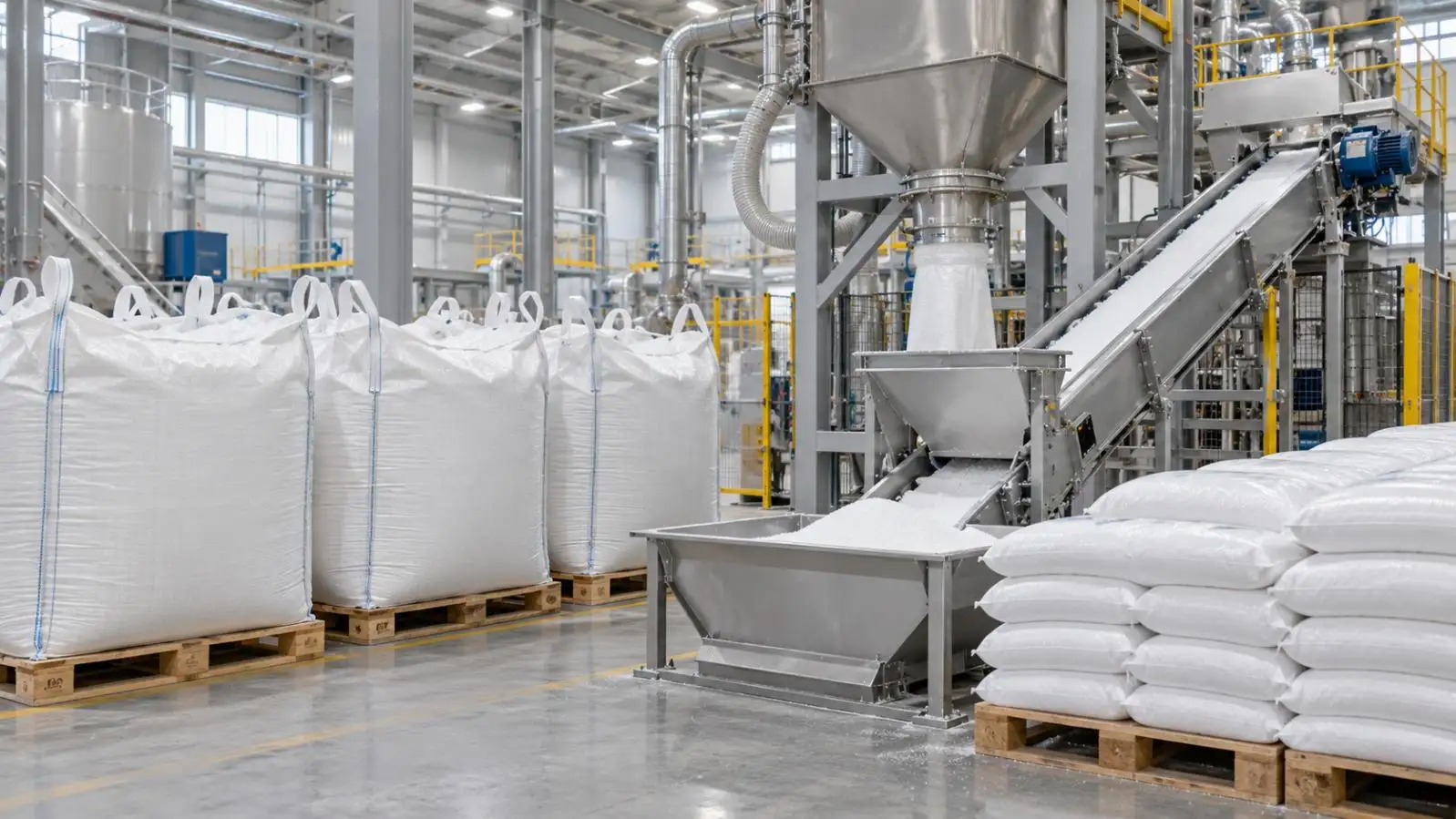
- 20 kg bags
- 25 kg bags
- 50 kg bags
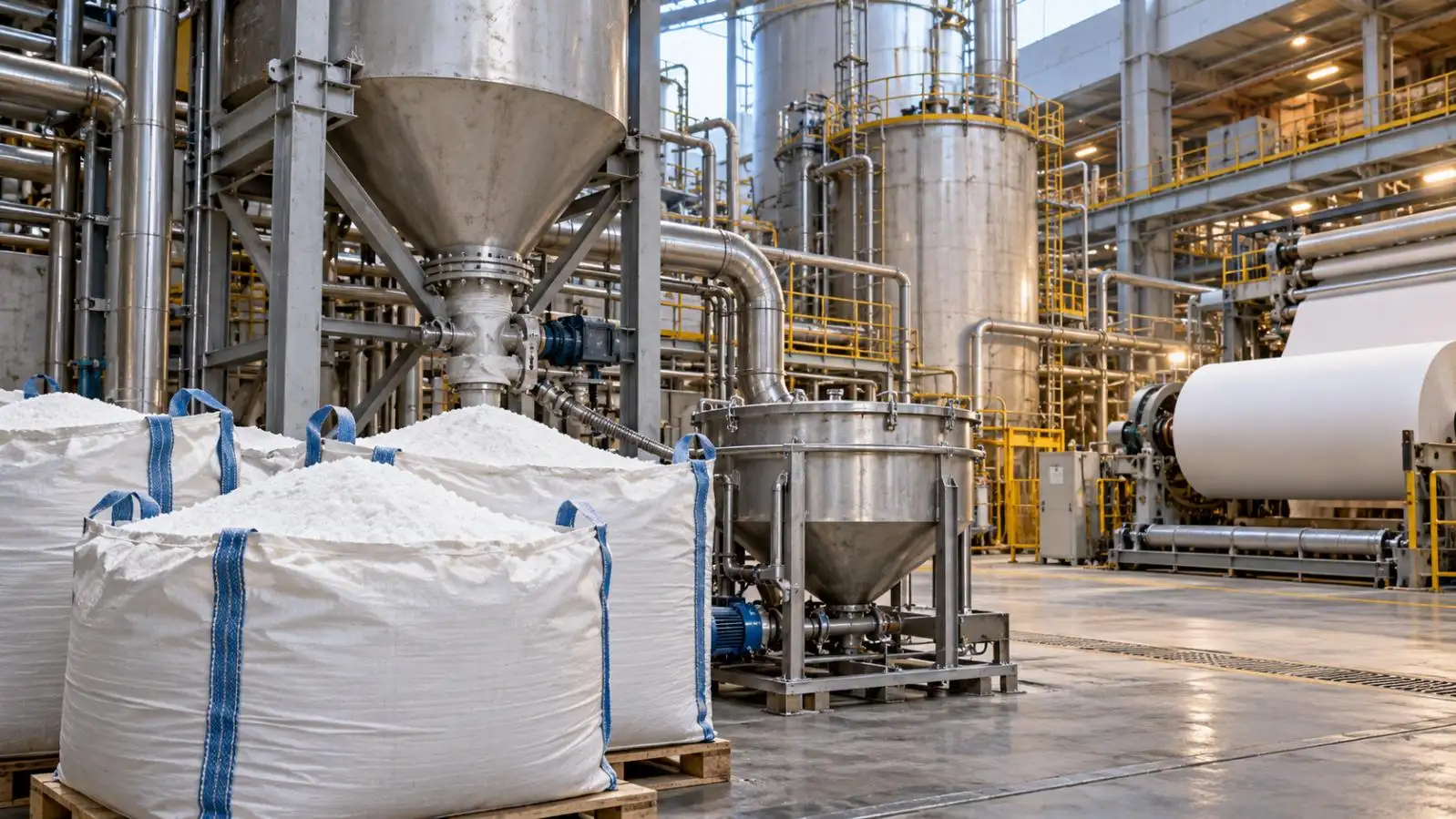
- 500 kg bulk bags
- 1,000 kg jumbo bags
- 20 kg pails
- 25 kg pails
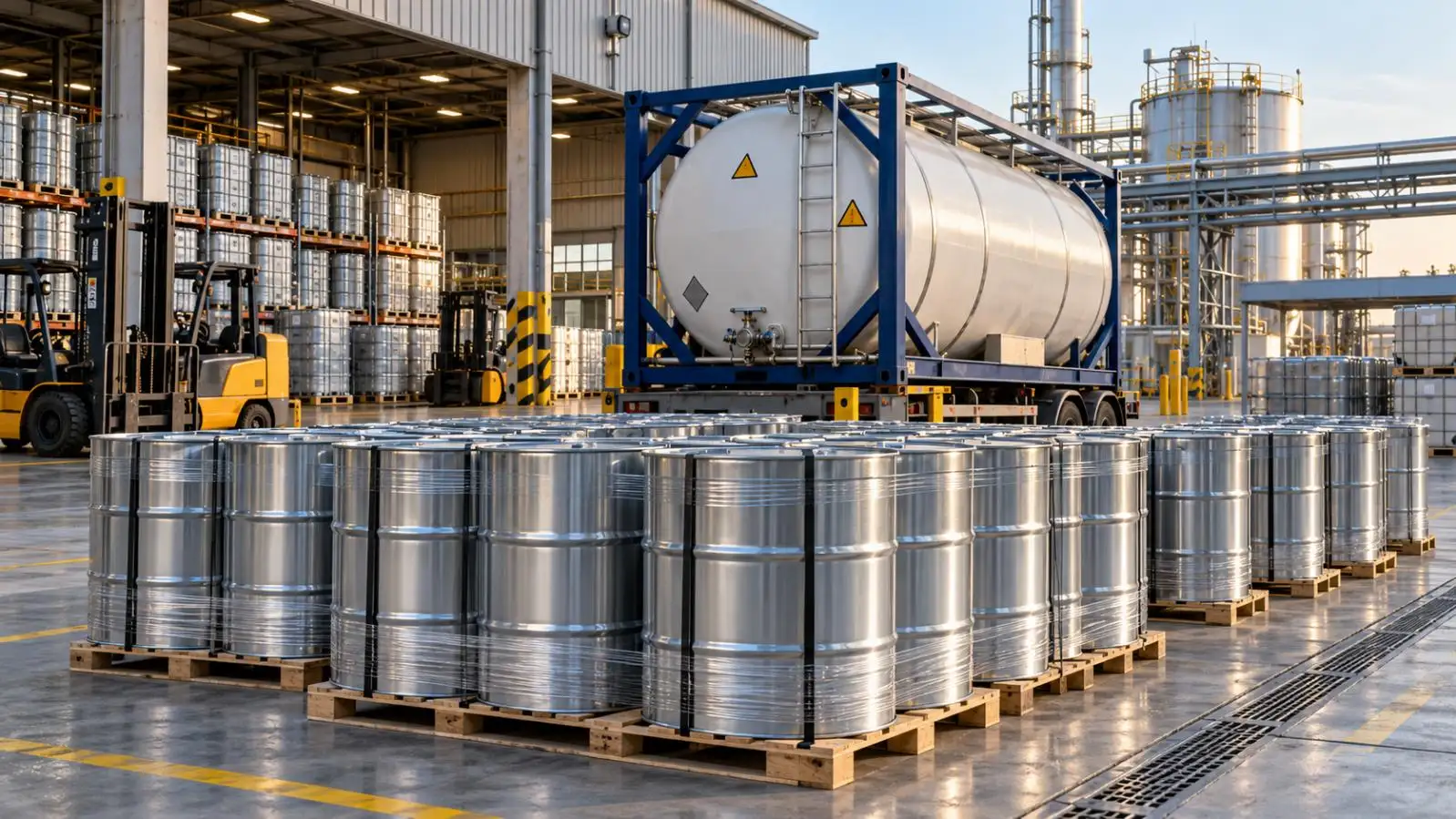
- 200 kg drums
- 250 kg drums
- IBC tanks
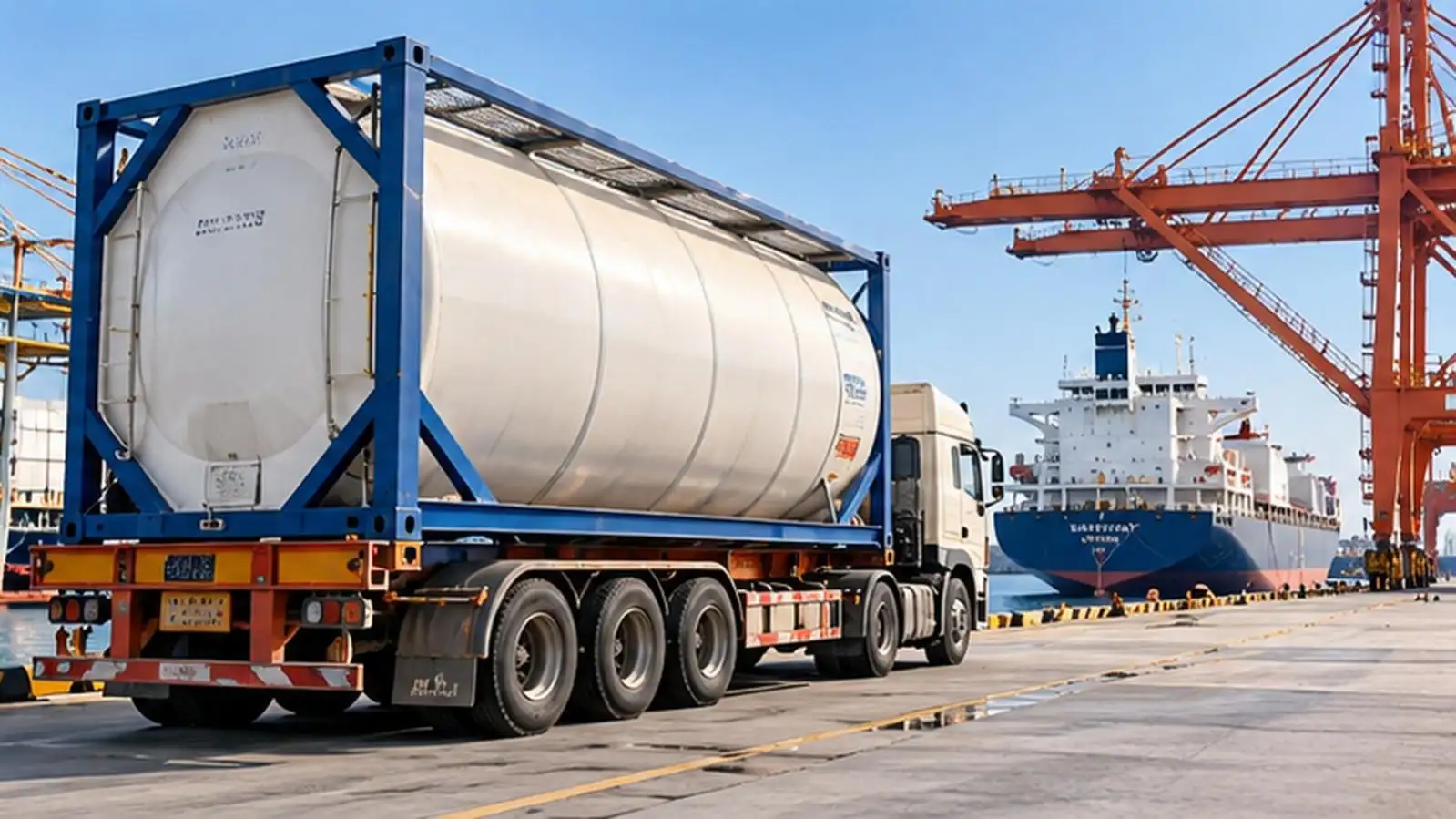
- ISO tanks
- Bulk tankers
- Customized export packaging
Packaging should match product form, hazard classification, consumption rate, storage conditions, unloading equipment, and transport regulations.
Powders should be protected from moisture.
Reactive or hazardous liquids should use compatible containers and proper secondary containment.
Storage and Handling
Storage and handling requirements should follow the current safety data sheet.
General precautions include:
- Store products in a dry and ventilated area.
- Protect chemicals from moisture and excessive heat.
- Keep containers tightly closed.
- Separate incompatible products.
- Control ignition sources where necessary.
- Maintain secondary containment.
- Use suitable personal protective equipment.
- Provide emergency eyewash and shower equipment.
- Train personnel in spill response.
- Use first-in, first-out inventory control.
Mining reagents may be hazardous, so local regulations and site procedures must be followed.
Required Documents
A professional supplier should provide:
- Technical data sheet
- Safety data sheet
- Batch-specific certificate of analysis
- Product specification
- Recommended dosage information
- Application guidance
- Commercial invoice
- Packing list
- Certificate of origin
- Bill of lading
- Transport documents
- Dangerous-goods documentation where applicable
- Inspection reports when required
All documents should show consistent product names, grades, batch numbers, quantities, and packaging information.
How to Evaluate a Mining Chemical Supplier
Buyers should assess:
- Product range
- Mineral-processing experience
- Laboratory capability
- Formulation knowledge
- Quality-control procedures
- Batch consistency
- Production capacity
- Customized-product capability
- Technical support
- Packaging flexibility
- Export experience
- Delivery reliability
- Complaint-handling process
A qualified supplier should request detailed information about ore type, mineralogy, process conditions, and target performance before recommending a product.
How to Request an Accurate Quotation
A complete inquiry should include:
- Product category
- Target mineral
- Ore type
- Process stage
- Current reagent program
- Pulp pH
- Water chemistry
- Temperature
- Required dosage
- Performance target
- Order quantity
- Packaging
- Destination
- Incoterm
- Required documents
- Delivery schedule
For example:
“Please recommend and quote flotation collectors, frothers, depressants, polyacrylamide flocculants, and mine-water treatment chemicals for copper and gold processing, including samples, TDS, SDS, COA, recommended dosage, packaging, and delivery terms.”
Detailed technical information helps the supplier provide a more suitable recommendation and accurate quotation.
Comparing Supplier Quotations
Buyers should compare more than the price per kilogram.
Important factors include:
- Product chemistry
- Active content
- Purity
- Effective dosage
- Recovery improvement
- Concentrate quality
- Water-treatment performance
- Batch consistency
- Packaging
- Freight
- Lead time
- Documentation
- Technical support
- Delivery reliability
A cheaper reagent may increase total operating costs if it requires more dosage, reduces recovery, or creates process instability.
Total Processing Cost
The total cost includes more than chemical purchase price.
Buyers should consider:
- Effective dosage
- Metal recovery
- Concentrate grade
- Tailings losses
- Water consumption
- Energy use
- Equipment cleaning
- Thickener performance
- Filter capacity
- Waste treatment
- Production downtime
- Technical service
- Delivery reliability
The most economical mining chemical is the one that delivers stable process performance and the lowest cost per unit of recovered mineral or metal.
Common Purchasing Risks
Potential risks include:
- Choosing products only by price
- Ordering without ore testing
- Unclear technical specifications
- Inconsistent active content
- Poor solubility
- Excessive impurities
- Weak batch consistency
- Chemical incompatibility
- Damaged packaging
- Missing transport documents
- Delayed shipment
- Limited technical support
- Poor traceability
These risks can be reduced through detailed specifications, representative sample testing, plant trials, supplier audits, batch-specific documentation, and clear purchase contracts.
Questions to Ask Before Ordering
Buyers should confirm:
- Is the supplier the manufacturer or a distributor?
- Which minerals and processes does the product support?
- What active content can be guaranteed?
- What dosage range is recommended?
- Can representative samples be supplied?
- Can laboratory flotation or settling tests be supported?
- Can recent batch COAs be provided?
- Can customized formulations be developed?
- What is the monthly production capacity?
- What is the normal lead time?
- What packaging options are available?
- Can third-party inspection be arranged?
- Which export and dangerous-goods documents are included?
- Can plant-trial support be provided?
- How are quality complaints handled?
Conclusion
Choosing a reliable Mining Chemical Supplier requires a complete evaluation of product chemistry, mineral-processing experience, technical specifications, laboratory capability, quality control, batch consistency, packaging, documentation, technical service, and delivery reliability.
Mining chemical suppliers can provide flotation collectors, frothers, depressants, activators, pH modifiers, flocculants, coagulants, leaching reagents, solvent-extraction chemicals, dust suppressants, grinding aids, scale inhibitors, corrosion inhibitors, defoamers, and mine-water treatment products.
Before purchasing, buyers should provide complete ore and process information, request representative samples, review technical documents, conduct laboratory and plant trials, verify supplier capability, and compare total processing costs.
A dependable supplier should provide suitable mining chemical grades, stable batch performance, measurable technical data, secure packaging, responsive application support, complete export documentation, and reliable global delivery.


Contact Us
In This Article
Related Posts
How to Choose a Reliable 2-Ethylhexanol (2-EH) Supplier in China: Quality, Packaging and Shipping
2026-10-22
Natural vs Synthetic Sodium Sulfate Anhydrous: Which Is Better for Industrial Applications?
2026-10-22
Isobutanol 99.3% Price and Supply in 2026: A Guide for Chemical Importers
2026-10-22
Sodium Sulfate Anhydrous 99% for Detergent Manufacturing: Benefits, Specifications and Bulk Supply
2026-10-22


