



Oilfield Chemical Supplier China: Products, Applications, Quality Control, and Sourcing Guide
By vanchor
2026-07-20Related Posts
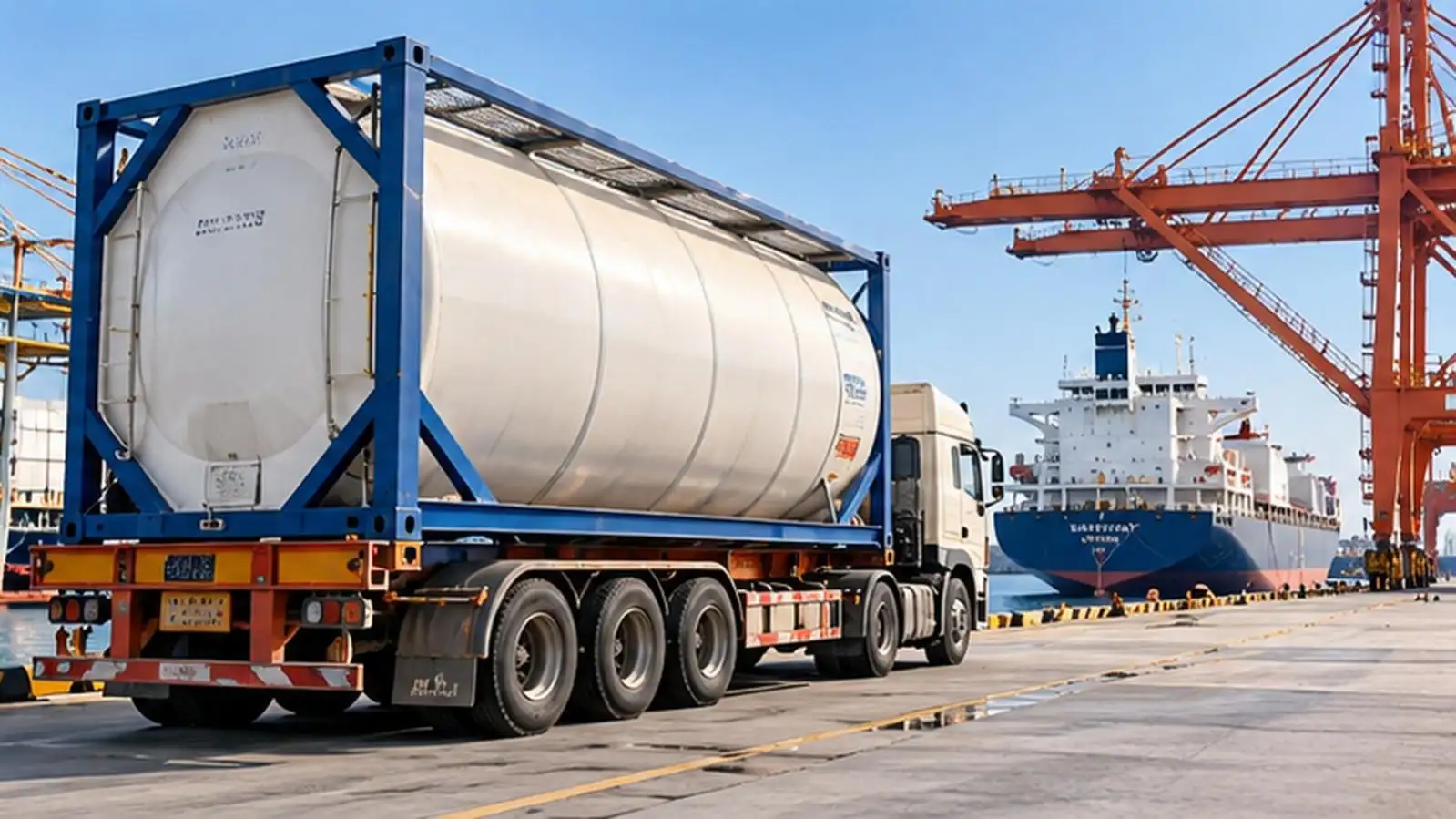
How to Choose a Reliable 2-Ethylhexanol (2-EH) Supplier in China: Quality, Packaging and Shipping
2026-10-22
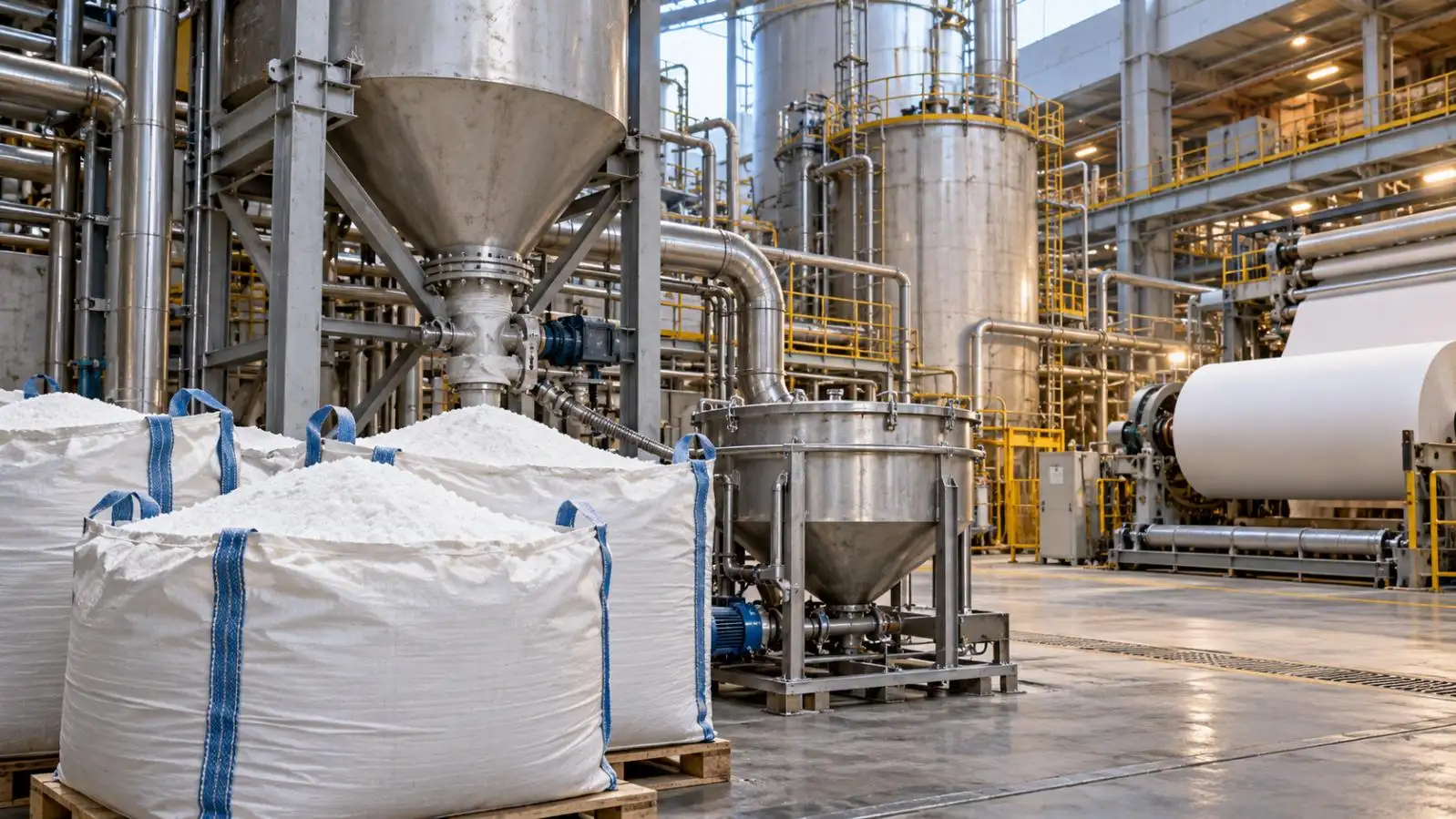
Natural vs Synthetic Sodium Sulfate Anhydrous: Which Is Better for Industrial Applications?
2026-10-22
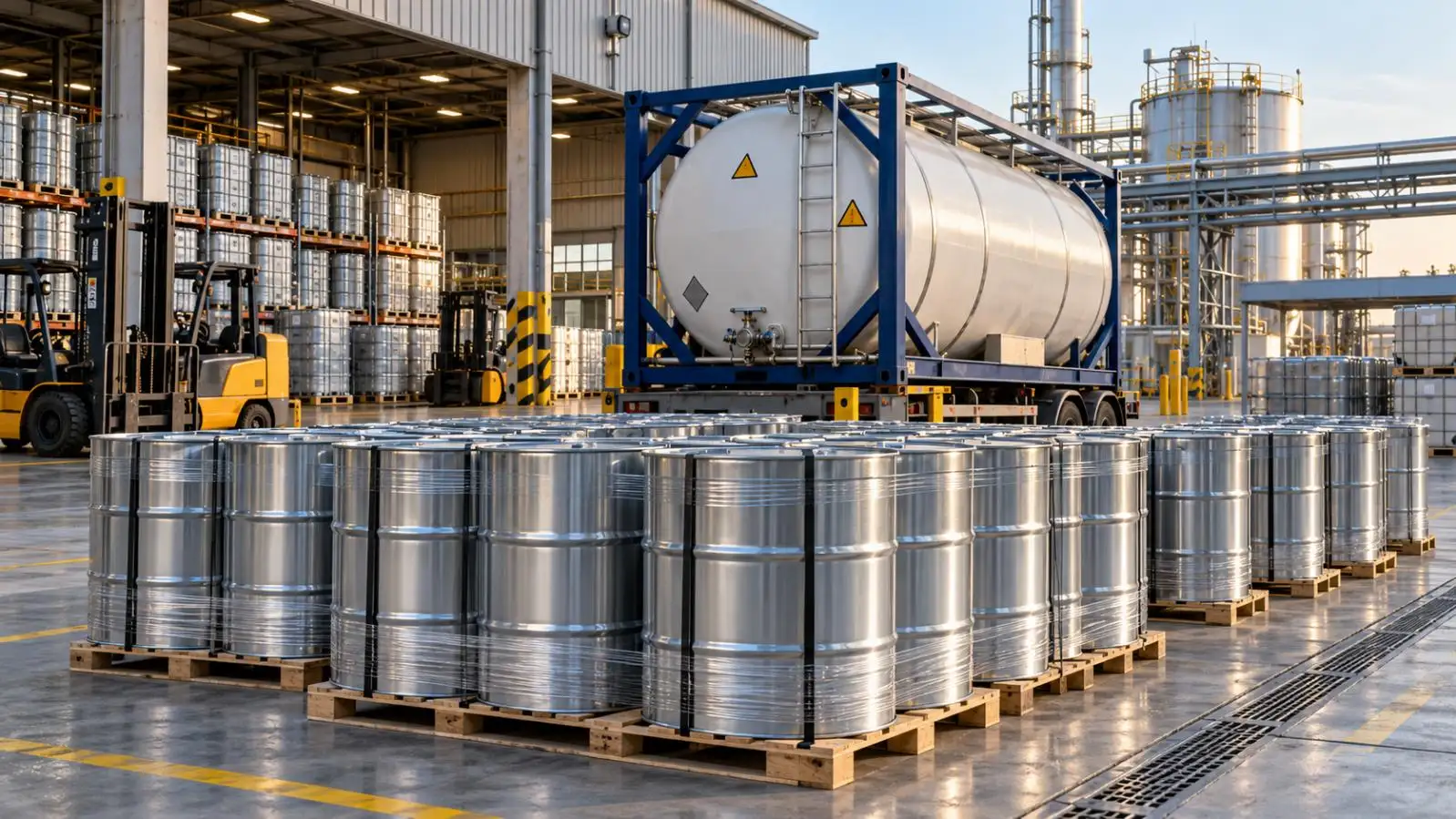
Isobutanol 99.3% Price and Supply in 2026: A Guide for Chemical Importers
2026-10-22
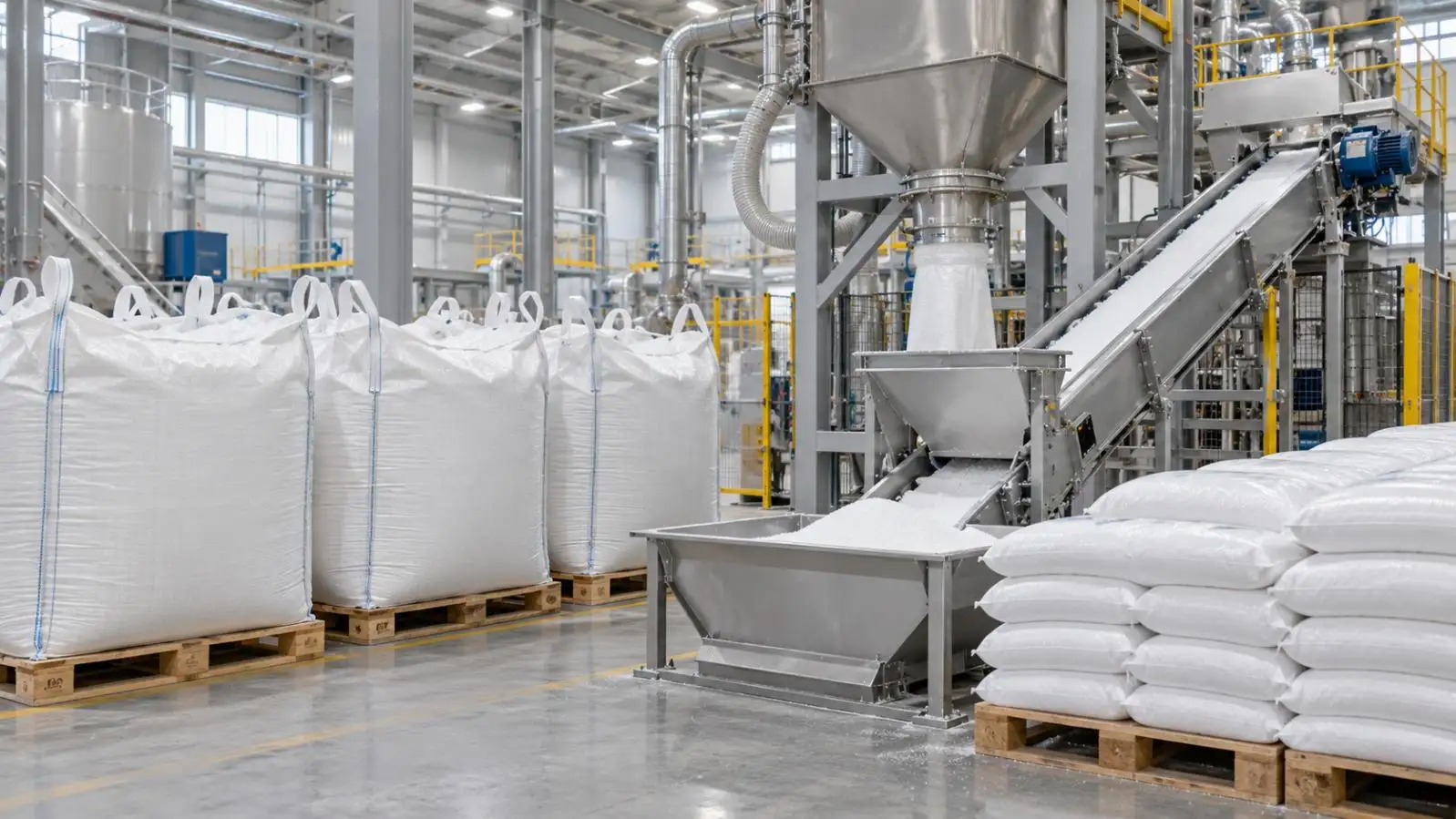
Sodium Sulfate Anhydrous 99% for Detergent Manufacturing: Benefits, Specifications and Bulk Supply
2026-10-22
The selection of a reliable Oilfield Chemical Supplier China is a crucial decision for operators, drilling contractors, completion-service companies, pipeline operators, produced-water treatment facilities and international chemical distributors. Competitive prices are not the only thing buyers require. They also demand a high degree of product consistency, production reliability, formulation adaptability, technical documentation, packaging flexibility and communication responsiveness, as well as international delivery reliability.
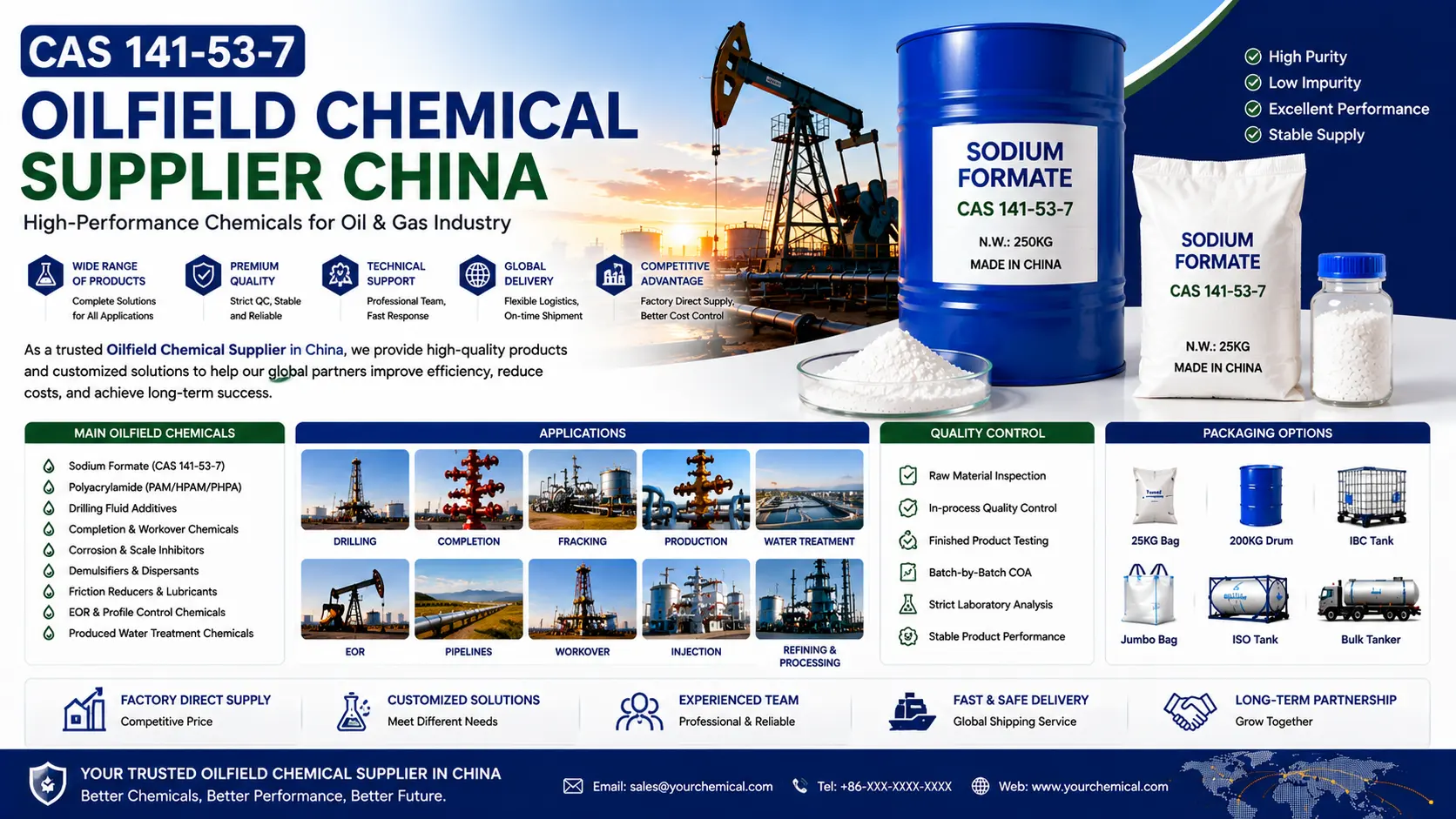
China has emerged as a key supplier of drilling-fluid additives, completion chemicals, enhanced oil recovery chemicals, corrosion inhibitors, scale inhibitors, friction reducers, polyacrylamide, sodium formate, water-treatment chemicals, and tailor-made oilfield chemicals.
But it would be wrong to choose oilfield chemicals based solely on the name or cost per kg. They are dependent upon the formation conditions, water chemistry, salinity, temperature, pressure, characteristics of crude-oil, materials of equipment, dosage, mixing process and the compatibility with other chemicals.
It introduces the primary types of oilfield chemical products offered by Chinese suppliers, the related applications, technical details, quality control measures, packaging solutions, supplier assessment methods, and purchasing considerations.
What Does an Oilfield Chemical Supplier Provide?
An oilfield chemical supplier provides functional chemicals used throughout the oil and gas production lifecycle.
These chemicals may be used in:
- Drilling
- Cementing
- Completion
- Workover
- Hydraulic fracturing
- Enhanced oil recovery
- Production
- Water injection
- Pipeline transportation
- Crude-oil processing
- Produced-water treatment
- Sludge dewatering
- Equipment cleaning
- Corrosion and scale control
A professional supplier should understand how each chemical behaves under actual field conditions.
The supplier may provide standard products, customized grades, blended formulations, technical data, laboratory samples, packaging options, and export documentation.
Why Source Oilfield Chemicals from China?
China has a large industrial chemical manufacturing base and a broad network of raw-material producers, formulation plants, packaging suppliers, testing laboratories, and logistics companies.
Potential sourcing advantages include:
- Broad product availability
- Competitive manufacturing costs
- Flexible order quantities
- Customized formulations
- Multiple packaging options
- Large-scale production capacity
- Export experience
- Integrated supply chains
- Access to polymer and inorganic chemical manufacturers
- Support for private-label packaging
Chinese suppliers may serve oilfield markets in:
- North America
- South America
- The Middle East
- Central Asia
- Southeast Asia
- Africa
- Europe
- Australia
The value of a supplier depends on product consistency and technical suitability rather than location alone.
Main Oilfield Chemical Products
Sodium Formate
Sodium formate has the CAS number 141-53-7.
It is used in selected drilling, completion, workover, and industrial fluid systems.
Potential functions include:
- Completion-brine preparation
- Density adjustment
- Low-solids fluid formulation
- pH buffering
- Corrosion-control support
- Scale-control formulations
- High-temperature fluid applications
Important purchasing specifications may include:
- Purity
- Moisture
- Insoluble matter
- Chloride
- Iron
- pH
- Solution density
- Appearance
- Packaging
- Shelf life
Sodium formate may be supplied as powder, granules, or concentrated solution, depending on the manufacturing process and application.
Polyacrylamide
Polyacrylamide, commonly abbreviated as PAM, has the CAS number 9003-05-8.
It is one of the most widely used polymers in oilfield and industrial water-treatment applications.
Common grades include:
- Anionic polyacrylamide
- Cationic polyacrylamide
- Nonionic polyacrylamide
- Partially hydrolyzed polyacrylamide
- PHPA
- HPAM
- Salt-resistant polyacrylamide
- Temperature-resistant polymers
- Friction-reducer grades
- Enhanced oil recovery grades
Applications may include:
- Drilling-fluid treatment
- Shale encapsulation
- Friction reduction
- Polymer flooding
- Profile control
- Produced-water clarification
- Sludge dewatering
- Solids separation
- Water shutoff
Important technical parameters include:
- Molecular weight
- Hydrolysis degree
- Charge density
- Active content
- Dissolution time
- Viscosity
- Residual monomer
- Insoluble matter
- Shear resistance
- Salinity tolerance
- Thermal stability
PHPA Drilling Polymer
Partially hydrolyzed polyacrylamide, or PHPA, is widely used in water-based drilling fluids.
It can adsorb onto reactive shale and clay surfaces.
Potential benefits include:
- Reduced shale hydration
- Lower clay dispersion
- Better cutting integrity
- Improved wellbore stability
- Reduced bit balling
- Lower dilution requirements
- Improved solids-control performance
- Stable drilling-fluid rheology
PHPA grade selection depends on molecular weight, hydrolysis level, water salinity, calcium content, temperature, and formation mineralogy.
Friction Reducers
Friction reducers lower hydraulic resistance during high-rate pumping.
They are used in:
- Hydraulic fracturing
- Water-based drilling
- Coiled-tubing operations
- Pipeline transport
- Water injection
- Horizontal drilling
Common friction-reducer products may include:
- Powder polyacrylamide
- Emulsion polyacrylamide
- Inverse-emulsion polymers
- Fast-hydrating polymers
- Salt-resistant polymers
- High-temperature polymers
Important performance factors include:
- Hydration speed
- Drag-reduction efficiency
- Effective dosage
- Shear stability
- Brine tolerance
- Insoluble residue
- Storage stability
Fluid-Loss Additives
Fluid-loss additives reduce liquid invasion from drilling, completion, workover, and cementing fluids into permeable formations.
Common products may include:
- Polyanionic cellulose
- Carboxymethyl cellulose
- Modified starch
- Polyacrylamide derivatives
- Synthetic copolymers
- Lignite-based additives
- Specialty high-temperature polymers
Potential benefits include:
- Reduced filtrate invasion
- Improved filter-cake quality
- Better wellbore stability
- Reduced formation damage
- Lower differential-sticking risk
- More stable fluid properties
The product should be selected according to temperature, pressure, salinity, fluid type, and formation permeability.
Viscosifiers
Viscosifiers increase fluid viscosity and improve cuttings transport and solids suspension.
Common viscosifiers include:
- Bentonite
- Xanthan gum
- Guar gum
- Cellulose polymers
- Polyacrylamide
- Synthetic rheology modifiers
- Organophilic clay
Potential applications include:
- Drilling fluids
- Gravel-pack fluids
- Completion fluids
- Fracturing fluids
- Workover fluids
Excessive viscosity can increase pump pressure and reduce solids-control efficiency, so dosage should be optimized.
Shale Inhibitors
Shale inhibitors reduce clay swelling, hydration, and dispersion.
Common products include:
- PHPA
- Potassium chloride
- Amine-based inhibitors
- Glycols
- Silicates
- Quaternary ammonium compounds
- Encapsulating polymers
- Calcium salts
Potential benefits include:
- Improved wellbore stability
- Reduced bit balling
- Lower torque and drag
- Reduced cuttings dispersion
- Lower mud dilution
- Reduced stuck-pipe risk
Formation-specific laboratory testing is recommended.
Lubricants
Oilfield lubricants reduce friction between the drill string, casing, wellbore, and mechanical equipment.
They are especially important in:
- Directional wells
- Horizontal wells
- Extended-reach drilling
- Coiled-tubing operations
- Horizontal directional drilling
Lubricants may be based on:
- Vegetable oils
- Mineral oils
- Synthetic esters
- Surfactants
- Graphite
- Specialty blends
A suitable lubricant may reduce torque, drag, equipment wear, and energy consumption.
Corrosion Inhibitors
Corrosion inhibitors protect oilfield equipment from attack by carbon dioxide, hydrogen sulfide, oxygen, chlorides, acids, and high-temperature brines.
Applications include:
- Production tubing
- Casing
- Flowlines
- Pipelines
- Storage tanks
- Separators
- Water-injection systems
- Completion brines
- Acidizing operations
Common chemistries may include:
- Imidazolines
- Amines
- Amidoamines
- Quaternary ammonium compounds
- Film-forming inhibitors
- Water-soluble formulations
- Oil-soluble formulations
The product should be selected according to metallurgy, fluid phase, water cut, temperature, pressure, gas composition, and injection method.
Scale Inhibitors
Scale inhibitors reduce mineral deposition in production wells, injection systems, pipelines, separators, and produced-water facilities.
Common oilfield scales include:
- Calcium carbonate
- Calcium sulfate
- Barium sulfate
- Strontium sulfate
- Iron sulfide
- Silica-related deposits
Common inhibitor chemistries include:
- Phosphonates
- Polyacrylates
- Acrylic copolymers
- Sulfonated polymers
- Phosphate esters
- Phosphorus-free formulations
Scale-inhibitor selection should be based on actual water analysis and scale-prediction testing.
Demulsifiers
Demulsifiers help separate water from crude-oil emulsions.
Potential benefits include:
- Faster water separation
- Reduced basic sediment and water
- Improved crude-oil quality
- Better separator efficiency
- Lower heating demand
- Reduced treatment cost
Demulsifier performance depends on:
- Crude-oil composition
- API gravity
- Asphaltene content
- Water salinity
- Temperature
- Residence time
- Mixing intensity
Fresh field emulsion should be used for bottle testing.
Reverse Demulsifiers
Reverse demulsifiers help remove oil droplets from produced water.
They may support:
- Oil-water separation
- Dissolved-air flotation
- Induced-gas flotation
- Clarification
- Filtration
- Water reinjection
- Discharge compliance
They are often used with coagulants and polyacrylamide flocculants.
Paraffin Inhibitors
Paraffin inhibitors reduce wax deposition in tubing, pipelines, flowlines, tanks, and production equipment.
Potential chemistries include:
- Pour-point depressants
- Crystal modifiers
- Dispersants
- Solvent blends
- Surface-active formulations
A suitable paraffin-control program may improve flow and reduce cleaning frequency.
Asphaltene Inhibitors
Asphaltenes may precipitate when pressure, temperature, or crude-oil composition changes.
Potential problems include:
- Formation damage
- Tubing deposits
- Pipeline blockage
- Separator fouling
- Reduced production
Asphaltene inhibitors and dispersants help stabilize heavy organic components and reduce deposition.
H₂S Scavengers
Hydrogen-sulfide scavengers reduce H₂S in gas, crude oil, produced water, drilling fluids, and storage systems.
Common products may include:
- Triazine-based scavengers
- Aldehyde-based products
- Metal-based scavengers
- Non-triazine formulations
Important selection factors include:
- Reaction speed
- H₂S concentration
- Temperature
- Fluid phase
- By-product formation
- Disposal requirements
Oxygen Scavengers
Oxygen scavengers reduce dissolved oxygen and help protect equipment and polymers.
Common products include:
- Sodium sulfite
- Sodium bisulfite
- Ammonium bisulfite
- Carbohydrazide
- Organic scavenger blends
Applications include:
- Water-injection systems
- Completion fluids
- Polymer-flooding systems
- Produced-water facilities
- Pipeline operations
Biocides
Biocides control microorganisms that may cause biofilm, corrosion, slime, H₂S generation, and polymer degradation.
Common products may include:
- Glutaraldehyde
- THPS
- DBNPA
- Isothiazolinones
- Quaternary ammonium compounds
- Specialty biocide blends
The selected biocide should be tested for compatibility with the complete field chemical program.
Oilfield Chemicals for Drilling
A drilling-fluid chemical package may include:
- PHPA
- Bentonite
- Viscosifiers
- Fluid-loss additives
- Shale inhibitors
- Lubricants
- Defoamers
- Weighting materials
- pH-control chemicals
- Corrosion inhibitors
- Biocides
The formulation should maintain suitable rheology, filtration, lubrication, wellbore stability, and cuttings transport.
All products should be tested together because interactions between additives can affect performance.
Completion and Workover Chemicals
Completion and workover fluids must maintain well control while reducing formation damage.
Common chemicals include:
- Sodium formate
- Potassium formate
- Calcium chloride
- Calcium bromide
- Corrosion inhibitors
- Oxygen scavengers
- Biocides
- Clay stabilizers
- Fluid-loss additives
- Scale inhibitors
- Surfactants
- Breakers
Low-solids fluids may help protect reservoir permeability and improve well cleanup.
Hydraulic-Fracturing Chemicals
Hydraulic-fracturing formulations may include:
- Friction reducers
- Gelling agents
- Crosslinkers
- Breakers
- Biocides
- Clay stabilizers
- Scale inhibitors
- Surfactants
- Iron-control agents
- Flowback aids
- pH adjusters
The complete system should be tested using actual source water and expected bottom-hole temperature.
Enhanced Oil Recovery Chemicals
Chemical EOR programs may use:
- HPAM polymers
- Salt-resistant polymers
- High-temperature polymers
- Surfactants
- Alkalis
- Profile-control agents
- Crosslinkers
- Polymer microspheres
- Pre-crosslinked particles
- Foam stabilizers
These chemicals may improve mobility control, reservoir sweep, oil displacement, water shutoff, and mature-field production.
Produced-Water Treatment Chemicals
Produced water may contain oil, suspended solids, salts, iron, bacteria, organic contaminants, and residual production chemicals.
Treatment products may include:
- Coagulants
- Polyacrylamide flocculants
- Reverse demulsifiers
- Defoamers
- Scale inhibitors
- Corrosion inhibitors
- Biocides
- pH adjusters
- Sludge conditioners
A typical treatment process may involve:
- Chemical dosing
- Coagulation
- Flocculation
- Flotation
- Sedimentation
- Filtration
- Sludge dewatering
The selected chemical program should support discharge, reuse, or reinjection requirements.
Important Product Specifications
A professional Oilfield Chemical Supplier China should provide measurable technical data.
Depending on the product, important specifications may include:
- Active content
- Purity
- Molecular weight
- Hydrolysis degree
- Charge density
- Density
- pH
- Viscosity
- Moisture
- Insoluble matter
- Residual monomer
- Particle size
- Dissolution time
- Thermal stability
- Salinity tolerance
- Calcium tolerance
- Flash point
- Pour point
- Shelf life
General descriptions such as “oilfield grade” or “high performance” are not enough for technical purchasing.
Laboratory Testing
Oilfield chemicals should be evaluated under representative operating conditions.
Common tests include:
- Rheology
- Fluid loss
- Shale recovery
- Cuttings dispersion
- Lubricity
- Friction reduction
- Thermal aging
- Brine compatibility
- Corrosion testing
- Scale-inhibition testing
- Demulsifier bottle testing
- H₂S scavenging
- Biocide efficiency
- Sludge dewatering
- Core flooding
- Polymer viscosity retention
Testing should use actual field water, brine, crude oil, formation material, temperature, and pressure whenever possible.
Quality Control in Chinese Manufacturing
A dependable Chinese oilfield chemical manufacturer should maintain quality control at every production stage.
Typical procedures include:
- Raw-material qualification
- Supplier verification
- Incoming-material inspection
- In-process monitoring
- Reaction-temperature control
- Concentration adjustment
- Active-content testing
- Density and pH testing
- Viscosity testing
- Finished-product inspection
- Packaging checks
- Batch release
- Retained-sample storage
Consistent quality systems help reduce performance variations between shipments.
Batch Traceability
Each oilfield chemical shipment should be traceable through:
- Raw-material batch numbers
- Production date
- Finished-product batch number
- Laboratory results
- Packaging records
- Retained samples
- Warehouse location
- Loading records
- Export documents
Batch traceability allows faster investigation if field performance changes.
Sample Evaluation
Before placing a large order, buyers should request representative samples.
Sample evaluation may include:
- Appearance inspection
- Solubility testing
- Active-content verification
- Viscosity testing
- Compatibility testing
- Thermal aging
- Field-water testing
- Corrosion or scale testing
- Trial dosing
- Comparative performance testing
Samples should represent the intended commercial grade.
Customized Formulations
A capable Oilfield Chemical Supplier China may offer customized products based on:
- Temperature
- Salinity
- Water hardness
- Crude-oil composition
- Formation type
- Required dosage
- Treatment equipment
- Environmental requirements
- Local transport rules
- Packaging preferences
Customization may involve:
- Molecular-weight adjustment
- Hydrolysis-degree adjustment
- Active-content modification
- Solvent selection
- Surfactant blending
- Thermal-stability improvement
- Salt-resistance improvement
- Defoaming adjustment
- Private-label packaging
Any customized grade should be validated before full-scale use.
Packaging Options
Oilfield chemicals manufactured in China may be supplied in:
- 25 kg bags
- 20 kg or 25 kg pails
- 200 kg drums
- 250 kg drums
- 500 kg bulk bags
- 1,000 kg jumbo bags
- IBC tanks
- ISO tanks
- Bulk tankers
- Customized export packaging
Packaging should be selected according to:
- Product form
- Hazard classification
- Monthly consumption
- Storage conditions
- Unloading equipment
- Transport distance
- Destination regulations
Powder polymers should be protected from moisture.
Liquid products should use chemically compatible containers.
Export Documentation
A professional supplier should provide complete and consistent documentation.
Typical documents include:
- Technical data sheet
- Safety data sheet
- Batch-specific certificate of analysis
- Product specification
- Commercial invoice
- Packing list
- Certificate of origin
- Bill of lading
- Transport documents
- Inspection reports
- Dangerous-goods documents when applicable
Product names, concentrations, batch numbers, quantities, and packaging information should match across all documents.
International Logistics
Oilfield chemicals may be shipped by:
- Sea freight
- Rail freight
- Road transport
- Air freight for samples
- Tank container
- Bulk tanker
Important logistics considerations include:
- Hazard classification
- Container loading
- Moisture protection
- Temperature protection
- Port selection
- Lead time
- Export customs
- Import documentation
- Destination storage
- Local delivery
The supplier should confirm the Incoterm and responsibilities before shipment.
Common Incoterms may include:
- EXW
- FOB
- CFR
- CIF
- DAP
- DDP where available
How to Evaluate an Oilfield Chemical Supplier in China
Buyers should evaluate the supplier from both technical and commercial perspectives.
Important factors include:
- Product range
- Manufacturing capability
- Oilfield application experience
- Laboratory equipment
- Quality-control procedures
- Production capacity
- Customized-formulation ability
- Batch consistency
- Export experience
- Technical support
- Packaging flexibility
- Delivery reliability
- Complaint-handling process
A reliable supplier should request detailed application information before recommending a product.
Factory Audit Checklist
A factory audit may review:
- Business and manufacturing licenses
- Production workshops
- Raw-material storage
- Production equipment
- Laboratory capability
- Quality-control records
- Batch traceability
- Finished-product warehouse
- Packaging process
- Safety management
- Environmental controls
- Export records
- Retained-sample system
A trading company may also provide valuable sourcing services, but buyers should understand whether the supplier is a manufacturer, distributor, or integrated service company.
Questions to Ask a Chinese Supplier
Before placing an order, buyers should ask:
- Are you the manufacturer or a trading company?
- Where is the production site?
- Which oilfield applications do you serve?
- Can samples be provided?
- Can recent batch COAs be supplied?
- What technical specifications can be guaranteed?
- Can field-water testing be supported?
- Can customized grades be developed?
- What is the normal production lead time?
- What is the monthly production capacity?
- What packaging options are available?
- Can third-party inspection be arranged?
- Which export documents are included?
- Which Incoterms are available?
- How are quality complaints handled?
Clear answers reduce sourcing risk.
How to Request an Accurate Quotation
A complete inquiry should include:
- Product name
- Intended application
- Required specifications
- Operating temperature
- Water salinity
- Calcium and magnesium content
- Fluid system
- Crude-oil characteristics
- Required dosage
- Order quantity
- Packaging
- Destination port
- Incoterm
- Required documents
- Delivery schedule
For example:
“Please quote sodium formate CAS 141-53-7 and PHPA for drilling and completion applications, including technical specifications, samples, TDS, SDS, batch COA, 25 kg packaging, CIF delivery, and estimated production lead time.”
Detailed inquiries help suppliers provide more accurate technical recommendations and quotations.
Comparing Supplier Quotations
Buyers should compare more than the unit price.
Important comparison factors include:
- Product grade
- Active content
- Purity
- Technical specifications
- Effective dosage
- Application performance
- Batch consistency
- Packaging
- Freight
- Payment terms
- Lead time
- Documentation
- Technical support
- Complaint handling
A lower price per kilogram may create a higher total operating cost if the product requires more dosage or performs inconsistently.
Common Sourcing Risks
Potential risks include:
- Selecting suppliers only by price
- Purchasing without sample testing
- Unclear product specifications
- Inconsistent batch quality
- Low active content
- Excessive insoluble matter
- Incorrect packaging
- Incomplete export documents
- Damaged goods
- Delayed shipment
- Poor chemical compatibility
- Limited technical support
- Misunderstanding Incoterms
- Inadequate quality traceability
These risks can be reduced through detailed specifications, sample testing, supplier audits, third-party inspection, batch-specific documentation, and clear purchase contracts.
Total Purchasing Cost
The total purchasing cost includes more than the factory price.
Buyers should consider:
- Product price
- Packaging
- Inland transportation
- Export fees
- Ocean freight
- Insurance
- Import duty
- Customs clearance
- Local delivery
- Storage
- Chemical dosage
- Treatment efficiency
- Technical service
- Waste disposal
- Downtime risk
The best supplier is not always the one offering the lowest quotation. It is the supplier that provides stable quality and reliable performance at the lowest total operating cost.
Private Label and OEM Supply
Some Chinese oilfield chemical suppliers offer private-label and OEM services.
Potential services include:
- Customized product names
- Buyer-designed labels
- Customized packaging
- Multilingual documents
- Customized active content
- Product formulation adjustment
- Pallet configuration
- Barcode and shipping marks
Private-label orders should define responsibilities for technical claims, legal compliance, labeling, and product registration.
Sustainability and Environmental Considerations
Oilfield operators increasingly consider environmental performance when selecting chemicals.
Potential requirements include:
- Lower toxicity
- Improved biodegradability
- Reduced phosphorus
- Lower solvent emissions
- Reduced hazardous classifications
- Recyclable packaging
- Lower treatment dosage
- Reduced sludge generation
Environmental improvements should not compromise technical performance or operational safety.
Conclusion
When selecting an Oilfield Chemical Supplier China, it's important to thoroughly assess product scope, capacity, technical parameters, quality management, batch uniformity, application validation, packaging, shipping documents, after-sales service, and overseas delivery.
Chinese suppliers are able to supply the following chemicals to global oil and gas projects to support sodium formate, polyacrylamide, PHPA, drilling additives, completion chemicals, friction reducers, corrosion inhibitors, scale inhibitors, demulsifiers, EOR polymers, biocides, H₂S scavengers and produced-water treatment chemicals.
Buyers should obtain comprehensive application data, ask for representative samples, read the technical documents, have the applicator's samples tested, check the supplier's ability, make a total cost comparison, and define quality specifications before ordering.
A reliable supplier should offer appropriate oilfield chemical grades, repeatability of batch performance, measurable specifications, flexibility in packaging, technical response, full export documentation and consistent global delivery.


Contact Us
In This Article
Related Posts
How to Choose a Reliable 2-Ethylhexanol (2-EH) Supplier in China: Quality, Packaging and Shipping
2026-10-22
Natural vs Synthetic Sodium Sulfate Anhydrous: Which Is Better for Industrial Applications?
2026-10-22
Isobutanol 99.3% Price and Supply in 2026: A Guide for Chemical Importers
2026-10-22
Sodium Sulfate Anhydrous 99% for Detergent Manufacturing: Benefits, Specifications and Bulk Supply
2026-10-22


