



Polyacrylamide Storage: Shelf Life, Moisture Control, and Handling
By vanchor
2026-07-14Related Posts
Custom Packaging Solutions from an Anhydrous Sodium Acetate Supplier in China
2026-09-23

Application Trends in Anhydrous Sodium Acetate for Special Chemical Manufacturing
2026-09-23
Anhydrous Sodium Acetate for Leather Tanning: Improve Dyeing Uniformity
2026-09-22

Formic Acid 85% for Textile Dyeing: Industrial Applications, Technical Benefits and Future Trends
2026-09-22
Polyacrylamide storage is mainly about keeping the product dry, sealed, and stable so it keeps its performance in use. If storage conditions are poor, the material can cake, absorb moisture, and lose effectiveness later in the process. For broader product context, see Industrial Polyacrylamide: Types, Applications, Performance, and Purchasing Guide (inferred).
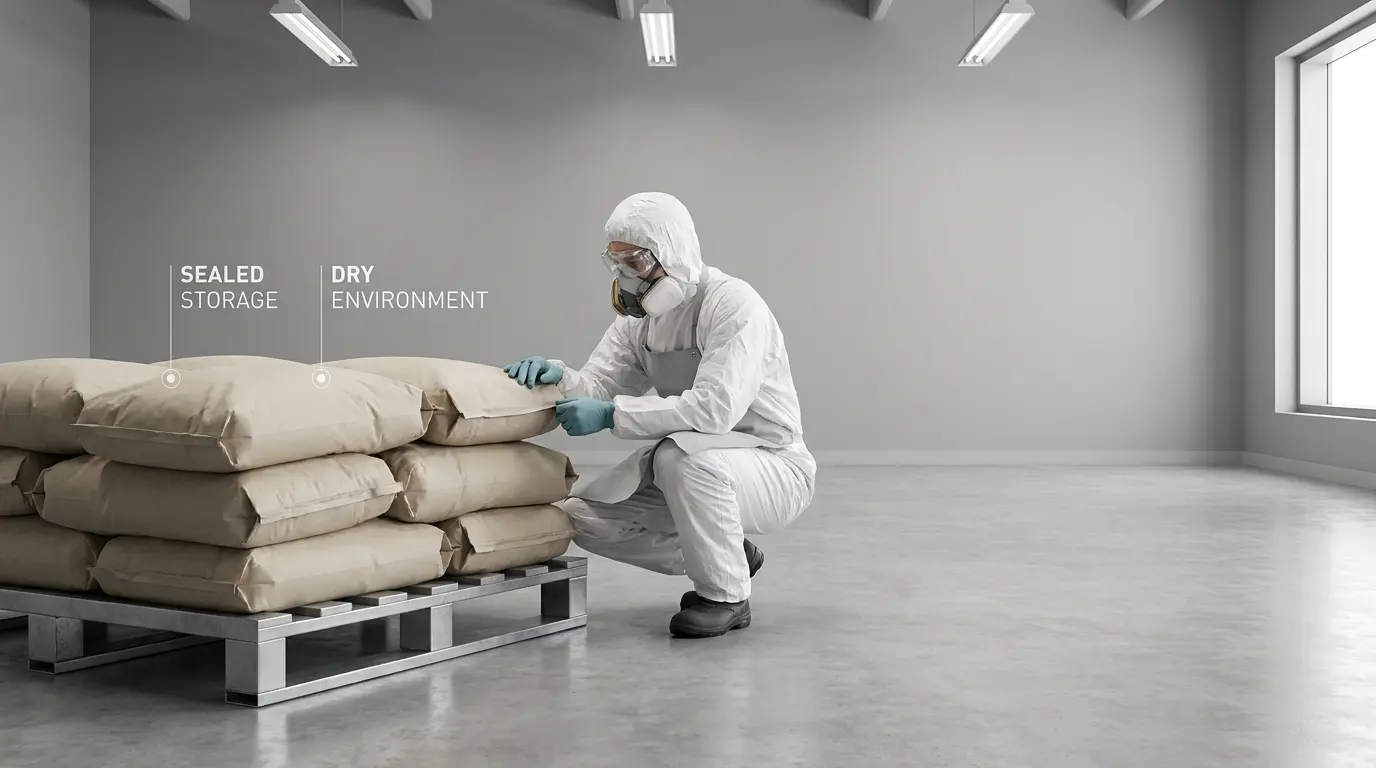
What Proper Polyacrylamide Storage Protects
Good storage protects polyacrylamide from the main risks that reduce usability: moisture uptake, caking, and gradual degradation. In practice, those problems matter because polyacrylamide is used for flocculation and separation, so damaged stock can lead to weaker performance in water treatment and related systems.vanchorsc+1
The basic storage goal is simple: keep the product in a dry environment with intact packaging and avoid long exposure to humid air. That is the most reliable way to preserve shelf life and keep the material ready for later preparation.polyacrylamidefactory+4
Powder and emulsion do not store the same way
Powder polyacrylamide is usually more forgiving in storage if it stays dry and sealed, while emulsion forms are often more sensitive to temperature and have tighter shelf-life expectations. Because of that, the right storage advice depends on the format you actually have, not just the product name.oubochemicals+1
A quick rule helps here: if the product is a dry solid, moisture control is the first concern; if it is an emulsion, temperature stability and shelf-life management become more important.snf+2
Storage Conditions That Matter Most
The most common guidance across live supplier resources is to store polyacrylamide in a cool, dry, well-ventilated place and keep it away from damp air, direct sunlight, and contamination sources. Sealed packaging matters because once moisture gets in, caking and clumping can start to form.saifuchem+4
For practical handling, check the packaging before stacking or moving stock. Damaged bags, torn liners, or containers that do not reseal properly should be treated as higher risk because they let ambient humidity reach the product faster.xiuyuanclo2+1
After opening, seal it immediately
Once a bag or container is opened, the product should be closed again as quickly as possible. Even short exposure to humid air can begin to affect dry polyacrylamide, especially in warehouses or work areas where moisture levels change during the day.cnccindustries+2
A simple handling sequence works well:
Open only what you plan to use.
Remove the amount needed.
Reseal the packaging right away.
Store the remaining material in the driest available location.
Shelf Life and What Changes It
Shelf life is not just a calendar number; it depends on the product form, packaging integrity, and storage environment. Dry polyacrylamide generally lasts longer when it remains sealed and protected from humidity, while emulsion products are typically more sensitive to storage conditions and may require more careful monitoring.polyacrylamidefactory+4
Do not assume that stock is still usable simply because it has not visibly spoiled. If moisture has entered the package or the product has been stored in a warm, damp place, performance can decline even when the material still looks acceptable at a glance.cnccindustries+1
How to Inspect Stored Product Before Use
Before using stored polyacrylamide, check the material for clumping, hardened sections, visible moisture exposure, or packaging damage. Those are the most practical signs that storage conditions were not ideal and that the stock may not behave as expected in preparation or dosing.oubochemicals+2
Use this as a quick decision check:
If the package is intact and the material still flows normally, it is more likely to be usable.
If the product has caked, absorbed moisture, or formed irregular lumps, treat it as compromised.
If the emulsion has been exposed to unstable temperature conditions, inspect it carefully before use.snf+2
If the material looks questionable, it is better to verify before dosing than to discover the problem during preparation. Poorly stored product can also make later Polyacrylamide Dissolution less predictable.
When Storage Problems Affect Performance
Storage problems matter because polyacrylamide is used for separation and flocculation, where product consistency affects how well it performs in the system. If the polymer has absorbed moisture, caked, or degraded, it may not disperse or behave as expected during use.vanchorsc+1
That can show up as weaker floc formation, inconsistent handling, or wasted material. For water-treatment users, the practical impact is not abstract; it can affect sludge dewatering, settling, and overall process stability.vanchorsc+2
Practical Storage Checklist
Keep polyacrylamide in mind as a moisture-sensitive industrial material, not just a commodity bag on a shelf. The safest routine is to store it dry, keep it sealed, inspect packaging regularly, and separate it from humid or contaminated areas.
Use this checklist:
Store in a dry, cool, ventilated space.
Keep bags or containers sealed.
Protect from humidity and direct sunlight.
Inspect for caking or moisture damage before use.
Treat powder and emulsion as different storage cases.
Move from storage to use with minimal exposure to ambient air.
Related Guidance
If you are also selecting the right product form or preparing material for use, the next useful pages are the parent guide and the related handling topics. For product selection context, see polyacrylamide grade selection and polyacrylamide for wastewater treatment.
For supplier-level context and product support, Vanchor also presents its broader polyacrylamide manufacturer page and product catalog resources through the site.vanchorsc+1


Contact Us
In This Article
Related Posts
Custom Packaging Solutions from an Anhydrous Sodium Acetate Supplier in China
2026-09-23
Application Trends in Anhydrous Sodium Acetate for Special Chemical Manufacturing
2026-09-23
Anhydrous Sodium Acetate for Leather Tanning: Improve Dyeing Uniformity
2026-09-22
Formic Acid 85% for Textile Dyeing: Industrial Applications, Technical Benefits and Future Trends
2026-09-22


