



Chemical Quality Control: From Raw Materials to Batch Traceability
By vanchor
2026-07-15Related Posts
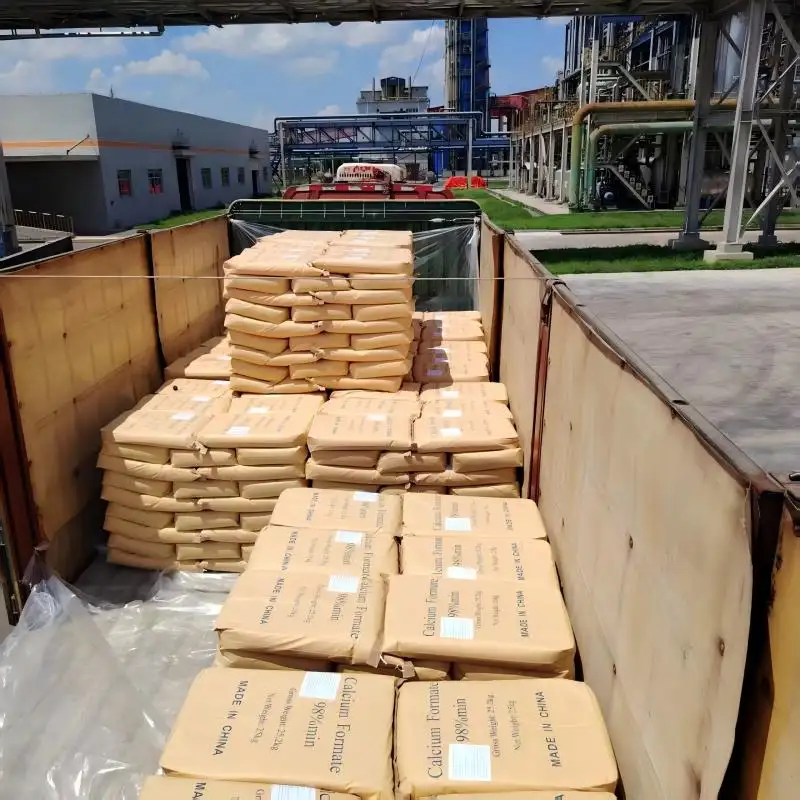
Vanchor Completes Shipment of 135 MT of Calcium Formate to South America
2026-08-11
Chemical Import Landed Cost Calculation: Estimate the Full Delivered Cost
2026-08-02
Incoterms for Chemical Imports: Cost, Risk, and Responsibility Guide
2026-08-01
Caustic Soda for Pulp and Paper Manufacturing: Process Uses and Safety
2026-07-31
Chemical quality control is the set of checks that verify a chemical is made from the right inputs, stays within spec during production, and can be traced back to the exact batch that shipped. For buyers, the real question is not just “Was it tested?” but “Can the supplier prove what happened to this batch from start to finish?”
If you are evaluating suppliers, this topic sits right inside the broader sourcing process described in How to Choose a Reliable Chemical Supplier in China (inferred). The quality-control layer is where supplier claims become evidence: raw material checks, in-process monitoring, final testing, batch records, and retained samples.
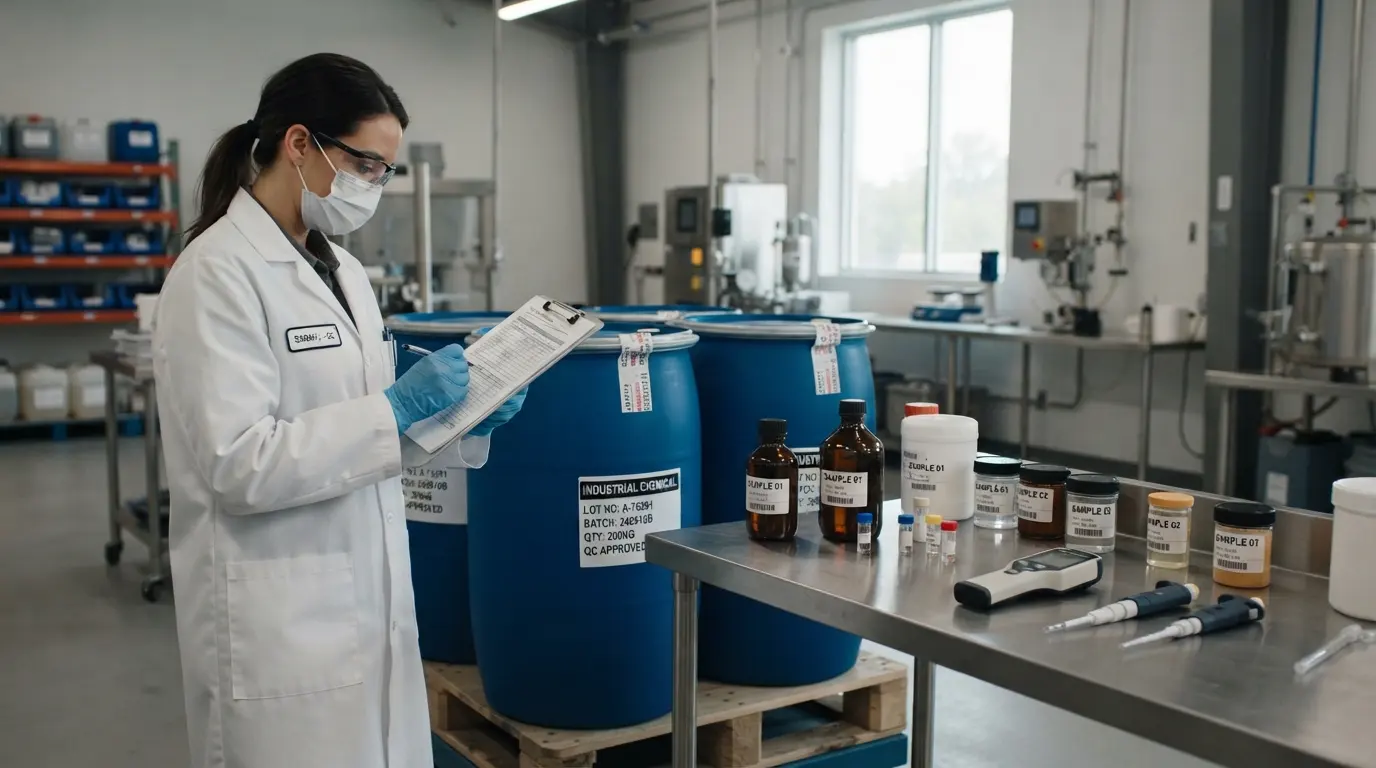
What Chemical Quality Control Checks at Each Stage
Chemical quality control usually works in three stages: incoming raw material inspection, in-process quality control, and finished product testing before release. That structure is common across manufacturer and buyer-facing guidance because it reflects the actual control points where defects can be prevented or caught early.tristarintermediates+1
Incoming Raw Material Inspection
The first gate is the input material itself. A supplier should verify that the raw material is the correct composition, meets purity expectations, and matches the required specification before it enters production.vanchorsc+1
This matters because bad input quality tends to show up later as inconsistent product performance, impurity issues, or failed batch release. In Vanchor’s stated QC process, incoming checks include purity analysis, composition verification, and compliance checks in an in-house laboratory.vanchorsc
In-Process Quality Monitoring
Once production starts, quality control shifts from input verification to process stability. Common checks here include monitoring concentration, pH, moisture content, impurity levels, and other parameters that can drift while the batch is being made.vanchorsc
This stage is important because a material can start within spec and still fail if the process introduces contamination, variation, or uncontrolled changes. Vanchor’s manufacturing-facility page also describes production controls tied to raw material storage, testing, and batch management, which supports the idea that QC is built into the process rather than added at the end.vanchorsc
Finished Product Testing Before Release
Final testing confirms whether the batch meets specification before shipment. At this point, the supplier is checking the completed product, not just one input or one process step.tristarintermediates+1
For buyers, this is the most visible part of QC because it usually connects to the certificate of analysis and the release decision. A strong QC system does not rely on final testing alone; it uses final testing to confirm that earlier controls actually worked.bespringchem+1
How Batch Traceability Protects Buyers
Batch traceability is the record chain that links raw materials, process checks, test results, and the shipped batch. In practical terms, it lets a supplier answer a simple but crucial question: which exact lot became this product, and what happened to it along the way?hailan-chemical+1
Vanchor’s QC page says shipment samples are retained for at least three months, which is a useful traceability practice because retained samples support rechecks and investigations if a buyer later questions a batch. Competitor guidance also treats batch traceability as a core buyer concern because it helps with documentation review, change tracking, and issue resolution.wotaichem+2
What a Traceable Batch Should Include
A traceable batch should normally be tied to a batch number, production record, test results, and release status. Buyers should also expect some proof that the sample retained by the supplier corresponds to the shipped batch, not just to a general product type.hailan-chemical+1
A useful way to think about it is this:
Batch number links the product to the production record.
Batch record shows what was done during manufacturing.
CoA summarizes the measured results against specification.
Retained sample supports later verification if something goes wrong.bespringchem+2
That document trail is what turns quality control from a promise into evidence.
Documents Buyers Should Ask For
If you are evaluating a supplier, the documents matter as much as the verbal explanation. At minimum, ask for the certificate of analysis for the actual batch, a clear batch reference, and enough supporting information to see that the product was controlled through production and release.tristarintermediates+2
Useful supporting documents can include:
Batch record summary.
Certificate of analysis for the shipped batch.
Retained-sample or traceability policy.
Relevant certifications that support the company’s quality system.vanchorsc
Vanchor states that it holds ISO 9001, ISO 14001, and ISO 45001, along with China Customs AEO Advanced Certification and other company credentials, which can be used as supporting credibility signals in a buyer review. For a deeper look at that angle, Chemical Manufacturer Certifications is the natural next page.vanchorsc
Signs a Supplier’s QC System Is Reliable
A reliable QC system is not just “we test every batch.” Buyers should look for evidence that the supplier controls quality at multiple stages and can explain the chain of custody for the batch.bespringchem+1
Good signs include:
Clear incoming inspection of raw materials.
In-process monitoring of key parameters.
Final release testing against specification.
Batch records that connect process steps to the shipped product.
Retained samples or a traceability policy.
Consistent document formatting and batch references.wotaichem+3
The most useful question is often not “Do you test?” but “Can you show me how this batch was controlled from input to shipment?” That question surfaces whether the supplier has real traceability or only a marketing claim.
Where QC Fits in Supplier Selection
Chemical quality control is one part of supplier qualification, not a replacement for it. A supplier can have QC documents and still need to be reviewed for audit readiness, sourcing reliability, and export documentation discipline.vanchorsc+1
That is why this topic belongs beside the broader sourcing guide rather than replacing it. If you are comparing suppliers, use QC evidence as a proof layer and then move back to the larger sourcing criteria in the parent guide: How to Choose a Reliable Chemical Supplier in China (inferred).vanchorsc
For buyers who want a more operational view of factory controls, bulk chemical supplier and chemical export documentation checklist are useful follow-up pages when the conversation shifts from testing to shipment paperwork.vanchorsc
Common QC Failures
The most common problems are not mysterious. They usually come from weak raw material control, poor process monitoring, missing batch records, or a traceability gap between the tested sample and the shipped product.tristarintermediates+1
Typical failure patterns include:
Contaminated or off-spec raw materials entering production.
Process drift that changes concentration, pH, moisture, or impurity levels.
A CoA that is not clearly tied to the actual batch.
No retained sample available for recheck.
Poorly controlled changes in source or process without clear records.hailan-chemical+2
These failures matter because they can create inconsistent product performance, delayed release, or disputes after delivery. Strong QC is mainly about preventing that chain of problems before the batch leaves the plant.
Supplier Questions To Ask
A short set of buyer questions usually reveals more than a long sales discussion. Ask the supplier how they inspect incoming raw materials, which parameters they monitor in process, what appears on the batch CoA, and how long retained samples are kept.bespringchem+1
Useful questions include:
How do you verify raw material identity and purity?
Which in-process parameters do you monitor?
What batch documents do you provide with shipment?
How do you connect the CoA to the actual batch?
Do you retain samples for later verification?vanchorsc+1
If the answers are vague, the QC system is probably vague too.
Next Step For Buyers
Chemical quality control is most useful when it helps you decide whether a supplier can be trusted with a real order. Once you understand the workflow from raw materials to batch traceability, the next step is to evaluate the supplier’s broader credentials, audit readiness, and sourcing reliability.vanchorsc+1
A good place to continue is Chemical Manufacturer Certifications if you want to see how quality systems are supported by formal credentials, or return to the parent guide here: How to Choose a Reliable Chemical Supplier in China (inferred).vanchorsc+1


Contact Us
In This Article
Related Posts
Vanchor Completes Shipment of 135 MT of Calcium Formate to South America
2026-08-11
Chemical Import Landed Cost Calculation: Estimate the Full Delivered Cost
2026-08-02
Incoterms for Chemical Imports: Cost, Risk, and Responsibility Guide
2026-08-01
Caustic Soda for Pulp and Paper Manufacturing: Process Uses and Safety
2026-07-31


