



Formic Acid for Leather Pickling: pH Control Before Chrome Tanning
By Tonmoy
2026-09-02Related Posts
Custom Packaging Solutions from an Anhydrous Sodium Acetate Supplier in China
2026-09-23

Application Trends in Anhydrous Sodium Acetate for Special Chemical Manufacturing
2026-09-23
Anhydrous Sodium Acetate for Leather Tanning: Improve Dyeing Uniformity
2026-09-22

Formic Acid 85% for Textile Dyeing: Industrial Applications, Technical Benefits and Future Trends
2026-09-22
Formic acid is used in leather pickling to acidify hides or skins and control pH before chrome tanning. It is not a complete tanning treatment by itself. In an industrial process, its suitability depends on the full pickle system, including salt, any co-acid, addition sequence, mixing, hide or skin characteristics, and the downstream chrome-tanning recipe.
The key process decision is therefore not simply whether to use formic acid. It is whether the selected formic-acid product and acid system provide controlled, repeatable acidification under the tannery’s validated conditions.
What formic acid does in a leather pickle before chrome tanning
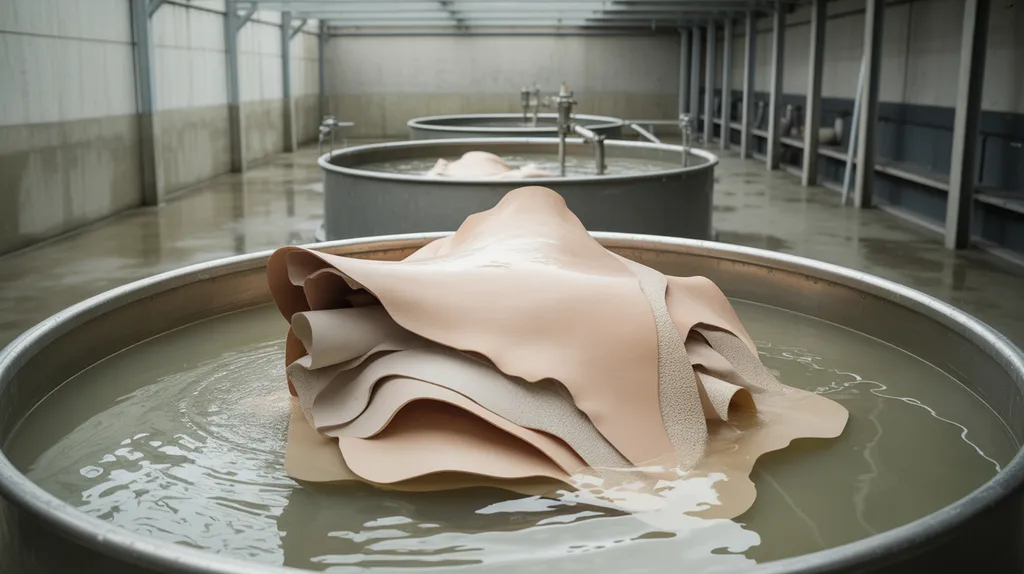
Pickling is the acidification stage between earlier beamhouse operations and subsequent tanning. The purpose is to bring the hide or skin into a condition suitable for the next process stage. Acidification changes the charge and swelling behavior of the collagen structure, helping prepare the material for more uniform interaction with tanning chemicals.
Formic acid is one organic acid used for this purpose. It lowers the pH of the pickle and can be used as part of a broader acid system. Technical descriptions of hide and skin pickling also identify the use of acid and salt before chrome tanning, with the precise process depending on the formulation and process design. The formic acid pillar page can provide broader chemical context, while this article focuses specifically on the leather-pickling stage.
Pickling and chrome tanning should remain distinct:
- Pickling acidifies and prepares the hide or skin.
- Chrome tanning is the subsequent tanning operation.
- Formic acid is an acidifying component in the pickle, not a substitute for the complete chrome-tanning system.
A lower measured pH does not, by itself, prove that acid has penetrated uniformly or that the material is ready for chrome tanning. Process control requires consideration of the entire liquor system and the physical response of the hide or skin.
Why salt and acid must be considered together
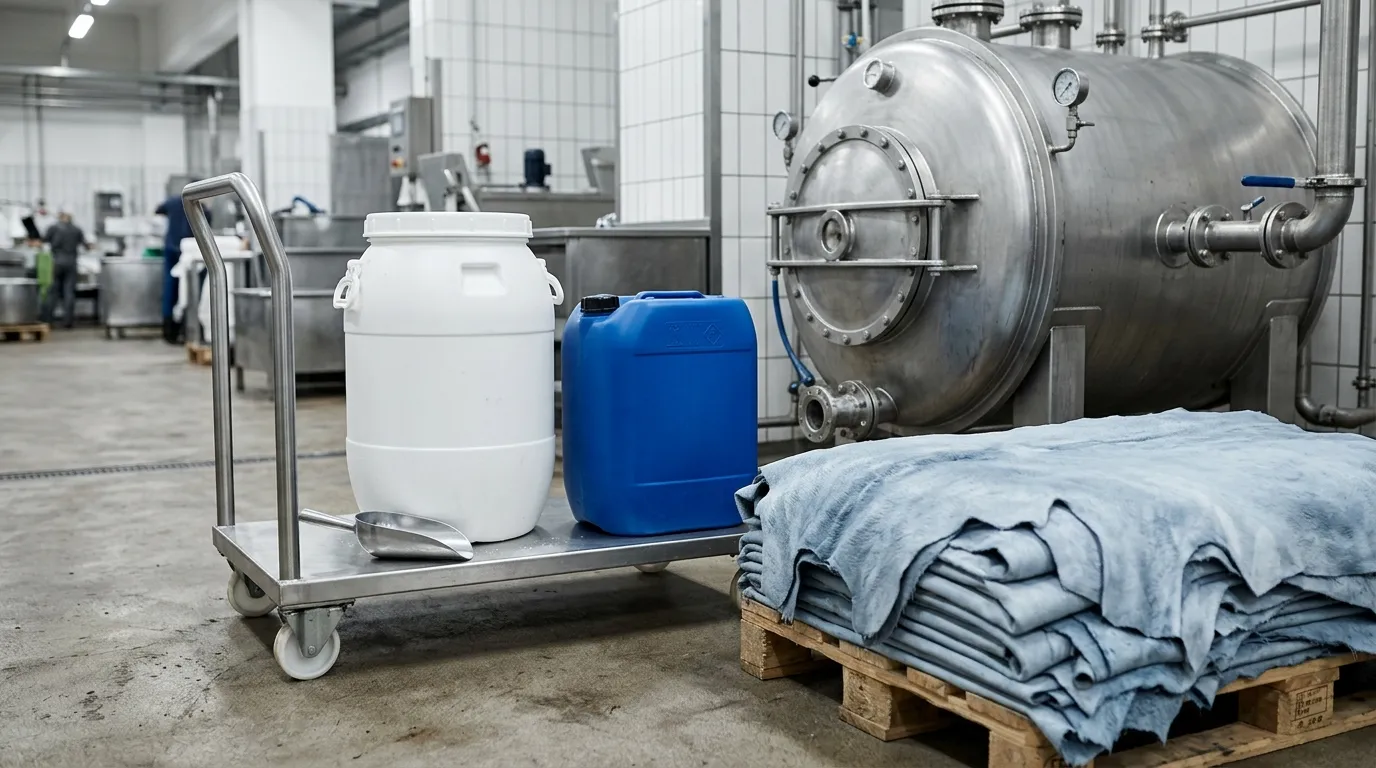
Acidification can create swelling-related risks if the pickle is not designed and controlled appropriately. Salt is therefore used in many acid-pickle systems to moderate acid swelling. The purpose is not to make the hide or skin immune to process variation, but to help maintain a more controlled condition while acid penetrates the material.
The main variables should be evaluated together:
| Process variable | Why it matters |
|---|---|
| Formic acid or other acid | Lowers the pH and establishes the acidification profile |
| Salt | Helps moderate acid-related swelling in the pickle |
| Addition sequence | Influences how quickly the acid enters and distributes through the liquor |
| Mixing and running | Supports more even contact and penetration |
| Hide or skin characteristics | Affect the response to the selected acid system |
| Downstream tanning recipe | Determines the condition required before chrome tanning |
The importance of salt concentration and acid addition sequence is also emphasized in leather-processing guidance and technical literature. A patent discussion of hide and skin pickling describes acidification before chrome tanning and the use of acid-plus-salt systems to control swelling; its specific process should not be treated as a universal tannery recipe. See the discussion in Pickling of Hides and Skins.
For production teams, the practical implication is straightforward: selecting formic acid without reviewing the salt system can lead to an incomplete process decision. Salt level, liquor conditions, mixing, and the hide or skin must remain connected to the validated recipe.
Formic acid with sulfuric acid: a process choice, not a universal winner
Formic acid and sulfuric acid are not always mutually exclusive options. Leather-pickling references describe systems in which organic and mineral acids are used together. However, the existence of mixed systems does not establish that both acids are required in every process, nor does it prove that one acid is universally superior.
The appropriate choice depends on factors such as:
- The hide or skin being processed.
- The desired acidification profile.
- The salt system and swelling response.
- The equipment and mixing conditions.
- The required penetration and process uniformity.
- The downstream chrome-tanning recipe.
- The tannery’s existing validation and quality criteria.
A useful comparison should therefore ask what each acid system is intended to achieve under comparable conditions. It should not compare a formic-acid solution with an unrelated sulfuric-acid concentration and then draw a general conclusion.
Production and formulation teams can assess the choice using the following framework:
| Decision question | What to verify |
|---|---|
| Is a single acid or mixed system being evaluated? | The current validated recipe and the intended process change |
| Is swelling controlled? | Salt level, hide response, and process observations |
| Is penetration sufficiently uniform? | Addition sequence, mixing, running, and evaluation method |
| Is the system compatible with chrome tanning? | Downstream tanning requirements and trial results |
| Is the comparison technically valid? | Chemical identity, concentration basis, units, and process conditions |
For a more detailed acid-by-acid discussion, see formic acid vs sulfuric acid leather pickling. The important point for this guide is that formic acid should be selected according to process fit, not by assuming that a single acid is the best choice for every tannery.
Which process variables control pH during pickling?
pH is an important control measurement, but it is only one part of the process assessment. A pickle can show the expected pH at the liquor sampling point while still requiring further evaluation for penetration, uniformity, swelling, and readiness for chrome tanning.
The following variables should be reviewed together:
- Chemical concentration: The supplied formic-acid concentration affects how the product is incorporated into the recipe, but it does not independently determine the correct process dosage.
- Addition sequence: Acid added too quickly or without sufficient distribution may produce local process differences.
- Mixing and running: Adequate movement of the liquor and material supports more even contact.
- Salt conditions: Salt helps moderate acid swelling, but its required level is process-specific.
- Hide or skin characteristics: Raw-material differences can affect acid uptake and response.
- Measurement method: pH readings should be taken using the tannery’s established sampling and measurement procedure.
- Downstream requirements: The required pickle condition is related to the following chrome-tanning process.
A practical example from a taxidermy pickle procedure refers to 85% formic acid and a pH range of 1.8–2.2. That example is specific to the source’s taxidermy application and should not be copied as a universal industrial chrome-tanning endpoint. Industrial pH targets, dosage, timing, and evaluation criteria must be established for the particular hide or skin and validated tanning system.
A safe process-control checklist is:
- Confirm the chemical identity and supplied concentration.
- Confirm the acid and salt system being evaluated.
- Follow the plant’s approved addition and mixing sequence.
- Monitor pH using the established method.
- Evaluate swelling, penetration, and process uniformity.
- Confirm that the material meets the tannery’s criteria before chrome tanning.
This approach avoids treating pH as a standalone recipe variable. It also prevents a pH value from being confused with acid concentration, product assay, or application dosage.
Formic acid concentration is not the same as pickling dosage
“Formic acid 85%” describes the concentration or assay basis of the supplied product. It does not, by itself, specify how much product should be used in a leather pickle.
Dosage is a process calculation based on the complete formulation and the intended operating conditions. It may depend on the acid system, material characteristics, liquor conditions, and the tannery’s validated target. A higher or lower product concentration cannot be converted into a universal dosage without defined inputs and a verified calculation basis.
The distinction is important for both formulation and procurement:
| Term | Meaning | What it does not establish |
|---|---|---|
| Product concentration or assay | The chemical content of the supplied formic-acid product | The correct tannery dosage |
| Application dosage | The amount used in a defined process | The product’s assay |
| Pickle pH | A measured process condition | Uniform penetration by itself |
| TDS or COA value | Documented product or batch information | Universal suitability for every pickle |
Vanchor’s product page describes formic acid 85 as a product used in leather processing, including pickling and pH adjustment. That is a site-stated application description; it should not be expanded into a claim of universal process performance, a required grade, or a guaranteed industrial endpoint.
Before selecting a product, the buyer should confirm the exact concentration basis, assay tolerance, impurity profile, test methods, and intended application. Product concentration and process dosage should be recorded as separate items in the formulation and purchasing documents.
What QA and procurement should verify before a tannery trial
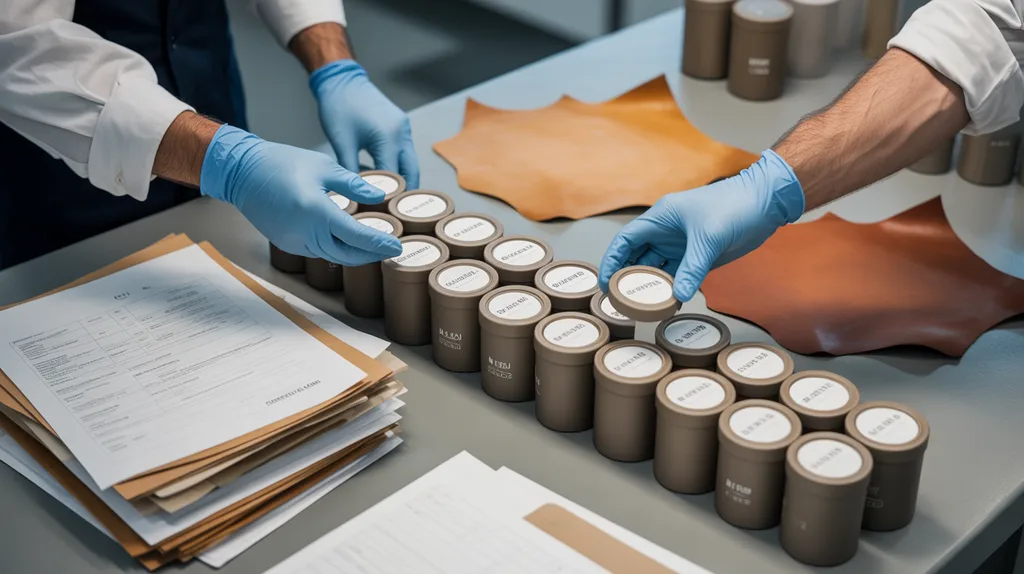
A tannery evaluating formic acid should separate product qualification from process validation. The product must be identified accurately, and the process must then be tested under defined internal conditions.
The procurement and QA checklist should include:
- Chemical identity: Confirm formic acid and, where required, CAS 64-18-6.
- Supplied form: Record whether the product is a solution and state its concentration basis.
- Assay: Check the stated minimum, typical value, or tolerance according to the supplier’s current specification.
- Impurities: Review the limits relevant to the leather process.
- Documentation: Request and review the current technical data sheet and safety data sheet.
- Batch control: Check the certificate of analysis and batch traceability requirements.
- Test methods: Confirm how assay and other specification values are determined.
- Handling information: Review the applicable safety and storage instructions before plant use.
- Application definition: State the hide or skin type, pickle system, salt system, and downstream chrome-tanning process.
- Trial criteria: Define how pH behavior, swelling, penetration, and tanning readiness will be assessed.
A supplier listing alone does not establish current stock, manufacturing status, validated tannery performance, or product certification. Those points require separate documentation and commercial confirmation. A broader leather chemical supplier resource may be useful when comparing sourcing routes, but it should not replace review of the exact product documents.
A practical decision path for evaluating formic acid in a pickle
A controlled evaluation can follow this sequence:
- Define the process. Identify the hide or skin, the existing pickle, and the downstream chrome-tanning requirements.
- Identify the product. Record the exact formic-acid concentration, chemical identity, specification basis, and batch information.
- Review the acid system. Establish whether the process uses formic acid alone or with another acid, and define the associated salt system.
- Review process control. Confirm the approved addition sequence, mixing conditions, pH-monitoring method, and sampling procedure.
- Run a controlled trial. Keep the trial conditions defined and record deviations from the current validated process.
- Evaluate the result. Compare pH behavior, swelling control, penetration, uniformity, and readiness for the subsequent tanning stage using the tannery’s approved methods.
- Make the approval decision. Approve the product and process only when the documented product specification and trial results meet internal QA requirements.
This is a validation framework, not a universal formic-acid recipe. It does not establish a fixed dosage, pH endpoint, process time, or acid ratio. Those values must remain specific to the tannery’s raw material, equipment, formulation, and chrome-tanning system.
For most industrial buyers, the right question is therefore not simply “Which formic acid should we buy?” It is: “Which documented formic-acid product fits our validated pickle system, and how will we confirm that fit before routine use?”


Contact Us
In This Article
Related Posts
Custom Packaging Solutions from an Anhydrous Sodium Acetate Supplier in China
2026-09-23
Application Trends in Anhydrous Sodium Acetate for Special Chemical Manufacturing
2026-09-23
Anhydrous Sodium Acetate for Leather Tanning: Improve Dyeing Uniformity
2026-09-22
Formic Acid 85% for Textile Dyeing: Industrial Applications, Technical Benefits and Future Trends
2026-09-22


