



Sodium Carbonate Industrial Uses: Grades, Applications, and Buying Criteria
By vanchor
2026-07-06Related Posts
Custom Packaging Solutions from an Anhydrous Sodium Acetate Supplier in China
2026-09-23
Application Trends in Anhydrous Sodium Acetate for Special Chemical Manufacturing
2026-09-23
Anhydrous Sodium Acetate for Leather Tanning: Improve Dyeing Uniformity
2026-09-22
Formic Acid 85% for Textile Dyeing: Industrial Applications, Technical Benefits and Future Trends
2026-09-22
Sodium carbonate, commonly known as soda ash (Na2CO3, CAS 497-19-8), is an alkaline compound used across a wide range of manufacturing processes. Its uses span glass production, detergents, water treatment, textiles, and chemical manufacturing, with the right choice of grade and specification depending on the process it supports.
This guide walks through where sodium carbonate is used industrially, how grade affects application fit, and what to check before purchasing it for a production line.
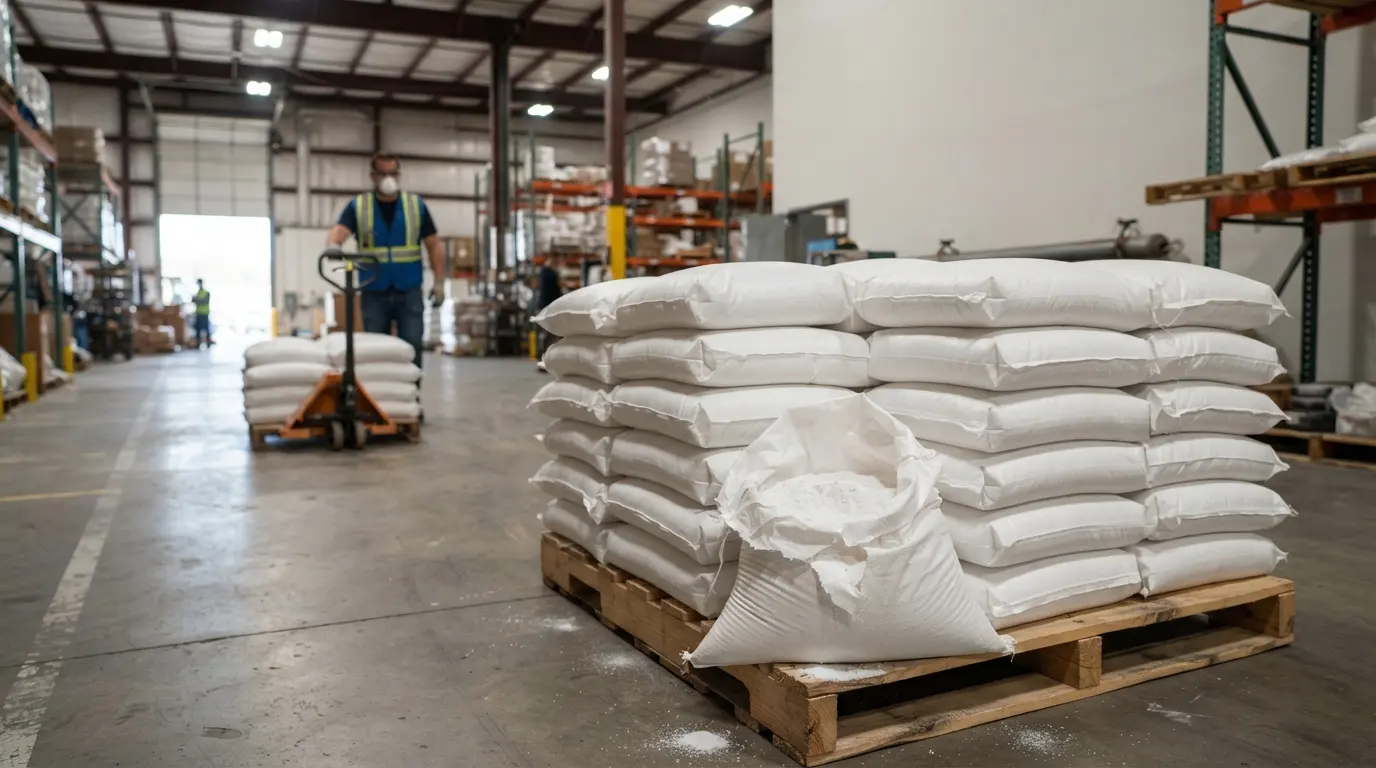
Where Sodium Carbonate Is Used Across Industries
Sodium carbonate's value comes from its alkalinity and its ability to react predictably with acids, silicates, and metal ions. That single property explains why it shows up in such different industries.
Glass Manufacturing
Glass production is the largest industrial consumer of sodium carbonate. It works as a flux, lowering the melting point of silica sand so furnaces can produce glass at more manageable temperatures instead of the extreme heat pure silica would otherwise require. Without this flux, glass melting would demand far more energy, which is why soda ash remains central to flat glass, container glass, and fiberglass production.
Detergents and Cleaning Products
In detergent manufacturing, sodium carbonate acts as a builder. It raises the alkalinity of a formulation and helps counteract water hardness, allowing surfactants to clean more effectively. This is also why it appears in many industrial degreasers and cleaning compounds, not just household detergents.
Water Treatment
Sodium carbonate is used in water treatment to adjust pH and reduce water hardness by precipitating calcium and magnesium ions. It helps control corrosion in pipes and equipment where acidic or mineral-heavy water would otherwise cause damage. For a broader look at chemicals used in this space, see industrial water treatment chemicals.
Textiles, Dyeing, and Leather Processing
In textile and dyeing operations, sodium carbonate is used to fix dyes and adjust the pH of dye baths, which affects how evenly color absorbs into fabric. It plays a similar processing role in leather treatment, where controlled alkalinity supports consistent results.
Chemical Manufacturing and Pulp/Paper
Sodium carbonate serves as a raw material in the production of other industrial chemicals, including caustic soda, which is made by reacting it with lime. In pulp and paper processing, it is used during pulping to help break down raw fibers and improve brightness. These are smaller-volume uses compared to glass and detergents, but they matter in specific supply chains.
Choosing the Right Grade for Your Application
Not every application calls for the same physical form of sodium carbonate. Soda ash light, with its finer particle size and lower bulk density, dissolves faster and works well in detergents and other applications where quick solubility matters. Soda ash dense, with coarser granules and less dust, is generally preferred in bulk-handling environments like glass manufacturing, where lower dust and easier storage are priorities.
Getting this choice right affects both process efficiency and handling costs, so it's worth understanding the full comparison before ordering. See Soda Ash Light vs Dense: How to Choose the Right Grade (inferred) for a detailed breakdown of particle size, dissolution behavior, and storage differences between the two grades.
What to Check Before Buying Sodium Carbonate
Once you know which application you're buying for, a few practical checks help avoid mismatched product or supply issues:
Purity level: Confirm the sodium carbonate content (commonly around 99% for industrial-grade material) matches what your process requires, since lower-purity material can introduce unwanted impurities into sensitive applications like glass or detergents.
Documentation: Request a Certificate of Analysis (COA), Safety Data Sheet (SDS), and Technical Data Sheet (TDS) for every batch. These confirm the actual specification of what you're receiving rather than a generic product description.
Packaging and handling: Sodium carbonate absorbs moisture readily, so moisture-resistant packaging matters for storage stability. Vanchor, for example, provides COA, SDS, and TDS documentation along with moisture-resistant and OEM/custom-labelled packaging for its soda ash grades. For more on how packaging choices affect shipping and storage, see chemical packaging and logistics.
Handling precautions: Sodium carbonate is a skin and eye irritant in concentrated form, so basic protective handling and proper storage away from moisture are standard practice, as outlined by the International Chemical Safety Card for sodium carbonate.
Supplier consistency: For recurring industrial demand, a supplier with stable production and batch-to-batch consistency reduces the risk of process disruptions. If you're evaluating sourcing options, see Soda Ash Manufacturer in China for supplier-specific considerations.
Matching these details to your application beforehand avoids costly reordering or process adjustments after material has already arrived.
Sodium carbonate's versatility comes from a single chemical property — alkalinity — applied differently across glass, detergents, water treatment, textiles, and chemical manufacturing. Once you've identified which grade and specification fit your process, the next step is confirming a reliable source; Vanchor's broader chemical manufacturing capabilities are outlined at specialty chemical manufacturer china.


Contact Us
In This Article
Related Posts
Custom Packaging Solutions from an Anhydrous Sodium Acetate Supplier in China
2026-09-23
Application Trends in Anhydrous Sodium Acetate for Special Chemical Manufacturing
2026-09-23
Anhydrous Sodium Acetate for Leather Tanning: Improve Dyeing Uniformity
2026-09-22
Formic Acid 85% for Textile Dyeing: Industrial Applications, Technical Benefits and Future Trends
2026-09-22


