



Chemical Container Loading Inspection: Packaging, Pallets, Seals, and Photos
By Tonmoy
2026-09-13Related Posts

Custom Packaging Solutions from an Anhydrous Sodium Acetate Supplier in China
2026-09-23

Application Trends in Anhydrous Sodium Acetate for Special Chemical Manufacturing
2026-09-23

Anhydrous Sodium Acetate for Leather Tanning: Improve Dyeing Uniformity
2026-09-22

Formic Acid 85% for Textile Dyeing: Industrial Applications, Technical Benefits and Future Trends
2026-09-22
A chemical container loading inspection verifies that the right chemical products, in sound packaging and on suitable pallets, are loaded into a clean, dry, acceptable container, then sealed and documented with photographs before dispatch. For buyers who cannot watch the loading process in person, this inspection is the practical way to confirm that the shipment left in the condition it was supposed to.
The checks below apply to packaged chemical cargo such as drums, bags, FIBCs, IBCs, pails, and cartons. They do not cover ISO tank or bulk liquid loading operations, which involve different equipment, cleaning protocols, and safety checks.
What Does a Chemical Container Loading Inspection Cover?
A container loading inspection checks the shipment at the moment of loading, rather than earlier at the production line. According to third-party inspection providers, the process usually covers these points:
- The correct products are loaded in the correct quantities
- Packaging is intact, properly closed, and correctly labeled
- Pallets are strong enough and clean enough for the cargo
- The container is clean, dry, and free of damage or previous cargo residue
- Goods are stacked and secured in a way that should survive transit
- The container seal is properly fitted and the seal number matches the documents
- Photographs document the container, cargo, loading process, and final sealed doors
The result should be a clear record: what was loaded, how it was loaded, into which container, under which seal, and with what visual evidence.
Container Loading Inspection vs Pre-Shipment Inspection
A container loading inspection is not the same as a pre-shipment inspection, and it does not replace one.
A pre-shipment inspection checks product quality before loading—appearance, specification, quantity, packaging, and sampling against a purchase order. A container loading inspection checks the loading event itself. It confirms that the goods being loaded match the shipment documents and that they are loaded into an acceptable container under safe conditions.
| Inspection Type | What It Checks | When It Happens |
|---|---|---|
| Pre-shipment inspection | Product quality, quantity, appearance, labeling, and sampling | At the factory or warehouse before loading |
| Container loading inspection | Container condition, packaging and pallet condition, loading execution, sealing, and photo documentation | At the container during loading and after the container is sealed |
You can review the full chemical pre shipment inspection checklist for quality checks that should happen before the container arrives. Both inspections fit inside a broader chemical quality control program.
Container Condition: What to Inspect Before Loading
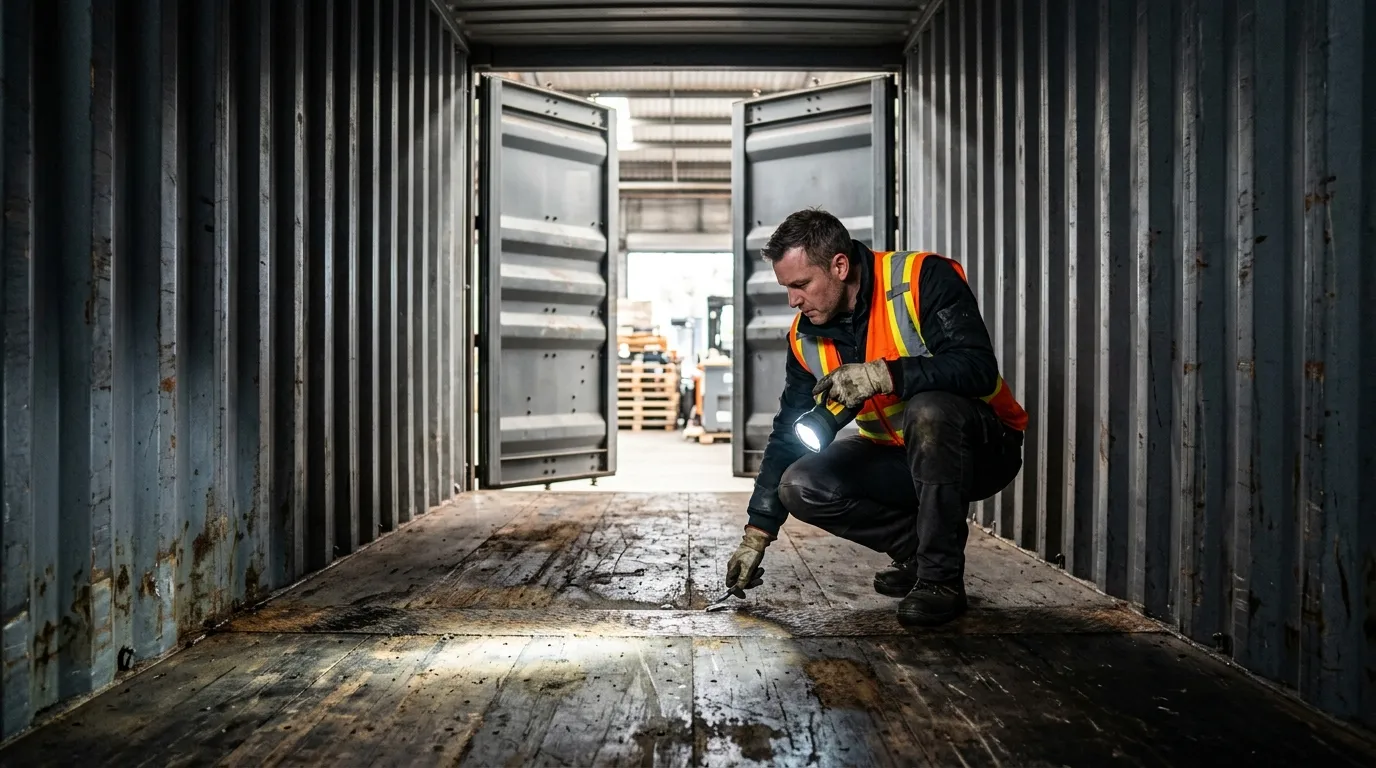
The container is the first thing to check. If the container is contaminated, wet, or structurally damaged, chemical packaging can be compromised during transit.
A practical container inspection includes:
- Exterior condition, including the undercarriage and doors
- Door operation, locking bars, and gaskets
- Side walls, front wall, and roof for holes or damage
- Floor condition, including soft spots, splinters, or holes
- Cleanliness and dryness
- Odor, which can indicate previous cargo residue
- Signs of rust, moisture, or pest contamination
- Previous cargo residue that could contaminate chemical packaging
Red flags include visible holes, standing water, strong chemical or organic odors, rust that could compromise the container wall, floor damage, and any sign that the container previously carried cargo that was not fully cleaned.
This is not just a quality preference. For chemical products, contamination risk is real. A damaged package in an uncleaned container can cause a shipment to be rejected on arrival. Vanchor’s own product pages describe the same pre-loading check for chemical shipments: the container should be inspected for moisture, holes, odor, rust contamination, floor damage, previous cargo residue, and leakage risk.
Chemical Packaging: What to Check on Drums, Bags, IBCs, Pails, and Cartons
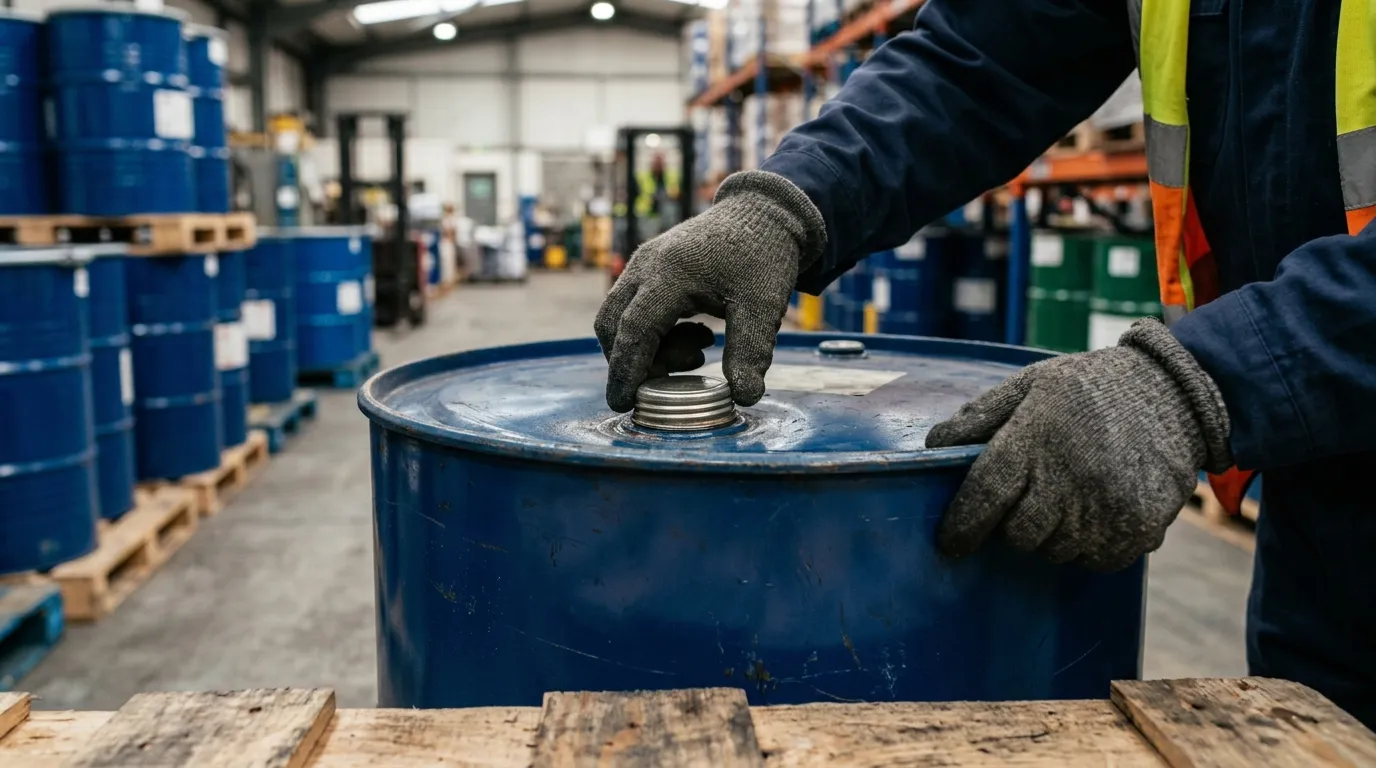
Chemical packaging has to do two jobs: protect the product during transit and protect everyone who handles the container. Leaking, damaged, or incorrectly closed packaging can create safety problems and can lead to a claim being denied.
General packaging checks for chemical cargo:
- Packaging is the type specified in the purchase order or contract
- Closures are secure and seals are intact
- Containers show no dents, rust, cracks, or signs of previous leakage
- Labels and shipping marks match the packing list
- Outer packaging is clean enough to handle safely
- Expired, damaged, or reconditioned packaging is not loaded without approval
Packaging-type-specific points:
- Drums: check seams, chimes, closures, and bungs for leakage and damage
- Bags and FIBCs: check for tears, punctures, moisture stains, and broken stitching
- IBCs: check the pallet base, valve caps, and any visible residue around outlets
- Pails and cartons: check lid seals, compression damage, and stacking strength
If the product is regulated as dangerous goods, packaging and labeling requirements can be stricter. Confirm whether its dangerous goods classification triggers additional requirements before loading. For broader packaging decisions, Vanchor’s chemical packaging and logistics guide covers more of the supply-chain context.
Pallet Checks: Load Base and ISPM 15 Marking
Pallets carry the entire load through handling and transit. A pallet that fails under the weight of chemical drums or IBCs can cause the shipment to shift, crush packaging, and make the container unsafe to open.
Check pallets for:
- Structural soundness, including broken boards, loose nails, and damaged stringers
- Cleanliness and dryness
- Sufficient size and load capacity for the packaging
- Overhang that could cause bags or cartons to tear
- No protruding nails or splinters that could puncture packaging
For international shipments, wooden pallets also carry phytosanitary requirements. According to QIMA’s container loading inspection guide, wooden pallets may require an ISPM 15 stamp for international movement, and inspectors should confirm that the mark is present. Requirements vary by destination country, so the buyer and supplier should confirm what applies to each shipment.
Loading Execution and Stowage
The physical loading process matters as much as the container and packaging. An inspector observes whether the cargo is handled carefully, stacked correctly, and placed in a way that is likely to remain stable through transport.
Key things the inspector checks during loading:
- The correct product and quantity move into the container
- Packages are not dragged, dropped, or thrown
- Stacking is stable and does not exceed the packaging’s rated stacking strength
- Heavy packages are placed on the bottom
- Dunnage or securing materials are used where needed
- The load is distributed evenly and does not put all weight on one part of the floor
- Any damaged or leaking packages are removed and not loaded
Poor stowage and inadequate cargo security are among the most common problems found during container loading inspections. A container that looks full can still shift in transit if the load is not properly secured.
Seal Verification: Number, Fit, and Documentary Record
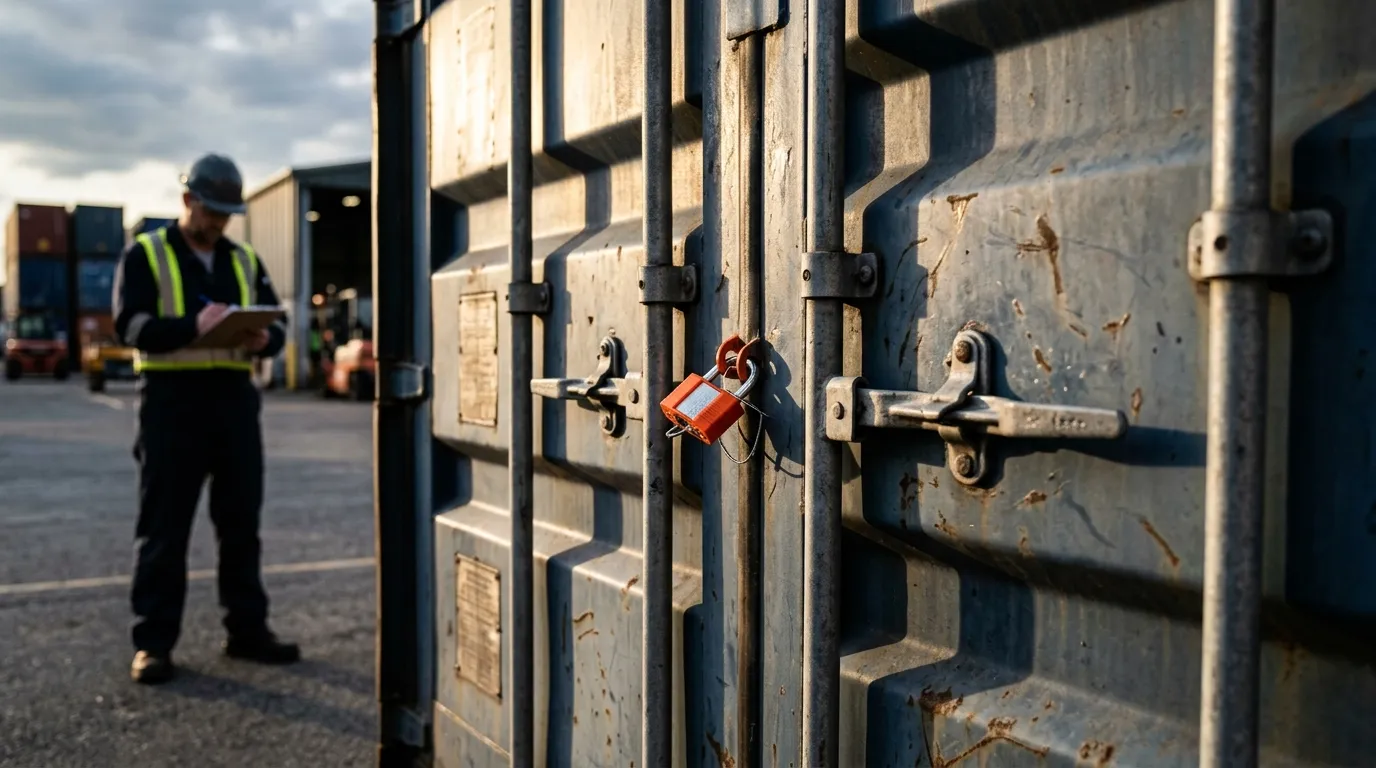
The container seal is the security link between the loading dock and the final destination. If the seal is incorrect or damaged, the buyer cannot prove whether the container was opened before arrival.
Seal checks during a container loading inspection include:
- Confirm that a seal is present and correctly attached
- Compare the seal number with the packing list, bill of lading, and inspection report
- Check that the seal is firmly fitted and cannot be removed easily by hand
- Inspect the seal for damage, repair, or signs of tampering
- Record the seal number in the inspection documentation
The inspection report should also note whether the seal meets any shipment-specific security requirements. The Inspection Company’s checklist references ISO 17712:2013 as a high-security seal standard, so it is worth asking whether the shipper is using a seal that meets that standard.
Photo Evidence: What the Report Should Document
Photographs turn an inspection report into verifiable evidence. A buyer who was not at the loading dock can review the photos to see exactly what happened.
A complete photo record should show:
- The container number and exterior condition
- The empty container, including floor, walls, roof, and door gaskets
- Any container defects found before loading
- Packaging and pallet condition before loading begins
- The product and package labels being loaded
- The loading process, including stacking and securing
- The loaded container before the doors close
- The seal number on the closed doors
- The final sealed doors with the seal clearly visible
The report should also include the date, inspector name or company, product description, quantities, container number, seal number, and any deviations from the expected loading plan. This documentation feeds directly into the chemical export documentation checklist you keep for each shipment.
Chemical Container Loading Inspection Checklist
Use this table as a fast reference when you specify or review a chemical container loading inspection.
| Area | What to Check |
|---|---|
| Container | Clean, dry, odor-free, no holes, no rust, no floor damage, no previous cargo residue, doors and gaskets working |
| Packaging | Intact closures, no leakage, no damage, correct labels and shipping marks, packaging type matches the order |
| Pallets | Sound structure, clean, dry, no protruding nails, appropriate size, ISPM 15 marking when required |
| Loading | Correct product and quantity, stable stacking, safe handling, no damaged packages loaded, load secured |
| Seal | Seal present, seal number matches documents, seal correctly fitted, no tampering |
| Photos | Container exterior and interior, packaging, pallets, loading process, loaded cargo, seal, and closed doors |
| Report | Date, inspector, container number, seal number, product details, quantities, findings, and photo references |
When Should You Require a Container Loading Inspection?
A container loading inspection is most useful when the buyer cannot witness the loading process directly. That is common when purchasing chemical procurement from China or from any overseas supplier, where the buyer relies on documents and trusted third-party evidence.
Consider requiring a container loading inspection when:
- You are buying a high-value or time-sensitive chemical shipment
- The product is sensitive to contamination, moisture, or damage
- Packaging and pallet quality at the supplier has been inconsistent
- You want documented evidence of quantity and condition before the container is sealed
- You want to reduce the risk of a costly dispute over what was loaded, how it was loaded, or whether the seal was changed
A properly documented container loading inspection gives you a clear answer before the container leaves the supplier: the right products were loaded, in acceptable packaging, into a clean container, and sealed under a verified seal number with photographic evidence. That record is the best protection you can have when the container is thousands of kilometers away.


Contact Us
In This Article
Related Posts
Custom Packaging Solutions from an Anhydrous Sodium Acetate Supplier in China
2026-09-23
Application Trends in Anhydrous Sodium Acetate for Special Chemical Manufacturing
2026-09-23
Anhydrous Sodium Acetate for Leather Tanning: Improve Dyeing Uniformity
2026-09-22
Formic Acid 85% for Textile Dyeing: Industrial Applications, Technical Benefits and Future Trends
2026-09-22


