



Dangerous Goods Classification for Industrial Chemicals: UN and Packing Guide
By vanchor
2026-07-01Related Posts
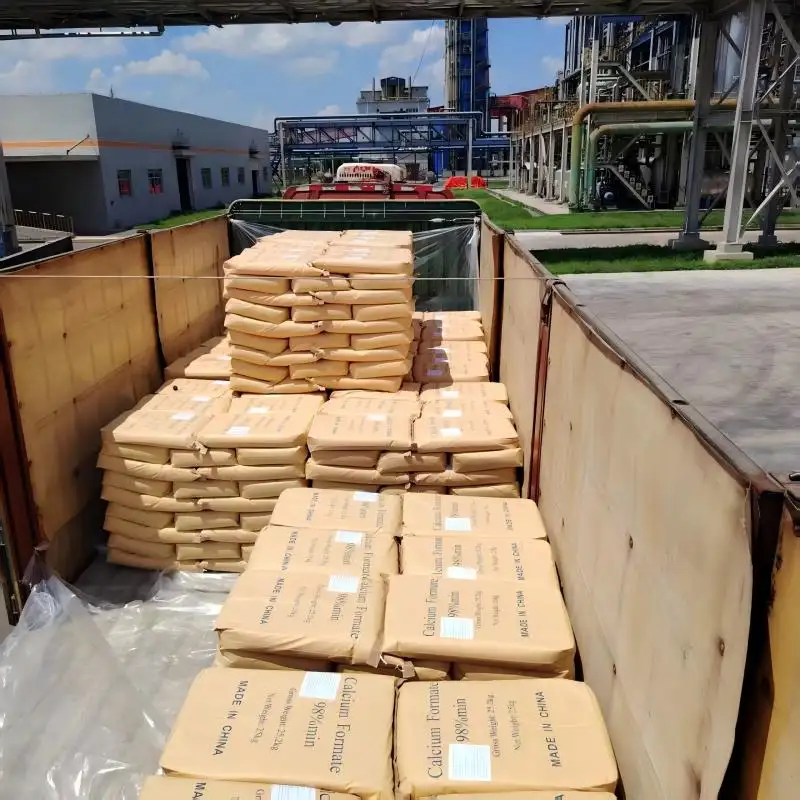
Vanchor Completes Shipment of 135 MT of Calcium Formate to South America
2026-08-11
Chemical Import Landed Cost Calculation: Estimate the Full Delivered Cost
2026-08-02
Incoterms for Chemical Imports: Cost, Risk, and Responsibility Guide
2026-08-01
Caustic Soda for Pulp and Paper Manufacturing: Process Uses and Safety
2026-07-31
Industrial chemicals are not automatically dangerous goods, but when they are, the transport classification determines how they must be named, labeled, documented, and packed. The quickest place to start is the SDS, especially transport information in section 14, because that is where the UN number, class, and packing group are usually identified.medarbejdere.
If you are sourcing or shipping chemicals across borders, this topic sits inside a broader procurement workflow, so it is useful to keep the parent guide nearby: Chemical Procurement From China: A Practical Buyer’s Guide (inferred).
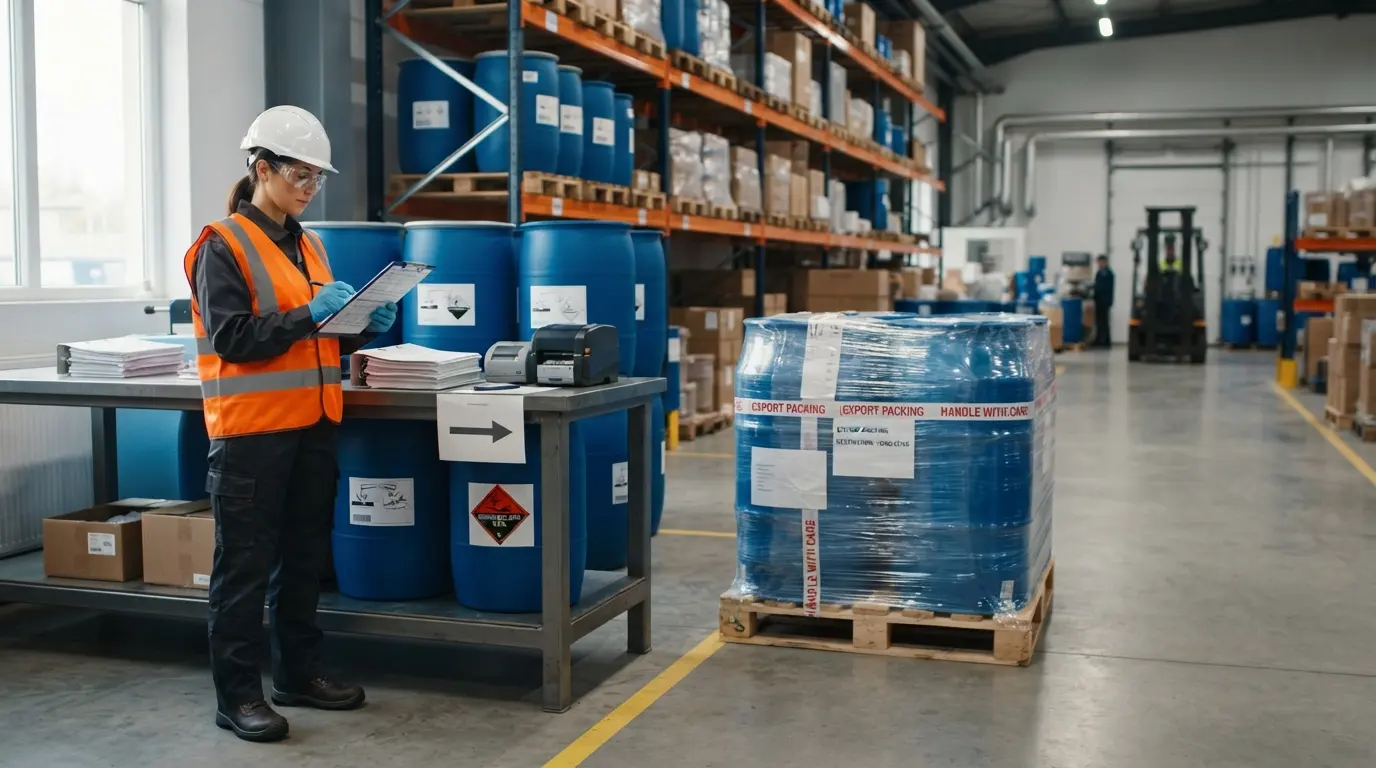
How Dangerous Goods Classification Works
Dangerous goods classification is the process of assigning a chemical to the correct transport hazard class and identifying the official transport name and UN number. The practical output is not just a label; it tells you what packaging, marking, and documentation rules apply before the shipment moves.dsv+2
For industrial chemicals, the most important idea is simple: the classification follows the substance’s transport hazard, not just its everyday use. A product can be an ordinary industrial raw material in one context and a regulated dangerous good in another, depending on its properties and concentration.faa+1
What the SDS tells you
For most shipments, the SDS is the first document to check because section 14 usually contains transport information such as the proper shipping name, UN number, class, and packing group. That makes the SDS the bridge between product knowledge and shipping compliance.medarbejdere.au+1
If section 14 is incomplete, outdated, or missing, the shipment should not be treated as ready-to-send until the transport data is confirmed through an authoritative source. That is especially important for buyers who rely on supplier paperwork during procurement.medarbejdere.au+1
The Main Classification Checks
The practical classification workflow is usually straightforward once the chemical identity is confirmed.
Confirm the exact product name and concentration.
Check the SDS transport section for the UN number, proper shipping name, class, and packing group.
Verify whether the product falls into a common hazard family such as flammable, corrosive, toxic, or oxidizing.
Match the transport mode with the applicable rule set.
Make sure the packing and marking match the classification.dsv+2
This step-by-step approach matters because transport classification is what turns a chemical description into a shipping instruction. It also reduces the chance of using the wrong packaging simply because a product is familiar in plant operations.chemindia.chemicals+1
Common industrial chemical hazard families
In practice, many industrial chemicals that trigger transport controls fall into a few recurring hazard families.
Flammable liquids, often relevant to solvents and some acid-based products.
Corrosive substances, common with strong acids and bases.
Toxic substances, where exposure risk is a main concern.
Oxidizing substances, which can intensify fire or reaction hazards.canada+2
These categories are useful because they help buyers understand why a chemical is regulated, but the final shipping decision still depends on the exact UN entry and transport data, not just the general hazard family.dsv+1
What Packing Group Means for Packaging
The packing group tells you how severe the hazard is within the transport system and helps determine how strict the packaging controls should be. In general, the higher the hazard severity, the more careful the packaging choice needs to be.chemindia.chemicals+1
That is why packing group is not just a paperwork detail. It affects the real-world choice of container, closure, inner protection, and whether the package can safely handle the chemical during transport.medarbejdere.au+1
For buyers, the main question is not “What is the cheapest package?” but “What package is compatible with the chemical and accepted for its transport classification?” That is where dangerous goods packing becomes a technical decision, not a procurement afterthought.vanchorsc+1
Package types buyers usually see
Common transport packaging for industrial chemicals includes drums, bags, IBCs, and ISO tanks, depending on the material’s form, hazard profile, and shipment volume. The packaging page on Vanchor’s site also reflects that packaging choice depends on the chemical’s state and hazard classification.vanchorsc
| Package type | Typical use |
|---|---|
| Drum | Liquid or solid products needing sealed transport packaging. |
| Bag | Many solids and powders where the hazard profile allows it. |
| IBC | Larger-volume liquid shipments where bulk handling is needed. |
| ISO tank | Bulk liquid transport where compatible and permitted. |
The right package is the one that fits both the chemical and the transport rule set; packaging is selected after the classification, not before it.totalsds+1
Labels, Marks, and Documentation
Once the classification is confirmed, the shipment has to show the correct labels and marks and carry the right transport paperwork. That includes the proper shipping name and any hazard labels required for the identified class.canada+2
This is where many shipping mistakes happen. A shipment may have the right product inside it but still be non-compliant if the package is marked incorrectly, the label is missing, or the documents do not match the SDS.canada+1
For a chemical exporter or buyer, the useful rule is to treat classification, packaging, and documentation as one chain. If one link changes, the others may need to change too.fmcsa.dot+1
A related support page can help here: chemical export documentation checklist.anobee
Air, Sea, Road, and Rail Differences
The underlying chemical hazard does not change, but the transport rule set can change by mode. Air transport is often handled through IATA dangerous goods rules, while sea, road, and rail commonly rely on their own regulatory frameworks.iata+3
That means the same product may require different packing instruction details depending on whether it is moving by air, sea, or road. The classification still starts from the substance data, but the shipment is only ready when the correct mode-specific rules are applied.iata+1
If you are deciding who carries the risk and shipping responsibility, this is also a good point to review commercial terms such as Incoterms: Incoterms for Chemical Imports.anobee
Common Mistakes and Risks
The biggest mistake is assuming that every industrial chemical is either obviously dangerous or obviously safe. The better approach is to verify the transport data instead of guessing from the product name alone.medarbejdere.au+1
Other common failures include using packaging that does not match the hazard profile, omitting required labels, and shipping with incomplete documentation. Those errors can create delays, rejected cargo, or avoidable handling risk.canada+2
A chemical may also be familiar to plant operators yet still require regulated transport packaging, so internal familiarity should never replace formal classification.medarbejdere.au+1
Buyer Checklist Before Shipment
Before a chemical shipment leaves the supplier or warehouse, confirm these basics:
The exact product identity and concentration match the SDS.
Section 14 of the SDS shows the transport information.
The UN number, proper shipping name, class, and packing group are aligned.
The package type matches the hazard and the transport mode.
Labels, marks, and documents match the shipment data.
Any follow-up paperwork is complete before handoff.canada+2
For buyers working within a sourcing workflow, this is the point where classification becomes part of procurement control. If the shipment is not yet fully aligned, it is better to stop and verify than to force the move and correct it later.fmcsa.dot+1
If packaging and handling need a deeper operational follow-up, the related guide on chemical packaging and logistics is the natural next step.vanchorsc
For substance-specific handling after classification, these related pages are also useful: Formic Acid Storage and Acetic Acid Storage and Handling.anobee
The practical takeaway is simple: start with the SDS, confirm the UN transport data, choose the right packing, and make sure the marks and documents all say the same thing. That is the safest way to handle dangerous goods classification for industrial chemicals.


Contact Us
In This Article
Related Posts
Vanchor Completes Shipment of 135 MT of Calcium Formate to South America
2026-08-11
Chemical Import Landed Cost Calculation: Estimate the Full Delivered Cost
2026-08-02
Incoterms for Chemical Imports: Cost, Risk, and Responsibility Guide
2026-08-01
Caustic Soda for Pulp and Paper Manufacturing: Process Uses and Safety
2026-07-31


